
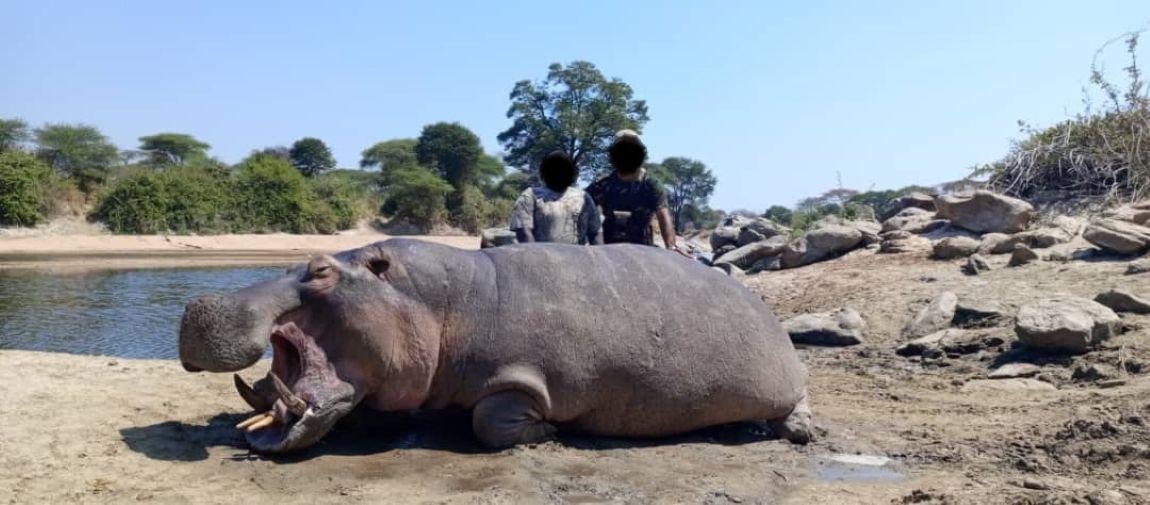
Hunters researching big game hunting in Tanzania will find very different safari experiences depending on the hunting area. One of western Tanzania’s most respected concessions is the Lunda Nkwambi GCA, a remote free-range hunting area known for dangerous game, East African plains game and challenging wilderness conditions
Tanzania remains one of Africa’s most respected hunting destinations, renowned for its vast unfenced wilderness areas, exceptional dangerous game hunting safaris, and authentic East African safari experiences.
From free-range Cape buffalo hunts and lion hunts to highly sought-after plains game species such as kudu, sable, and gerenuk, Tanzania hunting safaris continue to attract serious international hunters seeking a traditional African safari experience.
One of the country’s most respected hunting concessions is the Lunda Nkwambi GCA in western Tanzania, a remote free-range hunting area known for its exceptional trophy quality, diverse habitats, and challenging dangerous game and plains game hunting opportunities.
[DYNAMIC-BLOGTABLEOFCONTENT]
Key Takeaways
Tanzania remains one of Africa’s leading destinations for authentic East African hunting safaris, with the Lunda Nkwambi GCA in western Tanzania standing out as one of the country’s premier free-range hunting concessions. The area is renowned for its exceptional dangerous game and plains game hunting opportunities, while also attracting experienced international hunters searching for unique East African species and challenging wilderness safaris.
Beyond iconic species such as Cape buffalo, lion, and leopard, Lunda Nkwambi supports a remarkable diversity of wildlife, including Livingston’s eland, gerenuk, lesser kudu, sable, roan, yellow baboons, and other species associated with Tanzania’s remote wilderness ecosystems. Combined with vast unfenced terrain and professionally managed safari operations, the concession offers hunters a traditional African safari experience rarely found elsewhere on the continent.
Why Western Tanzania Offers a Different Hunting Experience
Hunting in this diverse destination offers far more than exceptional trophies alone. Tanzania’s landscapes range from the open plains of the Serengeti to dense Miombo woodlands, river systems, and remote wilderness concessions that support some of East Africa’s richest biodiversity. In western Tanzania especially, hunters experience vast unfenced safari areas with remarkably low hunting pressure, allowing dangerous game and plains game species to roam naturally across immense territories.
Tanzania’s strict hunting laws and conservation regulations help maintain sustainable wildlife populations and ethical safari practices, while proceeds from hunting safaris continue to support anti-poaching initiatives, habitat conservation, and local communities. Combined with the country’s traditional safari atmosphere and challenging free-range conditions, Tanzania remains one of the most authentic African hunting destinations available today.
What Hunters Should Know Before Hunting Lunda Nkwambi
As with all Tanzania hunting safaris, hunters visiting the Lunda Nkwambi GCA must comply with strict hunting regulations and licensing requirements administered through the Tanzania Wildlife Management Authority (TAWA). Hunting permits are generally issued as 10-day, 16-day, or 21-day safaris depending on the species being pursued, with dangerous game hunting safaris subject to additional caliber, licensing, and government oversight requirements.
All hunts within Tanzania are conducted under fair chase principles and are accompanied by a government game scout to ensure legal and ethical hunting practices are maintained throughout the safari. Hunting is only permitted during daylight hours, while species such as lion and leopard may only be hunted under strictly regulated conditions.
Due to the remote and free-range nature of the Lunda Nkwambi concession, hunters should also be prepared for physically demanding safari conditions, extended tracking sessions, and challenging terrain typical of western Tanzania’s wilderness hunting areas.
The Wilderness & Hunting Conditions of Lunda Nkwambi
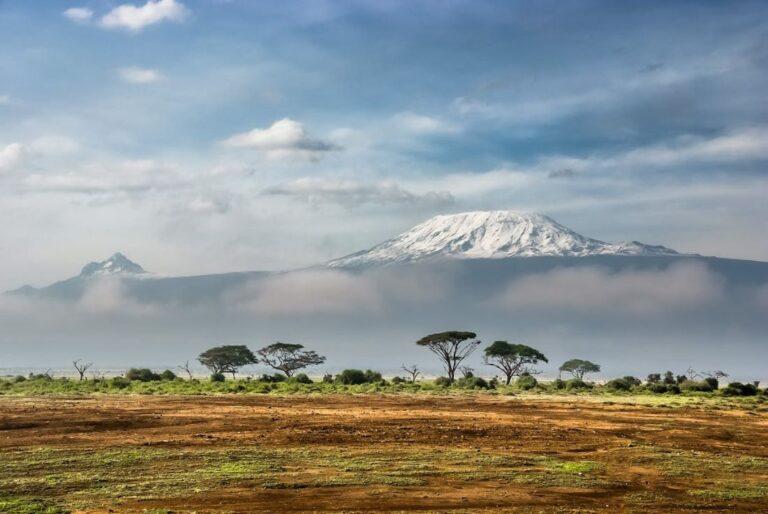
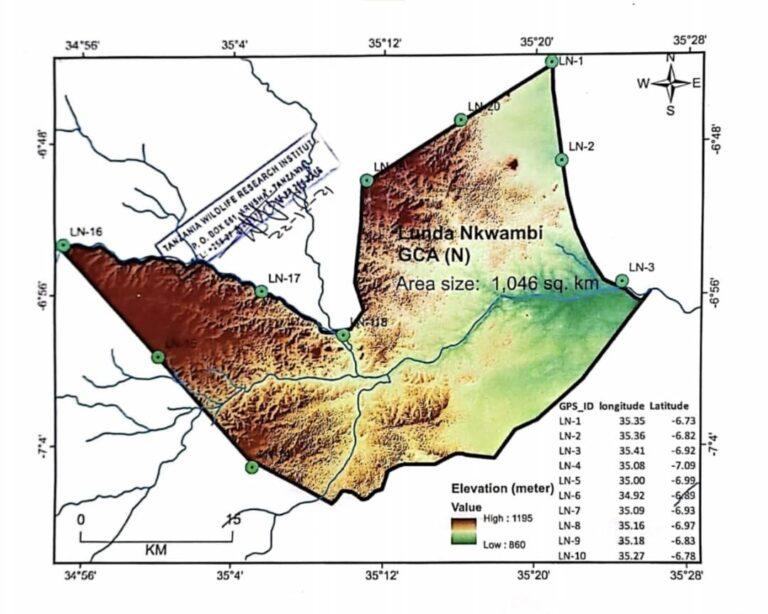
Situated in western Tanzania, the Lunda Nkwambi GCA covers more than 405 square miles (approximately 260,000 acres) of remote unfenced wilderness hunting habitat. The concession consists of diverse East African ecosystems, including open savannas, dense Miombo woodlands, seasonal river systems, and natural drainage lines that support an exceptional variety of dangerous game and plains game species.
These free-range hunting areas allow wildlife to move naturally across vast wilderness concessions, creating a truly authentic safari environment with relatively low hunting pressure compared to many other African hunting destinations. The terrain throughout Lunda Nkwambi plays a major role in the hunting experience, requiring hunters to constantly adapt to changing vegetation, visibility, and tracking conditions. Open savanna areas may allow for longer spotting opportunities, while thicker woodlands and riverine habitats demand careful stalking, patience, and close-range tracking skills.
During the hotter months, tsetse flies can occasionally become part of the experience in certain areas of the concession, especially near river systems and thicker vegetation. While they may test a hunter’s patience at times, experienced dangerous game hunters often joke that where the tsetse flies are, the buffalo are usually not far behind.
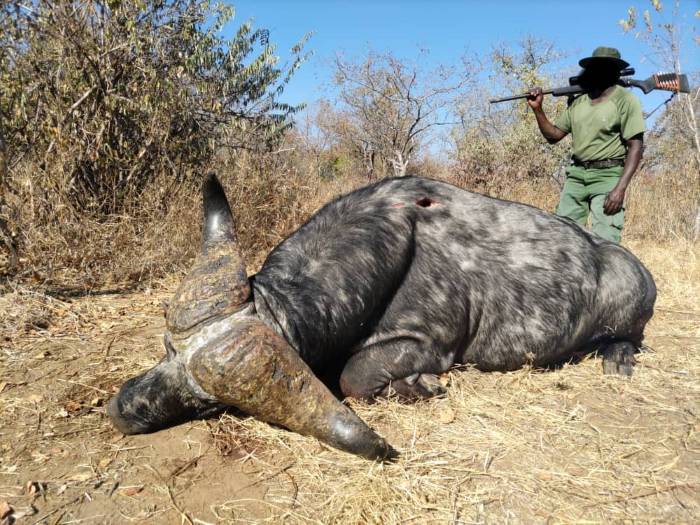
For hunters pursuing Cape buffalo hunts, Lunda Nkwambi offers the type of challenging free-range conditions dangerous game enthusiasts actively seek out, from tracking old dagga boys through sandy riverbeds to following fresh spoor into thick Miombo woodland. Healthy buffalo populations throughout the concession provide hunters with good opportunities for mature bulls, although success still relies heavily on patience, accurate shooting, and the ability to track consistently through difficult terrain.
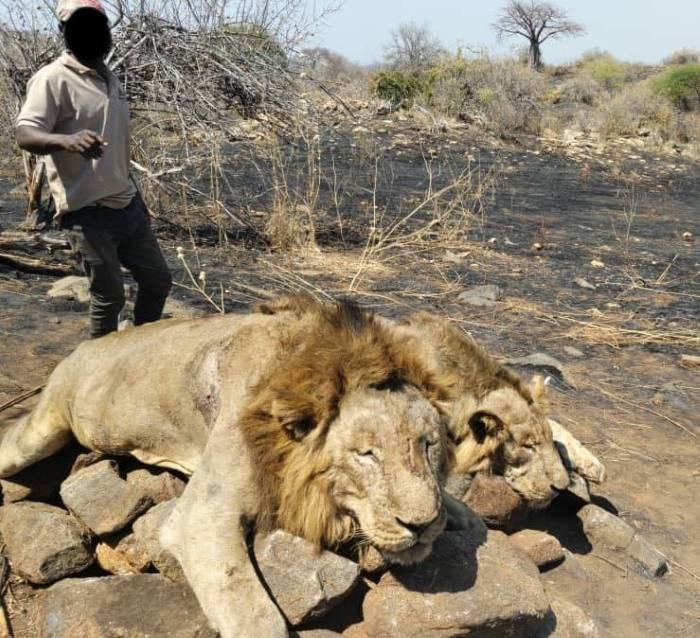
Lion hunts in Lunda Nkwambi are equally memorable, while leopard hunting safaris in the concession’s river systems and surrounding wilderness areas continue to attract hunters seeking a challenging East African dangerous game experience. At night, male lions are often heard vocalizing across the river systems and surrounding valleys around camp, a reminder that hunters are operating in one of East Africa’s genuinely wild and untamed safari regions.
Dangerous Game & East African Plains Game Species in Lunda Nkwambi
The diverse ecosystems of the Lunda Nkwambi GCA support an impressive variety of both dangerous game and African plains game species, with the concession estimated to hold nearly 70% of Tanzania’s huntable wildlife species. This exceptional biodiversity is one of the major reasons why experienced international hunters continue to regard western Tanzania as one of East Africa’s premier free-range safari destinations. Hunters comparing Lunda Nkwambi with the country's other major hunting areas can explore our Big Game Hunting in Tanzania guide.
For plains game enthusiasts, the concession offers opportunities for species such as greater kudu, lesser kudu hunting, sable hunts, roan, Livingstone’s and Patterson’s eland, gerenuk, Grant’s gazelle, Lichtenstein’s hartebeest, Coke’s hartebeest, Chobe bushbuck, Kirk’s dik-dik, puku, steenbok, and numerous other East African species rarely encountered elsewhere on the continent.
Lunda Nkwambi is also renowned for its healthy populations of dangerous game species, with the concession’s river systems, dense Miombo woodland, and remote wilderness habitats creating excellent conditions for challenging free-range dangerous game safaris in truly wild East African hunting country.
Free-Range Hunting Methods in Lunda Nkwambi
These hunts generally favor traditional walk-and-stalk hunting methods, allowing hunters to experience an authentic African hunt while relying on their stalking skills to close the distance on game in true free-range conditions. The varied terrain and dense wilderness habitats of Lunda Nkwambi test a hunter’s patience, fitness, and adaptability, creating challenging but highly rewarding dangerous game and plains game hunting experiences.
No matter which species is being pursued, proper shot placement remains critical in these demanding hunting conditions, especially when following dangerous game through thick Miombo woodland and riverine terrain. Hunters preparing for a safari in Tanzania should familiarize themselves with the fundamentals of African game shot placement before entering the field.
Why Consider Hunting Lunda Nkwambi?
- The area is renowned for its exceptional trophy quality, for both African plains game and dangerous game species.
- Lunda Nkwambi offers vast areas of untamed wilderness, the perfect backdrop for experiencing a true African hunt.
- The area boasts diverse habitats where a wide range of species thrive.
- These diverse habitats and landscapes test a hunter to adapt to varying conditions, ensuring a challenging safari with great rewards.
- Tanzanian hunting safaris utilize highly professional and experienced Professional Hunters (PH), guides, trackers and other staff, ensuring a positive and pleasant African hunting safari.
Getting to the Lunda Nkwambi Hunting Concession
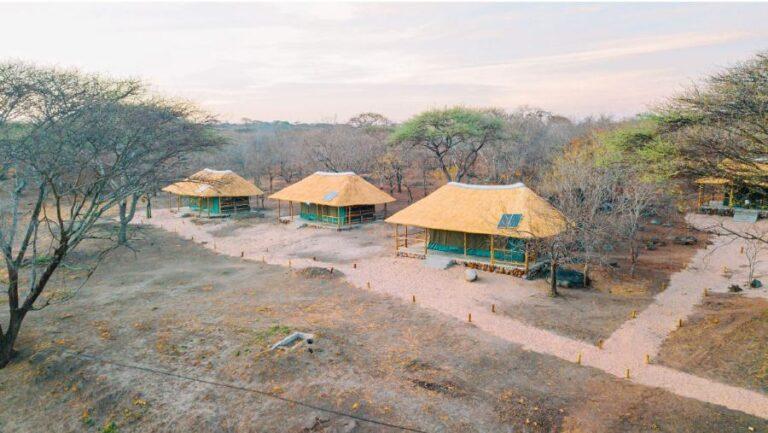
Hunters wishing to hunt in Lunda Nkwambi should land at either Julius Nyerere International Airport in Dar es Salaam or Kilimanjaro International Airport.
Hunters then depart from one of the two airports, using Precision Air, and land in Dodoma. Upon arrival in Dodoma, a final road transfer of around 3 ½ hours will see hunters arrive at the hunting grounds.
There is one last option, namely a chartered flight departing either Julius Nyerere International Airport in Dar es Salaam or Kilimanjaro International Airport, touching down directly in Lunda Nkwambi. This option is obviously more expensive but allows a shorter travel time to the hunting grounds. Hunters planning the wider journey can also explore our African Hunting Trips guide for more information on planning a safari across Africa.
Tanzania Hunting Safari FAQs & Dangerous Game Hunting Questions
Is dangerous game hunting legal in Tanzania?
Yes, dangerous game hunting is legal in Tanzania during the official hunting season, which generally runs annually from 01 July to 31 December. All hunting activities are regulated through the Tanzania Wildlife Management Authority (TAWA) under strict quota and licensing systems designed to support ethical hunting and wildlife conservation.
What dangerous game species can be hunted in Tanzania?
Tanzania is renowned for its dangerous game hunting safaris, with species such as Cape buffalo, lion, leopard, elephant, hippo, and Nile crocodile available in various hunting concessions throughout the country. Remote western Tanzania concessions such as the Lunda Nkwambi GCA are especially respected for their free-range dangerous game hunting opportunities.
Do hunters require permits for Tanzania hunting safaris?
Yes, all hunters require valid hunting permits issued through the Tanzania Wildlife Management Authority (TAWA). Hunting permits are generally structured around 10-day, 16-day, and 21-day safari durations depending on the species being pursued and the type of safari being conducted.
What rifle caliber is required for dangerous game hunting in Tanzania?
Tanzania requires a minimum caliber of .375 for dangerous game hunting safaris involving species such as Cape buffalo, lion, leopard, and elephant. Many professional hunters also recommend larger calibers depending on the species being targeted and the hunting conditions encountered in thick East African bushveld.
What makes Lunda Nkwambi different from other Tanzania hunting concessions?
The Lunda Nkwambi GCA is widely regarded as one of western Tanzania’s premier free-range hunting concessions due to its vast unfenced wilderness, healthy dangerous game populations, diverse East African plains game species, and relatively low hunting pressure. The concession’s Miombo woodlands, river systems, and remote safari atmosphere provide hunters with a traditional East African hunting experience rarely found elsewhere in Africa.
Can hunters pursue East African plains game species in Lunda Nkwambi?
Yes, Lunda Nkwambi supports a wide variety of East African plains game species, including lesser kudu, gerenuk, sable, roan, Livingstone’s eland, Coke’s hartebeest, Lichtenstein’s hartebeest, Chobe bushbuck, and numerous other species associated with western Tanzania’s wilderness ecosystems.
The Last True Wilderness Safaris of Western Tanzania
For hunters seeking a traditional East African safari experience in truly wild and unfenced country, the Lunda Nkwambi hunting concession remains one of western Tanzania’s standout destinations. From tracking old Cape buffalo bulls through Miombo woodland and sandy river systems to pursuing East African plains game species rarely encountered elsewhere on the continent, the concession offers the type of authentic free-range hunting experience many modern safari enthusiasts still dream about.
Combined with healthy dangerous game populations, diverse habitats, experienced professional hunters (PHs), and remote wilderness conditions with relatively low hunting pressure, Lunda Nkwambi continues to deliver challenging and rewarding Tanzania hunting safaris for serious international hunters pursuing a genuine African hunting adventure. Hunters looking beyond Lunda Nkwambi can explore our complete Hunting in Tanzania guide for the country's hunting areas, species and safari planning.
Author
Pierre van Wyk is the co-founder of Game Hunting Safaris and has spent years exploring Africa’s leading hunting destinations and wilderness concessions. Together with Tamlyn van Wyk, he specializes in dangerous game hunting safaris, East African hunting experiences, and authentic free-range African safari adventures across the continent.