
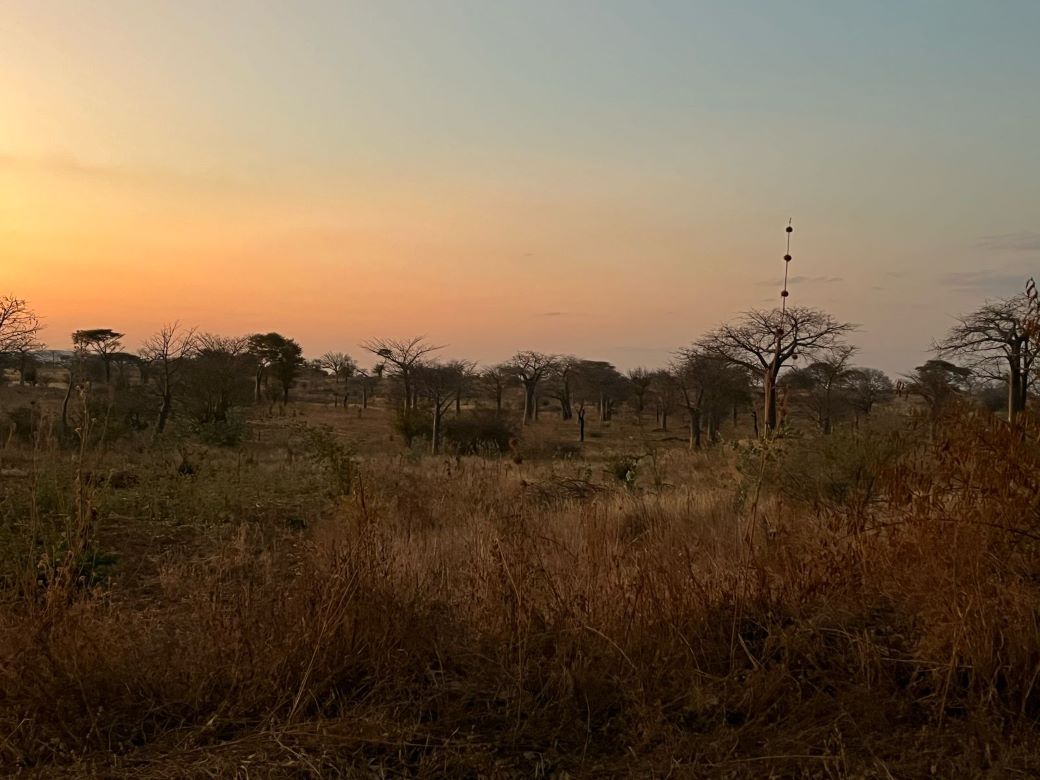
A 21-day Tanzania safari does not feel the same from the start of the safari to the end.
The hunter who arrives in camp on the first day is still learning the Professional Hunter, the trackers, the roads, the country and the way the hunting concession works. Every track feels important. Every sighting feels like it may turn into the opportunity you travelled across the world for. It is easy to judge the safari one day at a time.
By the second week, that usually starts to change.
On a long safari, Hunting in Tanzania quickly becomes less about what happened today and more about what the team is learning for tomorrow. A buffalo track that goes nowhere, a lion bait that remains untouched or several hours spent looking at a different part of the hunting area may still influence what happens next. The hunter begins to understand where animals are moving, which parts of the country matter and why the team sometimes walks away from something that looked promising that morning.
The original plan also changes. An animal may be taken much earlier than expected. Another may consume far more time. Fresh spoor, weather, bait activity or a chance encounter can suddenly move one species ahead of another. Over three weeks, the safari gradually becomes less about following a neat list and more about responding to what the country is giving you.
There is another reality that is easy to underestimate before booking: three weeks is a long time to be away. Add international travel, overnight stops and the transfer into camp, and a 21-day safari can take a serious chunk out of a month. For hunters with businesses, families and responsibilities at home, that becomes part of the experience too.
That is what makes a long Tanzania safari different. It is not simply the same hunting day repeated 21 times. The country becomes more familiar, the relationships in camp deepen, priorities move, expectations change, and by the final week many hunters are looking at the safari differently from the way they did on Day 1.
The First Few Days Are Still About Finding Your Feet
The first few days of a long Tanzania safari are rarely about settling into a routine. They are about learning how the hunt is going to work.
The Professional Hunter may already know the concession well, but the client may not. Roads that seem meaningless on the first morning may later become the quickest way into good buffalo country. A dry riverbed may turn out to be an important crossing. One stretch of miombo may look exactly like another until the trackers begin explaining where animals have been moving and why.
The same applies to the people.
A hunter is learning how the PH makes decisions, how quickly the trackers want to follow fresh spoor, when the team pushes harder and when they back out. The PH is learning the hunter too: how well he walks, how quickly he gets onto the sticks, how he handles long days, and whether he wants to keep pushing when an opportunity begins to disappear.
Early in the safari, it is easy to treat every fresh track as though it must lead somewhere and every sighting as though it should become a stalk. The first few days often teach the hunter that Tanzania does not work that neatly. The early days may also be spent getting bait sites established and checking which ones begin to show activity, particularly when lion or leopard is part of the safari.
A good track can fade into bad ground. A promising area can go quiet. An animal seen once may not be worth spending the rest of the day chasing.
Those early days are still productive because the team is building a picture of the hunt.
Those first days do not begin from a blank sheet either. Much of the scouting, road checking and preparation has already taken place before the hunter arrives in Tanzania, giving the PH and trackers a starting point when the safari begins.
By the time the first week is underway, the hunter usually knows more than he did on arrival: which roads matter, which areas are holding game, how the trackers work, what the PH is looking for and how quickly the country can change.
That knowledge becomes more valuable as the safari goes on.
A Long Safari Stops Being Judged One Day at a Time
On a short hunt, a quiet day can feel expensive. If you only have five or seven hunting days, losing one to bad weather, cold tracks or an area that suddenly goes quiet can make it feel as though the safari is slipping away. On a 21-day Tanzania hunt, the same day is usually viewed differently because there is more time for the country to change, for fresh sign to appear and for the hunting team to adjust the plan.
That does not mean a hunter stops wanting progress. It simply means progress is not always measured by an animal on the ground. A full morning following buffalo spoor may end when the wind turns before the herd is ever seen. A leopard bait may show nothing for several nights and then suddenly become active. Lion sign may appear in one part of the concession after the team has spent days concentrating somewhere else, while elephant tracks that looked promising at daylight may lead into terrain where the PH decides there is no sensible way to continue.
Those days are not necessarily wasted. They tell the PH and trackers where animals have been moving, which parts of the concession deserve another look and where time may be better spent the following morning. Hunters start seeing that a long Tanzania safari is built from dozens of small decisions, not from one uninterrupted run of stalks and shots.
That can take a little getting used to. Most hunters arrive with expectations, and many have waited years for the safari and travelled a long way to be there. When a day finishes without a shot, it is natural to wonder whether enough happened.
By the second week, that usually begins to change. A quiet day becomes part of a much bigger picture, and the important question is no longer simply whether something was taken, but whether the team learned enough to make tomorrow better.
That change in perspective is one of the things that separates a long Tanzania safari from a much shorter African hunt.
The Plan You Arrive With Rarely Survives Unchanged
Most hunters arrive in Tanzania with a clear idea of what they want to achieve. There may be one main animal at the top of the list, several secondary species underneath it, and a rough picture in their mind of how the three weeks will play out.
The bush usually has other ideas.
A buffalo may be taken much earlier than expected, which suddenly frees several days for another priority. A leopard bait that looked promising may go cold and force the team to shift attention elsewhere. Fresh lion sign can appear in another part of the concession, while elephant movement may pull the hunt in a different direction.
The important part is not that the original plan was wrong. It is that a long Tanzania safari gives the team enough time to respond when conditions change.
That flexibility can be difficult for hunters who like everything organised in advance. It is natural to want a clear sequence: buffalo first, then lion, then leopard, then whatever else fits around them. The order often becomes less tidy once the safari begins. Tracks, weather, bait activity, animal movement and simple opportunity can all move one species ahead of another.
Sometimes the best decision is to leave the original plan alone for a day or two and follow what the country is offering. At other times, the team may deliberately ignore an unexpected opportunity because another animal still deserves most of the remaining time.
By the second week, many hunters stop asking whether the safari is following the original plan and start asking a better question: what gives us the best use of the time we have left?
A long Tanzania safari becomes less about ticking boxes and more about making good decisions as the hunt develops.
Field Note — Pierre van Tonder, Big Game Safaris Tanzania
Pierre van Tonder confirms that on longer Tanzania safaris, the first few days are often about learning the area, reading current animal movement and adjusting priorities as the hunt develops. Over two or three weeks, the plan can change substantially depending on fresh sign, bait activity, weather and what the concession is producing at the time.
Some Days End Without a Shot
An easy mistake on a long safari is to judge a day by whether anything was taken.
In Tanzania, some of the most productive days can finish with an empty skinning shed. Fresh sign may pull the team into a different part of the concession, reveal where game has been moving, or show that an area which looked quiet the day before is worth another look. That is especially true on a Big Game Hunting in Tanzania safari, where major species may be competing for the same limited hunting time. None of that produces a trophy that evening, but it can completely change the plan for the next morning.
The same applies to decisions not to shoot. A bull may be old enough but offer a poor angle. An animal may be seen too late in the day to make a sensible follow-up possible. The PH may decide that the terrain ahead is wrong for continuing, or that pushing harder will only disturb the area and make tomorrow more difficult.
Those decisions can be frustrating in the moment, especially when the hunter has travelled a long way and wants to make every day count. But over three weeks, patience starts to make more sense. The team is not only hunting the animal in front of them; they are also protecting the next opportunity.
A long safari gives the hunter time to see how much of African hunting happens between the obvious moments. Tracks are followed and abandoned. Areas are checked and left alone. Animals are watched and passed. Plans are changed before breakfast and changed again before dark.
By the second week, a day without a shot no longer automatically feels like a day lost. Sometimes it is the day that puts the team in the right place tomorrow.
By the Second Week, the Country Starts Making Sense
During the first few days, a large Tanzania hunting concession can feel almost impossible to read. Roads branch into roads, dry riverbeds look alike, and after a while even the tree blazes can start to look the same. The PH and trackers may already know exactly where they are going, while the hunter is still trying to work out how all the pieces fit together.
By the second week, that begins to change.
Certain roads start to mean something. A bend in the track may lead toward good buffalo country. A stretch of higher ground may be the place where the team stops to glass. A river crossing, water point or burnt area that seemed insignificant on the first day may become part of the mental map the hunter is building of the concession.
The same applies to animal movement. After several days in the field, hunters start to understand why the team checks one area early, leaves another alone in the heat, or returns to a place that looked empty two days before. Country that once seemed random begins to show patterns.
That familiarity changes the safari in a subtle way. Hunters are no longer simply being driven through unfamiliar country. They begin to recognise where they are, what lies beyond the next ridge or river system, and why the hunting team is making certain decisions.
On a long Tanzania safari, that growing understanding becomes part of the experience. By the second week, the concession starts to feel less like a huge piece of Africa and more like a hunting area the hunter has begun to know.
Three Weeks With the Same People Is a Long Time
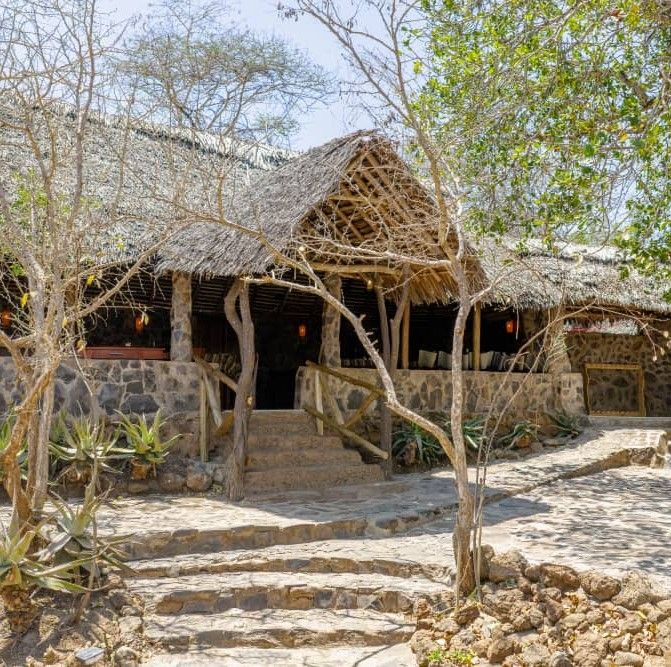
A long Tanzania safari is not only about the country and the animals. It is also about the people you spend three weeks with.
On a shorter hunt, small differences in personality may barely register. Over 21 days, they can matter much more. A hunter may spend most waking hours with the same PH, trackers and camp team, often in remote country with little separation between the hunt and camp life. When everyone gets along, that can become one of the best parts of the safari.
It can also work the other way.
A PH who communicates well, knows when to push and when to give the hunter some space can make a long safari feel easy. If personalities clash, small frustrations can grow simply because there is nowhere else to go. The human side of a long safari matters more than many hunters realise before they arrive.
Larger operations can sometimes change that dynamic. There may be more PHs, hunters and staff around camp, and therefore a little more social variety at the end of the day. Smaller camps often offer the opposite: more privacy, more personal attention and a much tighter group.
Neither is better.
What matters is that over three weeks, the people around you become part of the safari itself. By the second or third week, the PH is no longer simply the person guiding the hunt, and the trackers and camp staff are no longer just names learned on the first evening. They become part of the experience you will remember long after the hunting is over.
Twenty-One Hunting Days Means Nearly a Month Away
A 21-day safari sounds simple when it is written on a hunt package. Three weeks in Tanzania, then home.
The time away can be considerably longer.
For hunters travelling from the United States, there may be a long international journey before they even reach Tanzania, followed by an overnight stop and then a charter flight or road transfer into camp. The same travel must happen in reverse at the end of the safari. Once all the days are added together, a 21-day hunt can take up a large part of a month.
Some Tanzania operators offer even longer hunts, with certain packages running 28 days and 29 nights. Add the travel on either side and the total time away becomes a serious commitment.
That matters because not every hunter is retired or able to disappear completely for several weeks. Many still run businesses, manage staff, have families at home and need to stay in touch with what is happening outside the hunting concession.
Modern satellite communications have made that easier. Where reliable internet or satellite connectivity is available, hunters may be able to speak to family, answer an important message or check that the business is still running after the hunting day is finished. Not every remote Tanzania camp suddenly operates like an office, but it can make a long safari far easier to manage.
For international hunters, the real question is not simply whether they can hunt for 21 days. It is whether they can be away from home for close to a month.
That is worth thinking about before the safari is booked, not halfway through it.
By the Final Week, the Safari Feels Different
By the time the final few days arrive, hunters usually know the camp, the people and the concession far better than they did on the first morning. Roads that once looked identical now lead somewhere familiar. The trackers are no longer strangers, and the PH no longer needs to explain every decision in quite the same way.
The priorities may have changed as well. Some animals may already be in the salt. Others may still be taking more time than expected. A species that seemed important before the safari started may matter less now, while an opportunity that was never part of the original plan may suddenly become worth pursuing.
That change is not only about what is left on the list.
After two or three weeks in the field, hunters start to notice different things. A good stalk that does not end in a shot can still feel worthwhile. Watching an old animal and deciding to leave it alone may matter more than it would have on Day 2. The trackers, the camp staff, the country and the small routines of the safari begin to carry more weight.
There is also a different feeling when the end gets close. Suddenly there are only a handful of mornings left. Decisions become sharper because there is less time to recover from a wasted day, but at the same time the hunter often understands the safari well enough to know which opportunities are worth pushing and which are not.
By then, the hunt is no longer just the plan that was made before leaving home. It has become the country, the people, the animals taken and passed, the days that went wrong and the ones that came together.
That is usually when a long Tanzania safari starts to feel less like a three-week booking and more like a complete hunting experience.
Frequently Asked Questions
Can a 21-Day Tanzania Safari Be Hunted in Less Than 21 Days?
Yes, a hunter may book a safari built around a 21-day licence structure but spend fewer hunting days in the field, depending on the species being hunted, the package, the hunting area and how the outfitter has structured the safari.
The important point is that cutting the hunting time also removes some of the margin that makes a long Tanzania safari work. Weather, animal movement, bait activity and slow starts do not adjust themselves to a shorter schedule. A 16-day hunt may be perfectly realistic for one hunter and unnecessarily tight for another.
Is a 21-Day Tanzania Safari Too Long for a Non-Hunting Companion?
Not necessarily, but it depends heavily on the person.
Some companions enjoy camp life, joining parts of the hunt, spending time with the safari team and seeing a part of Africa they would never experience on a conventional holiday. Others may find three weeks in a remote hunting camp too long, especially if they have little interest in hunting and limited activities outside camp. The question is less about whether 21 days is objectively too long and more about whether the camp, daily routine and level of involvement suit the person travelling with you.
Do You Stay in the Same Tanzania Hunting Camp for the Entire Safari?
Not always.
Some long Tanzania safaris are conducted from one main camp for the duration of the hunt. Others may involve moving between camps or hunting areas, particularly when different species, habitats or concessions are part of the safari plan. Hunters should confirm that structure before booking. Moving camps can open different hunting opportunities, but it also changes the daily routine and can consume time that would otherwise be spent hunting.
Can You Hunt the Big Five on a 21-Day Tanzania Safari?
A long Tanzania safari may give a hunter the opportunity to pursue several dangerous-game species, but 21 days should not be confused with an automatic Big Five Hunting package.
What can be hunted depends on the current licence structure, quota, hunting area, species availability and the specific safari being booked. A long safari creates time and flexibility, but it does not override those limits.
Is 21 Days Too Long for a First Tanzania Safari?
Not necessarily.
For a hunter travelling mainly for one or two animals, a shorter safari may be perfectly adequate. For someone with several priority species, a more complicated dangerous-game programme or a strong desire to experience the traditional long Tanzania safari, the extra time can be valuable. Longer is not automatically better. The right safari length depends on what you want to hunt, where you are hunting and how much flexibility you want when the original plan changes.
By the End, It Is a Different Safari
A 21-day Tanzania safari changes because the hunter changes with it. The country becomes more familiar, the team becomes part of the experience, priorities shift, and days that once felt unproductive begin to make more sense in the larger picture of the hunt.
Comparing Hunting Trips in Africa only by species lists or number of days can miss the point. On a long Tanzania safari, time changes how the hunt is experienced. It gives the hunter room to learn the country, adapt when plans change and understand why some of the most important decisions never end with a shot.
By the final few days, the safari often bears little resemblance to the neat plan made before leaving home. That is not because the plan failed. It is because three weeks in Tanzania has a way of turning a hunting itinerary into a much fuller experience.
About the Author
Pierre van Wyk is co-founder of Game Hunting Safaris and has made numerous trips to Tanzania and other parts of Africa. His writing is shaped by first-hand experience of long safaris, remote hunting camps and the practical realities hunters face once the trip moves beyond the itinerary and into the field.