
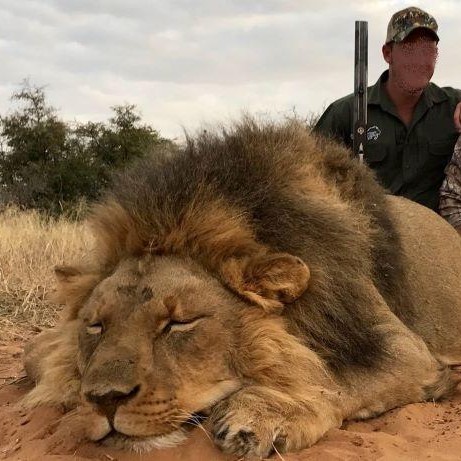
Ask a hunter considering a wild lion safari what he really means when he asks about success rate, and the question is usually straightforward: What are my realistic chances of taking a trophy lion? It is a fair question. A lion hunt represents a serious investment in time and money, and few hunters want to book one without some idea of what the odds look like.
The problem is that a success rate can sound far more precise than it really is. An outfitter may tell you his lion hunts run at 70, 80 or even 90 percent success, but the percentage on its own tells you little. Was that four successful hunts out of five, or forty out of fifty? Was it achieved in one concession or spread across several areas? Does it reflect the last season, the last five years, or the best period the operator has had? Were younger or unsuitable males passed, and how long were those hunters in the field?
That is where the number starts to become useful. A lion-hunting success rate is not meaningless, but it needs context before it tells a hunter anything about his own safari. The exact hunting area, recent mature-male activity, hunt length, preparation, the professional hunter involved and the standards used before a lion is considered shootable can all change what the same percentage means in practice.
The useful number is not the success rate. It is the story behind the success rate.
A Lion Hunting Success Rate Needs a Denominator
A percentage without a sample size can be impressive and almost useless at the same time. If an outfitter says he achieved an 80 percent lion-hunting success rate, the first question should be simple: 80 percent of how many hunts? Four successful safaris out of five and forty successful safaris out of fifty produce the same percentage, but they do not carry the same weight.
Small numbers can swing quickly. One unsuccessful hunt in a five-hunt season changes an operation from 100 percent success to 80 percent. Two unsuccessful hunts take it to 60 percent. Over fifty hunts, individual outcomes still matter, but the percentage becomes more stable and begins to tell you more about how consistently that operation or hunting area has produced opportunities over time.
There is another trap in the percentage itself. A historical success rate is not the same thing as the probability that the next hunter will take a lion. An operation that has taken lions on eight of its last ten hunts cannot reasonably tell the eleventh hunter that he personally has an 80 percent chance of success.
Each safari begins with different conditions, a different hunting area, different lion movement and a different hunter behind the rifle. The historical number describes what happened before. It does not predict an individual hunt with mathematical certainty.
The denominator should also tell you what the outfitter is counting. Is every booked lion safari included? Are hunts where a suitable lion was seen but deliberately passed still counted as unsuccessful? What about a hunter who wounded a lion, lost hunting days through illness, or arrived after poor preparation? A clean percentage can hide several different stories.
That does not make the number dishonest. It simply means the hunter needs to know what sits underneath it before treating it as evidence. “Eight out of ten lion hunts over the last two seasons in this concession” tells you far more than “we have an 80 percent success rate.”
Success on What, and Over What Period?
A lion-hunting success rate is more useful once you know the sample size, but the next question is important: what period does that percentage cover?
An outfitter quoting 80 percent success may be referring to the previous season, the last three years, or the strongest run the area has had in a decade. Those are not the same thing. Lion hunting can change noticeably from one period to another as quotas, rainfall, prey movement, hunting pressure and the availability of mature males change.
The time window can also be chosen in ways that flatter the number. One exceptional season may produce a very attractive percentage, while a longer three- or five-year record may show something more uneven. On the other hand, a ten-year average can hide the fact that an area has improved substantially in the last two seasons. Neither the shortest nor the longest period is automatically the most useful. What matters is seeing enough recent history to understand how the area is performing now.
Recent performance matters more to the hunter than an impressive historical average. A concession that produced well five or ten years ago may not be performing the same way today. The reverse can also be true. An area that had a difficult season may improve quickly if males move in, hunting pressure changes or conditions become more favourable.
Ask the operator what they mean by success. Does success mean a lion was taken? Does it mean a lion was found and an opportunity was created? Does it include hunts where the PH deliberately passed a lion because he did not meet the required standard? Two outfitters can quote the same percentage while measuring different things.
A useful success-rate conversation should always include two dates and one definition: when were these hunts conducted, and what exactly counted as a successful lion hunt?
The Exact Hunting Area Matters More Than the Outfitter’s Overall Percentage
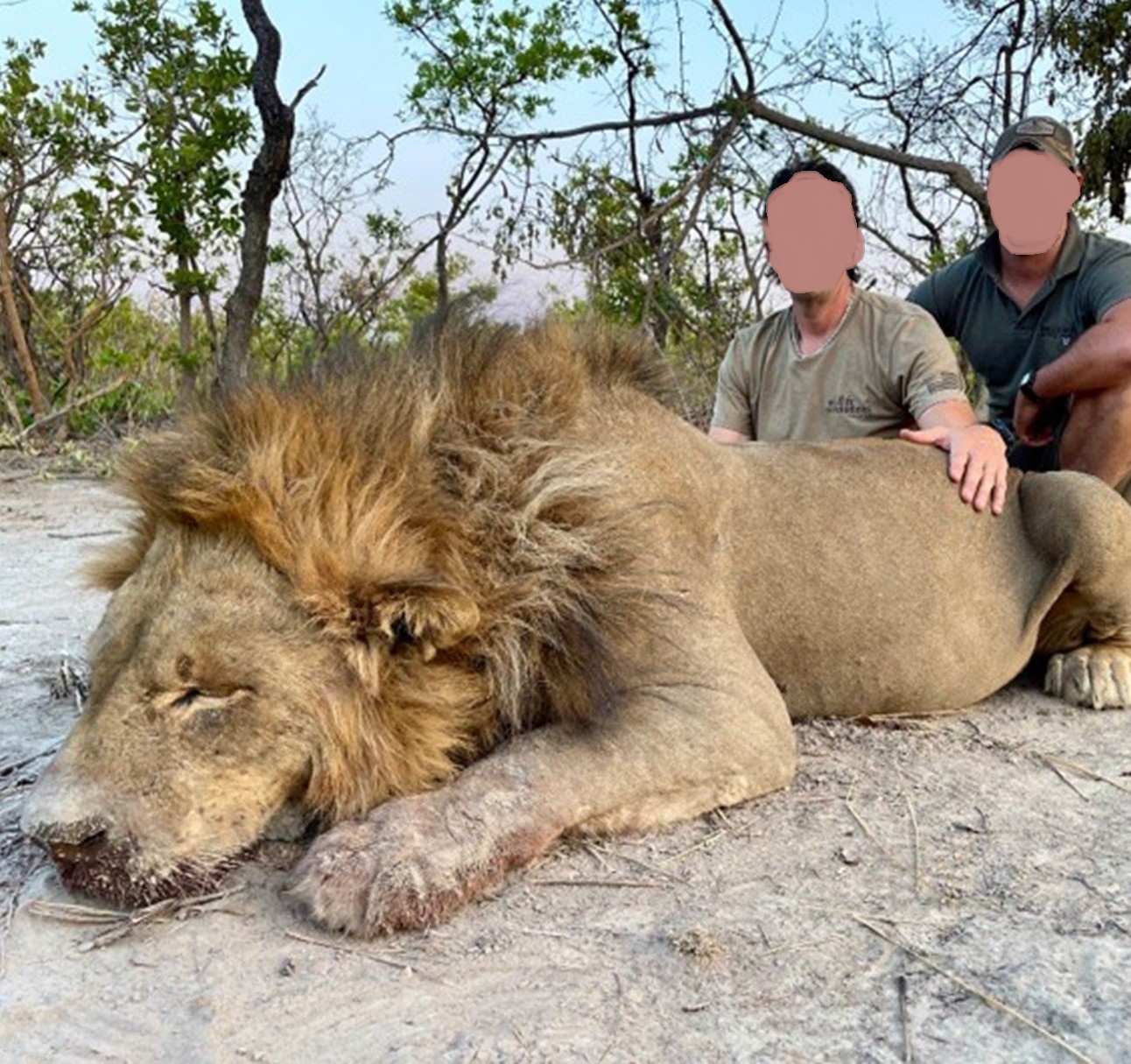
An outfitter may hunt lions in several concessions, and that is where an overall success rate can become misleading. An operation might quote 80 percent across all its lion safaris, but that number can combine different hunting areas, different quotas, different levels of hunting pressure and different recent lion activity.
The more useful question is much narrower: how has the exact area I am booking performed recently? A strong company-wide record does not automatically mean every concession is producing at the same level. One area may have had several mature males moving through consistently, while another may have struggled to produce the same quality of opportunity during the same period.
This is why recent concession-specific information matters more than a broad operator average. Ask how many lion hunts were conducted in that exact area, how many mature males were taken, how many suitable lions were passed, and whether the same professional hunter who will guide you was involved in
those hunts. Those answers begin to tell you something about the hunt you are buying, rather than the operator’s overall record. A famous concession name can also create false confidence. Areas change. Lion movement changes. Hunting pressure changes. What mattered five years ago was what that concession was producing then. What matters to the hunter booking today is what it is producing now.
The name above the camp gate matters less than the current lion situation inside it.
A Lower Success Rate Does Not Automatically Mean Worse Lion Hunting
A lower lion-hunting success rate does not automatically mean the hunting is poorer. In some areas, it may reflect a more selective approach to which males are considered suitable to take. A Professional Hunter may spend days building an opportunity, finally find a lion, and still decide not to shoot because the male does not meet the required standard.
That judgement is one of the reasons we wrote about what a Professional Hunter sees before calling a lion shootable. Finding a lion and deciding that he is the right lion are not the same thing. Age, physical condition, local rules, previous knowledge of the animal and the PH’s confidence in what he is looking at can all influence the decision.
That matters when comparing operators. One outfitter may accept a broader range of legal lions, while another may pass younger or less suitable males and wait for a better animal. On paper, the more selective operation can finish the season with a lower success rate even though the quality of the decision-making may have been higher.
Long-term lion-management work in Niassa provides a useful example. For hunters considering lion hunting in Mozambique, it also shows why a success rate needs to be read alongside the standards used to select mature males. When stricter age-based selection was introduced, harvest success initially fell before later stabilising as Professional Hunters became better at judging suitable males. The important lesson for a hunter is not the exact percentage. It is that greater selectivity can reduce short-term success without making the hunting worse.
Ask what actually happened on the unsuccessful hunts. Were no lions found? Were mature males simply not available? Were lions found and deliberately passed? Those are different reasons for the same result on a spreadsheet.
A hunter comparing lion safaris should therefore be careful with a very high success rate as well as a low one. The useful question is not simply “How often do you get a lion?” It is also “What kind of lion are you prepared to walk away from?”
Hunt Length Changes the Meaning of the Percentage
A success rate means something different on a ten-day lion hunt than it does on a safari built around a longer hunting period. The percentage may look identical on paper, but the amount of time available to find, evaluate and pursue a suitable lion changes the opportunity considerably.
Hunt length should be part of the conversation when comparing African hunting trips. Ask how many hunting days were included in the hunts behind the quoted success rate. Were those hunters in the field for ten days, fourteen days or three weeks? Were travel days included in the advertised duration? A percentage without that context can make two different lion safaris look more comparable than they really are.
Longer does not automatically mean better. A well-prepared hunt in an area with strong recent mature-male activity may create an opportunity relatively quickly, while a longer hunt in a weaker area may still struggle. Extra hunting days do give the team more room to deal with weather, lions moving off bait, missed opportunities, changing spoor and the simple unpredictability that comes with hunting a wild animal.
There is also a real difference between having enough days to take a lion and having enough days to remain selective. A hunter who reaches the final few days of a safari without seeing the right male may feel different pressure from one who still has another week available. That pressure does not change the standard a Professional Hunter should apply, but it can change the decisions surrounding the hunt.
So when an outfitter quotes a success rate, ask one more question: how many real hunting days produced that percentage? A number built on longer safaris should not be compared casually with one built on shorter hunts.
Pre-Baiting Can Change the Starting Point of the Hunt
Pre-baiting can influence a lion hunt before the hunter even departs the United States. If baits have been established and monitored properly in advance, the hunting team may already know which areas are receiving lion activity, whether mature males are using baits, and where to concentrate its effort once the safari begins.
That can affect a success rate because two hunters may arrive under different circumstances. One may begin with active baits and recent information on a mature male. Another may spend the first several days establishing baits, checking sign and waiting for lion activity to develop. Both may be booked on hunts of the same advertised length, but they are not starting from the same position.
Pre-baiting is not a guarantee. Lions can change their movements, leave a bait, be displaced by other lions or simply stop cooperating. But good preparation can reduce the amount of time spent starting from zero and give the team better information earlier in the safari.
That is why a hunter should ask whether pre-baiting is included, how long it is normally done before arrival, and whether the quoted success rate reflects hunts that began with that preparation already in place.
For hunters who want the deeper field side of how this works, our article on How Lion Baits Are Established and Monitored in Tanzania explains the process in more detail.
Not Seeing the Right Lion Is Different From Not Having Lions
A lion hunt can fail to produce the right animal even when the area holds lions. That distinction matters, because a hunter looking only at the final result may assume an unsuccessful safari means the concession has poor lion numbers. Sometimes it does. Sometimes the problem is simply that the male the team is looking for never presents a suitable opportunity.
Lions may be heard at night, picked up on trail cameras, found on spoor or photographed on bait without ever becoming a shootable animal during the hunt. A younger male may dominate one bait. A mature male may visit irregularly, arrive after shooting light or move out of the area before the team can act. The hunting team can have good evidence that lions are present and still finish without taking one.
For the hunter, lion presence and lion opportunity are not the same thing. A concession with plenty of lion activity can still produce a difficult hunt if males are moving unpredictably, if several lions need to be passed, or if the right animal never settles into a pattern the team can use.
When discussing an unsuccessful hunt, ask what the team saw. Were there no lions in the area, or were there lions that did not become a suitable hunting opportunity? Those are very different conclusions, and they should not be treated as the same failure.
Some Success Rates Are Presented to Sell Hunts
Success rates are useful marketing numbers, which is exactly why hunters should look at them carefully. A clean percentage is easy to remember, easy to repeat, and easy to put into a brochure or sales conversation. The problem begins when the number is presented without enough information for the hunter to verify what it really represents.
Sometimes the missing detail is the hunting area. Sometimes it is the number of hunts behind the percentage. Sometimes unsuccessful safaris are mentioned only briefly, while successful hunts become the stories everyone hears. None of that automatically means an outfitter is being dishonest, but it does mean the hunter should separate a sales claim from a verifiable hunting record.
A strong answer should survive a few simple follow-up questions. Which concession produced the result? Over what period? How many hunts were involved? How many mature males were taken? Were any suitable lions deliberately passed? Were there unsuccessful hunters during the same period, and what happened on those hunts?
References are important. A percentage tells you what the outfitter says happened. Recent hunters can help tell you what the hunt felt like. They can explain whether lion activity matched what they had been told, how the PH handled difficult decisions, whether the area looked productive, and what happened when things did not go according to plan.
The most useful references are not always the hunters who went home with a lion. An unsuccessful client can sometimes tell you more about an operation than a successful one, because he can explain how the team behaved when the easy outcome never arrived.
A success rate should therefore be treated as the beginning of due diligence, not the end of it. If the number is solid, the evidence behind it should be solid too.
Ask for Recent Lion-Hunting References
Recent references are one of the simplest ways to test whether a success-rate claim reflects what is happening in the field now. Ideally, speak to hunters who were in the same concession, during the last one or two seasons, and where possible with the same Professional Hunter who will guide your safari.
Do not ask only whether they got a lion. Ask what they experienced. How much lion activity did they see? Were suitable males present? Were any lions passed? Did the hunt match what had been described before booking? Those answers will tell you far more than a trophy photograph.
If possible, speak to both successful and unsuccessful clients. A successful hunter can tell you how the opportunity came together. An unsuccessful hunter can tell you how the team operated when it did not.
The best reference is not the one with the biggest lion. It is the one that helps you understand what your own hunt is likely to look like.
What Game Hunting Safaris Looks At Before Recommending a Lion Hunt
When Game Hunting Safaris looks at a lion hunt, the success percentage is only one part of the picture. We want to know which concession is involved, how that exact area has been performing recently, whether mature males are being seen and hunted, who the Professional Hunter will be, how the hunt is structured, and what preparation has already been done before the client arrives.
We also speak directly with outfitters and stay in contact with previous clients. That matters because a trophy photograph or a quoted success rate only shows part of the story. A past client can tell us whether the hunt matched what had been promised, how the PH handled difficult decisions, whether the camp and logistics were properly run, and what happened when the hunt became difficult.
We also draw on first-hand time in the field. During a recent visit to Tanzania’s Lunda Nkwambi concession, we spent time with Giles from Shaw & Hunter discussing lion hunting in Tanzania, including success rates, the difficulty of consistently producing the right mature male, and the practical effect of Tanzania’s hunting-hour restrictions. The amount of lion activity around camp was impossible to miss: lions were regularly heard calling at night, and fresh large-cat spoor was found around the river systems in the mornings. Our Lunda Nkwambi expedition documents that visit in more detail.
Current information matters more than old reputation. A famous area can have a quiet season. A less fashionable concession can suddenly be producing very well. That is why we prefer recent, concession-specific information over broad claims about what an operator or country has done historically.
No one can guarantee a wild lion. What we can do is look at the evidence behind the hunt and ask whether the opportunity being offered today is supported by recent results, current lion activity, experienced people on the ground and feedback from hunters who have already been there.
The Questions to Ask When Someone Quotes You a Lion Success Rate
When an outfitter quotes a lion-hunting success rate, the percentage should start the conversation rather than end it. A few direct questions can tell you whether the number applies to the hunt you are considering.
Ask:
- How many lion hunts is that percentage based on?
- Over what period were those hunts conducted?
- Does the figure apply to this exact concession or to the operation as a whole?
- How many mature males were taken, and were any lions deliberately passed?
- How many actual hunting days were included in those safaris?
- Was pre-baiting carried out before the hunters arrived?
- Can I speak to recent clients who hunted this same area, including someone who was unsuccessful?
None of those questions is unreasonable. A good outfitter will be comfortable explaining the number rather than simply repeating it.
Frequently Asked Questions About Lion Hunting Success Rates
What Is a Good Success Rate for a Lion Hunt?
There is no universal percentage that automatically means a lion hunt is good. A higher figure can look attractive, but without knowing the sample size, exact concession, hunt length, recent performance and standards used to select males, the number has limited value. A lower success rate can sometimes reflect greater selectivity rather than poorer hunting.
Can an Outfitter Guarantee a Wild Lion Hunt?
No reputable outfitter can guarantee the outcome of a genuinely wild lion hunt. Preparation, recent lion activity and a strong hunting area can improve the opportunity, but weather, lion movement, hunt length and the availability of a suitable mature male remain outside anyone’s complete control.
Does a High Lion Success Rate Mean the Area Has More Lions?
Not necessarily. A high success rate can reflect many things, including hunt length, preparation, the
number of hunts conducted, the quality of the concession and how success is defined. Lion numbers matter, but lion presence and a realistic opportunity to take the right male are not the same thing.
Should I Ask for Lion-Hunting References Before Booking?
Yes. Recent references from hunters who hunted the same concession, ideally with the same Professional Hunter, can provide valuable context. Speak to successful clients if possible, but do not overlook unsuccessful hunters. Their experience can tell you a great deal about how the team operated when the hunt became difficult.
Does Pre-Baiting Improve the Chances of a Successful Lion Hunt?
Pre-baiting can improve the starting position of a hunt by providing recent information on lion activity before the hunter arrives. It does not guarantee success, but it can reduce the amount of time spent establishing baits and waiting for useful activity to develop.
The Percentage Should Start the Conversation, Not End It
You are not trying to eliminate uncertainty. Wild lion hunting will always contain uncertainty. You are trying to understand what the percentage is really built on before committing substantial time and money to the hunt.
The exact concession, recent mature-male activity, hunt length, preparation, Professional Hunter, selection standards and recent client experience matter far more than a percentage standing on its own.
Before booking a lion hunt, ask for the number, then ask for the evidence behind it.
Authors: Pierre van Wyk & Tamlyn van Wyk
Pierre and Tamlyn van Wyk are the founders of Game Hunting Safaris. Their work involves evaluating hunting areas and outfitters across Africa, staying in direct contact with Professional Hunters and clients, and helping international hunters make better-informed safari decisions. Tamlyn is also a qualified Professional Hunter.