
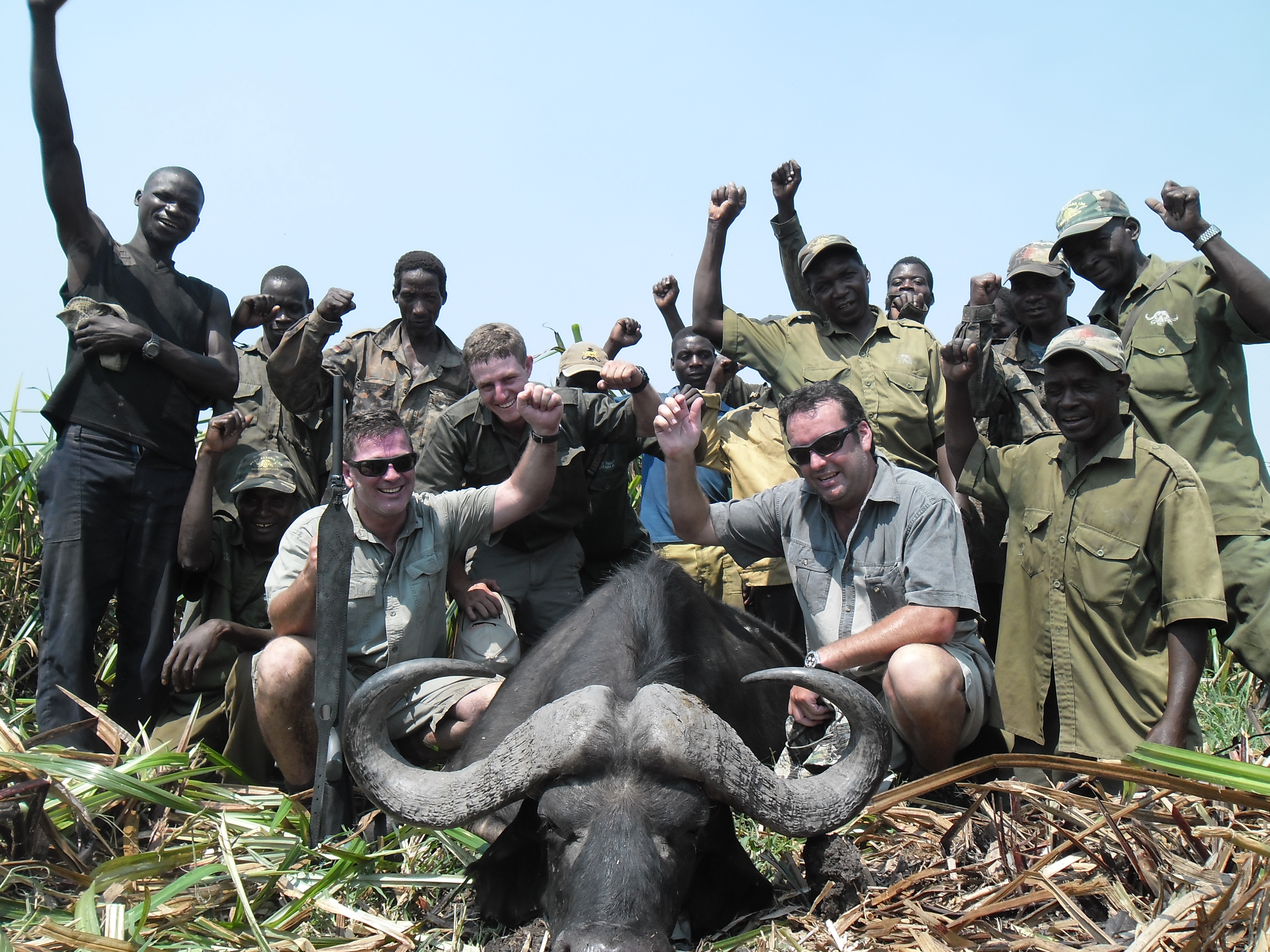
Some buffalo hunts begin with a plan. In Mozambique, the country has a habit of changing it.
Fresh tracks may lead away from where the buffalo were expected to be. Water can alter the route into hunting country, the wind can turn at the wrong moment, and a herd followed for hours can disappear into cover before a suitable bull is ever seen. Hunters quickly learn that nothing is guaranteed.
That uncertainty is part of what makes Buffalo Hunting in Mozambique so appealing. Across some of the country's wilderness areas, Cape buffalo still move through landscapes where distance, weather and terrain influence every day in the field. Finding buffalo is one thing, but getting close to the right bull is something entirely different.
Mozambique does not always offer the easiest buffalo safari in Africa, and that may be precisely the point. The country still has places where the hunt cannot be arranged around the hunter. You follow the tracks, make decisions as the day unfolds and accept that sometimes the buffalo simply win.
Perhaps that is why hunting here can feel wild again.
The Buffalo Still Set the Rules
Finding buffalo is only the beginning. In Mozambique's more remote hunting concessions, the real work often starts when fresh tracks are found, and the hunting team leaves the vehicle behind. The buffalo will then begin to dictate the day. Tracks may lead through thick cover, across open country or into places where following becomes slow and difficult. The wind can force a wide detour, while a sudden change in direction can erase hours of careful progress. Sometimes the herd is close. Sometimes it only seems that way.
Tracking Cape buffalo on foot requires patience and stamina. There is no value in rushing, particularly when visibility is limited and several animals may be moving together. Trackers and the Professional Hunter must constantly read what is happening ahead, while the hunter stays ready for an opportunity that may appear with little warning.
Even catching up does not mean the hunt is over. The right bull still needs to be identified, and there may be no safe or ethical shot. An old bull can disappear behind the herd, move into heavy cover or simply walk away before everything comes together.
That is part of the appeal of Cape Buffalo Hunts in wild country. Hunters may arrive with a carefully planned safari and agenda, but once fresh tracks are found, the buffalo still set the rules.
Distance Changes a Safari
Remoteness is not something that simply surrounds a Mozambique buffalo safari. It becomes part of the hunt itself.
Some concessions cover enormous areas, and reaching productive buffalo country can take time. The hunting truck may carry you deep into the bush, but eventually the road ends, the tracks turn away or the terrain makes driving any farther impossible. From there, the hunt continues on foot.
Leaving camp in the morning can mean committing to a long day in the field, following spoor without knowing where it will lead or how far the buffalo have travelled. Some days you catch up quickly. On others, the tracks keep pulling you deeper into the wilderness, and turning back simply because the hunt is taking longer than expected is not why you came to Mozambique.
It also creates a sense of isolation that is increasingly difficult to find. There are places where hours can pass without seeing another vehicle or anyone outside the hunting team. The focus narrows to tracks in the sand, the direction of the wind and whatever may be waiting in the country ahead.
Then there are the tsetse flies. In parts of Mozambique's buffalo country, hunters quickly become familiar with the old saying: find the tsetse, find the buffalo. Whether or not it proves true on a particular day, spending hours following tracks while constantly swatting flies away certainly adds its own reminder that you are a long way from anywhere comfortable.
It may not be the part of the safari anyone puts in the brochure, but years later, hunters often remember these small details. The heat, the dust, the flies and the miles walked behind a good tracker all become part of the story. Mozambique does not try particularly hard to make you comfortable, and perhaps that is another reason hunting there can still feel genuinely wild.
Hunters considering Hunting in Mozambique are drawn to exactly this sense of remoteness. Distance removes much of the convenience and predictability, leaving the wilderness to determine how the day unfolds.
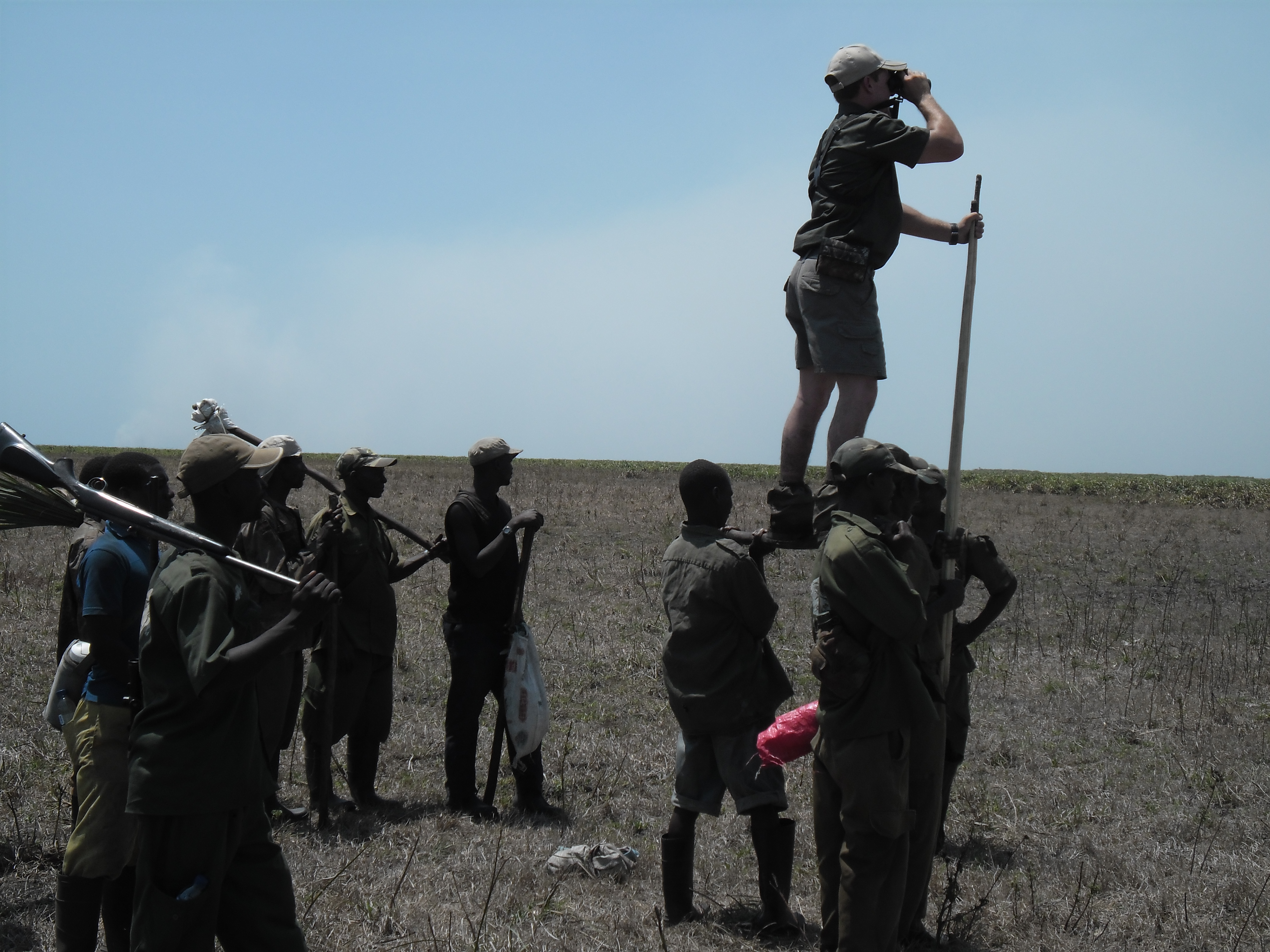
You Are Not Alone Out There
Part of what makes Mozambique feel genuinely wild is knowing that buffalo are not the only dangerous game moving through the country around you.
Depending on the hunting area, elephant may have crossed the same track during the night. Lion spoor can appear on a road travelled that morning, while leopard remain somewhere in the surrounding bush, rarely seen but very much part of the landscape. The buffalo being followed are living within a much larger wilderness, alongside predators and other dangerous game that move freely through the same country.
That changes the atmosphere of a hunt. Walking behind buffalo tracks is one thing. Doing it while knowing an elephant could be feeding somewhere ahead or finding fresh lion tracks crossing the spoor you are following, is something entirely different.
There are still parts of Mozambique where the boundaries of the hunting concession are almost irrelevant to the animals themselves. Wildlife moves across vast areas according to water, food and seasonal conditions rather than according to where a hunter would like it to be.
Perhaps this is another reason Mozambique can remind hunters of an earlier era of African safari. You are not simply entering an area to find one particular animal.
You are stepping into a wild system where you never know exactly what might be around the next bend.
A Hunt That Still Feels Like Africa of Old
There is something about walking behind buffalo tracks in Mozambique that can remind hunters of the Africa they grew up reading about. Vast hunting areas, long days on foot and the possibility of getting close to buffalo in thick country still create a natural home for the traditional dangerous-game rifle.
This is country where a well-balanced double rifle does not feel like something carried simply for nostalgia. In the right terrain, where encounters can unfold at close range and visibility may be measured in yards rather than hundreds of yards, the quick second shot and instinctive handling that made doubles famous still have a place.
Not every hunter will arrive in Mozambique carrying a double, nor do they need to. Modern bolt-action rifles remain proven tools for buffalo hunting. But there is something undeniably fitting about following an old dagga boy through wild African country with a classic big-bore rifle in your hands.
Perhaps that is part of what it means when hunters say Mozambique still feels wild. The equipment has improved and the safari industry has changed, but in some corners of the country, the fundamentals of the hunt would still be familiar to buffalo hunters from generations ago.
When the Plan Falls Apart
A good plan matters in buffalo country, but so does knowing when to abandon it.
The tracks you hoped to find may never appear. Buffalo that were feeding in one area the previous evening may have moved miles by morning. A promising stalk can unravel when the wind changes, while hours spent following spoor may end with nothing more than a brief glimpse of animals disappearing into cover.
Then there are the days when everything seems to come together. You catch the herd, work into position and finally get close enough to look the buffalo over, only to discover there is no suitable bull to take. In Mozambique, experienced Professional Hunters are often looking for an old, mature bull, ideally one that has moved beyond its prime breeding years. The objective is not simply to chase horn length or inches, but to identify the right animal to hunt.
That means passing younger bulls that may look impressive or walking away from a herd altogether. Old dagga boys, whether travelling in small bachelor groups or living apart from the breeding herds, are often the bulls hunters hope to find. Locating one, however, can require considerably more patience than simply finding buffalo.
These moments can be frustrating, but they are also part of hunting buffalo in Mozambique's wilderness. There is no predetermined route to success, and the ability of the Professional Hunter and trackers to read changing conditions can matter as much as the original plan.
Sometimes the right decision is simply to back out. The buffalo have won that round.
Tomorrow, you start again.
You Earn the Moments That Matter
After hours on tracks, the smallest change can bring everyone to a stop.
A tracker raises his hand, and the PH may move forward quietly. Somewhere ahead, perhaps hidden by brush or standing among other buffalo, are the animals you have been following since morning. From that moment, every movement becomes deliberate.
The first sight may be nothing more than the black shape of a buffalo between the trees. There is still work to do, and often little time to do it. The PH needs to identify the bulls, judge their age and decide whether the old bull you have been looking for is among them. These observations may need to happen quickly, through gaps in the vegetation and while the buffalo are constantly moving.
A bull may offer only a few seconds to study his bosses, body condition and overall appearance before disappearing behind another animal or stepping back into cover. Even when the right bull is identified, the PH still needs to be certain, and the hunter needs a clear and safe opportunity. After hours of patient tracking, the final decision can sometimes come together remarkably quickly.
When the sticks finally go up and the PH confirms that this is the bull, every mile spent following tracks begins to feel worthwhile.
There is no guarantee the opportunity will last. The buffalo may move, another animal may block the shot, or the wind may end the stalk altogether. The hunter must be ready but never rushed.
These are the moments that make Dangerous Game Hunts so difficult to explain to someone who has never stood there. The shot may take only seconds but reaching that point can take days. In Mozambique's wild buffalo country, that opportunity often feels earned long before the rifle is raised.
Wild Does Not Mean Unmanaged
The irony is that keeping country wild requires an enormous amount of work.
Behind a Mozambique buffalo safari are Professional Hunters, trackers, camp staff and anti-poaching teams who spend far more time in these areas than the visiting hunter ever will. Roads need to be maintained, camps supplied and vast hunting concessions monitored throughout the year.
Selective hunting is part of that responsibility. Mature buffalo bulls are assessed in the field, with the focus placed on taking older animals rather than simply pursuing the bull with the longest horns. Quotas and responsible trophy selection help ensure that hunting remains sustainable while allowing younger breeding bulls to continue contributing to the population.
The benefits can also extend beyond the hunting camp. Remote safari operations create employment, purchase local supplies and provide meat from hunted animals to communities living in and around wildlife areas. In places where wildlife must compete with agriculture, livestock and other demands on the land, giving wild animals tangible value can help provide a reason for large wilderness areas to remain intact.
None of this makes Mozambique's buffalo country any less wild. If anything, it helps explain why some of it remains that way. The hunter may see an empty landscape stretching far beyond camp, but keeping wildlife on that landscape requires people, investment and year-round commitment.
The Safari You Cannot Recreate
Perhaps one of the greatest attractions of hunting buffalo in Mozambique is knowing that the safari cannot simply be repeated.
Return to the same camp a year later and the country may tell a completely different story. Buffalo may be feeding where you saw none before, old tracks may lead into country you never explored, and the bull that eventually becomes the focus of the hunt may be one nobody knew was there when the safari began.
That uncertainty makes every successful hunt personal. The miles walked, the tracks followed and the decisions made along the way belong to that safari. Another hunter may arrive the following week and have a completely different hunt in the same concession.
Perhaps this is also why Mozambique stays with hunters long after they return home. You remember the bull, of course, but you also remember the morning you almost caught up, the stalk that fell apart when the wind changed and the day everyone thought the buffalo had won before fresh tracks sent the hunting team in a new direction.
You can return to Mozambique and hunt buffalo again. You can even return to the same camp and walk some of the same country. But you will never hunt that exact safari twice.
Maybe That Is What Hunters Are Looking For
There are places in Africa where buffalo hunting may be more predictable. Access may be easier, distances shorter and the chances of finding buffalo sooner considerably better. Mozambique does not always make those promises.
That is the trade-off. The uncertainty that can make Mozambique frustrating is also what makes success here so rewarding. When an old bull is finally standing ahead and the PH quietly confirms that this is the one, you know what it took to get there.
Hunters considering African Hunting Trips have no shortage of destinations to choose from, and Mozambique will not be the right choice for everyone. But if the idea of following buffalo through remote country, accepting the difficult days along with the good ones and hunting an old bull on Africa's terms still matters to you, Mozambique deserves serious consideration.
Frequently Asked Questions
Is Mozambique a better choice for a first or second Cape buffalo hunt?
Mozambique can suit either, but its strongest appeal may be to hunters who already understand that buffalo hunting is about far more than collecting a trophy. A first-time buffalo hunter can certainly hunt successfully here with the right Professional Hunter, while someone returning for another buffalo may particularly appreciate the remote country, tracking and uncertainty that make each safari different.
Should I expect to see buffalo every day in Mozambique?
Not necessarily. Buffalo movements, terrain, water and the size of the hunting area can all influence how quickly animals are located. Some mornings may produce fresh tracks almost immediately, while other days involve considerable searching before the real hunt begins. Hunters choosing Mozambique should be comfortable with the fact that finding buffalo is part of the safari rather than something that happens on demand.
Will my PH pass a buffalo even if I am happy to shoot it?
Yes. A responsible Professional Hunter may decide to pass a bull because of its age, maturity or position within the herd, even when the hunter considers it an impressive trophy. The final decision to shoot should only come once the PH is satisfied that the buffalo is a suitable animal and that a safe, ethical opportunity exists.
Is hunting an old dagga boy different from hunting a buffalo in a herd?
It can be. Old bulls may travel alone or in small bachelor groups, while others remain associated with larger herds. Tracking a solitary dagga boy can allow the hunting team to concentrate on one set of tracks, but these experienced old bulls can also be difficult to approach. Herd hunting presents a different challenge, as the PH must identify and judge a suitable bull among numerous animals before a shot can be considered.
What happens if I do not take a buffalo early in the safari?
The hunt continues. A buffalo safari should allow sufficient time for the PH and trackers to keep searching rather than creating pressure to take the first available bull. Passing an unsuitable animal or losing a stalk does not mean the safari is going badly. In wild country, patience is often part of eventually finding the right old bull.
Who is Mozambique buffalo hunting really suited to?
Mozambique suits the hunter who is comfortable earning his opportunity. If your priority is knowing exactly what each day will bring, there may be easier destinations to consider. If you want to follow tracks into remote country, accept that some stalks will fail and trust an experienced hunting team to find the right old bull, Mozambique can be an exceptional place to hunt Cape buffalo.
About the Author: Pierre van Wyk is the co-founder of Game Hunting Safaris and has spent many years involved in the African hunting industry, working with Professional Hunters and outfitters across the continent.
Search from our range of Hunts across various popular destinations in Africa.
Book Your Hunt