
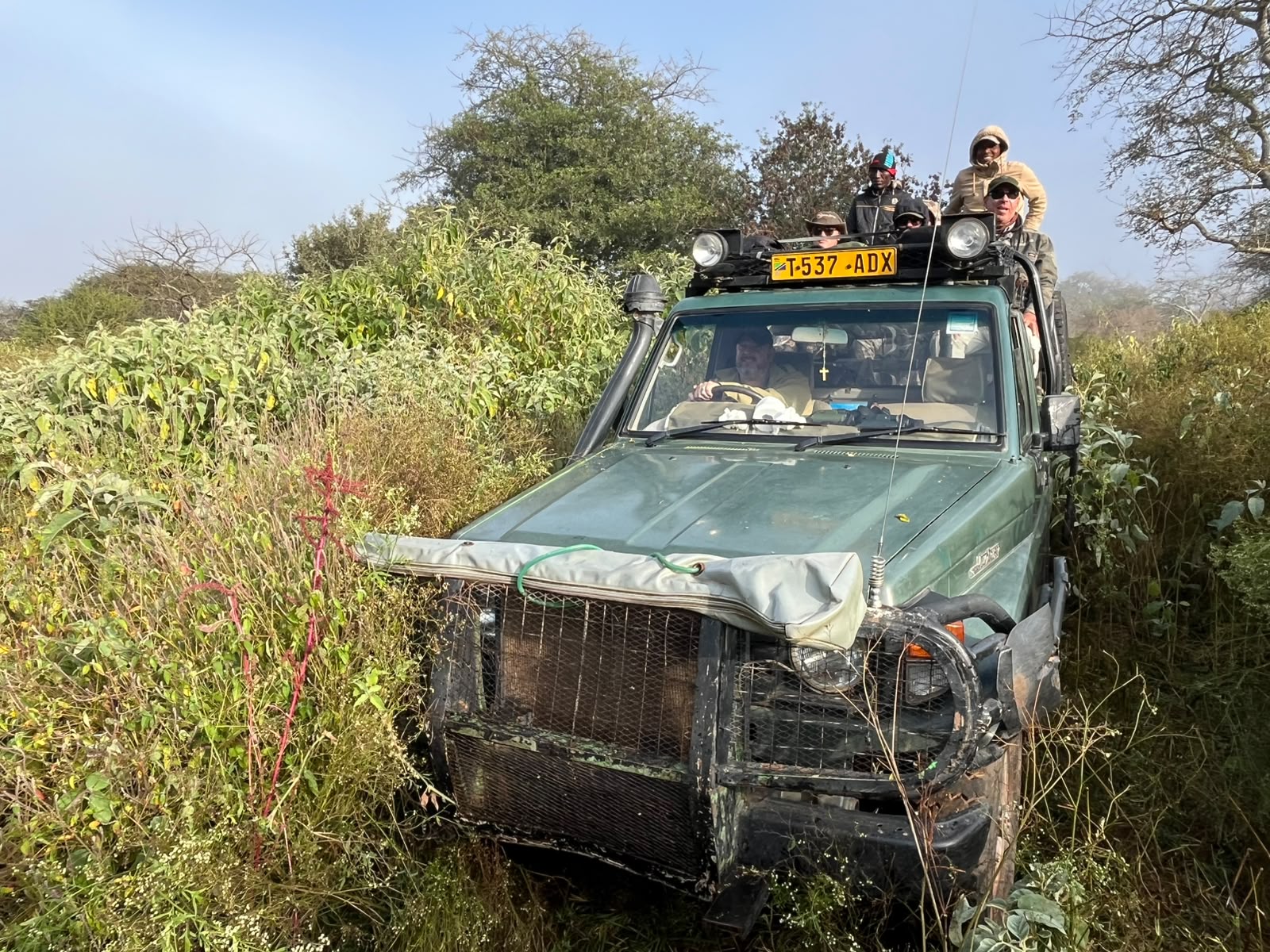
Hunters researching Africa's premier dangerous game destinations quickly discover that Tanzania continues to stand apart. While several countries offer outstanding hunting opportunities, few still provide the combination of vast unfenced wilderness, long safari licences and genuine free-range hunting that have defined classic African safaris for generations.
Big game hunting in Tanzania is not built around a single trophy animal. It is built around the safari itself. Hunters spend weeks, rather than days, living and hunting in enormous wilderness concessions where buffalo, lion, leopard and elephant still move naturally across landscapes measured in hundreds of thousands of acres. Success comes from patience, good planning and adapting to changing conditions rather than following a fixed schedule.
This is one of the reasons Tanzania remains one of Africa's most respected hunting destinations. The country rewards hunters willing to invest the time required to hunt properly, allowing Professional Hunters and trackers to make decisions based on fresh spoor, changing weather, animal movement and opportunities that develop naturally throughout the safari.
Understanding what makes Big Game Hunting in Tanzania different is just as important as deciding which species to pursue. The style of hunting, the sheer scale of the wilderness and the slower pace of these safaris create an experience that has become increasingly difficult to find elsewhere in Africa. Hunters planning a safari in Tanzania quickly discover that time, patience and the country itself often become just as memorable as the trophies taken.
Why Tanzania Still Feels Different
Every African hunting destination has earned its own reputation over time. South Africa is often associated with accessibility and variety, Zimbabwe with classic dangerous game hunting, and Namibia with vast conservancies and exceptional plains game. Tanzania has followed a different path.
Rather than developing around shorter safari packages or high volumes of hunting activity, Tanzania has remained centred on large wilderness concessions where wildlife moves naturally across unfenced landscapes. Hunting here is shaped by the country itself, with long days on foot, changing conditions and experienced Professional Hunters adapting their plans as fresh spoor and animal movement dictate.
That approach creates a different pace. Daily objectives may change several times as new tracks are found, weather conditions shift or a mature animal leads the hunting party into entirely new country. Success depends less on following a schedule and more on giving the safari enough time to unfold naturally.
This is one of the defining characteristics of Tanzanian big game hunting. Anyone considering Hunting in Tanzania will soon discover that the country rewards patience, flexibility and good fieldcraft rather than speed, qualities that have helped preserve its reputation as one of Africa's last truly traditional hunting destinations.
Time Is Tanzania's Greatest Advantage
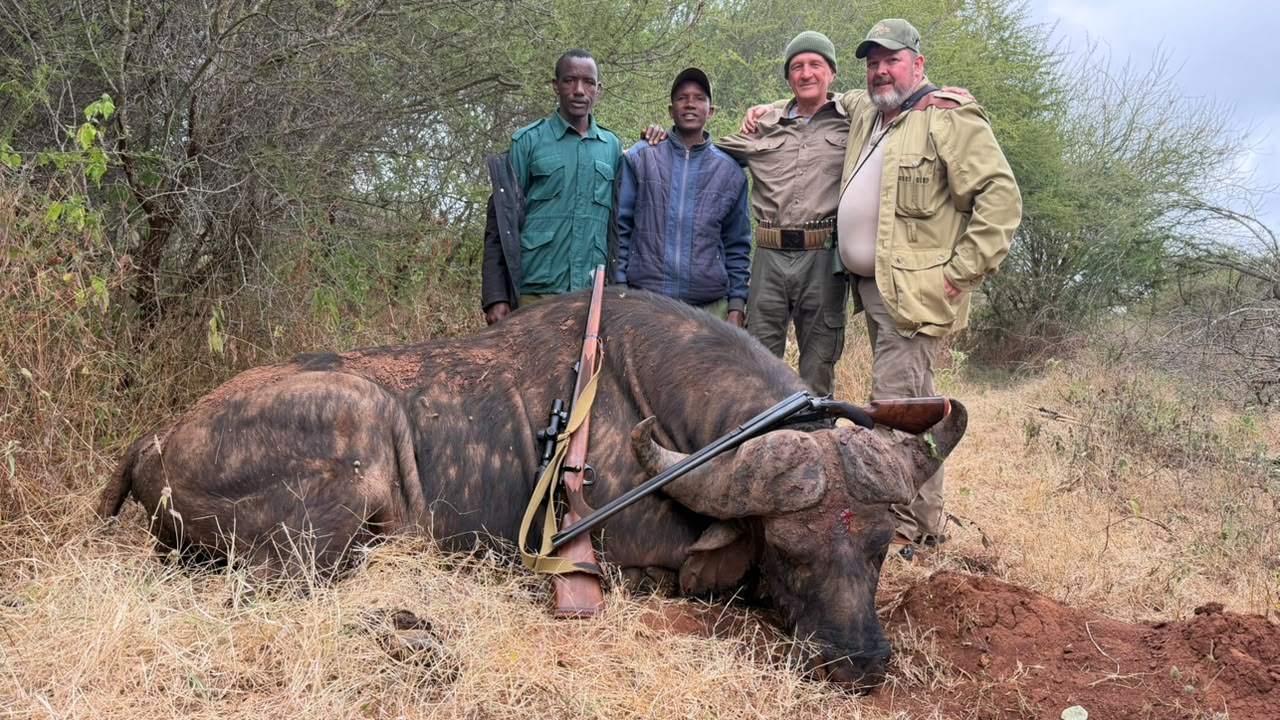
One of the first things American hunters notice when researching Tanzania is the length of the safari. While many African hunting destinations offer dangerous game hunts lasting seven to ten hunting days, Tanzania typically requires significantly longer licences. At first glance, that may appear to increase both the cost and the time commitment. Those additional days are one of the country's greatest strengths.
Big game hunting in Tanzania rarely follows a predictable schedule. Fresh spoor may lead the hunting party in one direction during the morning, only for changing wind conditions or new tracks to alter the plan completely by afternoon. Mature buffalo bulls can cover considerable distances, elephant may disappear into thick miombo woodland, and lion or leopard often require several days of careful observation before the right opportunity presents itself.
Longer safaris remove the pressure to force decisions. Professional Hunters have time to pass younger animals, abandon unproductive areas and adjust their strategy as conditions change. Rather than feeling rushed to fill a licence within a few days, hunters can remain patient and allow the safari to develop naturally, often resulting in better opportunities and more informed decisions.
Time also allows hunters to experience far more than the pursuit of a single trophy. Days spent tracking game on foot, reading fresh spoor with experienced trackers and adapting to changing conditions become part of the safari itself. By the time the hunt concludes, the memories are often shaped as much by the process as by the animals taken.
Why Tanzania Is Built for Multiple Dangerous Game Species
One of Tanzania's greatest strengths is the opportunity to pursue more than one dangerous game species during the same safari. The country's longer hunting licences, extensive wilderness concessions and healthy game populations allow Professional Hunters to plan safaris around changing opportunities rather than focusing on a single trophy from the outset.
A buffalo may become the primary objective during the first week while fresh elephant spoor is monitored in another part of the concession. Lion bait sites are checked daily, leopard activity develops over time, and changing conditions may determine which species receives attention on any given day. Rather than treating each hunt as a separate trip, Tanzania allows multiple dangerous game species to be pursued as part of one carefully planned safari.
That flexibility benefits both hunters and Professional Hunters. If one species proves particularly challenging, time can be spent pursuing another without compromising the overall safari. As conditions change throughout the licence period, experienced hunting teams can continually adapt their plans while maintaining realistic opportunities across several species.
This approach is one of the reasons Tanzania has become such a respected destination for dangerous game hunting. Success is rarely determined by following a rigid plan from the first day. Instead, experienced Professional Hunters continually assess fresh spoor, animal movement, weather conditions and hunting opportunities before deciding where each day's effort is best spent.
Choosing the Right Hunting Area Matters
One of the biggest mistakes first-time visitors make is assuming every Tanzanian hunting concession offers the same opportunities. While a species may appear on an outfitter's licence, that does not necessarily mean every concession produces the same quality of hunting for that animal.
Certain areas have earned international reputations for Buffalo Hunting in Tanzania, while others consistently produce better lion, elephant or leopard hunting. Some concessions are known for exceptional East African plains game, whereas others are managed almost exclusively around dangerous game. Habitat, water availability, hunting pressure and long-term game management all influence what a hunter can realistically expect from a particular area. Understanding how Hunting in Tanzania differs between concessions is therefore just as important as choosing the species you hope to pursue.
Safari planning becomes even more important when combining species. A hunter may arrive intending to pursue a mature Cape buffalo while also hoping to add a crocodile or hippo. On paper, those species may all be available under the same outfitter. They may occupy completely different parts of the concession, or even separate hunting areas several hours apart.
A classic example is the hunter looking for an old dagga bull. Mature buffalo often spend their days away from larger herds, bedding in thick cover where they can remain undisturbed. Finding and tracking one of these solitary bulls may take several days before a genuine opportunity develops. If crocodile or hippo hunting requires travelling six or eight hours to a major river system, trying to fit everything into a short seven-day safari can quickly become unrealistic.
This is why choosing the right concession is every bit as important as choosing the right species. Asking where animals are hunted, how long transfers take between hunting areas and whether the safari duration matches your objectives will often have a greater influence on success than simply selecting an outfitter based on a licence list.
Every Day Changes the Hunt
One of the biggest differences between Tanzania and other African hunting destinations is that the safari has time to develop naturally. Early days are often spent learning the concession, locating fresh spoor, and understanding how game is moving before any major decisions are made. Professional Hunters are gathering information just as much as they are actively hunting.
As the safari progresses, that information begins to influence each day's decisions. Fresh buffalo tracks may reveal where a herd has settled, elephant movements become more predictable and regular visits to bait sites help build a clearer picture of lion or leopard activity. Rather than hoping for opportunities to appear, the hunting team is steadily improving its understanding of the concession with each passing day.
Conditions continue to change throughout the licence period. Wind direction, water availability and animal movement may all influence where the next day's hunt takes place. A plan made the previous evening can change completely after fresh spoor is found at first light, sending the hunting party into an entirely different section of the concession.
This gradual progression is why experienced hunters often describe Tanzania as a true hunting safari rather than simply a hunt for a particular trophy. Each day builds on the knowledge gained during the previous one, allowing better decisions to be made as new opportunities present themselves.
You are Investing in Time, Not Just Trophy Fees
American hunters often compare Tanzania with destinations offering shorter dangerous game safaris. At first glance, Tanzania can appear significantly more expensive, particularly when licence periods extend well beyond two weeks. Looking only at the final price, however, tells only part of the story.
Like neighbouring Zambia, Tanzania follows a hunting philosophy built around time rather than speed. Longer hunting licences allow Professional Hunters to adapt their plans as conditions change instead of trying to complete a hunt within a fixed number of days.
More hunting days mean more opportunities to locate mature animals, more flexibility to change strategy when conditions demand it and more freedom to pass on marginal opportunities without feeling pressured by the calendar. That additional time also allows hunters to experience different parts of a concession, each presenting its own terrain, wildlife, and hunting challenges.
Professional Hunters benefit from the same flexibility. Rather than forcing decisions early in the safari, they can continue gathering information, monitoring game movement and adjusting daily plans as new opportunities develop. The result is a measured approach where patience often produces better hunting than urgency.
While Tanzania has traditionally been associated with remote camps and expensive charter flights, that picture has gradually changed. Several hunting concessions are now accessible using scheduled domestic flights followed by relatively short road transfers, reducing both travel costs and logistical complexity for international hunters. Charter flights are still required in some of the country's more remote hunting areas, but improved access has made Tanzania a realistic option for a much wider range of hunters.
A Tanzanian safari offers far more than additional hunting days, it provides the time needed to hunt properly, allowing both hunter and Professional Hunter to make better decisions throughout the licence period.
Beyond Buffalo: Tanzania's Unique Hunting Opportunities
A Tanzanian safari often begins with a single dangerous game species in mind, particularly Cape Buffalo Hunts. While buffalo remain one of the country's biggest attractions, Tanzania also offers one of Africa's most diverse selections of huntable game, making it especially appealing to collectors pursuing species that are difficult or impossible to find elsewhere.
Several East African plains game species are largely unique to Tanzania and neighbouring regions. Hunters may choose to include Fringe-eared Oryx, White-bearded Wildebeest, Lesser Kudu, or one of the region's distinctive Gazelle Hunts as part of a longer safari. These animals add variety to the hunt while providing opportunities that simply do not exist across much of southern Africa.
Certain hunting areas also offer specialised opportunities for Striped Hyena and, in selected concessions, Sitatunga Hunts, giving experienced hunters the chance to pursue trophies that often represent the final pieces of a lifetime African collection.
Others arrive with a single objective, such as a mature Cape buffalo or elephant bull. The advantage is that Tanzania provides the flexibility to expand those plans should the opportunity arise, allowing a dangerous game safari to become something far broader than originally expected.
Is Tanzania the Right Big Game Destination for You?
Tanzania is not the right destination for every hunter. Those looking for shorter safaris focused on a single dangerous game species may find other countries better suited to their available time, budget or hunting objectives.
Hunters prepared to spend two or three weeks in the field, however, often discover that Tanzania offers something increasingly difficult to find elsewhere. Long hunting licences provide the flexibility to follow mature animals without unnecessary pressure, while vast unfenced concessions allow Professional Hunters to adapt their strategy as conditions change throughout the safari.
The country also appeals to experienced hunters looking beyond Africa's more familiar species. Alongside buffalo, Tanzania is internationally recognised for outstanding Lion Hunts and Elephant Hunts, allowing hunters to pursue some of Africa's most sought-after dangerous game species during a single safari. That combination of iconic species and vast free-range concessions continues to make Tanzania one of Africa's premier dangerous game destinations.
Ultimately, Tanzania rewards hunters who enjoy the process as much as the result. Those willing to invest the time often leave with far more than a successful trophy. They leave with a deeper understanding of how traditional African big game hunting still works when the bush, rather than the calendar, determines the hunt.
Choosing Tanzania for Your Next Big Game Safari
Tanzania continues to attract those looking for something that has become increasingly difficult to find elsewhere in Africa. Vast unfenced concessions, experienced Professional Hunters and long hunting licences combine to create a style of hunting that values patience, careful decision-making and time spent in the bush above everything else.
The country is equally rewarding for anyone pursuing a classic dangerous game safari or hoping to add some of East Africa's unique species to a trophy room. Whether the objective is a mature Cape buffalo, a heavy-tusked elephant, an old lion, or one of Tanzania's distinctive plains game species, the emphasis remains the same: hunting wild animals in wild country under traditional safari conditions.
Choosing a destination involves far more than comparing trophy fees or daily rates. Understanding how a country hunts, the opportunities it offers and whether its hunting philosophy matches your own objectives is just as important. Those who value traditional African Hunting Trips, built around time, wilderness and genuine fair chase will find that Tanzania continues to offer one of the continent's most authentic big game hunting destinations.
Frequently Asked Questions
How long should a big game hunting safari in Tanzania be?
Safari length depends on the species being hunted, but Tanzania is best known for longer dangerous game safaris lasting between 16 and 28 hunting days. Those additional days allow Professional Hunters to adapt to changing conditions, follow mature animals over greater distances and pursue multiple species without unnecessary time pressure.
Do all Tanzanian hunting concessions offer the same hunting opportunities?
No. Although the same species may appear on different hunting licences, the quality of hunting can vary significantly between concessions. Some areas are renowned for Cape buffalo, others consistently produce better lion, elephant or Leopard Hunts, while certain concessions offer exceptional opportunities for East African plains game. Researching the hunting area is just as important as selecting the species.
What species can be included on a Tanzanian big game safari?
Alongside Cape buffalo, elephant, lion and leopard, Tanzania offers one of Africa's most diverse selections of huntable game. Depending on the concession and licence, hunters may also pursue species such as Fringe-eared Oryx, White-bearded Wildebeest, Lesser Kudu, Gazelles, Striped Hyena and, in selected areas, Nile Sitatunga. Longer safaris often make these combinations possible.
Is Tanzania the right destination for a first African dangerous game safari?
It can be, particularly for hunters looking for a traditional safari built around time, patience and fair chase. However, Tanzania's longer hunting licences and remote wilderness concessions generally suit those who want to immerse themselves in the hunting process rather than complete a shorter safari focused on a single species.
About the Author
Pierre van Wyk is the co-founder of Game Hunting Safaris and has spent years working with Professional Hunters, outfitters and international clients across Africa. His writing focuses on helping hunters understand how African safaris differ between countries, species and hunting areas so they can make informed decisions before booking.