
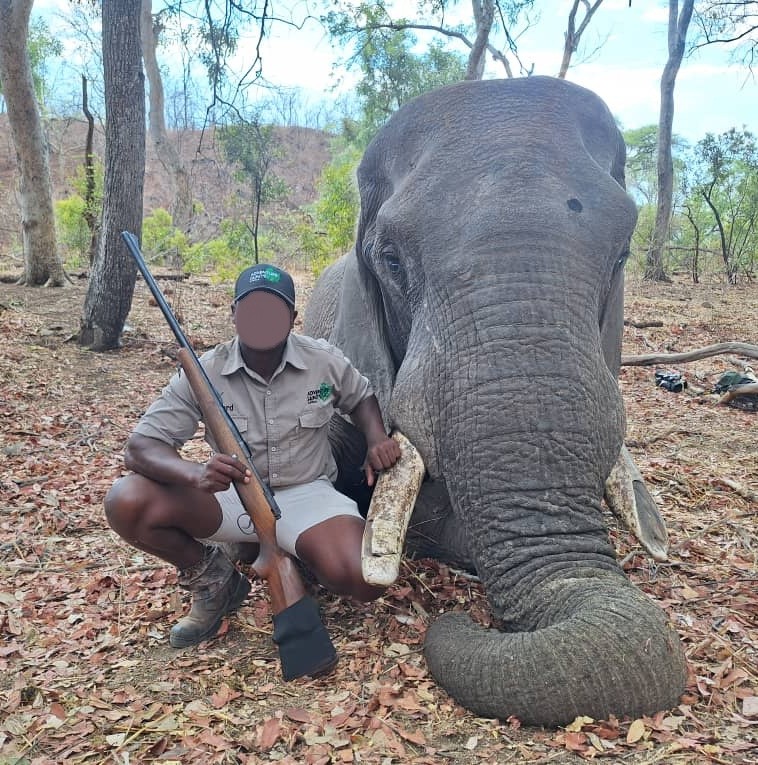
Finding the elephant can take hours.
The trackers may have followed spoor through thick bush, crossed dry riverbeds and stopped repeatedly to work out whether the bull is still ahead. By the time the hunting team finally catches up, everyone may be tired, hot and convinced that the most difficult part of the hunt is over. Sometimes it is not.
The bull may be mature. He may be the kind of elephant the hunter hoped to find. But another bull may be standing too close, a herd may be surrounding him, the wind may be starting to turn or the shooting opportunity may simply not be good enough. The PH may make a decision that feels completely wrong after hours of effort:
Walk away.
On an elephant hunt, finding the right bull and having the right opportunity are two different things. On any dangerous game hunt, knowing when to squeeze the trigger matters. Knowing when not to can matter just as much.
Finding the Bull Does Not Mean You Will Hunt Him
After hours of tracking, there is a natural temptation to make the bull in front of you work. Effort already spent does not turn an uncertain opportunity into a good one.
The PH may decide the bull is younger than expected, the ivory does not match what the hunting team hoped to find, or another elephant gives a better sense of what is available in the area. That does not make the tracking wasted. It means the hunting team has learned something important and can make an informed decision.
Finding an elephant worth looking at is not the same as finding an elephant worth hunting. A good PH must ignore that pressure and judge the elephant on what is there, not on how much effort it took to find him.
Sometimes the Bull Is Right but the Timing Is Off
There are times when the hunting team has found exactly the kind of elephant they came for, but the situation around him makes the opportunity too uncertain to force.
Another bull may be standing close enough to complicate the approach. A bull in musth may change the mood of the group entirely. Cows and calves may move around the target bull, or a larger herd may make it difficult for the PH to keep every elephant accounted for.
The problem is not always whether the hunter can see the bull.
It is whether the hunting team can create a clear, controlled opportunity without turning a good situation into a dangerous one.
The wind may also change. Elephants that were relaxed a few minutes earlier may start lifting their trunks, shifting position or paying more attention to what is happening around them. Once that happens, the PH may decide that continuing to close the distance will create more risk than opportunity.
His responsibility is not only to find a suitable bull. He is also responsible for the hunter, the trackers and everyone else moving through that situation with him.
That means a promising elephant is never more important than keeping the approach controlled. If the behaviour of the herd changes, another bull becomes agitated or the PH no longer likes what is developing in front of him, backing out can be the correct decision even when the target bull itself has done nothing wrong.
There is another complication when several bulls are together.
The PH may have spent time identifying one elephant, only for the animals to change position, cross behind one another or disappear briefly into cover. From my own elephant hunt in Bushmanland, I know how quickly thick bush can limit what the hunter can see. A bull that looked clear a moment earlier can become difficult to read once elephants begin moving through cover. If there is any uncertainty about which bull is which, the answer is simple:
Do not force the shot. If the PH has a clear view but the hunter does not, or if the hunter is no longer completely certain which animal is being discussed, the opportunity has changed.
The right elephant does not make the wrong situation acceptable.
Sometimes the correct decision is to wait. Sometimes it is to back out and try again from another direction. Sometimes it means leaving a suitable bull alone because the hunting team cannot create the kind of opportunity they are prepared to take.
Hours of Effort Do Not Mean a Shot
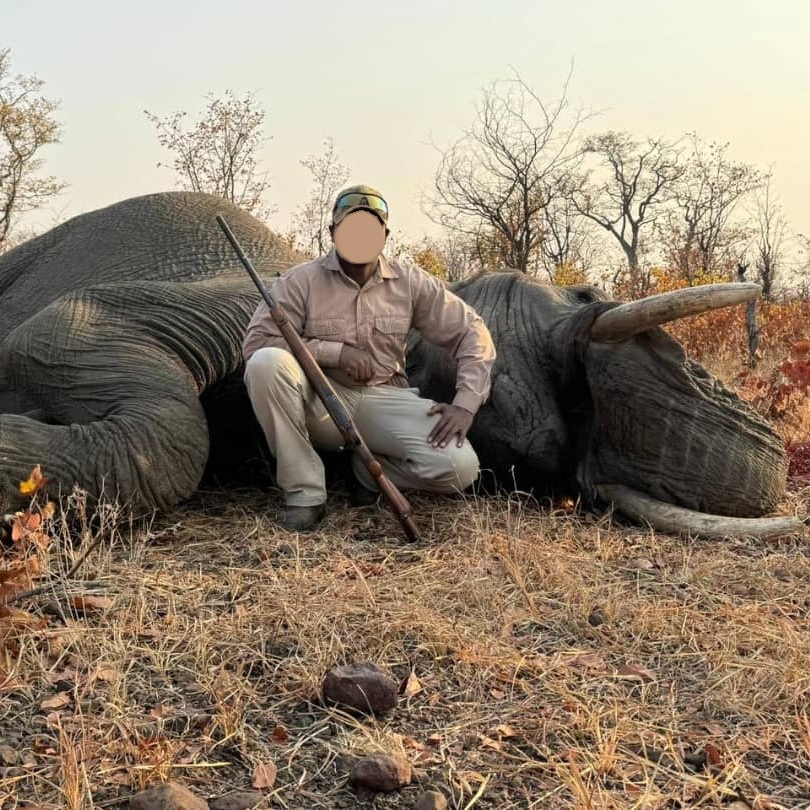
Elephant hunting can build a strong sense of momentum. The hunting team may have spent hours following spoor, checking the wind, closing distance and then backing out again when the bush or the elephants made things difficult. By the time the bull is finally in front of them, it can feel as though the hunt has reached the point where something should happen.
That is where pressure starts making decisions for people.
A hunter may know there are only a few days left in the safari. He may already have passed other bulls, walked hard for most of the day and be reluctant to begin the search again tomorrow. None of this improves the opportunity in front of him.
If the angle is poor, the bull is not clearly separated, the hunter is uncomfortable or the PH no longer likes how the situation is developing, the hours invested do not change those facts.
Discipline matters most. The amount of effort already spent should never become the reason for taking a shot that would not have been acceptable at the beginning of the day.
Hours of hard work can get the hunting team onto an elephant. They do not make the final opportunity a good one.
The correct decision is to accept that the day produced useful information, a better understanding of the area and perhaps a bull worth looking for again. That can be frustrating, but it is part of the challenge of Big Five hunting. Finding the animal is only part of the job; knowing when the opportunity is right matters just as much.
Walking Away Does Not Always Mean Leaving the Bull
Walking away is often temporary.
The PH may decide to back out, give the elephants time to settle and reassess the situation. What looked like a poor opportunity can change once the pressure is off and the animals begin moving again. That requires patience from the hunter. After finally getting close to a suitable bull, moving away can feel like giving up the advantage.
Often it is the opposite.
Walking away from the opportunity is not necessarily walking away from the elephant. The bull may still be there later that afternoon or the following morning. What matters is whether the next opportunity is better than the one the hunting team chose not to force.
When the Opportunity Changes, the Decision Changes
An elephant hunt can change quickly.
The PH may have identified the bull, watched him long enough to be comfortable with the decision and started working towards a possible shot. That does not mean the opportunity remains acceptable simply because the decision was made a few minutes earlier.
The bull may turn. Another elephant may move between him and the hunter. Thick cover can hide part of the animal, or a clear view can disappear as several elephants begin moving together. That matters when a head shot is being considered, where the PH and hunter need an unobstructed, clearly understood picture of the bull before anything happens.
When that happens, the hunting team must reassess what is in front of them rather than continue with the plan they had a moment earlier.
This is especially important for the hunter. A shooting instruction only makes sense while the situation that produced it still exists. If the bull changes position, the hunter loses sight of him or there is any doubt about which elephant is being discussed, the previous opportunity is gone.
The PH will stop everything and wait for the picture to become clear again. He may decide there is no longer a shot at all. That is one of the moments when the hunter must trust the PH completely. If he says wait, you wait. If he says the opportunity is gone, it is gone. That happens even when everyone was completely comfortable only seconds earlier.
A good decision made five minutes ago does not automatically remain a good decision now.
Elephant hunting requires constant judgement because the animals, the wind and the space around the bull can all change quickly. The hunting team must be prepared to change its decision as quickly as the situation changes.
And sometimes the correct change is simply to do nothing.
The Hunter Must Be Comfortable With the Opportunity
For American hunters, an elephant safari is something they may have planned for years.
There is the travel, the cost, the time away from home and the expectation that comes with finally standing in front of an elephant after thinking about the hunt for a long time. That can create its own kind of pressure when the opportunity arrives. The hunter must still be comfortable with what he can see and what the PH is asking him to do.
If he cannot clearly identify the bull, does not understand the shooting instruction or simply does not feel settled with the opportunity, he needs to say so. There is no prize for pretending to be comfortable when he is not. A good PH would rather reset the situation than discover too late that the hunter saw something differently.
This is important when several elephants are close together or vegetation limits what the hunter can see. The PH may have been watching the bull for much longer and from a slightly different position, while the hunter is trying to make sense of the same situation through a narrow opening in the bush.
Communication must be clear.
The hunter must know which elephant is being discussed, understand what the PH wants him to wait for and be confident that he is looking at the same picture before anything happens. That becomes considerably more difficult when the hunting team is inside 25 yards and communication may be reduced to hand signals. At that distance, there is little room for misunderstanding or confusion, which is why the PH may stop the opportunity rather than try to force it.
Travelling halfway around the world does not mean you have to take the opportunity in front of you.
If something does not feel clear, say so. There will be disappointment if the bull walks away. There will be far more disappointment if somebody forces a decision they were never comfortable making.
Walking Away Is Part of Good Elephant Hunting
Not every successful decision on an elephant hunt ends with a shot.
Sometimes the bull is wrong. Sometimes the bull is right but the opportunity is not. At other times, the hunting team simply needs more time before everyone is comfortable with what is happening in front of them.
Just like walking, this is part of elephant hunting. A PH is not there simply to get the hunter onto a bull. He is there to judge the elephant, manage the situation around him and decide whether the opportunity is one the hunting team should take. For the hunter, that can mean accepting that hours of tracking, a difficult approach and finally standing within range may still end with everyone quietly backing out.
Walking away is not a failure if the alternative was forcing the wrong decision.
There may be another opportunity later that day. There may be another bull tomorrow. And sometimes the elephant that took half the day to find simply walks away untouched. That can be difficult to accept in the moment. But on an elephant hunt, knowing when not to take the shot is part of knowing when you should.
Frequently Asked Questions
Is Walking Away From an Elephant Bull Common on a Safari?
It can happen. Finding a suitable bull does not always mean the hunting team will have an opportunity they are prepared to take.
The PH may decide the bull is not right, the circumstances around him may change or the hunting team may simply be unable to create a clear and controlled opportunity. In some cases, the bull can be hunted again later. In others, the search starts again.
What Happens if the PH Decides Not to Take the Shot?
That depends on why the opportunity was stopped.
The hunting team may wait for the elephants to settle, back out and approach again later, return the following day or leave the bull and continue looking for another elephant.
The important point is that deciding not to shoot does not necessarily mean the opportunity has been lost. It means the PH believes there is a better decision than forcing the situation in front of him.
Is Elephant Hunting Considered Big Game Hunting?
Yes. Elephant hunting forms part of big game hunting in Africa and is also associated with the traditional Big Five.
Hunting an elephant presents its own challenges. The size of the animal, close distances, thick vegetation and the possibility of several elephants being together mean that judgement, communication and patience can be just as important as finding the bull in the first place.
What Happens if I Return to the United States Without Taking an Elephant?
Sometimes an elephant safari ends without a bull being taken.
That can be disappointing, particularly after the time, travel and expense involved in planning a hunting trip to Africa, but it does not mean the hunt was handled badly. If the right bull or the right opportunity never presents itself, forcing a shot simply to avoid going home without an elephant is the wrong reason to take one.
If no elephant is taken, the elephant trophy fee is refunded in accordance with the terms of the safari agreement. The hunter may still return to the United States without an elephant, but he should not feel pressured to take a shot simply because a trophy fee has already been paid.
There is always another safari. There is no way to take back a shot that should never have been fired.
About the Author
Pierre van Wyk is the founder of Game Hunting Safaris and has hunted dangerous game across Southern Africa, including elephant in the thick bush of Bushmanland. His writing draws on firsthand hunting experience, time spent with professional hunters and years of helping international clients plan African safaris.