
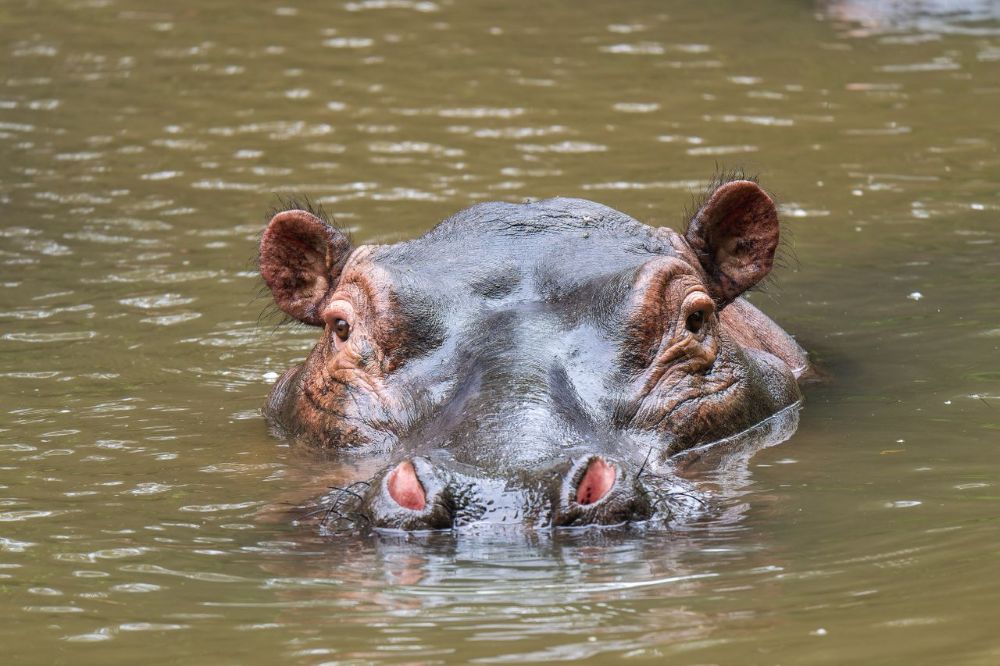
When serious dangerous game hunters talk about hippo hunting in Africa, Zimbabwe is almost always part of the conversation. That reputation was not built by chance, nor does it rest on a single river or hunting area. It has been earned over decades through healthy hippo populations, iconic waterways, skilled Professional Hunters and a hunting tradition that continues to attract sportsmen from around the world.
While every Hippo Hunting in Zimbabwe safari is different, the country's reputation has remained remarkably consistent. Permanent rivers, extensive floodplains and carefully managed hunting areas provide the natural foundation, while generations of Professional Hunters have developed the knowledge needed to hunt one of Africa's most unpredictable dangerous game species responsibly and ethically.
Planning Hippo Hunts is about far more than choosing a destination on a map. Understanding what shaped Zimbabwe's reputation provides valuable insight into the country's hunting tradition and explains why it continues to rank among Africa's most respected destinations for pursuing this remarkable species.

[DYNAMIC-BLOGTABLEOFCONTENT]
Zimbabwe's Reputation Was Built on Water
People remember Zimbabwe for its famous rivers, but the country's reputation for hippo hunting was never built on geography alone. Rivers such as the Zambezi, Lake Kariba and sections of the Limpopo provide the permanent water that hippos depend on, yet they are only part of a much larger story. It is the combination of healthy habitat, well-managed wildlife and decades of dangerous game hunting that has shaped Zimbabwe into one of Africa's most respected hippo hunting destinations.
Hippos spend almost every daylight hour in water before emerging after dark to graze, making permanent rivers and lakes essential to their survival. Water regulates their body temperature, provides protection from the African sun and serves as the centre of their social structure. Bulls establish territories along stretches of river, while cows and younger animals form groups that use the same waterways day after day. Understanding this relationship between hippos and water is fundamental to understanding why certain areas of Zimbabwe have supported quality hunting for generations.
The surrounding habitat is just as important as the water itself. Hippos leave the river each evening to feed, often following the same paths to productive grazing areas before returning before sunrise. Where permanent water is combined with healthy floodplains and natural grazing, populations remain stable and mature bulls can reach impressive age. Those conditions cannot be created overnight. They develop over years through healthy ecosystems and responsible wildlife management.
Consistency has also played an important role. These waterways have changed little over generations, allowing Professional Hunters to develop an intimate understanding of how seasonal rainfall, fluctuating water levels and local conditions influence hippo behaviour.
No two safaris are ever the same, but that accumulated knowledge helps hunters adapt to changing conditions while supporting responsible and sustainable hunting practices.
The rivers themselves do not create great hunting. They simply provide the foundation. Everything that has built Zimbabwe's reputation, from sustainable wildlife management to generations of skilled Professional Hunters and carefully managed hunting areas, has developed around these remarkable waterways over many decades.
Hippo Hunting Is Part of Zimbabwe's Bigger Dangerous Game Story
Zimbabwe's reputation extends well beyond hippos. For generations, the country has been recognised as one of Africa's leading destinations for Big Game Hunting, with buffalo, elephant, lion, leopard and hippo all forming part of its long-standing dangerous game heritage. That broader hunting tradition has helped create the standards, knowledge and wildlife management practices that continue to benefit every species hunted today.
One of the strengths of Hunting in Zimbabwe is the variety it offers. Depending on the hunting area, a hippo safari may unfold along the channels of the Zambezi River, the vast waters of Lake Kariba or smaller river systems that wind through remote hunting concessions. Each environment presents its own challenges and opportunities, giving hunters a choice of safari styles rather than a single, predictable hunting experience.
That variety also influences how the hunt develops. Some hunts revolve around watching hippos in the water, while others provide opportunities as mature bulls move between the river and their feeding areas. Although every hunt follows the same ethical principles, no two hunting areas offer the same conditions, which is one of the reasons Zimbabwe continues to attract hunters returning for a second or third safari.
Hippos may spend much of their lives in the water, but they remain part of a much larger ecosystem. Rivers, lakes and floodplains support a remarkable diversity of wildlife, creating hunting areas where animals move naturally through functioning landscapes rather than isolated habitats. That broader ecological picture is another reason Zimbabwe continues to command such respect among serious hunters.
The same rivers and lakes that support Zimbabwe's healthy hippo populations also provide excellent habitat for Crocodile Hunts. Many hunting areas offer both species, allowing hunters to plan a dangerous game safari around two of Africa's most iconic aquatic animals. While each hunt presents its own challenges, the shared river environments make this combination a natural choice for hunters looking to experience more of Zimbabwe's remarkable wildlife.

Protecting a Reputation Built Over Generations
Zimbabwe's reputation for hippo hunting depends on far more than healthy rivers and suitable habitat. It also relies on responsible wildlife management that allows hippo populations to remain sustainable for future generations. Maintaining that balance requires careful planning, regulated hunting and a long-term commitment to conserving the ecosystems that support these remarkable animals.
Hunting Outfitters and wildlife authorities work within established quotas designed to ensure that hunting remains sustainable while protecting breeding populations. The emphasis is placed on selecting mature bulls that have already contributed to the population, helping maintain healthy age structures without placing unnecessary pressure on younger animals.
The benefits extend well beyond hippos. Revenue generated through regulated hunting contributes to the management of remote wildlife areas, anti-poaching efforts, employment opportunities and the protection of river ecosystems that support countless other species. Maintaining these landscapes is one of the reasons Zimbabwe continues to produce authentic dangerous game hunting in areas where wildlife still moves naturally across vast habitats.
Zimbabwe's reputation was not built in a few successful seasons, and it will not be preserved without responsible management. The country's continued commitment to sustainable hunting and habitat conservation remains one of the foundations on which that reputation rests today.
Choosing the Right Hippo Hunting Area
No two hippo hunting areas in Zimbabwe are exactly alike. From major rivers to lakes and smaller waterways, each offers its own character, creating a different style of hunt and a different safari experience.
A hunt along the Zambezi River can feel very different from one on Lake Kariba. Rivers are constantly changing as water levels rise and fall, channels shift, reed beds expand and contract, and hippos adjust their movements accordingly. Lake Kariba presents a different environment altogether. Its open water, sheltered bays and long shorelines create opportunities and challenges unlike those found along a flowing river.
The hunting area also influences the type of safari you can build. Some concessions are well suited to a dedicated hippo hunt, while others allow hippo to be combined with buffalo, crocodile or other dangerous game species. Hunters pursuing lion or leopard may also consider whether a hippo could form part of their overall safari plan where regulations and quota allocations allow. These decisions are often made long before arriving in camp and can have a meaningful impact on the overall safari experience.
Practical considerations matter as well. Access to remote concessions may require charter flights, while other areas can be reached by road. Safari duration, travel logistics and the species you hope to pursue all influence the overall planning process. Choosing the right hunting area is therefore about much more than finding hippos. It's about matching the destination to your hunting objectives, available time and budget.
Some hunting concessions are exceptionally remote, where the only sounds are wildlife and flowing water. Others share parts of the landscape with fishing communities, houseboats or tourism, particularly around larger lakes. Neither setting is inherently better than the other. They offer different hunting experiences, and understanding those differences helps you choose the safari that best matches your expectations.
Experience Still Matters
Hippo hunting is as much about sound judgement as it is about technical skill. Reading changing water conditions, recognising the behaviour of a mature bull and knowing when not to take a shot are decisions that cannot be learned from a map or a trophy photograph. They come from years spent hunting the same rivers and lakes.
Experienced Professional Hunters are constantly assessing far more than the location of the hippo. Wind direction, light, water depth, the animal's body position and its most likely route back to the river all influence every decision made during the hunt. Small changes in these conditions can completely alter the safest and most ethical approach.
No book or map can replace time spent hunting Zimbabwe's rivers and lakes. Experienced Professional Hunters draw on years of local knowledge to help hunters make better decisions, adapt to changing conditions and hunt responsibly throughout the safari.

Planning the Right Hippo Safari
Zimbabwe offers enough variety that planning the safari deserves as much thought as choosing the species. Some hunters travel specifically to pursue a mature hippo bull, while others include hippo as part of a broader dangerous game safari alongside buffalo, crocodile or other available species. There is no single right approach. The best safari is the one that matches your hunting objectives and the amount of time you have available.
The hunting area also plays an important role. Some concessions are well suited to dedicated river hunting, while others provide opportunities to combine several dangerous game species during the same safari. Understanding these differences before booking can help ensure the hunt matches your expectations rather than simply choosing the first available package.
Travel logistics should also form part of the planning process. Some hunting areas are reached by road, while others require charter flights into remote concessions. Although charter flights increase the overall cost of a safari, they also provide access to areas that would otherwise be difficult to reach. Comparing African Hunting Safari Prices is therefore about much more than daily rates. It also means understanding what is included, how the safari operates and which option offers the greatest overall value.
The best African Hunting Trips are rarely built around a single trophy alone. They are carefully planned to match the hunter's goals, the hunting area and the style of safari that will provide the most rewarding time in the field.
Frequently Asked Questions
Why is Zimbabwe considered one of the best countries for hippo hunting?
Zimbabwe combines healthy hippo populations, extensive river systems, experienced Professional Hunters and a long history of sustainable dangerous game hunting. Rivers such as the Zambezi and Lake Kariba continue to produce quality hippo hunting, while responsible wildlife management has helped protect the country's reputation over many decades.
Where are the best places to hunt hippo in Zimbabwe?
Many of Zimbabwe's best hippo hunting areas are found along the Zambezi River, Lake Kariba and sections of the Limpopo River. The right location depends on the style of safari you are looking for, the species you wish to combine with hippo and the hunting area that best matches your objectives.
Can you combine a hippo hunt with other dangerous game?
Yes. Many hunting concessions allow hippo to be combined with species such as buffalo or crocodile, while some areas also offer opportunities to pursue lion or leopard where regulations and quota allocations permit. Combining species often influences the choice of hunting area and safari duration.
Is river hunting different from hunting on Lake Kariba?
Yes. River systems and large lakes present different hunting conditions. Water movement, shoreline characteristics, visibility and hippo behaviour all influence how the hunt develops, which is one reason choosing the right hunting area is an important part of planning a safari.
How many days should I allow for a hippo hunting safari in Zimbabwe?
The ideal safari length depends on whether hippo is your primary objective or forms part of a broader dangerous game safari. Your hunting area, travel logistics and any additional species you intend pursuing should all be considered when planning the duration of the hunt.
When is the best time of year to hunt hippo in Zimbabwe?
Hippo hunting is available throughout the year in Zimbabwe, although seasonal water levels and local conditions can influence hunting strategies in different areas. Your Professional Hunter will recommend the most suitable timing for the concession you have selected.
Do I need a large-calibre rifle for hippo hunting?
Hippo are exceptionally large and heavily built animals, making adequate rifle calibre and accurate shot placement essential. Your Professional Hunter will advise on suitable calibres and ammunition before the safari, based on Zimbabwe's legal requirements and the hunting conditions you can expect.
Why do hunters choose Zimbabwe over other African countries for hippo hunting?
Zimbabwe offers a combination of established hunting traditions, outstanding river systems, healthy hippo populations and well-managed hunting areas. It also provides hunters with a variety of safari styles, from remote river concessions to the vast waters of Lake Kariba, allowing each hunt to be matched to individual hunting objectives.