

Cape Buffalo, Roosevelt Sable & Niassa Wildebeest Hunt in Mozambique
Booking Season: 2026
Hunt Difficulty: Difficult

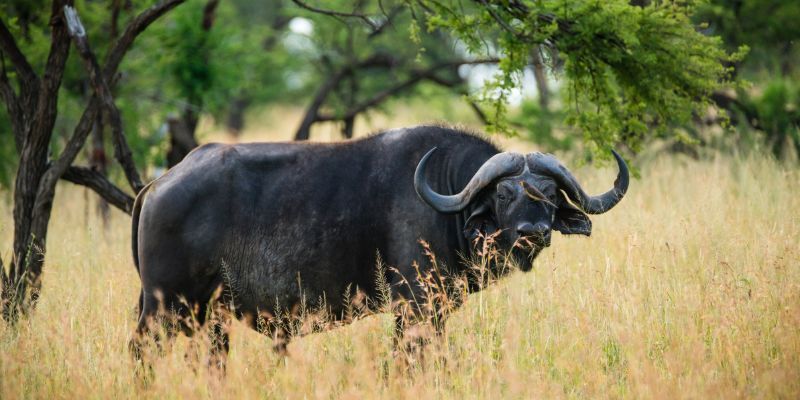
Cape buffalo hunts in Africa range from shorter, managed-property safaris in South Africa to traditional free-range hunts in Zimbabwe, Mozambique, Tanzania and other buffalo hunting destinations. The species may be the same, but the hunting areas, arrangements and prices can be different.
Before comparing buffalo hunts, establish what the advertised safari includes. A South African buffalo package may specify a particular trophy category, while a free-range safari may be based on finding a suitable mature bull without a guaranteed horn measurement. Those are different hunting opportunities, and the distinction should be clear before comparing prices.
Game Hunting Safaris helps hunters compare buffalo hunting areas, outfitters and the actual arrangements behind advertised safaris. We hunt in Africa ourselves and understand that a buffalo hunt which looks attractive on paper isn't necessarily the right hunt for every hunter.


The right destination depends on whether the hunter wants a remote free-range wilderness safari or a more accessible hunt with simpler logistics. South Africa, Zimbabwe, Mozambique, Tanzania, Zambia and Botswana all offer buffalo opportunities, but the hunting areas and safari structures differ considerably.
For hunters who value shorter travel times and simpler logistics, South Africa offers several buffalo hunting options, ranging from managed private properties to limited free-range opportunities. It is particularly well suited to those looking for a shorter, more structured safari.
Zimbabwe remains one of Africa's classic free-range buffalo destinations, particularly in the Zambezi Valley and Matetsi. Experienced tracking teams and extensive hunting areas make buffalo hunting in Zimbabwe a strong choice for hunters wanting a traditional safari on foot.
Mozambique offers a different experience. Buffalo hunts in Mozambique range across remote wilderness areas, including Niassa and other concessions where terrain and hunting conditions can differ considerably.
In Tanzania, Cape buffalo hunting opportunities include traditional East African safaris across extensive concessions, often requiring a greater commitment in time and travel.
Zambia is another option, although the particular concession, available quota and current game movement can considerably influence the experience. Understanding the differences between Zambia's buffalo hunting areas is therefore important.
Opportunities in Botswana are more limited. Hunting buffalo in Botswana generally means looking at suitable northern hunting areas where the necessary authorisations are available.
Across much of southern and eastern Africa, the most consistent buffalo hunting conditions occur during the dry season, between June and October. Vegetation becomes thinner, tracks are easier to follow and herds tend to remain closer to dependable rivers, pans and waterholes.
The best months vary by country, concession and annual rainfall. South Africa may offer buffalo hunting throughout much of the year, while several wilderness destinations operate within defined hunting seasons. Hunters should therefore confirm the legal season and expected field conditions for the specific area before choosing dates.
Most buffalo hunts start early in the morning. Professional hunters and trackers head out at first light to look for fresh tracks along roads, riverbeds, or waterholes where buffalo may have moved during the night.
Once fresh spoor is found, the trackers begin following the herd on foot. Tracking can take time, sometimes several hours, as the team moves carefully through thick bush while paying close attention to the wind and the terrain.
When the herd is located, the professional hunter studies the animals carefully to identify a mature bull. This part of the hunt often requires patience while waiting for the right opportunity for a safe and ethical shot.
Shots on Cape buffalo are usually taken at fairly close distances, often inside 80 yards.
A good Cape buffalo trophy is judged by more than horn spread alone. Age, boss development, horn condition and the overall character of the bull all matter. A mature bull with a heavy, hard boss and worn horns may be a better trophy than a wider, younger animal whose boss has not fully hardened.
The boss is the thick shield of horn across the top of a buffalo's skull. Younger bulls have softer, less developed bosses, while older bulls develop hard, heavy bosses that may show considerable wear. Old bulls, often called Dagga Boys, are particularly sought after by hunters who value maturity rather than horn width.
When comparing Cape buffalo hunts, establish what the trophy category actually means. Some South African packages are priced according to horn measurements, while free-range safaris may offer the opportunity to hunt a suitable mature bull without a specified width. Neither arrangement guarantees a particular trophy, and the distinction should be clear before booking.
Cape buffalo hunts commonly range from $9,000 to $25,000, although this is a general guide rather than a fixed price range. Shorter South African buffalo packages can cost less, while extended free-range safaris in remote concessions, particularly when buffalo forms part of a longer dangerous-game hunt, can exceed $25,000. The final cost depends on the country, hunting area, number of hunting days, trophy fees and what the package includes.
Some hunts are offered as complete packages covering a set number of hunting days and the buffalo trophy fee. Others are structured around a daily rate with the trophy fee charged separately. Hunters should establish which structure applies before comparing prices.
South African hunts are often more accessible because travel logistics are simpler and safari durations may be shorter. Hunts in remote concessions across Tanzania, Mozambique, Zimbabwe or Zambia generally involve higher operating costs, longer safaris and, in some areas, charter flights.
Additional expenses may include government permits, firearm-import fees, internal travel, accommodation before or after the safari, dip and pack, taxidermy and international trophy shipping. The lowest advertised price is therefore not always the best indication of the hunt’s total cost or value.
For a more detailed breakdown of safari pricing structures and additional expenses, see our guide to African hunting safari prices.
Once you've chosen the type of buffalo hunt you want, the next consideration is how much time to allow for it. Buffalo hunts typically run between 7 and 10 days, but longer safaris can increase the likelihood of finding the right bull and allow more time for tracking and positioning.
Preparation plays a significant role. This includes rifle selection, practicing from shooting sticks, and ensuring you are physically ready for long days on foot in warm conditions.
Planning should also include international flights, firearm import procedures where applicable, the required travel documentation, and an understanding of how hunting trophies will be exported after the safari.
Not all buffalo hunts are structured the same, and choosing the right outfitter is one of the most important decisions you will make.
The size and quality of the hunting area play a major role. Large, well-managed concessions with consistent buffalo populations generally provide more realistic opportunities than smaller or heavily pressured areas.
Access to quota is equally important. A properly allocated quota ensures that hunts are conducted sustainably and that there is a legitimate opportunity to pursue a mature bull.
The experience of the professional hunter should not be underestimated. Buffalo hunting requires sound judgment, particularly when it comes to approach, shot selection, and handling follow-up situations if needed.
Clear communication and transparent pricing are strong indicators of a well-run operation. Hunters should understand exactly what is included, what is not, and how the hunt is structured before committing.
A good outfitter will set realistic expectations and explain both the opportunities and the limitations of the hunt rather than promising easy success.
Cape buffalo hunting is regulated differently across African countries, and the availability of a hunting licence does not necessarily mean a bull can be hunted in every concession. Before booking, establish that the outfitter has the necessary authorisation and available quota for the buffalo hunt being advertised.
For hunters travelling from the United States, the paperwork also deserves attention. Firearm import requirements, hunting permits and trophy export documentation vary by destination. Confirm which arrangements the outfitter handles, which remain your responsibility, and whether the trophy can legally be imported into your home country.
A reputable outfitter should be able to explain the hunting arrangements, applicable permits and any restrictions before you pay a deposit. These details belong in the written agreement, not in promises made after you arrive in camp.
We've hunted Cape buffalo, elephant and other African game ourselves. These are our own hunting expeditions, with photographs and accounts from the field. Explore where we've hunted and the experiences behind the advice we give hunters.
A collection of some of our most unforgettable moments in the wild. From the sweeping plains to the dense forests, these photos showcase the landscapes, wildlife, and experiences that have defined our hunting expeditions.


Search from our range of Hunts across various popular destinations in Africa.
Find A Hunt