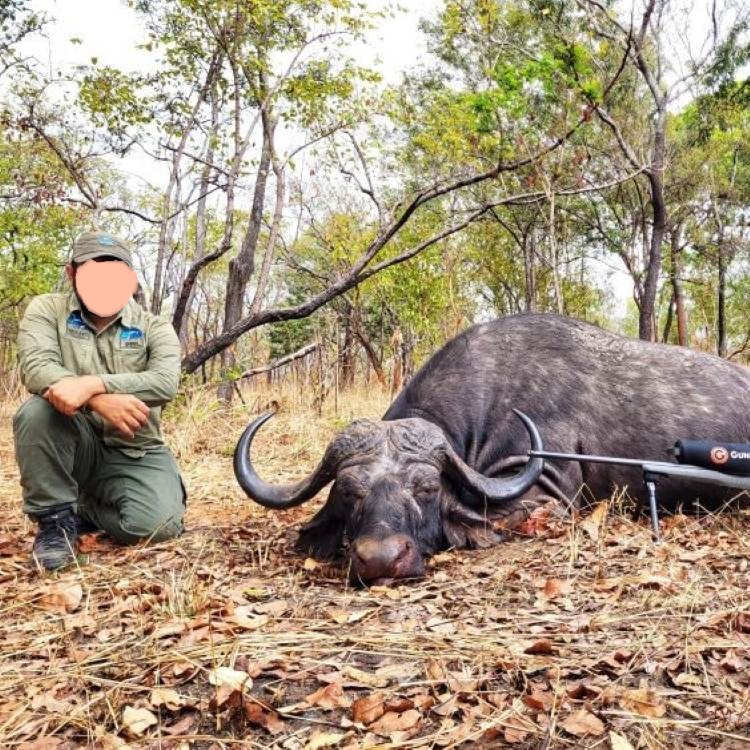
Cape Buffalo Hunting in Masailand, Tanzania
Booking Season: 2026
Hunt Difficulty: Moderate, Difficult

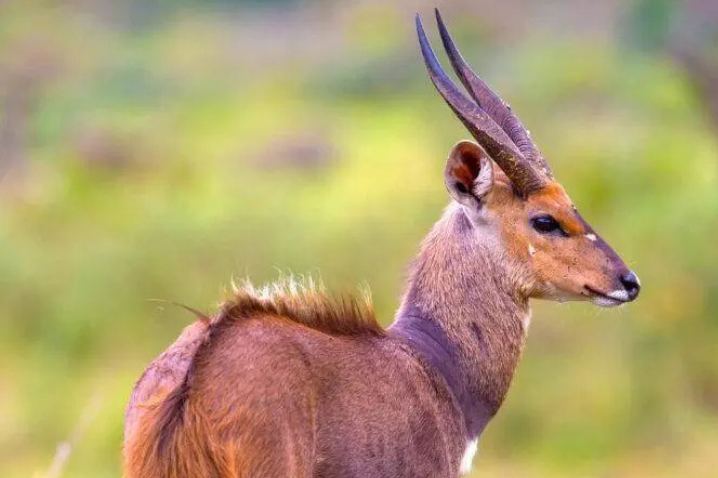
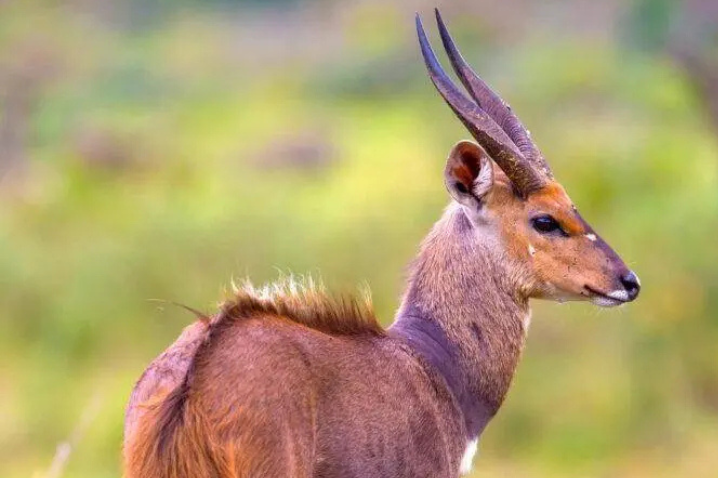
East African bushbuck are among the most underrated plains game trophies available on a Tanzania safari. While buffalo, leopard, and other headline species often dominate the conversation, experienced hunters know that a mature bushbuck ram can be one of the most rewarding trophies encountered during a hunt.
Unlike many antelope species that spend much of their time in open country, bushbuck are creatures of thick cover. They are most often found along river systems, drainage lines, and densely vegetated valleys where they can disappear from sight in seconds. This preference for heavy cover makes them far more challenging to hunt than many hunters expect.
Tanzania remains one of the best destinations in Africa to pursue this distinctive spiral-horned antelope in truly wild conditions. Large unfenced hunting concessions provide bushbuck with vast areas of natural habitat, allowing hunters to pursue mature rams that behave exactly as they have for generations.
Hunters interested in learning more about Africa's various bushbuck species can visit our Bushbuck Hunts page, while those planning a safari can explore available opportunities through our Tanzania Hunting Safaris guide.
American hunters visiting Tanzania often arrive with buffalo, leopard, or plains game at the top of their wish list. It is not uncommon for an old East African bushbuck ram encountered along a river system or shaded drainage line to become one of the most memorable trophies of the entire safari.
Available East Africa Bushbuck Hunts
Cape Buffalo Hunting in Masailand, Tanzania
Booking Season: 2026
Hunt Difficulty: Moderate, Difficult
East African bushbuck occur across several of Tanzania's major hunting regions, but they are rarely found far from thick cover and reliable water. Unlike many of the country's more visible plains game species, bushbuck spend much of their lives in riverine habitat where dense vegetation provides security from predators and human disturbance.
Hunters pursuing bushbuck are most likely to encounter them along rivers, seasonal drainage lines, wooded valleys, and heavily vegetated creek systems. Mature rams often spend daylight hours concealed in thick cover, emerging briefly to feed before disappearing back into the shadows. As a result, bushbuck are frequently spotted unexpectedly while moving between hunting areas rather than during dedicated glassing sessions.
Some of the best opportunities are found within the large unfenced concessions that form part of Tanzania's premier hunting regions. Areas within the Rungwa ecosystem, Nyerere ecosystem, and other western and southern concessions provide the combination of water, cover, and limited hunting pressure that allows bushbuck populations to thrive.
Not every Tanzania hunting area offers the same bushbuck opportunities. A concession known for exceptional buffalo hunting may hold relatively few bushbuck, while another area with extensive river systems can produce excellent bushbuck trophies year after year. Hunters with East African bushbuck high on their wish list should always confirm species availability before booking a safari.
Tanzania's vast concession system remains one of the species' greatest advantages. The opportunity to pursue a mature East African bushbuck in large wild landscapes, rather than fragmented habitat, is one of the reasons the country continues to attract serious plains game and trophy collectors from around the world.
East African bushbuck are not particularly difficult to find on a map. Finding a mature ram at the right moment is a very different challenge.
Unlike zebra, wildebeest, or many other plains game species that spend much of their time in the open, bushbuck rely on concealment rather than distance for protection. A mature ram can stand motionless in thick vegetation just a few yards from a game trail and remain virtually invisible. Many hunters walk past bushbuck habitat without ever realizing an animal was present.
Their behavior adds another layer of difficulty. Bushbuck are typically solitary animals, particularly mature rams, and encounters are often brief. A hunter may spend several days moving through excellent habitat before finally catching a glimpse of a ram crossing a drainage line or slipping through a gap in the vegetation.
Patience is often more important than covering large distances. Successful bushbuck hunting frequently comes down to moving carefully through likely habitat, paying attention to fresh sign, and being prepared when an opportunity appears unexpectedly. Unlike some species that provide ample time for evaluation, bushbuck often offer only a few seconds before disappearing back into cover.
Experienced professional hunters know that bushbuck are among the species most likely to be seen first by the animal rather than the hunter. Their ability to use shadows, dense vegetation, and broken terrain makes them masters of remaining unnoticed.
This combination of intelligence, habitat preference, and unpredictable encounters is one of the reasons mature bushbuck are so highly respected by experienced African hunters. The challenge has very little to do with the size of the animal and everything to do with the conditions in which it is hunted.
A mature East African bushbuck is one of the most distinctive plains game trophies available in Tanzania. While horn length is always considered, experienced hunters rarely judge a bushbuck solely by measurements.
Age is usually the first thing that attracts attention. Mature rams develop heavier bodies, thicker necks, darker coloration, and a confident appearance that younger animals lack. Many old rams carry scars from years of territorial disputes and predator encounters, adding character that cannot be measured with a tape.
The horns remain an important part of the evaluation. Hunters generally look for good length, deep curls, strong bases, and overall symmetry. Heavy horn bases are particularly desirable, as they often indicate a mature animal that has reached its full potential.
Collectors familiar with southern African varieties such as the Chobe bushbuck or Limpopo bushbuck often appreciate East African bushbuck for different reasons. While each variety possesses its own characteristics, East African bushbuck are highly regarded for their distinctive appearance, dark markings, and association with the wild river systems and thick cover of East Africa. For many collectors, taking different bushbuck varieties across Africa becomes a long-term pursuit rather than simply adding another antelope to the trophy room.
Tanzania's large hunting concessions provide an opportunity to encounter mature rams living under natural conditions with relatively little human disturbance. These are often the animals that leave the strongest impression, old bushbuck carrying heavy horns, dark coloration, and the unmistakable character that comes from years spent surviving in some of Africa's most challenging habitat.
Most hunters do not set out to become bushbuck collectors. It usually starts with a single ram taken during a safari for another species. Over time, however, many hunters begin to appreciate the subtle differences between Africa's various bushbuck varieties.
A hunter who has already taken a Limpopo bushbuck in South Africa or a Chobe bushbuck in northern Botswana may eventually find himself pursuing an East African bushbuck in Tanzania, a Nile bushbuck in Uganda, or even Menelik's bushbuck in Ethiopia. Each occupies a different landscape, displays unique characteristics, and presents its own hunting challenges.
Many of these trophies are collected over multiple Plains Game Hunts across Africa, with hunters gradually adding new species and regional varieties to their collection as they gain experience on the continent.
Unlike species where trophies are judged almost entirely by horn length, bushbuck collectors often value habitat, experience, and the story behind the hunt just as highly. For this reason, many consider the successful pursuit of multiple bushbuck varieties to be one of Africa's most rewarding long-term hunting goals.
Few international hunters travel to Tanzania solely to hunt East African bushbuck. More commonly, bushbuck are added to a broader safari that includes some of East Africa's most sought-after plains game and dangerous game species.
Bushbuck habitat frequently overlaps with areas that hold excellent populations of buffalo, waterbuck, and other riverine species. As a result, opportunities often arise naturally while hunting larger game or moving between hunting areas. Many experienced hunters view bushbuck as one of the most rewarding additional trophies available on a Tanzania safari.
The species also combines particularly well with White-Bearded Wildebeest Hunts, one of Tanzania's most iconic plains game animals. While wildebeest are typically associated with more open country, both species can often be pursued during the same safari depending on the concession and hunting area.
In some regions, hunters may also encounter opportunities for Lesser Kudu Hunts, creating an attractive combination of East African spiral-horned trophies. For collectors building a diverse African trophy collection, the chance to pursue multiple distinctive species during a single safari is one of Tanzania's greatest attractions.
Although bushbuck may not receive the same attention as buffalo or leopard, many hunters return home remembering the mature ram encountered unexpectedly along a shaded river system just as vividly as any other trophy taken during the safari.
East African bushbuck occur across several of Tanzania's major hunting regions, particularly areas with extensive river systems, wooded drainage lines, and thick riverine vegetation. Availability varies between concessions, so hunters should always confirm species presence before booking a safari.
Yes. Bushbuck are widely regarded as one of Africa's most challenging plains game species. Mature rams spend much of their time in dense cover and often provide only brief shooting opportunities before disappearing back into vegetation.
A quality trophy is judged by a combination of maturity, horn length, horn mass, deep curls, and overall character. Many experienced hunters place significant value on old rams displaying dark coloration, heavy bases, and the physical characteristics that indicate advanced age.
East African bushbuck are often hunted alongside buffalo, Defassa waterbuck, White-Bearded Wildebeest, zebra, and lesser kudu. Species availability depends on the hunting area and safari package.
Most hunters pursue bushbuck as part of a broader Tanzania safari rather than a dedicated bushbuck hunt. Safari length is usually determined by the primary species being hunted and can range from traditional plains game safaris to longer dangerous game hunts.
Bushbuck can be hunted throughout Tanzania's hunting season. Conditions generally become more favorable during the dry months when vegetation thins and animals concentrate closer to reliable water sources.
East African bushbuck are typically included as part of a larger Tanzania safari rather than booked as a standalone hunt. Hunters interested in exploring available safari options can browse our Hunting Trips page to compare hunting opportunities across Tanzania and other African destinations.
Search from our range of Hunts across various popular destinations in Africa.

Book Your Hunt