13 Days Bongo hunting in Tala Tala, Republic of Congo
Booking Season: 2026
Hunt Difficulty: Difficult

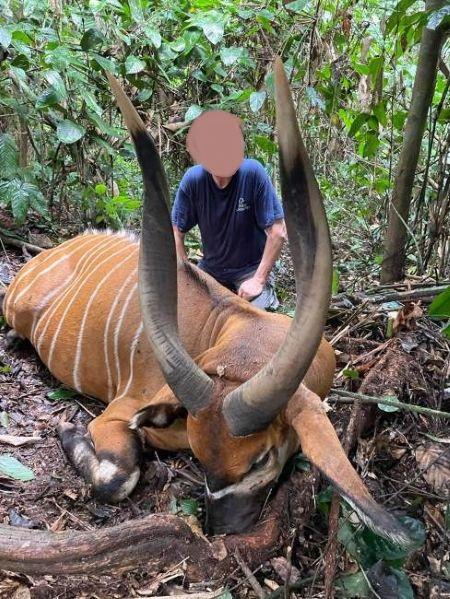
A bongo safari in the Republic of Congo represents far more than the pursuit of a single species.
This is not the Africa most hunters encounter on their first safari. There are no vast open plains, predictable game movements, or comfortable road networks connecting hunting areas. Instead, Congo is known for its immense Congo Basin rainforest wilderness, remote hunting concessions, and the opportunity to pursue some of Africa's most sought-after species in an environment that remains largely unchanged. At the center of that experience is the bongo.
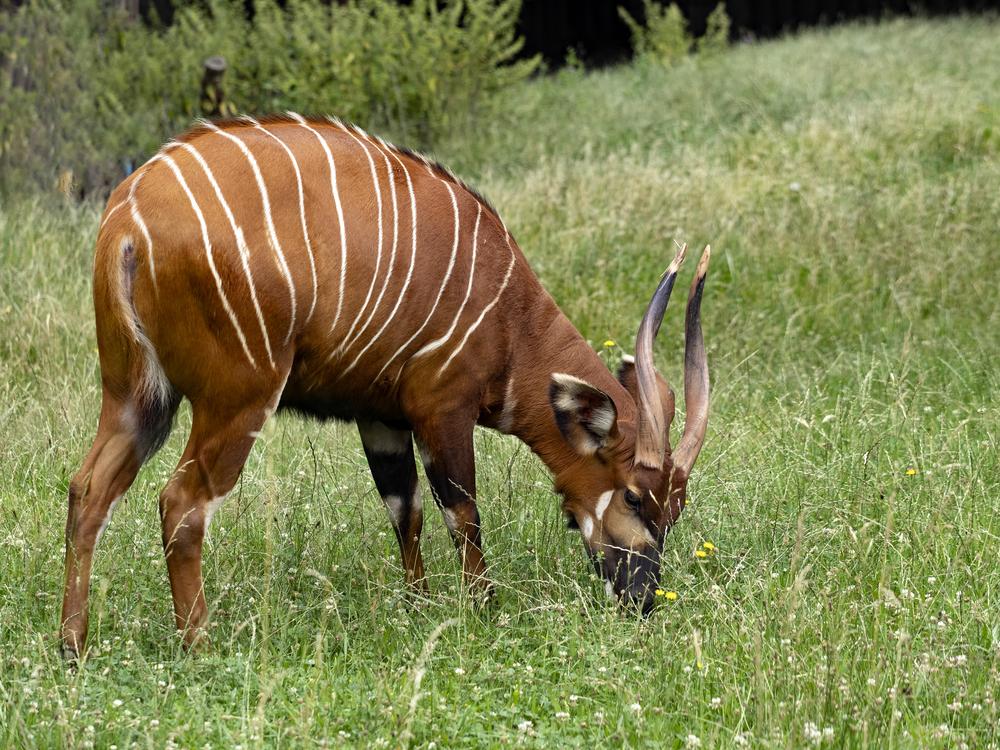
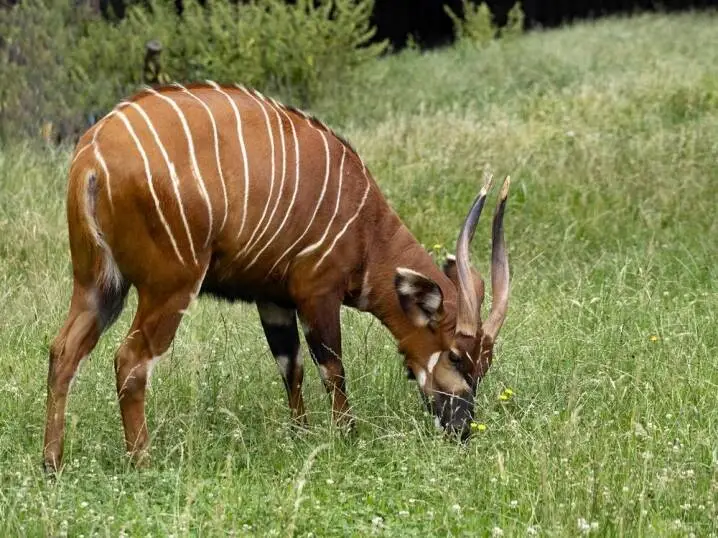
Often regarded as one of Africa's most iconic antelope, the bongo has drawn hunters to Central Africa for decades. The combination of striking appearance, elusive behavior, and the rainforest habitat it calls home has given the species an almost legendary reputation among experienced Africa hunters.
Yet a Congo bongo safari is rarely just about a single animal. Many hunters travel to the Republic of Congo for the opportunity to experience a true Central African safari, often combining bongo with species such as Lord Derby eland, forest buffalo, sitatunga, and other rainforest game. The result is a hunting experience that feels very different from the traditional safaris found elsewhere on the continent.
A successful Congo bongo safari begins long before arriving in camp. Understanding the hunting concessions, available species, travel logistics, costs, and overall experience is just as important as understanding the animal itself. This guide explores what makes the Republic of Congo one of Africa's most respected rainforest hunting destinations. Hunters considering a safari can also learn more about Hunting in the Republic of Congo and the opportunities available throughout the country.
Available Bongo Hunts
13 Days Bongo hunting in Tala Tala, Republic of Congo
Booking Season: 2026
Hunt Difficulty: Difficult
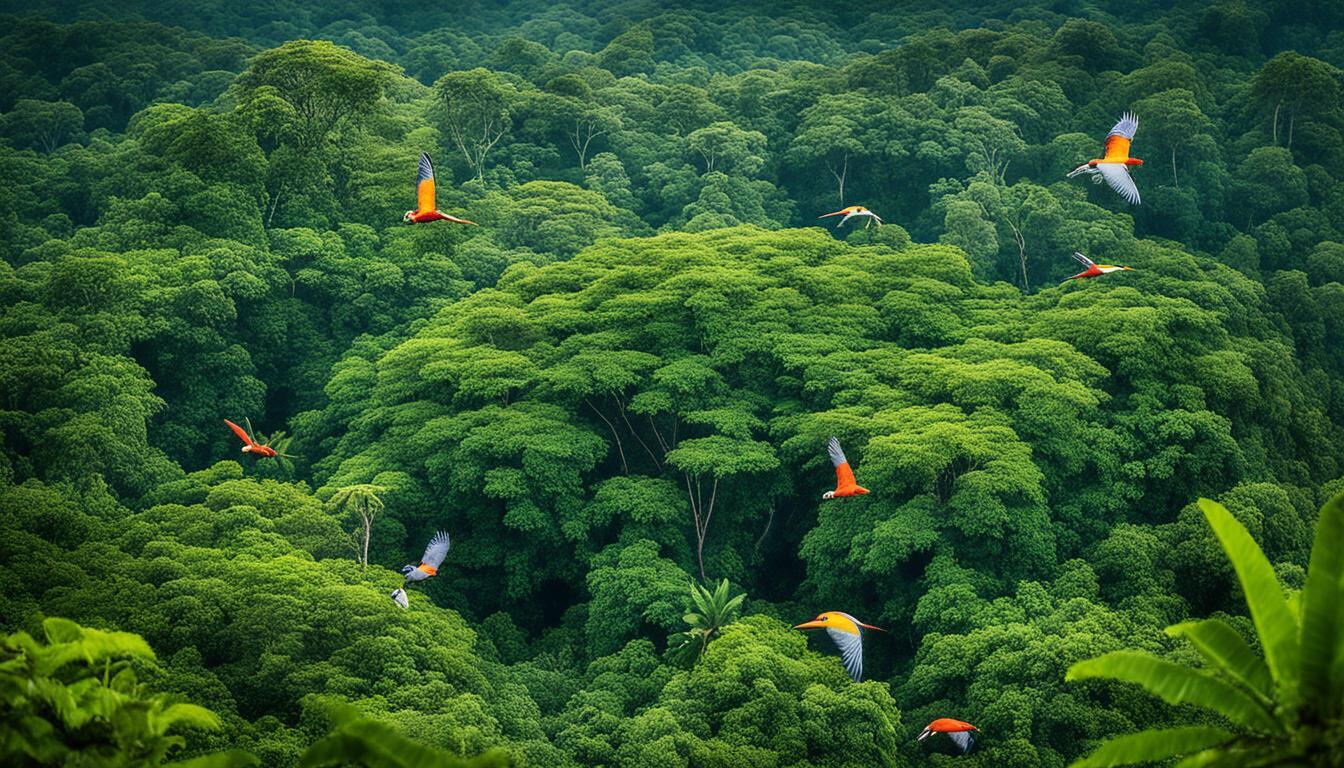
The Republic of Congo has earned a reputation among experienced hunters as one of the last places in Africa where a true rainforest safari still exists on a meaningful scale.
Unlike many hunting destinations that are defined by open landscapes and large concentrations of visible game, Congo is known for vast tracts of forest that can stretch for hundreds of miles with little sign of human development. For hunters arriving from the United States, Europe, or elsewhere abroad, that sense of remoteness is often one of the first things they notice.
The country's reputation is not built solely on bongo. It comes from the broader hunting experience that the rainforest provides. Species such as Lord Derby eland, forest buffalo, and sitatunga can all be found within the same ecosystem, creating opportunities that are difficult to replicate elsewhere in Africa. Hunters interested in pursuing this elusive wetland antelope can also learn more about Sitatunga Hunts available across Africa.
Over time, this combination of wilderness, species diversity, and limited hunting pressure has helped establish Congo as one of the continent's most respected destinations for hunters seeking something beyond a traditional plains game safari. The attraction is not simply the opportunity to harvest a bongo. It is the chance to experience a part of Africa that still feels genuinely wild. The camps are remote, the hunting areas are immense, and the safari often becomes as memorable as the species being pursued.
That distinction is important. While the bongo may be the animal that initially draws hunters to Congo, the overall experience is often what leaves the strongest impression long after the safari has ended.
Most hunters arrive in Africa with a picture in their minds of what a safari looks like. Open landscapes, long views across the bush, and game that can often be spotted from a considerable distance are common features in many of the continent's best-known hunting destinations.
The Republic of Congo offers something very different.
A Congo safari is defined less by what you can see and more by the scale of the wilderness around you. Large rainforest concessions dominate the landscape, creating an environment where the hunting experience feels remote from the moment you arrive. Distances are measured less by miles travelled and more by the effort required to move through a vast and largely untouched ecosystem.
For hunters, that sense of remoteness is one of the primary attractions. A safari in Congo often feels more like an expedition than a traditional hunting trip. Travel logistics are more complex, camps are more isolated, and the overall experience demands a greater commitment of both time and preparation.
The species available also help set Congo apart from many other African destinations. While bongo are often the primary objective, hunters are frequently drawn by the opportunity to pursue other rainforest species within the same safari. Lord Derby eland, forest buffalo, sitatunga, and several forest antelope contribute to an experience that is difficult to duplicate elsewhere on the continent. This combination of remote wilderness, unique species, and limited hunting pressure has helped establish the Republic of Congo as one of Africa's most distinctive hunting destinations. For hunters seeking a safari that extends beyond a single animal and becomes a complete wilderness experience, Congo occupies a category of its own.
While bongo are often the species that first capture a hunter's attention, they are rarely the only reason hunters travel to the Republic of Congo. One of the country's biggest attractions is the opportunity to pursue several of Central Africa's most sought-after species within the same rainforest ecosystem. For many American and international hunters, this creates a safari experience that is difficult to duplicate elsewhere on the continent.
The bongo remains the centerpiece for many visitors. Its reputation, striking appearance, and association with the great rainforests of Central Africa have made it one of Africa's most coveted antelope. As a result, many hunters begin their research looking specifically at available bongo hunts before exploring what else a Congo safari may offer. For others, the appeal extends beyond a single species.
Lord Derby eland, the world's largest antelope, has long been regarded as one of Africa's most prestigious trophies. The opportunity to combine a bongo safari with Lord Derby Eland Hunts is one of the factors that has helped establish the Republic of Congo as a destination for experienced African hunters seeking a truly unique safari.
Forest buffalo add another dimension to the experience. While they differ significantly from the Cape buffalo hunted elsewhere in Africa, they are highly respected animals in their own right and provide hunters with the opportunity to experience another unique species adapted to the rainforest environment.
Additional species may be available depending on the hunting area and safari structure, but it is often the combination of bongo, Lord Derby eland, and forest buffalo that draws hunters to the Republic of Congo. Together, they represent a collection of animals strongly associated with the wilderness, remoteness, and hunting traditions of Central Africa. For hunters, that combination is what transforms a Congo safari from a single-species hunt into a once-in-a-lifetime African hunting experience.
A hunting safari in the Republic of Congo is often very different from what many hunters experience elsewhere in Africa.
The journey typically begins long before reaching camp. International hunters usually travel through one of the country's major entry points before continuing into remote hunting areas that can be hundreds of miles from the nearest city. Depending on the concession, this may involve additional flights, long vehicle transfers, or a combination of both.
Once in camp, the pace of life changes quickly. Unlike destinations where hunters may return to towns, lodges, or heavily developed areas at the end of each day, Congo safaris are often conducted in remote wilderness concessions where the hunting camp becomes home for the duration of the safari. Days are structured around the realities of the rainforest environment, with hunting activities, meals, and downtime all centered around camp life.
The atmosphere is often more expedition-like than many hunters expect. The camps may be comfortable, but the focus remains firmly on the hunting experience and the surrounding wilderness rather than luxury amenities. For experienced hunters, this is part of the appeal.
Safari lengths are generally longer than many traditional plains game hunts. Travel distances, the remote nature of the concessions, and the species being pursued all contribute to longer itineraries that allow hunters enough time to fully experience the area and maximize opportunities in the field.
One of the most memorable aspects of a Congo safari is the sense of isolation. Once in camp, the distractions of everyday life tend to disappear. The focus shifts entirely to the hunting experience, the people around you, and the vast rainforest landscape that defines this part of Central Africa. It is this combination of remoteness, commitment, and immersion that often separates a Congo safari from many other hunting destinations on the continent.
For hunters researching the Republic of Congo for the first time, the cost of a bongo safari can come as a surprise. The reality is that hunters are not simply paying for the opportunity to pursue a single animal. Much of the investment is tied to the environment itself and what it takes to operate a hunting safari in one of Africa's most remote regions.
Unlike destinations with extensive infrastructure, Congo hunting concessions are often located far from major population centers. Getting hunters, staff, equipment, food, fuel, and supplies into these areas requires significant planning and logistics long before a safari even begins. In many cases, camps must operate independently for extended periods while supporting hunters in locations where access can be limited.
The length of the safari also plays a role. Congo hunts are typically longer than many traditional African hunting trips, reflecting both the travel involved and the nature of the species being pursued. Extended safari durations require larger support teams, additional supplies, and more time in the field, all of which contribute to the overall cost.
Species availability is another factor. Animals such as bongo, Lord Derby eland, and forest buffalo are closely associated with a relatively small number of hunting areas across Central Africa. The combination of limited hunting opportunities and the remote concessions where these species occur naturally creates a very different pricing structure from more common safari destinations. For veteran hunters, the value of a Congo safari is rarely measured by a single trophy. It is often found in the overall experience, the scale of the wilderness, the quality of the hunting areas, the diversity of species available, and the opportunity to spend time in a part of Africa that few hunters will ever see.
Understanding those realities helps explain why Congo occupies a unique position within the African hunting market. The cost reflects far more than the animal being pursued; it reflects the logistics, commitment, and wilderness experience that make these safaris possible in the first place. Many concessions operate deep within the Congo Basin, where supplies, fuel, equipment, and staff must be moved into areas that remain largely disconnected from conventional infrastructure.
Questions about health and travel are common when planning a safari in the Republic of Congo, particularly for hunters visiting the country for the first time. Like many destinations in Central Africa, travel preparation is an important part of the planning process. Depending on current regulations, hunters may need to meet specific entry requirements, obtain recommended vaccinations, and ensure that all travel documentation is in order well before departure.
Questions about malaria are common. The Republic of Congo is a malaria-risk area, and most hunters discuss preventative medication and travel precautions with their physician before traveling. It is also common for experienced Africa hunters to carry a basic medical kit suitable for remote travel conditions.
Ebola is another topic that often comes up during safari planning. While outbreaks have occurred in parts of Central Africa over the years, hunting operators closely monitor health advisories and government guidance. Hunting concessions are frequently located far from affected regions, but hunters should always review current travel information and consult official health resources before making travel decisions.
Because many hunting areas are remote, medical evacuation coverage is also worth considering. Experienced international travelers often view evacuation insurance as a standard part of trip planning, particularly when visiting wilderness areas where advanced medical facilities may be far away.
For hunters, these considerations become part of normal safari preparation rather than a reason to avoid the destination. As with any international hunting trip, good planning, reliable information, and working with experienced operators go a long way toward ensuring a smooth experience.
A bongo safari in the Republic of Congo is not typically the hunt that introduces someone to Africa. Most hunters who are drawn to Congo already have a clear idea of what they are looking for. They are often less interested in high animal numbers or highly structured hunting programs and more interested in experiencing a remote part of Africa that remains largely unchanged.
The safari tends to appeal to hunters who value wilderness, adventure, and the opportunity to pursue species that are unavailable in many other destinations. For some, the attraction is the bongo itself. For others, it is the chance to combine several iconic Central African species within the same safari.
Patience also helps. Congo is not a destination where every day is measured by the number of animals seen. Much of the experience revolves around spending time in a unique environment and understanding that some opportunities develop differently than they do in more traditional hunting destinations.
Many hunters who enjoy Congo describe the safari as being about far more than a trophy. The remoteness of the camps, the scale of the rainforest, the people involved, and the sense of being immersed in a truly wild landscape often become just as memorable as the animals themselves. Hunters comparing Central African rainforest safaris may also wish to explore Bongo Hunting in Cameroon, another renowned destination for pursuing this iconic antelope.
Bongo hunting in the Republic of Congo is widely regarded as one of Africa's more demanding hunting experiences, but not simply because of the animal itself. The rainforest environment, remote hunting areas, and the amount of time spent in the field all contribute to the challenge. Success often depends on patience, preparation, and the ability to adapt to conditions that can change from day to day.
At the same time, it is important not to confuse difficulty with impossibility. Experienced professional hunters, trackers, and camp staff work together throughout the safari to maximize opportunities and help hunters make the most of their time in the field.
For most hunters, the challenge is part of the attraction. The effort required to pursue bongo in the rainforests of Central Africa is one of the reasons the species has earned such a respected reputation among Africa's most sought-after trophies.
Can you legally hunt bongo in the Republic of Congo?
Yes. Bongo hunts are conducted within regulated hunting concessions operating under the laws and wildlife management frameworks of the Republic of Congo. Availability, seasons, and permit requirements can vary, so hunters should always confirm current regulations with their outfitter before booking.
How long does a typical Congo bongo safari last?
Most bongo safaris are longer than many traditional African hunting trips. Depending on the hunting area, travel requirements, and species being pursued, hunters often spend between two and three weeks in the field.
Can bongo be combined with Lord Derby eland?
Yes. One of the major attractions of hunting in the Republic of Congo is the opportunity to pursue both bongo and Lord Derby eland within the same safari. For many hunters, this combination represents one of the most desirable hunting experiences available in Central Africa.
Can forest buffalo be hunted during the same safari?
In many hunting areas, forest buffalo can be included as part of a broader Congo hunting safari. Availability depends on the concession, hunting regulations, and the structure of the safari being booked.
What is the best time of year to hunt bongo in Congo?
Hunting seasons and conditions vary between concessions, but operators generally schedule safaris during periods that offer favorable access, hunting conditions, and logistical support. Hunters should consult their outfitter regarding current seasonal recommendations.
How physically demanding is a Congo hunting safari?
Most hunters find Congo more physically demanding than a typical plains game safari. Remote conditions, extended time in the field, and the nature of the rainforest environment all require a reasonable level of preparation and fitness.
Is the Republic of Congo safe for hunting safaris?
The hunting areas used by established safari operators are generally located within managed concessions that have been hosting international hunters for many years. As with any international travel destination, hunters should review current travel advisories and follow the guidance of experienced outfitters and professional hunters.
What travel documents are typically required?
Requirements can change over time, but hunters should generally expect to need a valid passport, appropriate visas where required, firearm documentation if bringing their own rifle, and any health-related documentation required by current regulations.
What caliber is commonly used for bongo hunting?
Many hunters choose medium to large caliber rifles that are well suited to African plains game and larger antelope species. The most appropriate caliber often depends on the overall safari plan and any additional species being pursued.
How far in advance should a Congo safari be booked?
Because of limited availability, travel logistics, and the planning involved, many hunters begin discussions with outfitters well in advance of their preferred hunting dates. Early planning generally provides the greatest flexibility when selecting safari dates and hunting areas.
For hunters, a bongo safari in the Republic of Congo represents far more than the pursuit of a single species.
It is an opportunity to experience one of Africa's last great rainforest hunting destinations, where vast wilderness areas, iconic Central African game, and remote hunting concessions combine to create a safari unlike any other. The attraction is not found solely in the bongo itself, but in the broader experience of spending time in a part of Africa that remains remarkably wild and largely unchanged.
The Republic of Congo is not the easiest hunting destination to reach, nor is it the right choice for every hunter. Yet for those drawn to wilderness, adventure, and the opportunity to pursue some of Africa's most respected species, it continues to occupy a special place within the hunting world. Long after the safari is over, hunters may find that it is not a single moment they remember most, but the overall experience of hunting in one of the continent's most unique and remote environments.
Search from our range of Hunts across various popular destinations in Africa.

Book Your Hunt