Designed by Hunters, for Hunters

Few African antelope are as closely associated with South Africa as the bontebok. Once driven to the brink of extinction, the bontebok has become one of South Africa's great conservation success stories and today offers hunters the opportunity to pursue an animal found naturally only in the country.
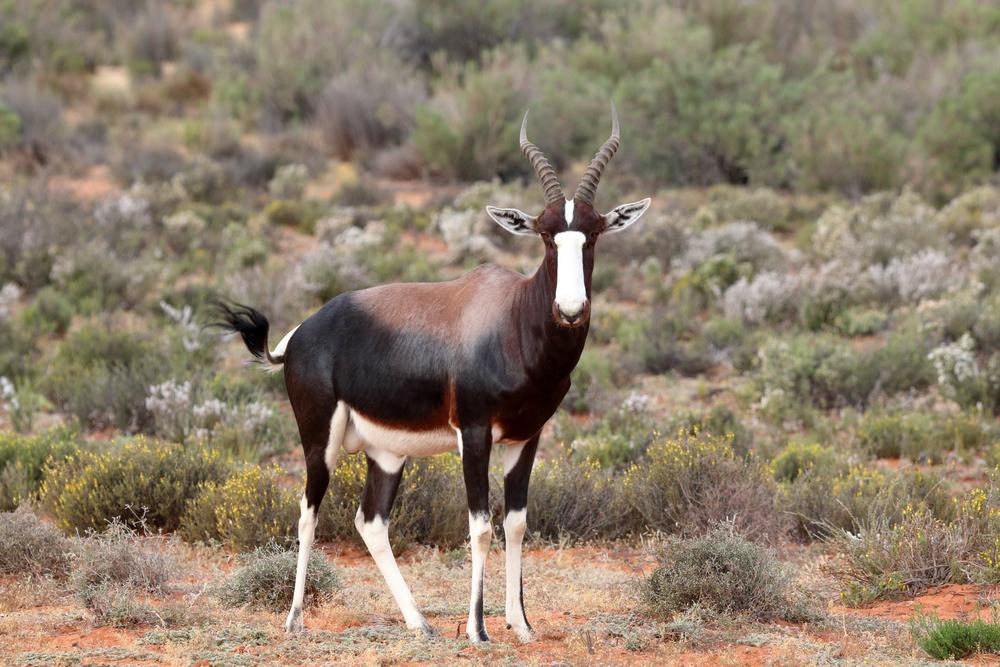
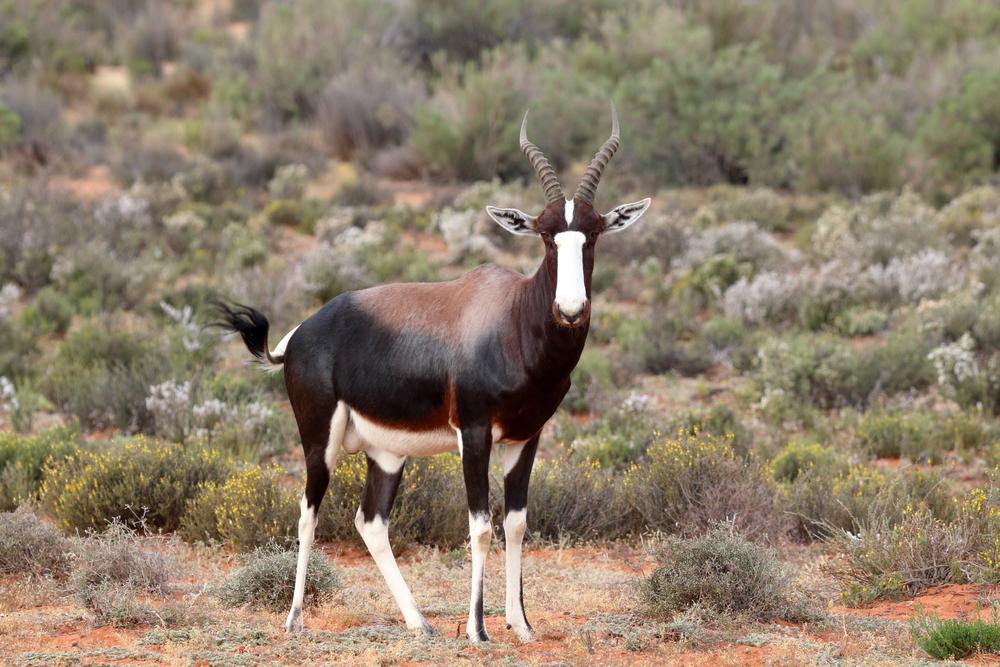
Although bontebok share a close resemblance to the blesbok, experienced hunters quickly learn that the two species have their own distinctive characteristics. A mature bontebok ram combines striking facial markings, a rich chestnut coat and beautifully shaped horns, making it one of the most attractive trophies available on a Plains Game Hunt.
Bontebok are commonly hunted as part of a broader safari when Hunting in South Africa, where they fit naturally alongside species such as springbok, black wildebeest and blesbok. Most hunts take place across open grasslands where careful stalking, patience and accurate shooting from sticks remain the keys to success.
Bontebok and blesbok belong to the same group of antelope and, at first glance, can appear remarkably similar. Both have white facial blazes, ringed horns and a chestnut-brown coat, leading many first-time hunters to mistake one for the other. Once you know what to look for, however, distinguishing the two becomes much easier.
The most obvious difference is the face. A bontebok has a clean, well-defined white blaze running from the forehead to the muzzle, while the dark brown colouring remains distinct along the sides of the face. On a blesbok, the white markings usually spread farther onto the cheeks, giving the face a lighter, less sharply defined appearance.
Bontebok also tend to display a richer, darker chestnut coat with a stronger contrast between the dark body and the white markings on the face, belly and legs. Mature rams often have a polished appearance that many hunters consider one of the most striking among South Africa's plains game species.
Although there are other subtle differences in coat colour and markings, hunters rarely need to study every detail in the field. Once you become familiar with the cleaner facial markings and richer colouring of a bontebok, identifying the species through binoculars becomes surprisingly straightforward.
Bontebok may not receive the same attention as species such as kudu or sable, but they have earned a respected place on many South African plains game safaris. Their striking appearance, cautious nature and conservation success story make them a rewarding species for hunters looking to pursue something uniquely South African.
Most bontebok hunts take place across open grasslands where careful stalking and patience are essential. Although they are not regarded as one of Africa's most difficult antelope to hunt, mature rams are alert and quick to detect movement, often requiring hunters to make full use of the terrain before an ethical shot presents itself.
A mature bontebok ram also produces one of the most attractive shoulder mounts among South Africa's plains game. The rich chestnut coat, bold white facial blaze and symmetrical, ringed horns create a trophy that immediately stands out in any collection. As with all medium-sized African antelope, success depends on placing the bullet accurately through the vital organs, and hunters should familiarise themselves with the correct shot placement for medium-sized African game before arriving in camp.
Bontebok are most commonly hunted across South Africa's open grasslands, rolling plains and lightly undulating farmland where visibility is often excellent. Rather than relying on thick cover, these antelope depend on keen eyesight and the security of remaining with the herd to detect approaching danger.
A typical hunt begins by glassing from elevated ground or covering suitable habitat until a mature ram has been located. Once the desired animal has been identified, the Professional Hunter will use the terrain, wind direction and any available cover to plan a careful stalk. Small rises, drainage lines and scattered vegetation often become valuable allies when closing the final distance.
Bontebok are naturally alert but are generally less unpredictable than some of South Africa's more challenging plains game species. Even so, a careless approach or unnecessary movement can quickly send the herd moving away, leaving the hunter to begin the stalk again.
Patience often determines the outcome of the hunt. Waiting for the ram to present a clear broadside shot and resisting the temptation to rush the opportunity usually results in a cleaner, more ethical harvest.
One of the advantages of hunting bontebok in South Africa is that they are rarely pursued on their own. Instead, they are commonly included as part of a broader plains game safari, allowing hunters to enjoy a variety of species, landscapes and hunting styles during a single trip.
Bontebok share open grassland habitat with several of South Africa's best-known plains game species. A Blesbok Hunt is a natural pairing for hunters wanting to appreciate the subtle differences between these closely related antelope, while Springbok Hunts and Black Wildebeest Hunts complement the open-country style of hunting. Depending on the hunting area, species such as impala, zebra and wildebeest may also form part of the safari.
One of the benefits of planning a multi-species safari is the variety it brings to each day in the field. Hunters may spend one morning stalking a mature bontebok ram across open grassland before shifting their focus to another species in different terrain later in the day. This variety keeps the hunt engaging while providing opportunities to pursue several of South Africa's most sought-after plains game animals during a single visit.
Whether the goal is to pursue a handful of carefully selected trophies or build a broader plains game collection, including a bontebok adds one of South Africa's most distinctive and historically significant antelope to the safari.
Although bontebok may not be the primary reason many hunters travel to Africa, they are a species well worth including when planning a South African plains game hunting safari. Their unique appearance, fascinating conservation story and rewarding spot-and-stalk hunting style make them one of the country's most memorable plains game animals.
Planning one of our Hunting Trips allows hunters to build an itinerary around their individual interests, whether that means pursuing a mature bontebok ram alongside South Africa's classic plains game species or creating a longer safari that combines different habitats and hunting styles. Working with an experienced Professional Hunter helps ensure the hunting area, season and species selection are matched to your goals and available hunting days.
With the right planning, a bontebok hunt becomes more than simply adding another trophy to the collection. It becomes part of a well-balanced African hunting safari that reflects both South Africa's remarkable conservation success and the rewarding variety that makes plains game hunting in South Africa so popular with hunters from around the world.
Are bontebok and blesbok the same animal?
No. Although bontebok and blesbok are closely related and can appear similar at first glance, they are separate species with distinct facial markings, coat colour and conservation status. Hunters interested in pursuing either species will often encounter them on South African plains game safaris, but learning to distinguish between them is an important part of planning the hunt.
Can you hunt bontebok on a South African plains game safari?
Yes. Bontebok are commonly included as part of a South African plains game safari and are often hunted alongside species such as springbok, black wildebeest, impala and zebra. Their preference for open grasslands makes them an excellent addition to a varied safari without requiring hunters to travel between multiple hunting areas.
What is considered a good bontebok trophy?
A mature ram with heavy, well-ringed horns, good symmetry and strong overall character is generally considered a desirable trophy. Experienced Professional Hunters often encourage hunters to focus on the age and quality of the animal rather than horn length alone.
What calibre is best for hunting bontebok?
Popular choices include the .243 Winchester, .270 Winchester, .308 Winchester and .30-06 Springfield. Any of these calibres provide more than enough performance for bontebok when paired with quality ammunition and accurate shot placement.
When is the best time to hunt bontebok in South Africa?
Bontebok can be hunted throughout much of South Africa's hunting season, although many hunters prefer the cooler, drier months when shorter grass improves visibility and spot-and-stalk hunting becomes more effective.
Search from our range of Hunts across various popular destinations in Africa.

Book Your Hunt