Africa Hunting Trip for Dwarf Buffalo & Sitatunga Cameroon
Booking Season: 2026
Hunt Difficulty: Difficult

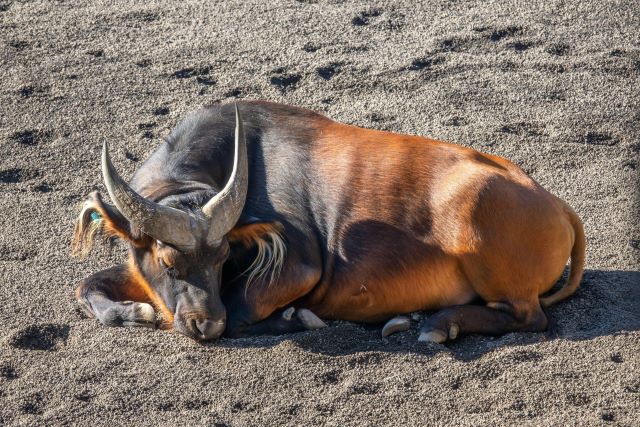
This is not a general buffalo hunting page.
It is not written to compare different African destinations.
And it is not meant for first-time dangerous game hunters.
This page exists to answer one question clearly:
Is hunting African forest buffalo in Cameroon actually worth it—for you?
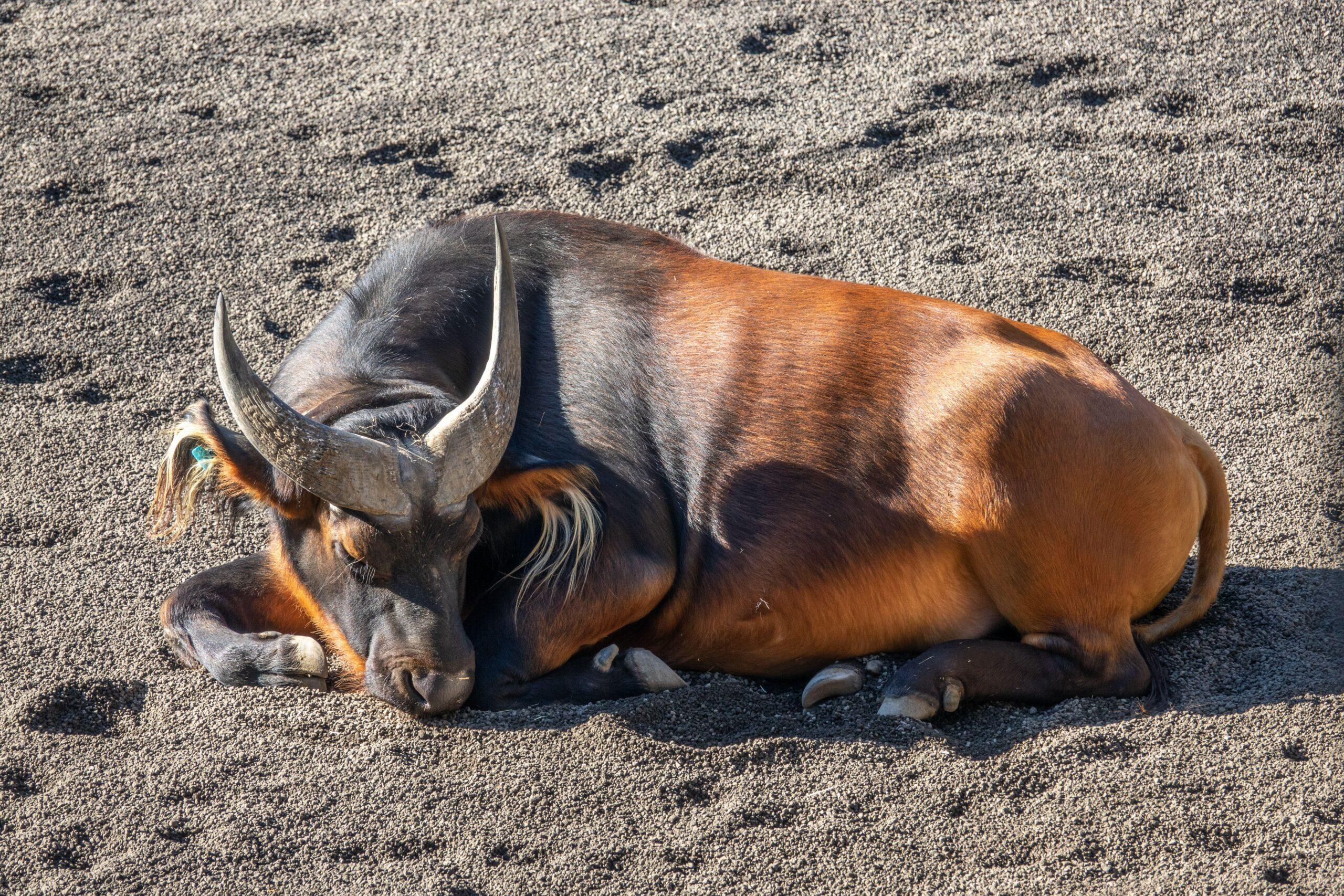
Because despite being smaller than other buffalo species, this hunt is often more intense than many hunters expect. African forest buffalo—also commonly referred to as dwarf buffalo or red buffalo—behave very differently from the open-country buffalo most hunters are familiar with. For a broader understanding of how safaris work here, you should first read about hunting in Cameroon before focusing on this specific hunt.
Most hunters think of buffalo in one way. Open country. Long tracking lines. Herds visible at distance. That does not apply here.
Forest buffalo live in thick vegetation, broken terrain, and riverine systems where visibility is limited and movement is restricted. You are not spotting animals from afar, you are working into close range before you even know exactly what you’re dealing with. And that changes the entire dynamic. This is not a glass-and-plan hunt. It is a close-range, reactive hunt where things happen quickly and often without warning.
Available Forest Buffalo Hunts
Africa Hunting Trip for Dwarf Buffalo & Sitatunga Cameroon
Booking Season: 2026
Hunt Difficulty: Difficult
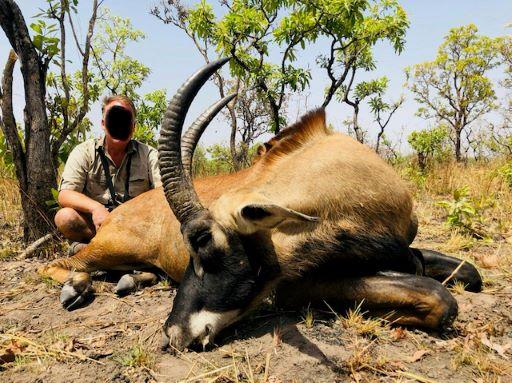
Buffalo Hunting & Roan in the Savannah Cameroon
Booking Season: 2026
Hunt Difficulty: Difficult
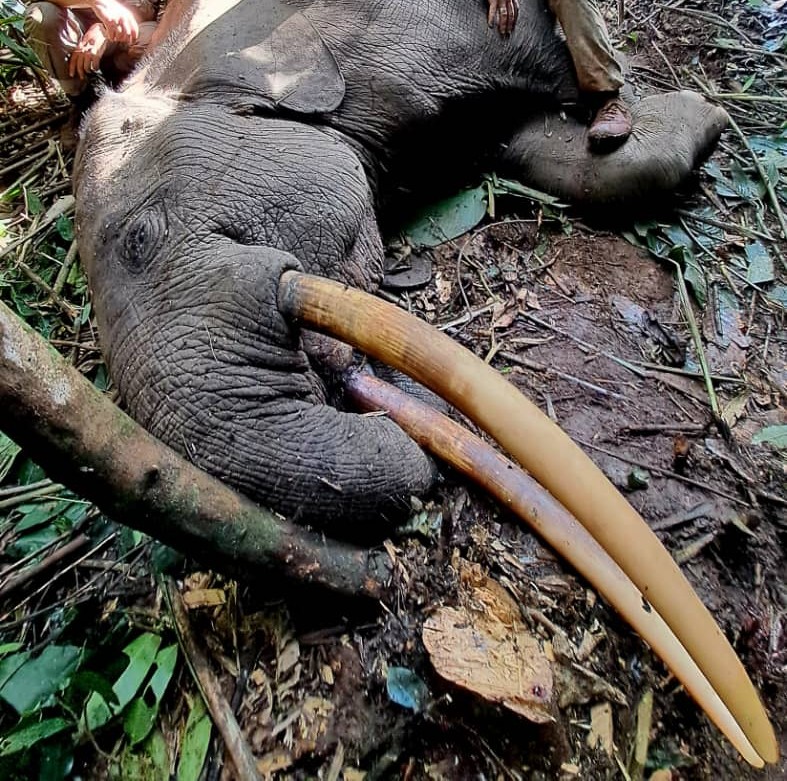
Bongo, Sitatunga & Forest Elephant Hunting in Cameroon
Booking Season: 2026
Hunt Difficulty: Moderate, Difficult
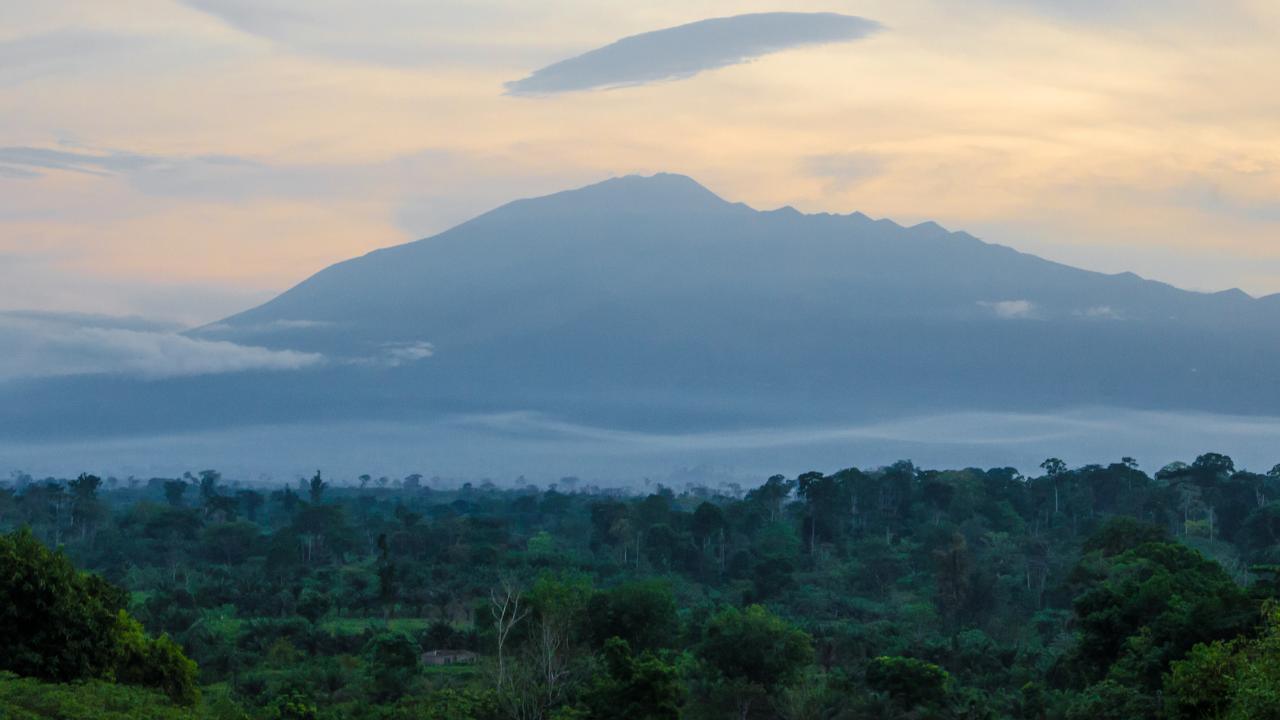
Forest buffalo hunting in Cameroon takes place in the southeastern rainforest concessions. These areas are dense, humid, and difficult to navigate. Visibility is often limited to a few yards, and terrain can shift between thick forest, swampy ground, and narrow openings. You are not covering ground quickly here. You are moving carefully, often in single file, relying heavily on experienced local trackers, often from indigenous pygmy communities—to interpret sign in conditions where tracks do not always hold clearly.
The environment dictates everything.
Most forest buffalo hunts are built around tracking.
Trackers locate fresh spoor, often subtle in soft ground or disturbed vegetation and begin following it through dense cover. Progress is slow, and maintaining the track requires constant focus. At times, the herd may be close without being seen. At other times, the track simply fades.
There are also moments where hunters position near travel routes or feeding areas, but even then, encounters tend to be brief and unpredictable. And when the buffalo is finally located, the situation changes quickly. This is not a long setup. It is a close encounter, often inside 20 to 40 yards where visibility is partial and time to react is limited.
Forest buffalo are also typically found in smaller groups than savanna buffalo, which further reduces predictability and limits second-shot opportunities.
Forest buffalo may be smaller than their savanna counterparts, but they should not be underestimated. At close range, in thick cover, they are fast, reactive, and capable of turning a situation quickly. You are not shooting across open ground with time to adjust. You are making decisions in tight conditions where shot placement, awareness, and follow-up matter immediately.
This is dangerous game hunting in a compressed environment.
The biggest difference is control.
In open-country buffalo hunting, you often see the herd, plan the approach, and set up the shot. In forest buffalo hunting, you rarely get that luxury.
Encounters are often:
• sudden
• partially obscured
• already unfolding
You may only see part of the animal. You may have seconds to react. And once the shot is taken, the follow-up can be just as intense. That creates a very different kind of pressure.
Forest buffalo hunting typically takes place during the dry season, when movement is more predictable and access to remote rainforest areas is possible. Most hunts occur between January and June, although exact timing can vary depending on rainfall patterns and concession location. Even in the dry season, conditions remain humid, and terrain can still be difficult to navigate. This is never an easy environment, but timing your hunt correctly improves your chances of consistent tracking conditions.
Hunting forest buffalo in Cameroon is not a straightforward travel experience. Most hunters arrive via international flights into Douala, followed by domestic transfers or charter flights into remote regions. From there, reaching camp often involves long vehicle transfers into isolated concessions. This is not a polished or infrastructure-heavy destination.
Travel is part of the hunt, and logistics can be as demanding as the hunting itself.
Very few hunters travel to Cameroon just to hunt forest buffalo, and there’s a reason for that.
Success is never guaranteed. Tracking conditions, movement patterns, and the nature of the rainforest itself all work against predictability. You can do everything right and still walk away without an opportunity. That’s why most safaris here are built around multiple species. Hunts are commonly structured to include animals like bongo or sitatunga, turning the experience into a full rainforest pursuit rather than a single high-pressure objective. Because in this environment, it’s rarely about one moment. It’s about working the system as a whole.
For hunters, it’s that combination, especially the chance to pursue bongo hunting alongside forest buffalo—that ultimately makes the trip worth doing.
Forest buffalo hunting in Cameroon is not a quick hunt, and it’s not designed to be.
Most safaris run between two and three weeks, because they have to. Tracking in dense rainforest takes time, and opportunities can’t be rushed or manufactured. This is not a numbers game. Costs reflect that reality. You are paying for access to vast, remote concessions, highly skilled tracking teams, and a hunting system built around low-density, free-ranging animals, not volume or convenience.
For hunters traveling from the United States or Canada, this is a serious commitment—both in time, cost, and what you’re giving up to be here instead of hunting more predictable destinations.
Forest buffalo hunting in Cameroon quickly shows you whether it fits, or doesn’t. It tends to suit hunters who already understand dangerous game and are comfortable operating in close-range, high-pressure situations where control is limited.
Hunters who prefer structure, visibility, and predictable shot setups often struggle here.
Those who embrace the intensity, the uncertainty, and the need to stay composed when things happen fast tend to get the most out of it. In our experience, this is one of the fastest hunts in Africa to expose whether a hunter is truly comfortable with close-range dangerous game, or not.
For many hunters, the honest answer is no.
If you’re looking for a classic buffalo experience, open visibility, herd dynamics, and controlled shot opportunities—there are better, more predictable options elsewhere in Africa. But that’s not what Cameroon offers. This is a compressed, high-intensity version of dangerous game hunting. Encounters are close. Decisions are fast. And the environment limits how much control you actually have.
For the right hunter, that’s exactly the appeal.
For the wrong one, it becomes frustration very quickly.
The difference matters, and whether it’s worth it depends entirely on what kind of hunt you’re really looking for.
Forest buffalo hunting in Cameroon is not predictable—and that’s the point.
You may track for hours without seeing the animal. You may suddenly find yourself inside 30 yards in thick cover with only seconds to react. And even when everything comes together, the shot can feel rushed, partially obscured, and unforgiving. This is not a controlled environment. It is pressure, compressed.
For some hunters, that intensity is exactly what they are looking for.
For others, it quickly becomes clear that there are better options elsewhere, hunts that offer more visibility, more structure, and more consistent opportunities.
Cameroon does not compete on ease. It offers something far more demanding. And whether that appeals to you, or works against you, depends entirely on the kind of hunter you are. We’ve had hunters come here expecting a variation of a Cape buffalo hunt—and leave realizing it’s a completely different challenge altogether.
Search from our range of Hunts across various popular destinations in Africa.

Book Your Hunt