
7-Day Rufunsa Cape Buffalo Hunt
Booking Season: 2026
Hunt Difficulty: Difficult

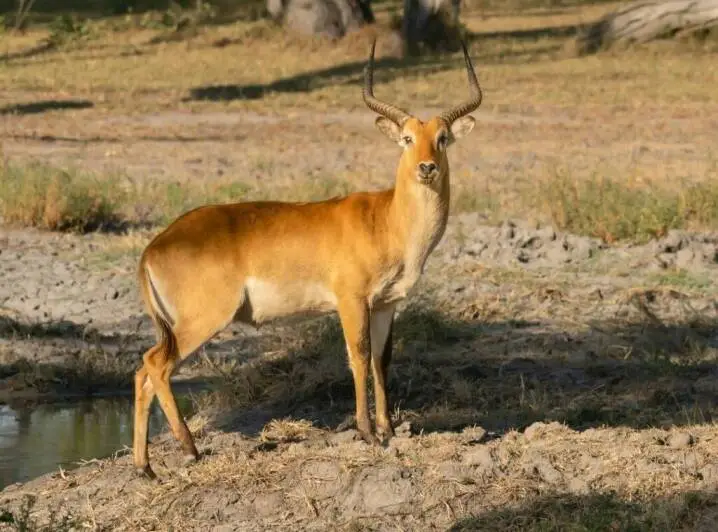
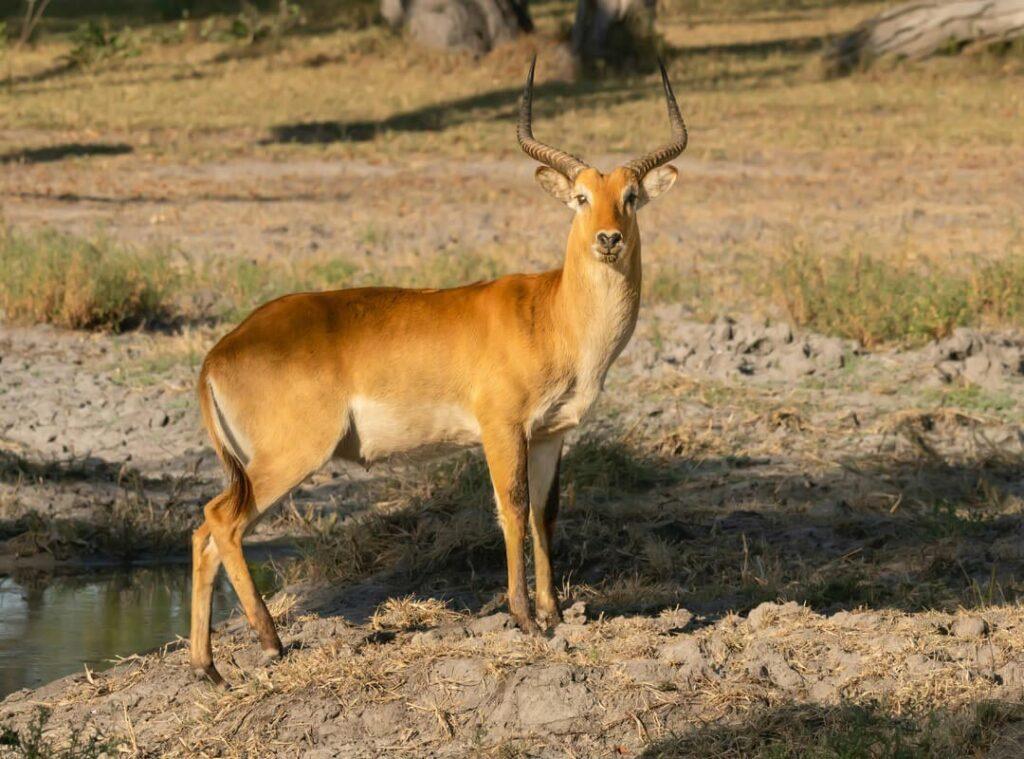
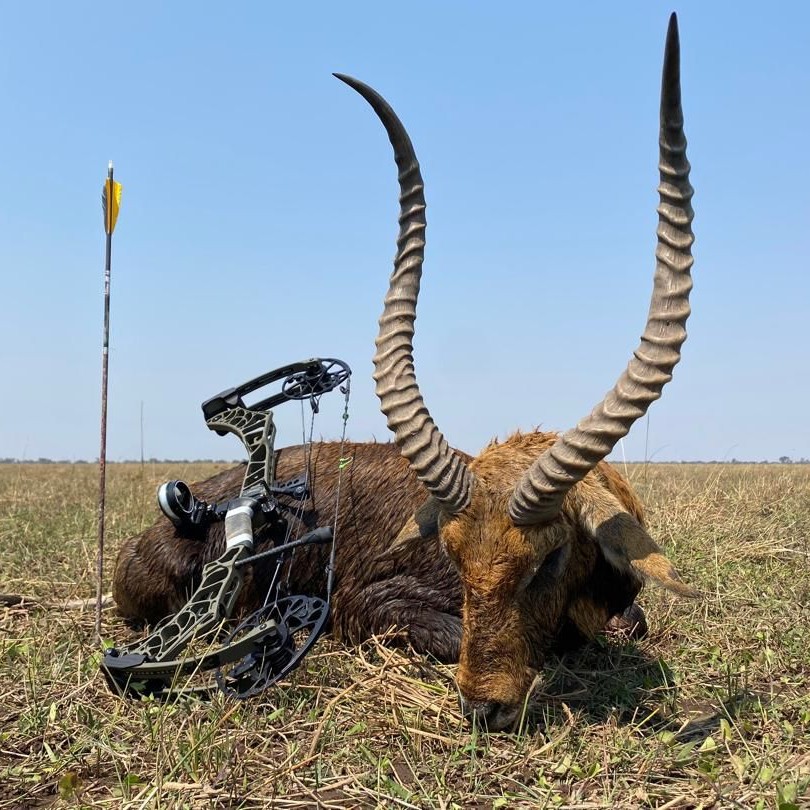
The Kafue lechwe is one of Zambia's most distinctive antelope species and one that cannot truly be separated from the landscape it inhabits. Found primarily on the vast floodplains of the Kafue Flats, this unique antelope has adapted to an environment of seasonal wetlands, open grasslands, and shallow water that differs dramatically from many other hunting areas in Africa.
For American and international hunters planning a safari in Zambia, the Kafue lechwe represents more than just another antelope species. It is part of a specialized ecosystem found nowhere else, making it one of the country's most recognizable and sought-after endemic animals. Hunters interested in available hunting areas, species, and safari planning can learn more in our complete guide to hunting in Zambia.
Available Kafue Lechwe Hunts
7-Day Rufunsa Cape Buffalo Hunt
Booking Season: 2026
Hunt Difficulty: Difficult
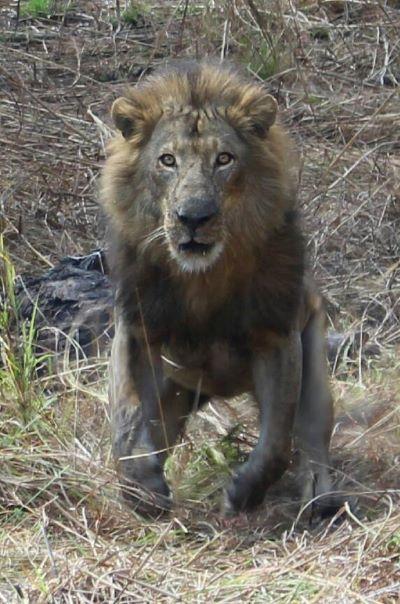
Trophy Lion Hunting 21 Days in Untamed Rufunsa GMA Zambia
Booking Season: 2026
Hunt Difficulty: Difficult
Hunt Zambia 21 Days - Lion, Leopard, Cape Buffalo & PG
Booking Season: 2026
Hunt Difficulty: Difficult
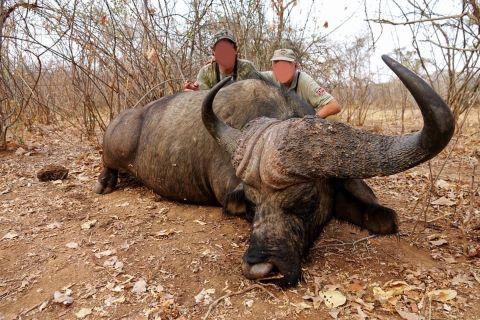
Buffalo Hunting in Zambia's Zambezi Valley
Booking Season: 2026
Hunt Difficulty: Difficult
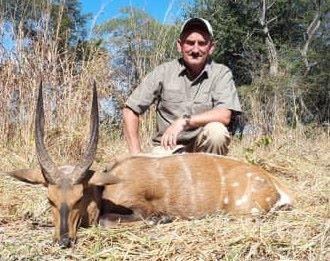
Zambia Plains Game Hunt | Luena Valley Tsessebe, Puku & Zebra Safari
Booking Season: 2026
Hunt Difficulty: Moderate, Difficult
Plains Game Hunting in Zambia: Black & Kafue Lechwe, Puku & Bushbuck
Booking Season: 2026
Hunt Difficulty: Moderate
The Kafue lechwe cannot be separated from the landscape that shaped it. Unlike many African antelope that inhabit woodlands, savannas, or mountainous terrain, Kafue lechwe are closely tied to the vast floodplains of central Zambia known as the Kafue Flats.
The Kafue Flats are a seasonal wetland system stretching for hundreds of miles along the Kafue River. During periods of flooding, large areas become covered by shallow water, creating a unique environment of flooded grasslands, reed beds, and open plains. These conditions provide abundant grazing while also offering protection from predators that are less comfortable operating in wet terrain.
Over thousands of years, Kafue lechwe adapted specifically to this environment. Their distinctive elongated hooves help distribute weight on soft ground, allowing them to move through mud and shallow water far more efficiently than many other antelope species. Hunters often notice this adaptation immediately, as lechwe appear remarkably comfortable in conditions where most plains game would struggle.
Understanding the Kafue Flats also helps explain why this species remains so strongly associated with Zambia. The habitat is every bit as important as the animal itself. A mature Kafue lechwe standing in flooded grassland is one of the classic images of Zambian hunting and a reminder that some African species can only be fully appreciated in the landscapes where they evolved.
The environment plays a major role in how Kafue lechwe are hunted. Unlike many traditional plains game hunts, which take place across dry savanna or woodland, Kafue lechwe are often encountered in open floodplain environments where water, grass height, and seasonal conditions influence both animal movement and hunting strategy.
Visibility can be excellent across portions of the flats, allowing hunters to locate animals at considerable distance. However, getting into position is often more challenging than finding the animals themselves. Shallow water, muddy ground, and open terrain can make stalks difficult, particularly when approaching mature bulls that spend much of their time in areas with limited cover.
Lechwe are highly adapted to these conditions and often move through wet ground with surprising ease. Hunters quickly discover that the species can travel through terrain that is far more difficult for people than it is for the animals themselves. Successful hunts often depend on careful planning, patience, and making the most of available cover rather than simply closing distance quickly.
Unlike rainforest hunting, where visibility is measured in yards, the Kafue Flats create a hunting experience defined by space, open country, and the challenge of approaching game in a landscape where both hunter and animal can often see considerable distances.
The experience can feel very different from shooting on a range or hunting in dry terrain. Stable footing is not always guaranteed, vegetation can obscure portions of the animal, and conditions often require hunters to adapt quickly to the realities of the floodplain.
A quality Kafue lechwe trophy is about far more than horn length alone. Experienced hunters typically evaluate a combination of horn shape, symmetry, mass, maturity, and overall appearance before deciding whether a bull is worth pursuing.
The most desirable bulls carry well-developed horns with strong shape and balance. While length is important, many hunters place equal value on symmetry and character. A mature bull with balanced horns and good overall presentation is often more impressive than an animal that carries additional length but lacks proportion.
Body condition is another important indicator. Mature bulls often display a heavier build and a darker, richer coloration than younger animals. These characteristics can make a bull stand out immediately when viewed through binoculars, even before close attention is paid to the horns.
One of the challenges of evaluating Kafue lechwe is that animals are frequently observed in wet terrain, tall grass, or shallow water. Portions of the body may be obscured, making it more difficult to accurately judge size and maturity from a distance. Hunters and professional hunters often spend considerable time observing a bull before beginning a stalk, particularly when multiple animals are present.
As with many African antelope species, age and maturity are often the most important considerations. A fully mature bull that has spent years surviving the seasonal conditions of the Kafue Flats represents the type of trophy most experienced hunters hope to take home.
One of the unique challenges of Kafue lechwe hunting is that locating animals is often easier than selecting the right bull. Unlike many African antelope that are encountered in small groups, lechwe are frequently observed in larger herds spread across the floodplains.
At first glance, this can make the hunt appear straightforward. In reality, the opposite is often true. When numerous animals are moving through grass, shallow water, and open terrain, identifying a mature bull requires patience and careful observation. Hunters and professional hunters may spend considerable time evaluating animals before beginning a stalk.
The presence of large numbers of lechwe can also create additional challenges. Animals are constantly watching one another, and movement by a single alert individual can influence the behavior of the wider group. This makes it important to approach carefully and avoid rushing a decision simply because animals are visible.
For many hunters, this becomes one of the most enjoyable aspects of the hunt. The challenge is not finding lechwe, but identifying the right bull and then successfully closing the distance in an environment where both the terrain and the herd itself can work against you.
Kafue lechwe are rarely the only species on a Zambian safari. Many hunters combine the pursuit of lechwe with other opportunities available within the same hunting areas, creating a more diverse and rewarding experience.
One of the most common combinations is buffalo hunting in Zambia. While the two species occupy very different niches within the ecosystem, they are often found within the same broader safari regions. This allows hunters to experience both the floodplain environment associated with lechwe and the excitement of pursuing one of Africa's most respected dangerous game animals.
Depending on the concession and safari area, hunters may also have opportunities to pursue additional plains game hunts, creating a varied hunting experience that showcases the diversity of Zambia's wildlife. The exact species available will vary by area and quota, but combining multiple species is often one of the advantages of a well-planned Zambian safari.
The combination of wetland antelope, plains game, and dangerous game is one of the reasons Zambia remains such a compelling hunting destination. Few African countries offer the same opportunity to experience such varied hunting environments within a single safari.
Kafue lechwe are often most active during the cooler parts of the day, particularly in the early morning and late afternoon. These periods are frequently the most productive for hunters, as animals are more likely to be feeding, moving between grazing areas, or interacting with other members of the herd.
One of the advantages of hunting lechwe on the Kafue Flats is the ability to observe animals at considerable distance. Professional hunters will often spend time glassing herds before making any attempt to stalk. This allows them to evaluate multiple bulls, assess maturity, and determine whether a particular animal is worth pursuing.
Patience is often rewarded. Rather than rushing into a stalk, hunters may spend significant time watching how a herd behaves, how animals are positioned within the floodplain, and how changing conditions might influence the approach. In many cases, the decision-making process begins long before the stalk itself.
For hunters unfamiliar with floodplain hunting, this can be one of the most enjoyable aspects of the experience. Success often comes from careful observation and planning rather than simply covering ground in search of game.
Few African antelope are as closely connected to a specific landscape as the Kafue lechwe. The species has evolved alongside the seasonal rhythms of the Kafue Flats, creating a hunting experience that is unlike anything found in most other parts of Africa.
The appeal extends beyond horn length or trophy measurements. Hunting Kafue lechwe combines open floodplain stalks, careful trophy evaluation, large herds, and a habitat that has shaped every aspect of the animal's behavior. It is a hunt that rewards observation, patience, and an appreciation for the environment itself.
Whether pursued as part of a broader plains game safari or combined with opportunities for dangerous game, the Kafue lechwe remains one of the animals that best represents the unique character of Zambian hunting.
Hunters interested in planning a safari can learn more in our complete guide to hunting in Zambia. Those preparing for a hunt may also find our guide to shot placement for hunting game in Africa useful before traveling.
Search from our range of Hunts across various popular destinations in Africa.

Book Your Hunt