South African Hunts: Complete the Wildebeest Slam!
Booking Season: 2026
Hunt Difficulty: Moderate

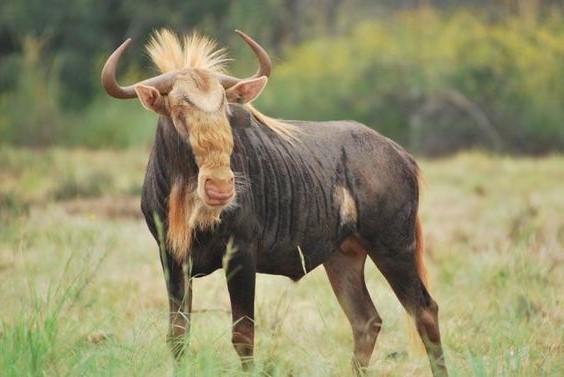
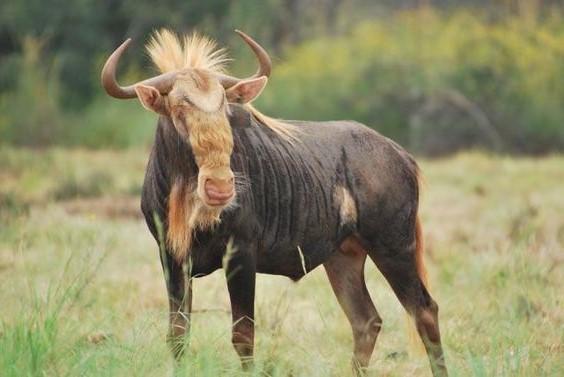
At first glance, a King's wildebeest is unmistakably a blue wildebeest. The body shape, sweeping horns and heavy shoulders are all familiar, but the distinctive colouration immediately sets the animal apart from the traditional dark grey appearance most hunters associate with blue wildebeest.
King's wildebeest hunting in South Africa has become particularly popular among hunters looking to add something different to a plains game safari or build a broader wildebeest collection. For those working toward one of the expanded versions of the wildebeest slam, the King's wildebeest may also feature alongside blue and black wildebeest and other recognised colour variants.
But before deciding to hunt one, it is worth understanding exactly what a King's wildebeest is.
It is not a separate species or subspecies. A King's wildebeest is a colour variant of the blue wildebeest, selectively managed and bred within South Africa's wildlife industry for its distinctive appearance. Beneath that unusual coat, however, it remains a wildebeest, with the same heavily built body, herd instincts and reputation for toughness that hunters know well.
Available King's Wildebeest Hunts
South African Hunts: Complete the Wildebeest Slam!
Booking Season: 2026
Hunt Difficulty: Moderate
A King's wildebeest is not a separate species or subspecies of wildebeest. It is a colour variant of the southern blue wildebeest, Connochaetes taurinus taurinus, and shares the same basic body structure and characteristics as the more familiar blue wildebeest. Published material on southern African wildlife also classifies King's wildebeest among the phenotype colour variants of the southern blue wildebeest rather than as a genetic subspecies.
The difference is primarily in appearance. King's wildebeest are particularly recognised for their much lighter facial markings, along with white or pale colouring in areas such as the mane, beard and tail. The degree of white colouration can vary between individual animals, which gives mature bulls a noticeably different appearance from the dark-faced blue wildebeest most hunters immediately recognise.
That distinction is worth understanding before booking a hunt. Hunting a King's wildebeest does not mean pursuing a newly recognised African species or a naturally occurring subspecies found in a remote corner of the continent. It is a specialised colour variant closely associated with South Africa's managed wildlife industry, and South Africa is the primary destination for hunters specifically looking to add one to their trophy list
The animal underneath the distinctive coat remains a blue wildebeest. The same basic behaviour, heavy build and reputation for toughness still apply. A King's wildebeest should therefore be approached with the same respect for good shot placement that any hunter would give a mature blue wildebeest bull. The hunt itself will therefore feel familiar to anyone who has previously pursued blue wildebeest. Depending on the property and terrain, animals may be located by glassing before a stalk is planned, with the hunter and Professional Hunter using available cover and the wind to close the distance.
For anyone considering Hunting in South Africa, a King's wildebeest offers something a little different. It is a distinctive South African plains game trophy, particularly appealing to hunters who have already taken the more traditional members of the wildebeest family and are looking to broaden their collection.
The colour may be what first catches your attention, but once the stalk begins, you are still hunting a wildebeest.
For hunters specifically interested in the different wildebeest forms and colour variants available in South Africa, that is largely where the appeal lies. The King's wildebeest is immediately recognisable as a wildebeest, yet visually different enough to occupy its own place within a broader wildebeest collection.
The most obvious difference between a King's wildebeest and a typical blue wildebeest is its colouration. While the familiar blue wildebeest is generally dark grey to bluish-grey with a dark mane, beard and tail, the King's wildebeest displays distinctive areas of lighter or white pigmentation that immediately give it a different appearance.
The exact markings can vary between individual animals. Some King's wildebeest show more pronounced white or pale colouring than others, particularly around the face and across parts of the mane and tail. This variation means that hunters may see noticeable differences between individual animals rather than every King's wildebeest looking exactly the same.
What does not change is the basic animal underneath the coat. A mature King's wildebeest still carries the heavy shoulders, sloping back and characteristic horn shape associated with the blue wildebeest. Bulls and cows both carry horns, although mature bulls generally develop heavier horn bases and a more substantial overall appearance.
This distinction is important. The King's wildebeest is sought primarily for its unusual colouration and its place within the wider wildebeest collection, rather than because it represents an entirely different hunting challenge.
Once you leave the hunting vehicle and begin the stalk, the unusual coat may set him apart.
But you are still trying to outwit a wildebeest.
Hunting a King's wildebeest is similar to hunting the blue wildebeest from which the colour variant originates. Animals are often located by driving and glassing suitable areas before a mature bull is identified and a stalk is planned.
The terrain will depend on the hunting property, but the approach usually involves using available cover, changes in elevation and the wind to get within a comfortable shooting distance. Like other wildebeest, they are herd animals and getting close means dealing with more than the eyes and ears of the particular bull you intend to hunt.
There is also a practical difference which is worth understanding. King's wildebeest are valuable animals and are not as widely available as traditional blue or black wildebeest. As a result, these hunts generally take place on carefully managed private properties where specific animals and populations are maintained. Hunters should not expect the same enormous free-range wilderness setting associated with some other African species.
That does not mean the hunt has to be easy. Wildebeest remain alert herd animals, and once a group becomes unsettled, getting a mature bull to stand clear for a responsible shot can require patience. The Professional Hunter must keep track of the correct animal while the hunter waits for a clean opportunity.
For anyone booking a King's wildebeest hunt specifically, it is worth asking the outfitter about the property, the size of the hunting area and how the animals are managed before the safari. That way, the hunter understands exactly what type of hunt he is booking before arriving in South Africa.
Once a suitable bull has been identified, the fundamentals are familiar: make the stalk, wait for the right opportunity and put the first shot where it belongs.
The coat may be unusual, but the wildebeest underneath it is still every bit as tough.
Judging a King's wildebeest begins much as it would with any mature blue wildebeest bull. The Professional Hunter will look at the overall animal, paying particular attention to maturity, body development and the horns. Mature bulls generally carry heavier horn bases and a more substantial appearance than younger animals.
The distinctive colouration adds another consideration. Individual King's wildebeest can differ noticeably in their markings, and a hunter may naturally prefer the appearance of one bull over another. The amount or distribution of lighter colouring, however, should not be confused with age or horn quality. A strikingly marked animal is not necessarily the oldest or largest bull in the group.
Hunters should also understand how the trophy fee is calculated before booking. King's wildebeest are valuable animals, and some hunting operations price individual bulls according to horn measurement or use different trophy-fee categories based on size. In these cases, a larger bull can carry a considerably higher trophy fee, making it important to establish the pricing structure with the outfitter before the hunt begins.
This is another reason why the Professional Hunter's judgement matters. Before a shot is taken, both hunter and PH should be clear about which bull is being hunted and, where size affects the trophy fee, the approximate category into which that animal is expected to fall.
For the hunter, the objective is straightforward: know what you are hunting, understand how the trophy is priced and choose a mature bull that you will be happy to remember long after the measurement has been forgotten.
King's wildebeest are often of particular interest to hunters who have already taken the more familiar blue and black wildebeest and want to broaden their wildebeest collection. For these hunters, the appeal lies in pursuing the different forms and recognised colour variants rather than simply hunting the same animal again.
This is where the King's wildebeest finds its place. Depending on how a particular hunting organisation or outfitter defines the collection, an expanded wildebeest slam may include trophies such as blue wildebeest, black wildebeest, King's wildebeest and other recognised colour variants, including golden wildebeest. It is worth remembering that not all of these represent separate species or subspecies, but they can nevertheless form part of the broader collecting goals associated with Wildebeest Hunts.
South Africa is particularly well suited to this type of safari. Depending on availability within the chosen hunting areas, a hunter may be able to pursue blue, black and King's wildebeest during the same trip, with each offering a different trophy and, particularly in the case of black wildebeest, a noticeably different style of hunt.
For someone who already has the traditional wildebeest trophies on the wall, the King's wildebeest represents another chapter in the collection, distinctive enough to stand apart, while still unmistakably belonging to the wildebeest family.
A King's wildebeest will rarely be the first animal that brings a hunter to Africa, but for someone looking beyond the traditional trophy list, it can provide an interesting addition to a South African safari.
Depending on the hunting area, a King's wildebeest can be combined with a variety of other Plains Game Hunts, allowing the hunter to build a safari around several priority species rather than travelling solely for one specialised trophy. Hunters pursuing a broader wildebeest collection may also want to establish whether blue or black wildebeest are available within the same itinerary.
The important thing is knowing exactly what you are booking. King's wildebeest are specialised, carefully managed animals, and the hunting area, trophy-fee structure and availability of suitable bulls should all be discussed before the safari begins.
For the hunter who specifically wants one, however, South Africa remains the natural place to look.
It may wear a very different coat, but when the time comes to leave the vehicle, take the wind and begin the stalk, there is no mistaking the animal you have come to hunt.
It is still a wildebeest.
A King's wildebeest is a colour variant of the southern blue wildebeest rather than a separate species or subspecies. It is recognised by its distinctive lighter or white pigmentation, particularly around areas of the face, mane, beard and tail.
South Africa is the primary destination for King's wildebeest hunting, with animals generally found on carefully managed private hunting properties. Hunters interested in including one as part of a broader safari can explore available African Hunting Trips and confirm King's wildebeest availability before booking.
Depending on the hunting area, a King's wildebeest can be combined with numerous plains game species, including impala, gemsbok, sable, warthog and Kudu Hunts. Hunters interested in building a wildebeest collection may also be able to pursue blue and black wildebeest during the same safari.
King's wildebeest may be included in expanded versions of the wildebeest slam or broader wildebeest collections, although definitions can differ between hunting organisations and outfitters. Blue and black wildebeest generally form the foundation, while King's, golden and other recognised colour variants may be added by hunters pursuing a more extensive collection.
Search from our range of Hunts across various popular destinations in Africa.

Book Your Hunt