Designed by Hunters, for Hunters

American hunters looking for an authentic African safari will find few destinations that rival Zambia. Known for its vast wilderness, enormous free-range hunting concessions and remarkably low hunting pressure, the country offers the kind of hunting that has become increasingly difficult to find elsewhere in Africa.
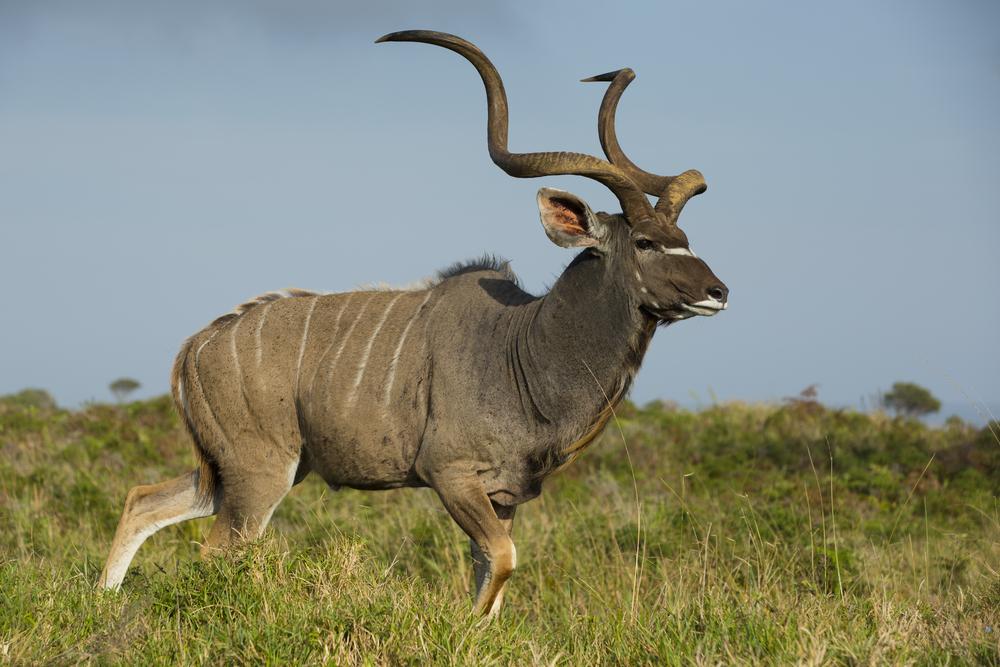
While Zambia has earned its reputation for exceptional buffalo and leopard safaris, it is also home to outstanding Kudu Hunts, with mature Greater Kudu found throughout several of the country's premier hunting areas.
From the mopane woodlands of the Luangwa Valley to the vast concessions surrounding the Kafue ecosystem, Zambia provides ideal habitat for these magnificent spiral-horned antelope. Low hunting pressure, expansive hunting blocks and genuinely wild conditions allow bulls to mature naturally, creating a rewarding challenge for hunters prepared to earn every opportunity.
Unlike destinations where game densities can be high, a kudu safari in Zambia is measured less by the number of animals seen and more by the quality of each encounter. Every stalk is different, every sighting feels authentic, and the opportunity to combine kudu with Cape buffalo and a wide variety of plains game makes Hunting in Zambia one of Africa's classic safari experiences.
Zambia remains one of the few countries where hunters can still experience a truly traditional African safari. Vast unfenced hunting concessions, low hunting pressure and healthy wildlife populations combine to create an environment where every hunt unfolds naturally. There are no fences dictating animal movement and no expectation of seeing game around every corner. Success comes from reading fresh sign, covering plenty of ground and trusting the experience of your professional hunter and trackers.
One of Zambia's greatest strengths is the diversity of species available during the same safari. While Greater Kudu are often a primary objective, hunters can also combine the hunt with Cape buffalo, Cookson's wildebeest, bushbuck, waterbuck, puku and warthog, depending on the concession. In selected areas, Zambia also offers the rare opportunity to pursue Sitatunga, adding one of Africa's most elusive swamp antelope to an already unforgettable safari.
Unlike destinations where a kudu hunt is often limited to a single species, Zambia encourages hunters to embrace the complete safari. One day may be spent glassing wooded ridges for an old kudu bull, while the next follows fresh buffalo spoor through mopane woodland or quietly explores papyrus wetlands in search of a sitatunga. Few countries offer such variety while maintaining the same sense of wilderness throughout the hunt.
Perhaps Zambia's greatest attraction is that it still feels untamed. Rather than moving between multiple hunting properties, hunters spend their days exploring vast hunting blocks from remote bush camps where wildlife remains the dominant presence. For American hunters seeking the Africa they have imagined for years, that authenticity is often the biggest trophy of all.
Unlike some plains game safaris where hunters spend much of the day driving between different properties, kudu hunting in Zambia is built around covering country slowly and methodically. Every morning begins with a plan based on the previous day's sightings, fresh tracks and the conditions. Professional hunters and trackers know where mature bulls prefer to feed, bed down and move as temperatures change throughout the day.
Early mornings often start glassing open hillsides, woodland edges or dry river systems where kudu have been feeding before first light. If a mature bull is spotted, the hunt quickly becomes a game of patience. Wind direction, available cover and the animal's likely escape route all influence the stalk, and rushing the approach almost always ends with nothing more than the flash of a white tail disappearing into thick bush.
When fresh spoor is found, the pace changes completely. Trackers study every footprint, broken branch and freshly browsed leaf while the professional hunter quietly pieces together the bull's movements. Some tracks lead only a few hundred metres before disappearing, while others develop into several hours of careful tracking through mopane woodland and broken terrain.
One of the reasons kudu have earned the nickname "the Grey Ghost" is their remarkable ability to vanish. A mature bull may stand perfectly still only fifty metres away, blending so completely into the surrounding bush that even experienced hunters struggle to pick him out. More than one safari has ended with hunters walking past a trophy bull without ever realising he was there.
Success rarely comes through speed. It comes from slowing down, trusting the trackers, watching the wind and recognising that one well-executed stalk is worth far more than a dozen rushed opportunities.
Many American hunters arrive in Zambia expecting outstanding hunting. What often surprises them is everything else.
The first surprise is the sheer size of the hunting areas. Many of Zambia's hunting concessions cover hundreds of thousands of acres, allowing hunters to spend an entire day exploring wilderness without encountering another hunting party. That sense of space is something many American hunters have never experienced before.
Another surprise is how wild the country still feels. Elephant tracks across the road before sunrise, buffalo moving through camp after dark, fish eagles calling along the river and the distant sound of lions at night are simply part of everyday life. Wildlife isn't confined to a national park; it surrounds you throughout the safari.
Hunters may also expect to see large numbers of game every day. Zambia often delivers something different. Animals are spread naturally across vast landscapes, and mature kudu have countless places to disappear. Some days involve hours of tracking, glassing and quietly working through the bush before a genuine opportunity presents itself. Rather than making the hunt frustrating, it makes every successful stalk feel well earned.
Perhaps the biggest surprise is how quickly hunters slow down. Within a day or two, the pressure to count trophies gives way to enjoying the safari itself. Early mornings with the trackers, fresh spoor in the sand, coffee around the fire before daylight and stories shared back in camp become just as memorable as the animals taken.
It is this combination of wilderness, traditional hunting and genuine African hospitality that keeps hunters returning to Zambia long after their first safari has ended.
The Zambian hunting season generally runs from May through November, following the end of the summer rains. During the rainy season, many hunting areas become extremely difficult to access as rivers rise, floodplains fill with water and dirt roads quickly become impassable. In some concessions, camps are completely closed until conditions improve and repairs can be carried out before the new season begins.
By May, the bush has begun to dry, temperatures are comfortable and professional hunters can once again reach areas that were inaccessible just weeks earlier. Early-season safaris offer beautiful green landscapes, cooler mornings and excellent game activity, although the thicker vegetation can sometimes make spotting mature kudu more challenging.
As the dry season progresses, grass becomes shorter and many trees begin to lose their leaves, improving visibility throughout the mopane woodland and along river systems. While kudu remain browsers and are not as dependent on permanent water as some species, they become easier to locate as natural food sources become less abundant and the bush opens up.
Hunters planning to combine Greater Kudu with Cape buffalo, Sitatunga Hunts or other plains game should consider the timing of the entire safari rather than focusing on kudu alone. Water levels, local habitat conditions and the availability of different species all influence when a particular concession is at its best. A professional hunter can recommend the ideal time based on both the hunting area and the combination of species being pursued.
One of Zambia's greatest strengths is the opportunity to build a truly diverse safari. Rather than travelling to multiple countries, hunters can pursue Greater Kudu alongside an impressive selection of plains game and dangerous game within the same hunting concession.
Cape buffalo remains the most popular addition to a kudu safari, allowing hunters to combine one of Africa's finest spiral-horned antelope with one of its most respected dangerous game animals. Hunters who prefer a dedicated Plains Game Hunting safari can also pursue species such as bushbuck, Cookson's wildebeest, puku, waterbuck and warthog, while those looking for a mixed safari can comfortably combine these species with buffalo in many concessions. The result is a well-balanced safari that showcases Zambia's remarkable wildlife diversity.
As one of Africa's recognised Big Five Hunting destinations, Zambia also offers hunters the chance to plan far more than a traditional plains game safari. Many visitors return to pursue leopard, lion or elephant in later seasons, while others begin their African hunting journey with kudu and buffalo before working towards completing the Big Five over time.
Whether your goal is a traditional plains game safari or the beginning of your Big Five journey, Zambia offers the flexibility to build a safari around your ambitions rather than a fixed package. Few destinations combine such diverse hunting opportunities with the same sense of wilderness and authenticity.
Yes. Zambia is widely regarded as one of Africa's finest destinations for free-range Greater Kudu hunting. Vast hunting concessions, low hunting pressure and genuinely wild conditions combine to produce challenging hunts and mature bulls. While countries such as Namibia and South Africa are also famous for kudu, Zambia offers a more traditional safari experience.
The Luangwa Valley and the Kafue ecosystem are among Zambia's best-known kudu hunting regions. Both offer excellent habitat, experienced professional hunters and large unfenced concessions where mature Greater Kudu occur naturally.
Yes. Zambia is one of Africa's leading free-range hunting destinations. Greater Kudu are hunted across enormous, unfenced concessions where wildlife moves naturally through mopane woodland, river systems, and rugged escarpments.
Greater Kudu have earned the nickname "The Grey Ghost" because of their remarkable eyesight, excellent hearing, and ability to disappear into thick bush. Success depends on patience, careful stalking and experienced trackers rather than simply covering large distances.
The total cost depends on the hunting concession, safari duration and the combination of species included. Many hunters combine Greater Kudu with Cape buffalo or other plains game, making every safari unique. Hunters comparing destinations and budgets can also explore our African Hunting Safari Prices guide for a broader overview of safari costs across Africa.
Absolutely. One of Zambia's greatest attractions is the opportunity to hunt Greater Kudu and Cape buffalo during the same safari. Many concessions support both species, allowing hunters to enjoy a classic combination of plains game and dangerous game without changing hunting areas.
Most kudu safaris take place between May and November. Early in the season the bush is greener following the rains, while later months provide improved visibility as vegetation becomes less dense. The ideal timing often depends on the hunting area and the other species included in the safari.
Zambia offers one of Africa's most diverse hunting experiences. Depending on the hunting concession and available quota, hunters may pursue Greater Kudu, Cape buffalo, leopard, lion, elephant, Cookson's wildebeest, bushbuck, puku, waterbuck, warthog and numerous other plains game species. This diversity allows many hunters to build a safari around multiple species rather than focusing on a single trophy.
Yes. Zambia is an excellent choice for hunters looking for an authentic free-range African Hunting Trip. Although the hunting can be physically rewarding and requires patience, professional hunters tailor each safari to the hunter's abilities, experience and hunting goals.
Search from our range of Hunts across various popular destinations in Africa.

Book Your Hunt