
Trophy Lion Hunting 21 Days in Untamed Rufunsa GMA Zambia
Booking Season: 2026
Hunt Difficulty: Difficult

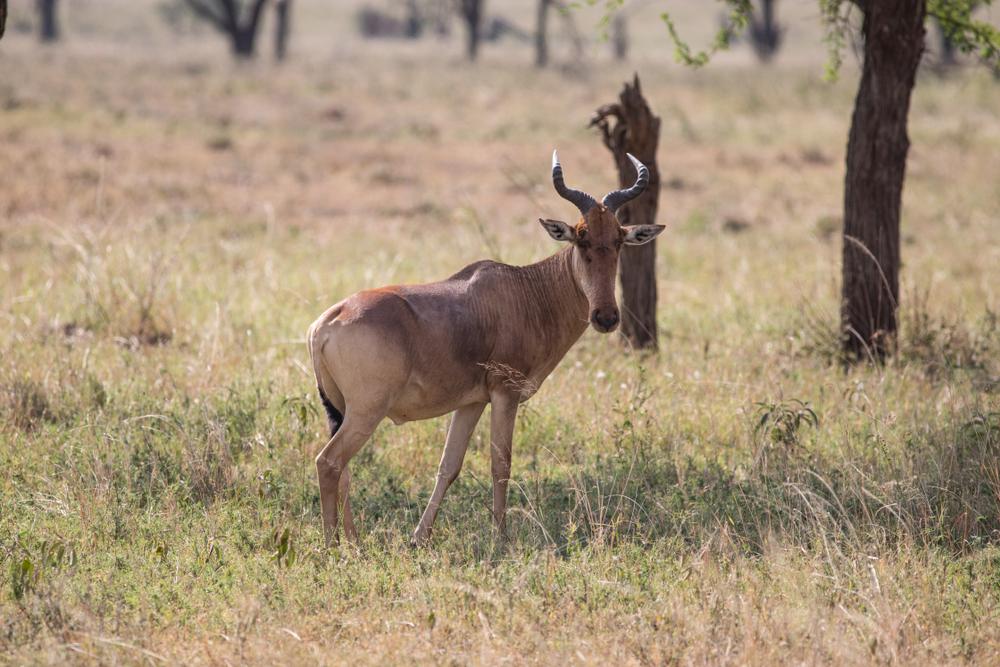
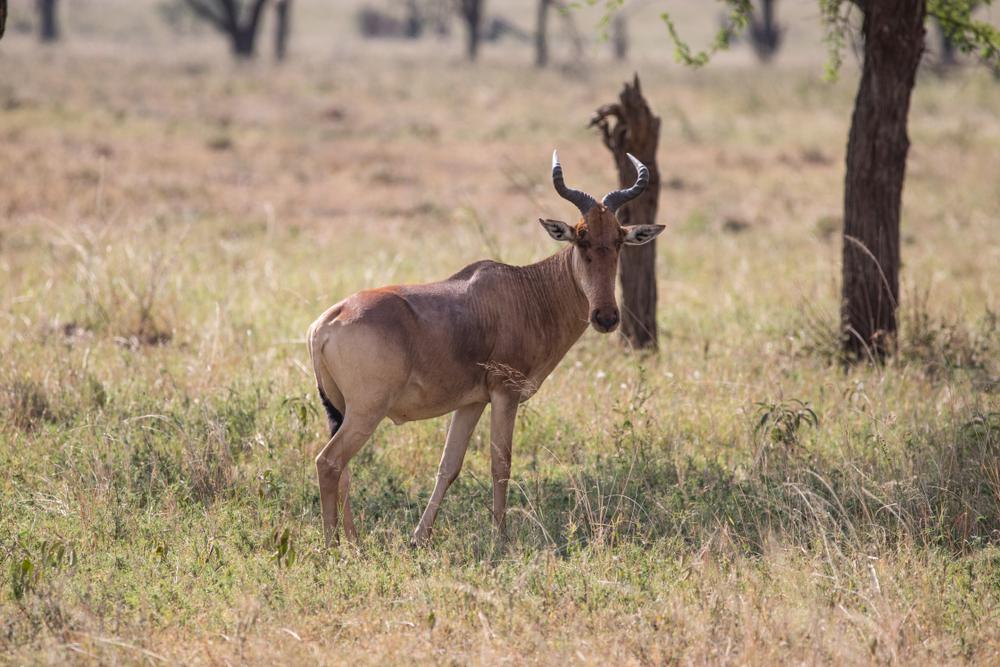
Lichtenstein's Hartebeest hunting in Zambia offers the opportunity to pursue one of Africa's lesser-known but most rewarding plains game species. Found across Zambia's miombo woodlands and open savannahs, these distinctive antelope combine excellent eyesight, alert behaviour and a preference for covering country that rewards patient, traditional walk-and-stalk hunting.
Hunting in Zambia is renowned for its exceptional dangerous game safaris, but the country is equally remarkable for its unique plains game. Lichtenstein's Hartebeest forms part of a collection of regional species that make Zambia unlike any other hunting destination in Africa, offering opportunities that cannot easily be replicated elsewhere on the continent.
Whether pursued as a primary objective or combined with other iconic Zambian game, Lichtenstein's Hartebeest represent far more than another antelope on a trophy list. Their close association with Zambia's vast woodland ecosystems creates a style of plains game hunting that is both challenging and distinctly Zambian, making it an excellent addition to any well-planned Plains Game Hunt.
Available Lichtenstein Hartebeest Hunts
Trophy Lion Hunting 21 Days in Untamed Rufunsa GMA Zambia
Booking Season: 2026
Hunt Difficulty: Difficult
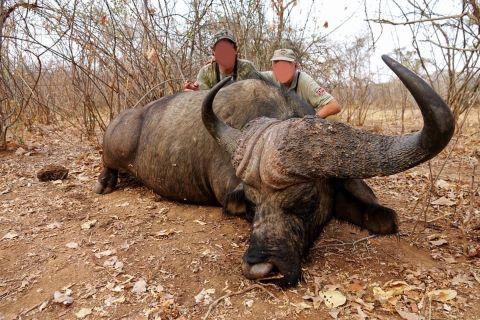
Buffalo Hunting in Zambia's Zambezi Valley
Booking Season: 2026
Hunt Difficulty: Difficult
Lichtenstein's Hartebeest are closely associated with Zambia's vast miombo woodlands, where open timber, rolling terrain and scattered grasslands create a very different style of plains game hunting from the country's famous floodplains. Rather than glassing animals across open marshes or stalking through thick riverine vegetation, hunters often spend the day covering ground, using the natural contours of the landscape to locate and approach game.
Although visibility is better than in dense bush, these antelope should never be underestimated. Lichtenstein's Hartebeest are alert animals with excellent eyesight, and herds frequently detect movement long before hunters are within comfortable shooting distance. Successful stalks rely on patience, careful use of the wind and making full use of the woodland for cover rather than simply trying to walk directly towards the animals.
This distinctive habitat is one of the reasons Lichtenstein's Hartebeest hunting feels so different from pursuing plains game elsewhere in Africa.
Every stalk becomes a balance between covering ground and remaining unnoticed, creating a traditional walk-and-stalk safari that reflects the character of Zambia's remarkable miombo ecosystem.
One of the advantages of hunting Lichtenstein's Hartebeest is the opportunity to build a safari around several of Zambia's distinctive plains game species. Rather than travelling to Africa to pursue animals commonly found across multiple countries, Zambia offers the chance to hunt a collection of species that give the safari a uniquely regional character.
A Lichtenstein's Hartebeest safari combines naturally with Wildebeest Hunts and Zebra Hunts, as these species are often pursued in similar woodland and open savannah habitats. Together they create a traditional walk-and-stalk plains game safari that rewards covering ground, careful glassing and patient stalking rather than hunting from fixed locations.
Hunters with additional time available may also choose to explore a completely different side of Zambia. Travelling from the miombo woodlands into the country's famous wetlands introduces the opportunity to pursue a Sitatunga Hunt, showcasing just how diverse Zambia's hunting landscapes can be within a single safari.
Alongside these exceptional plains game opportunities, Zambia has earned an international reputation for Big Game Hunting, allowing carefully planned safaris to combine unique regional antelope with some of Africa's most iconic dangerous game where concession, quota and safari duration allow.
Miombo woodland creates a very different style of plains game hunting from many other parts of Africa. Open timber and gently rolling terrain often allow hunters to spot game from a distance, but closing the final few hundred yards usually requires careful planning. Small rises, scattered trees and constantly changing wind conditions all influence how each stalk develops.
Lichtenstein's Hartebeest are alert animals that seldom remain stationary for long. Small groups feed steadily through the woodland, pausing frequently to watch their surroundings before moving on. Successful stalks depend less on speed and more on anticipating where the animals are heading while using the terrain to remain unnoticed.
One characteristic that sometimes surprises first-time hunters is that both males and females carry horns. While mature bulls are generally heavier, darker and carry thicker, more developed horns, careful judging is still important before taking a shot. Taking the time to study the animals with your PH before deciding is an important part of the hunt.
Patience, observation and good judgement are what make this style of hunting so enjoyable. Covering ground is certainly important, but knowing when to slow down, glass carefully and wait for the right opportunity often proves just as valuable.
Lichtenstein's Hartebeest are typically hunted during Zambia's recognised hunting season, when dry conditions improve visibility and make the miombo woodlands easier to hunt on foot. As vegetation thins and water becomes less widely available, hunters are often able to cover more ground while locating game across the open woodland.
By contrast, the onset of the rainy season during November and December can make access to many hunting areas considerably more difficult. Heavy rainfall affects road conditions, river crossings and travel within large concessions, which is why most traditional safari operators concentrate their hunts during the established hunting season.
Hunters planning to combine Lichtenstein's Hartebeest with Cape Buffalo Hunts often favour the middle of the dry season, particularly from July through September, when cooler weather, dry ground and excellent tracking conditions generally create ideal opportunities for both woodland plains game and buffalo safaris. Planning around the full safari rather than a single species often produces the best overall hunting experience.
Planning a Lichtenstein's Hartebeest safari begins well before arriving in Zambia. Although the species is widely recognised as one of the country's unique plains game animals, hunting opportunities still depend on available quota within the appropriate concessions. Hunters hoping to include Lichtenstein's Hartebeest as part of their safari should therefore begin planning several months in advance, particularly if additional species are part of the itinerary.
Choosing the right concession is equally important. Some hunting areas are better suited to traditional woodland plains game, while others allow hunters to combine Lichtenstein's Hartebeest with Cape buffalo and a wider variety of Zambia's regional species. Taking the time to discuss your hunting priorities before booking helps ensure the safari is built around the species and style of hunting that interests you most.
Hunters with additional days available often gain a greater appreciation for Zambia's diversity. Combining miombo woodland with floodplains or dangerous game areas creates a safari that showcases very different habitats within the same country, making careful planning every bit as important as the hunt itself.
Our carefully planned African Hunting Trips help hunters choose the right concession, safari duration and combination of species to make the most of everything Zambia has to offer.
Lichtenstein's Hartebeest are found in several of Zambia's miombo woodland and open savannah hunting areas. Your outfitter will recommend the most suitable concession based on available quota and the other species you hope to pursue during the safari.
Lichtenstein's Hartebeest are distinguished by their striking facial markings, pale coat and preference for miombo woodland habitats. Their distribution is also more limited than several other African hartebeest species, making them particularly attractive to species collectors.
Yes. Both sexes carry horns, although mature bulls are generally heavier, darker in colour and develop thicker, more robust horns. Careful judging with the assistance of your PH is an important part of selecting the correct animal.
Although they are often encountered in relatively open woodland, Lichtenstein's Hartebeest are alert animals with excellent eyesight. Successful hunts rely on careful stalking, favourable wind conditions and making full use of the terrain to approach within shooting distance.
Yes. Lichtenstein's Hartebeest combine naturally with wildebeest, zebra and, for hunters prepared to travel between different hunting areas, sitatunga. Many safaris also include Zambia's renowned dangerous game, allowing hunters to experience several of the country's unique ecosystems during a single trip.
Most hunts take place during Zambia's recognised hunting season when dry conditions improve visibility, tracking and access throughout the miombo woodlands. Hunters combining plains game with cape buffalo hunts often favour the middle of the dry season.
Because hunting opportunities depend on available quota within specific concessions, it is advisable to begin planning several months in advance. Early planning also provides greater flexibility when combining additional species.
Zambia offers the species in its natural woodland habitat while providing opportunities to combine unique regional plains game with world-class dangerous game. The result is a traditional safari that showcases one of Africa's most diverse and rewarding hunting destinations.
Search from our range of Hunts across various popular destinations in Africa.

Book Your Hunt