Designed by Hunters, for Hunters

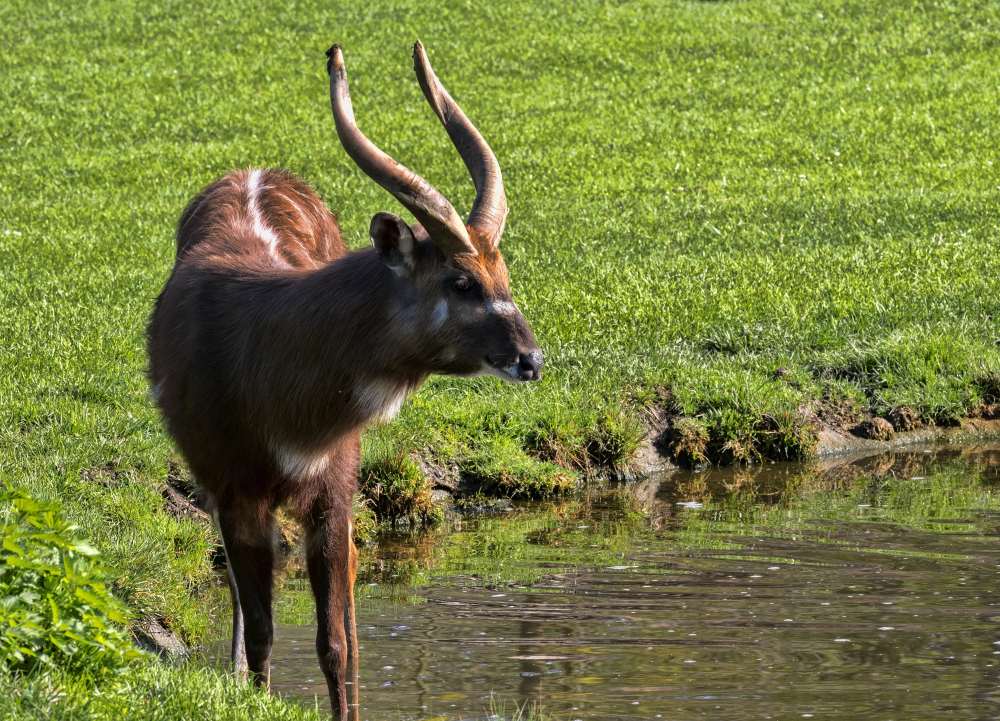
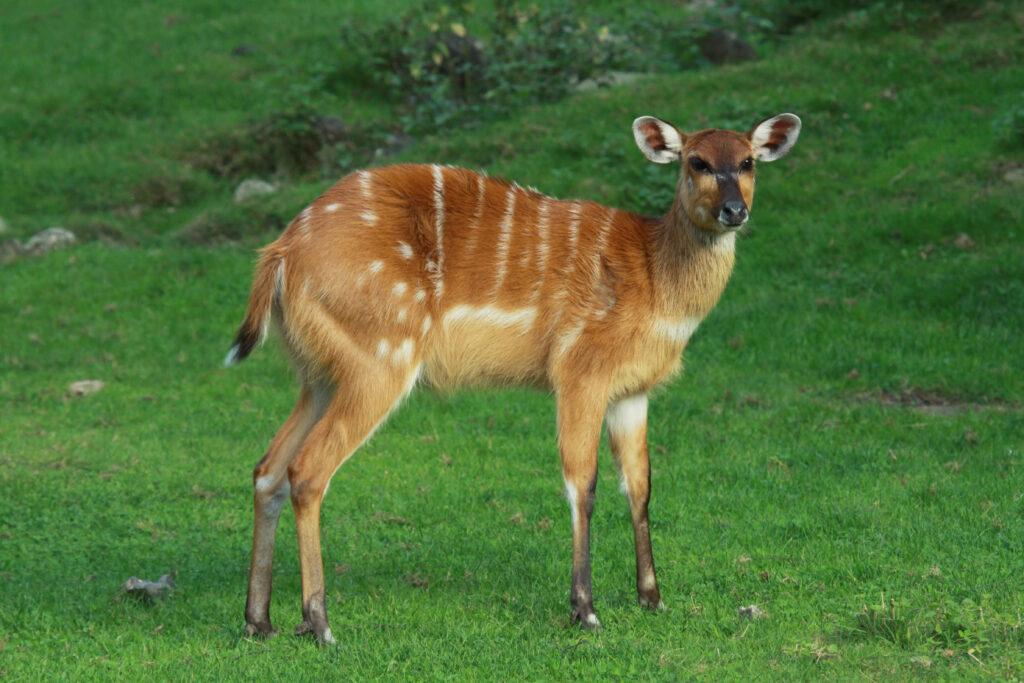
Few African antelope have earned the reputation of the sitatunga. Known for its ability to disappear into swamps, wetlands, and dense vegetation, the species has challenged hunters for generations. The Republic of Congo is home to the Western sitatunga, often referred to by hunters as the Congo sitatunga, a highly regarded form of this remarkable antelope found throughout parts of Central Africa.
Unlike many African hunts that take place in open country, sitatunga hunting is closely tied to the unique habitats these animals call home. That alone creates an experience that feels very different from many traditional safaris.
The Republic of Congo has become one of the destinations most closely associated with serious sitatunga hunting. Vast wilderness areas, extensive wetland systems, and the opportunity to combine sitatunga hunting with other iconic Central African species continue to attract hunters looking for something beyond a conventional African safari.
Understanding what makes a Congo sitatunga safari unique is an important part of the planning process. From the hunting areas and available species to the logistics, expectations, and realities of the hunt, this guide explains why the Republic of Congo remains one of Africa's most respected sitatunga destinations.
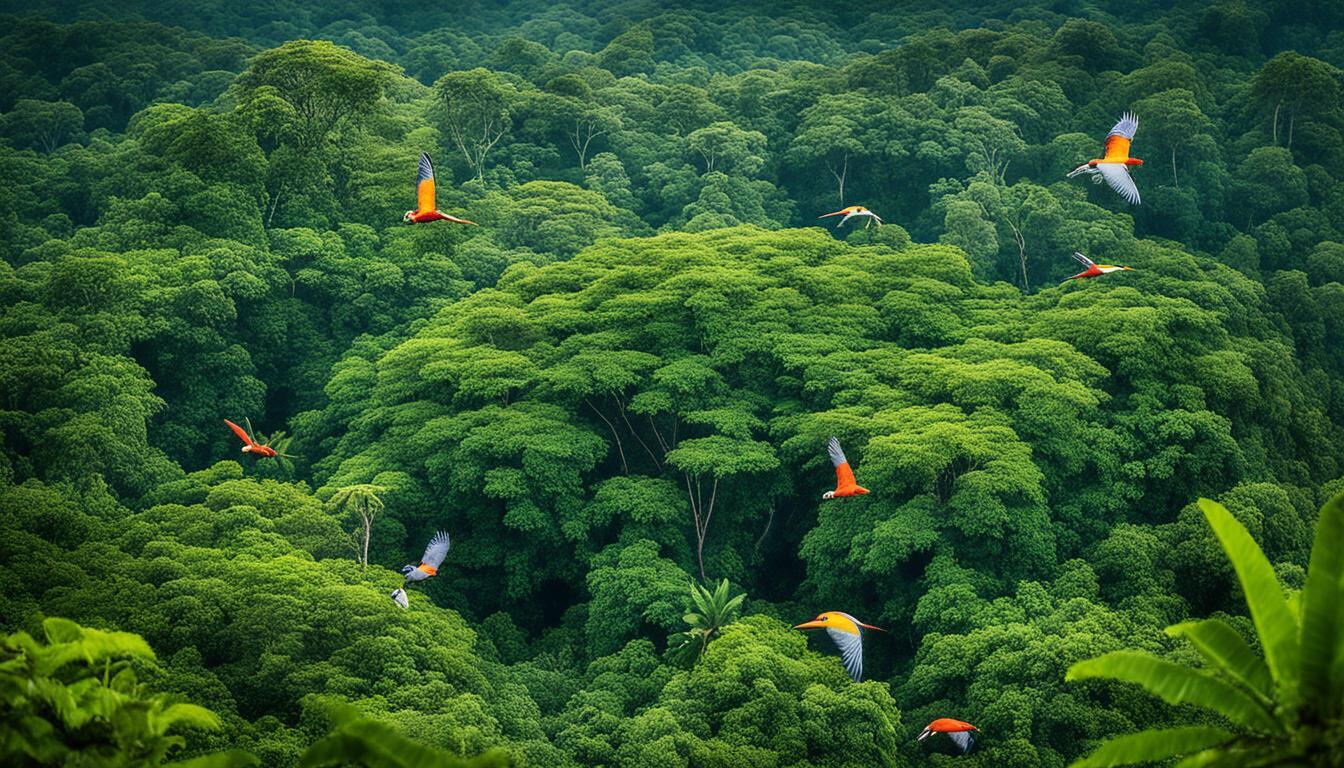
The Republic of Congo has earned a strong reputation among sitatunga hunters because it offers the type of habitat these animals are naturally associated with. Unlike many African antelope that thrive in open plains, woodlands, or mountain environments, sitatunga are closely tied to wetlands, swamps, floodplains, and dense vegetation. Congo's vast wilderness areas provide exactly the conditions that have allowed the species to thrive across large sections of the country.
The hunting experience is also very different from what many hunters encounter elsewhere in Africa. Visibility is often limited, the terrain can be challenging, and success frequently depends on patience and persistence rather than covering large distances in search of game.
Another factor that attracts hunters to Congo is the opportunity to pursue sitatunga within a broader Central African safari. Depending on the concession and available permits, hunters may have opportunities to combine sitatunga with several other highly regarded species, creating an experience that extends far beyond a single animal.
That combination of habitat, wilderness, and hunting opportunity has helped establish the Republic of Congo as one of Africa's most respected sitatunga destinations.
Sitatunga have earned a reputation as one of Africa's most elusive antelope, and much of their appeal comes from the challenge they present. While often grouped among Africa's most sought-after plains game hunts, the environments in which sitatunga are pursued create a hunting experience that differs dramatically from more traditional antelope safaris.
Unlike many species that spend their lives in open country, sitatunga are closely associated with dense vegetation, wetlands, and swamp systems where they can move with remarkable ease while remaining largely unseen. Their ability to disappear into cover is one of the reasons they have fascinated hunters for generations.
Success is often measured differently on a sitatunga safari. The experience is rarely defined by large numbers of sightings or constant opportunities. Instead, patience, persistence, and making the most of limited chances often play a much larger role. Part of the species' reputation also comes from the environments in which it is hunted. Wetland habitats create a very different atmosphere from the plains, mountains, and bushveld landscapes more commonly associated with African hunting safaris. For many hunters, that difference is exactly what makes the experience so memorable.
The combination of elusive behavior, specialized habitat, and limited hunting opportunities has helped establish sitatunga as one of Africa's most respected antelope species and a long-standing goal for hunters looking for something beyond a traditional safari.
Judging a sitatunga is not always as straightforward as judging some of Africa's more familiar antelope species. Unlike animals that are often viewed in open country, sitatunga are frequently encountered in dense vegetation, wetland systems, and areas where visibility can be limited. As a result, hunters do not always have the luxury of studying an animal for an extended period before making a decision.
Horn length is naturally an important consideration, but experienced hunters rarely focus on a single measurement alone. Mature bulls are often identified by a combination of horn shape, mass, symmetry, and overall appearance. Well-developed spiral horns, heavier bases, and the unmistakable look of an older bull are typically among the characteristics hunters value most.
Age is another important factor. As with many African antelope species, mature animals often display the qualities that distinguish a truly memorable trophy from a younger bull that may still have years of development ahead of it.
The challenge of judging a sitatunga is part of what makes the species so respected. Opportunities are not always frequent, conditions are not always ideal, and decisions often need to be made quickly. This is one of the reasons professional hunters play such an important role during a sitatunga safari. For many hunters, a trophy sitatunga represents far more than horn measurements alone. The difficulty of locating a mature bull, the unique habitat, and the reputation of the species all contribute to the significance of the trophy.
Not all sitatunga hunts take place under the same conditions. The Republic of Congo offers a different experience from destinations such as Zambia, where sitatunga are often associated with large floodplains, open marsh systems, and greater visibility across the surrounding landscape. In Congo, hunters frequently encounter a more enclosed environment where wetlands, dense vegetation, and forest-edge habitat play a significant role in the hunt.
These differences can influence everything from visibility and shot opportunities to the overall pace of the safari. Animals may be seen at shorter distances, opportunities can develop quickly, and patience often becomes an important part of the experience.
Neither approach is necessarily better than the other. Some hunters prefer the expansive wetland systems found elsewhere in Africa, while others are drawn to the unique atmosphere and challenge associated with Congo's wilderness areas.
Understanding these differences can help hunters select a destination that matches their expectations. While the sitatunga remains the primary objective, the overall hunting experience can vary considerably depending on where the safari takes place.
For many hunters, the opportunity to combine a sitatunga safari with Bongo Hunts is one of the major attractions of visiting Central Africa. Both species are closely associated with the forests, wetlands, and remote wilderness areas that have helped establish the region's reputation among serious safari hunters. Hunters specifically researching hunting bongo in Republic of Congo will find that many of the same wilderness systems supporting sitatunga also provide excellent bongo habitat.
Depending on the hunting area and available permits, forest buffalo may also be included. Their reputation, unique appearance, and association with Central African hunting have made them a popular addition to many Congo safari itineraries. Some hunting areas may also offer opportunities to pursue Lord Derby eland, allowing hunters to combine several of Africa's most respected antelope species within a single expedition.
The availability of species will always depend on the concession, hunting regulations, and safari structure. However, the ability to combine sitatunga with other iconic Central African game remains one of the factors that separates a Congo safari from many other hunting destinations across Africa.
A sitatunga safari in the Republic of Congo requires careful planning and realistic expectations from the outset. Unlike some African hunting destinations that offer relatively straightforward travel and logistics, Congo safaris often involve additional preparation, longer travel times, and a greater commitment of both time and resources. For many hunters, this is part of the appeal rather than a disadvantage.
Sitatunga hunting is also different from hunts where daily sightings and frequent opportunities are the norm. The species has earned its reputation through its ability to remain hidden in habitat specifically suited to avoiding detection. Patience, persistence, and an appreciation for the overall experience often become important parts of a successful safari.
Because hunting opportunities can be limited and availability may vary between concessions, many hunters begin planning well in advance of their preferred dates. This allows sufficient time to coordinate travel arrangements, secure the appropriate safari package, and determine which additional species may be included during the hunt.
Those who arrive with realistic expectations often discover that the value of a Congo sitatunga safari extends far beyond the trophy itself. The destination, the habitat, and the challenge of pursuing one of Africa's most elusive antelope are all part of what makes the experience memorable.
A sitatunga safari in the Republic of Congo is not designed around convenience. The hunt tends to appeal to those who enjoy the challenge of pursuing species that are rarely encountered and often hunted under very different conditions from traditional plains game safaris. Patience, persistence, and an appreciation for the overall experience are often just as important as the trophy itself.
Hunters looking for a highly structured safari with frequent animal sightings and predictable opportunities may find other destinations better suited to their expectations. Sitatunga have built their reputation by being difficult to locate, difficult to observe, and difficult to hunt. At the same time, those characteristics are exactly what attract many hunters to the species. The opportunity to pursue sitatunga in one of Central Africa's great wilderness regions offers an experience that feels distinctly different from many other African safaris.
For hunters drawn to challenge, unique habitats, and the pursuit of one of Africa's most elusive antelope, the Republic of Congo continues to hold a special appeal.
Can you legally hunt sitatunga in the Republic of Congo?
Yes. Sitatunga hunting is conducted within regulated hunting concessions operating under the wildlife management and hunting regulations of the Republic of Congo. Hunting seasons, permit availability, and concession-specific requirements can vary, so hunters should always confirm current regulations with their outfitter before booking a safari.
What makes the Congo sitatunga different from other sitatunga?
The Republic of Congo is home to the Western sitatunga, often referred to by hunters as the Congo sitatunga. While all sitatunga share many characteristics, regional forms can differ in appearance, habitat, and hunting conditions. The Congo sitatunga is particularly associated with the wetlands, forests, and remote wilderness areas of Central Africa.
How difficult is a sitatunga hunt in Congo?
Sitatunga are widely regarded as one of Africa's most elusive antelope species. Their ability to utilize dense vegetation, wetlands, and swamp systems makes them difficult to locate and observe. Success often depends on patience, persistence, and making the most of limited opportunities when they arise.
Can sitatunga be combined with other species during the same safari?
Yes. Depending on the hunting area and available permits, sitatunga may be combined with species such as bongo, forest buffalo, and Lord Derby eland. These combinations are one of the reasons many hunters view a Congo safari as more than a single-species hunt.
How long does a typical Congo sitatunga safari last?
Safari lengths vary depending on the concession, travel logistics, and species being pursued. Many hunters choose longer safaris to allow sufficient time to experience the area, adapt to conditions, and maximize hunting opportunities.
Is the Republic of Congo a good destination for a first African safari?
That depends on the hunter's expectations. Congo offers a unique hunting experience centered around remote wilderness, wetlands, and species that are unavailable in many traditional safari destinations. Hunters seeking adventure, challenge, and uncommon species often find it highly rewarding, while those looking for a more conventional plains game safari may prefer a different introduction to Africa.
Sitatunga hunting has earned a unique place within the African hunting world. The challenge of pursuing an animal that spends much of its life hidden within wetlands, swamps, and dense vegetation creates an experience that differs from many traditional safari hunts. Success is rarely measured by the number of animals seen, but rather by the opportunity to pursue one of Africa's most elusive antelope in the environment that made it famous.
The Republic of Congo remains one of the continent's most respected sitatunga destinations because it combines suitable habitat, vast wilderness areas, and the opportunity to experience a part of Africa that has changed little over time. For hunters willing to embrace the challenge, the reward often extends far beyond the trophy itself.
Whether pursued as a standalone objective or as part of a broader Central African safari, the Congo sitatunga continues to attract hunters looking for an experience that is both distinctive and memorable. Long after the hunt is over, many find that it is the overall adventure, as much as the animal itself, that remains with them.
Search from our range of Hunts across various popular destinations in Africa.

Book Your Hunt