Designed by Hunters, for Hunters

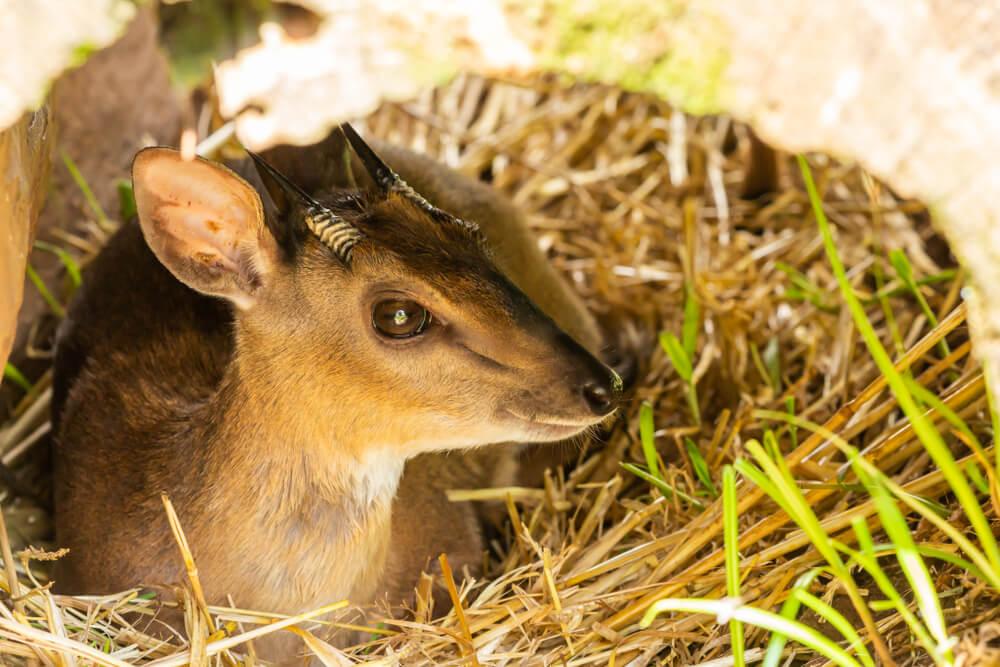
The suni may be one of Africa's smallest antelope, but it has earned a respected place among hunters pursuing the continent's Tiny 10. Standing little more than knee-high, this shy forest antelope lives in dense coastal bush where sightings are often brief and opportunities even shorter.
South Africa offers some of the continent's best opportunities to hunt suni, particularly in suitable habitat across KwaZulu-Natal. Unlike many plains game species that spend much of the day feeding in open country, suni rely on thick vegetation for protection, making patience, careful observation and accurate shooting far more important than covering long distances.
Although often taken as part of a broader Plains Game Hunt, a mature suni ram is a rewarding trophy. Hunters collecting Africa's Tiny 10 frequently include it in longer safaris, combining it with species such as nyala, bushbuck, blue duiker and bushpig while exploring some of South Africa's most diverse hunting areas.
Despite its small size, the suni is far from an easy trophy to hunt. These diminutive antelope spend most of their lives in dense coastal forests, thick riverine vegetation and tangled bush where they rely on cover rather than speed to avoid predators. Often, a hunter catches only a brief glimpse before the animal disappears back into the undergrowth.
Unlike larger plains game species that can often be glassed across open country, hunting suni is a close-range pursuit. Progress is slow, visibility is limited, and opportunities may last only a few seconds. Success depends on moving quietly, spotting subtle movement and being ready when a mature ram finally presents itself.
Their secretive nature is one of the reasons the suni has become such a respected member of Africa's Tiny 10. While the trophy itself may be small, locating and taking a mature ram requires patience, careful observation and precise shot placement.
South Africa's best suni hunting is found in parts of KwaZulu-Natal, where dense coastal forests, riverine thickets and subtropical bush provide ideal habitat for this elusive antelope. These landscapes offer the combination of thick cover, abundant browse and year-round shelter that suni need to thrive, making the province one of the country's premier destinations for Hunting in South Africa.
Unlike species that favour open plains or mountain slopes, suni rarely venture far from dense vegetation. Hunters move slowly through suitable habitat, watching game paths, forest edges and small openings where a mature ram may briefly appear before slipping back into cover. Encounters are often measured in seconds rather than minutes, making patience and constant awareness essential.
The same habitat also supports several of South Africa's most sought-after forest and bushveld antelope. A Bushbuck Hunt is a natural addition to a suni safari, with both species favouring dense riverine cover and thick vegetation. Nyala Hunts are another popular option in the region, while blue duiker and bushpig provide additional opportunities for hunters building a diverse plains game collection or working towards Africa's Tiny 10.
Suni are usually hunted by slowly walking suitable habitat with an experienced Professional Hunter, stopping frequently to glass small openings, game paths and patches of sunlight filtering through the vegetation. The pace is deliberate, with every few steps offering the possibility of a brief sighting.
Unlike hunts that involve long stalks across open country, suni hunting often comes down to recognising movement before the animal slips back into cover. A mature ram may stand still for only a few seconds, leaving little time to assess the trophy and prepare for the shot.
Because only male suni carry horns, correct trophy identification is essential. Hunters rely heavily on their PH to confirm a mature ram before taking the shot, ensuring ethical trophy selection while avoiding costly mistakes in dense cover.
The suni's small size also leaves very little margin for error. Precise bullet placement is essential to ensure a clean, ethical harvest while preserving the trophy. Before your safari, it is worth familiarising yourself with the correct shot placement for small antelope.
Suni do not require heavy rifles or powerful cartridges. Accuracy, mild recoil and controlled bullet performance are far more important than raw energy. Calibers such as the .223 Remington (where legal), .22-250 Remington and .243 Winchester are all excellent choices when paired with suitable ammunition.
Suni are often hunted as part of a broader plains game safari, where carrying a dedicated small-caliber rifle may not be practical. In these situations, a versatile plains game rifle can be an excellent option, particularly when the safari also includes larger antelope.
When using calibers such as the .270 Winchester, 7mm Remington Magnum, .308 Winchester or .30-06 Springfield, bullet selection becomes especially important. Premium monolithic or controlled-expansion bullets generally preserve the delicate skin and shoulders of a suni far better than rapidly expanding conventional soft-point bullets, helping to minimise trophy damage while still providing reliable penetration.
Regardless of the rifle you carry, confidence in your equipment and the ability to place an accurate shot are far more important than caliber alone.
Although small in stature, the suni deserves the same level of preparation as any other African trophy. Success depends less on covering long distances and more on hunting suitable habitat with patience, careful observation and an experienced Professional Hunter who understands the species and its behaviour.
The dry season provides the best suni hunting conditions in South Africa. As vegetation begins to thin, visibility improves through the coastal forests and riverine thickets, making subtle movement easier to detect. Drier conditions also reduce noise underfoot and minimise rain interruptions, allowing hunters to cover suitable habitat more effectively.
Because sightings are often brief, a successful suni hunt rewards patience rather than speed. Hunters should be prepared to spend time moving slowly through suitable habitat, knowing that the next opportunity may appear without warning and disappear just as quickly.
Whether your goal is to complete Africa's Tiny 10 or simply pursue one of the continent's most elusive small antelope, careful planning and realistic expectations will make the hunt far more rewarding. Working with an experienced outfitter and planning your Hunting Trip well in advance will help ensure you hunt the right habitat at the right time of year.
Yes. South Africa is one of the best destinations to hunt suni, particularly in suitable habitat across KwaZulu-Natal. The province's dense coastal forests, riverine thickets and subtropical bush provide ideal conditions for this elusive member of Africa's Tiny 10.
The dry season generally provides the best hunting conditions. Thinning vegetation improves visibility, while drier ground makes it easier to move quietly through suitable habitat. Although suni can be hunted throughout the legal hunting season, the dry months usually offer the greatest chance of spotting a mature ram.
Yes. Despite their small size, suni are considered one of the more challenging Tiny 10 species. They spend most of their lives in thick cover, rarely remain visible for long and often disappear before a hunter has time to react. Success depends on patience, careful observation and accurate shooting rather than long stalks.
Yes. Suni are commonly included as part of a broader Plains Game Hunt in South Africa. This allows hunters to pursue one of Africa's smallest antelope while also targeting a range of other plains game species during the same safari.
Accurate, mild-recoiling calibers such as the .223 Remington (where legal), .22-250 Remington and .243 Winchester are excellent choices. If a larger plains game rifle is being used during the safari, careful bullet selection becomes especially important to minimise trophy damage.
Wild suni occur primarily in suitable habitat across KwaZulu-Natal, where dense coastal forests, riverine vegetation and thick subtropical bush provide the cover they need. They are rarely encountered in open country and are most often found in areas with abundant natural vegetation.
Depending on the hunting area, a suni safari may also provide opportunities to hunt species such as bushbuck, nyala, blue duiker and bushpig. Suni are often included as part of a longer safari, allowing hunters to pursue one of Africa's Tiny 10 while enjoying a diverse plains game hunt.
Search from our range of Hunts across various popular destinations in Africa.

Book Your Hunt