
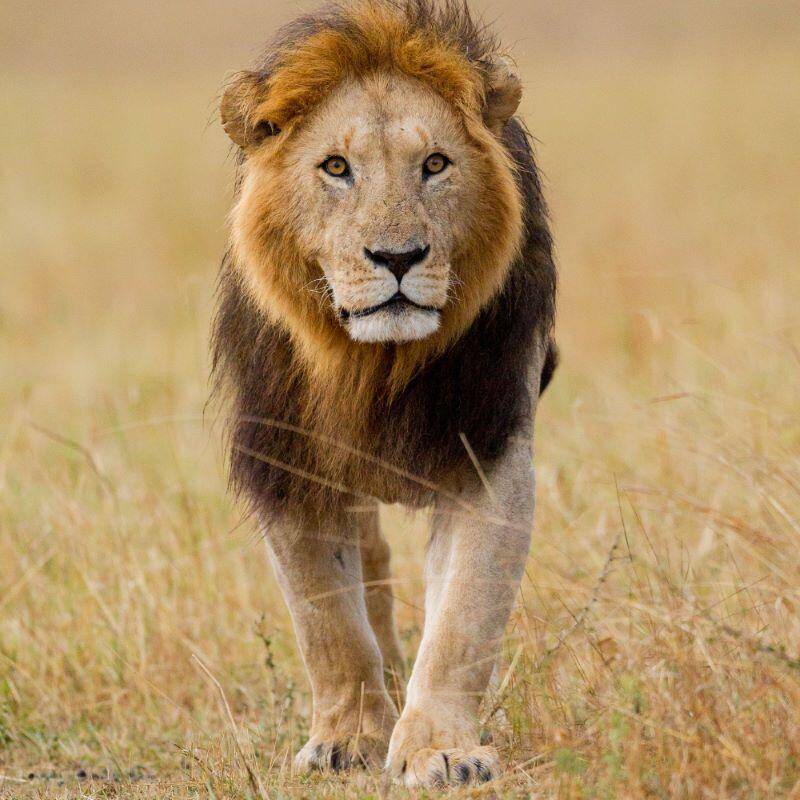
Few dangerous game experiences rival the intensity of lion hunting in Tanzania. Tanzania’s vast wilderness concessions, low hunting pressure, and reputation for truly wild East African safaris continue to attract experienced international hunters seeking one of Africa’s last authentic lion hunting destinations. Long tracking days, remote safari camps, and unpredictable encounters with mature male lions all contribute to the challenge and respect surrounding these hunts.
Unlike heavily commercialized safari environments elsewhere in Africa, Tanzania remains deeply connected to traditional fair-chase dangerous game hunting principles. Strict government quotas, age-based lion selection policies, and conservation-focused hunting blocks all play a major role in protecting wild lion populations while supporting anti-poaching operations and remote rural communities.
For many professional hunters and experienced safari operators, ethical lion hunting in Tanzania is not simply about harvesting a trophy animal. It represents a broader conservation system where properly managed lion hunts continue to help preserve large wilderness ecosystems that might otherwise struggle to survive under increasing human and agricultural pressure.
[DYNAMIC-BLOGTABLEOFCONTENT]
Why Ethical Lion Hunting In Tanzania Requires Strict Conservation Management
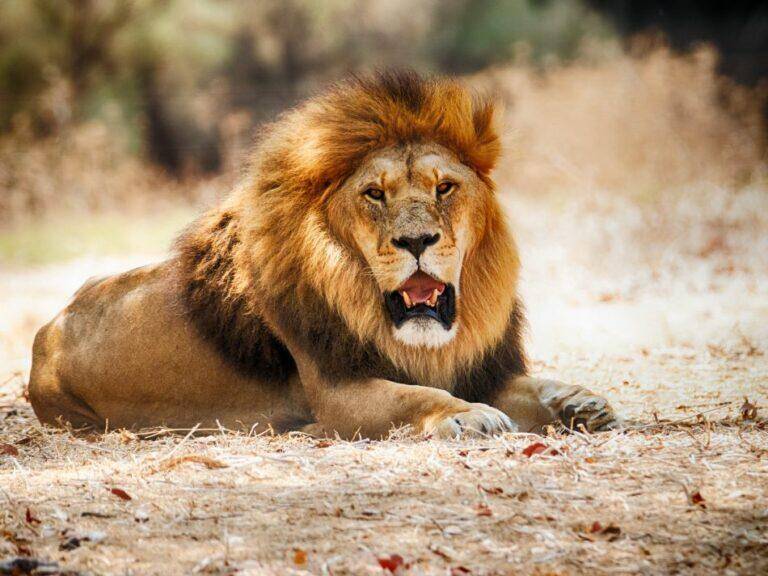
Ethical lion hunting in Tanzania operates within one of Africa’s most tightly regulated dangerous game management systems. Unlike heavily commercialized safari environments, Tanzania’s lion hunting industry depends on government-controlled quotas, professional hunting oversight, and strict age-based harvesting policies designed to protect breeding populations and maintain long-term sustainability across large wilderness ecosystems.
Most reputable operators focus exclusively on mature male lions that have already contributed to local genetics and territorial stability. Professional hunters, government wildlife officials, and trackers carefully evaluate age, mane development, body condition, and territorial behavior before any hunt proceeds. This selective approach helps reduce pressure on younger breeding males while supporting broader conservation objectives throughout Tanzania’s remote safari concessions.
For many experienced hunters, ethical lion hunting in Tanzania is about far more than simply harvesting a trophy animal. Properly regulated hunting revenue contributes directly toward anti-poaching operations, wildlife monitoring programs, habitat preservation, and local community development projects in areas where photographic tourism alone often cannot financially sustain conservation efforts. In many remote regions, conservation-based hunting remains one of the primary economic systems protecting large wilderness ecosystems from agricultural expansion, poaching, and uncontrolled settlement.
At the same time, modern lion hunting continues to face significant international scrutiny. As a result, many experienced safari operators strongly oppose captive-bred or heavily controlled lion hunts that fail to reflect authentic fair-chase dangerous game hunting principles. Tanzania’s reputation continues to stand apart because of its vast unfenced wilderness areas, low hunting pressure, traditional tracking methods, and emphasis on pursuing truly wild lions under demanding East African safari conditions.
Hunters planning ethical dangerous game safaris in Tanzania often combine lion hunting with other iconic species such as cape buffalo hunts and leopard safaris, particularly within remote multi-species concessions where professional hunters manage large free-range ecosystems supporting diverse dangerous game populations.
Why Tanzania’s Lion Hunting Quota System Matters
Tanzania’s lion hunting quota system is designed to balance sustainable utilization with long-term conservation objectives across some of Africa’s largest remaining wilderness ecosystems. Each hunting block operates under government-issued quotas that strictly limit the number of lions that may be harvested during a safari season. These quotas are reviewed alongside wildlife monitoring data, lion population assessments, concession performance, and broader conservation management objectives.
Unlike uncontrolled or opportunistic hunting systems, Tanzania’s dangerous game hunting industry depends heavily on selective harvesting practices focused primarily on mature male lions that have already contributed to local breeding populations. Professional hunters, government wildlife authorities, and experienced trackers work together to evaluate age, territorial behavior, body condition, and mane development before a lion is considered suitable for harvest. This age-based management approach helps reduce pressure on younger breeding males while maintaining healthier long-term population structures within remote hunting concessions.
Conservation funding generated through regulated hunting concessions plays a significant role in supporting anti-poaching patrols, road maintenance, wildlife monitoring programs, and employment opportunities in remote rural areas where photographic tourism often cannot sustain large-scale conservation alone. In many wilderness ecosystems throughout Tanzania, regulated hunting blocks help preserve habitat corridors used not only by lions, but also by species such as elephant and leopard hunts conducted within the same dangerous game safari areas.
For many experienced international hunters, Tanzania’s quota system is one of the reasons the country continues to maintain a reputation for authentic fair-chase lion hunting in Tanzania. The combination of large unfenced wilderness areas, controlled hunting pressure, government oversight, and conservation-based management systems helps create a safari environment that remains far removed from heavily commercialized or highly managed hunting operations found elsewhere in Africa.
Tracking And Hunting Mature Lions In Tanzania
Tracking mature lions in Tanzania remains one of the most physically and mentally demanding experiences in dangerous game hunting. Unlike heavily controlled safari environments, many Tanzania lion concessions involve enormous unfenced wilderness areas where professional hunters and trackers may spend several days following spoor before locating a suitable mature male lion.
Most lion safaris in Tanzania rely on a combination of spoor tracking, bait monitoring, and patient observation of territorial movement patterns. Experienced trackers carefully evaluate track size, stride width, freshness, and movement direction while professional hunters assess whether a lion is likely to meet age and trophy selection standards before any stalk begins. Long tracking sessions through dry riverbeds, thick jesse bush, floodplains, and open savannah terrain are common during authentic East African lion safaris.
In many remote concessions, bait sites may also be used strategically to monitor lion movement across large territories. These bait locations are checked daily by trackers and professional hunters who study feeding behavior, spoor activity, and surrounding game movement before deciding whether to continue tracking a particular lion. Ethical operators focus heavily on identifying mature males rather than simply creating quick shooting opportunities.
Following a mature lion on foot through thick cover is often where the true intensity of dangerous game hunting becomes apparent. Hunters quickly discover that patience, discipline, physical endurance, and clear communication with professional hunters are critical under these conditions. Many experienced international hunters consider this combination of uncertainty, realism, and wilderness pressure to be one of the defining characteristics of authentic lion hunting in Tanzania.
Why Tanzania Continues To Stand Apart From Other Lion Hunting Destinations
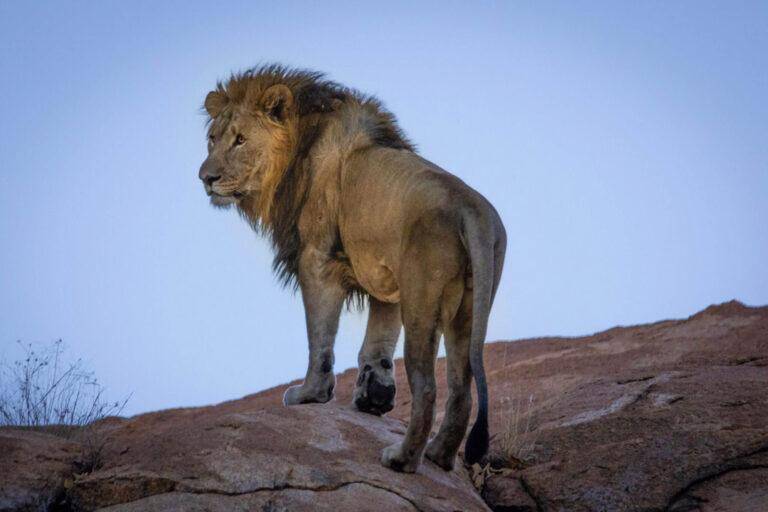
Several African countries still offer legal lion hunting opportunities, including Zimbabwe, Namibia, and parts of Mozambique. However, many experienced dangerous game hunters continue to regard Tanzania as one of the continent’s most authentic wilderness lion hunting destinations because of the sheer size of its safari concessions, low hunting pressure, and emphasis on traditional East African tracking safaris.
Unlike smaller or more heavily managed hunting properties found elsewhere in Africa, Tanzania’s lion hunting areas often consist of enormous unfenced ecosystems where lions move naturally across remote wilderness terrain alongside elephant, buffalo, leopard, and other dangerous game species. Hunts frequently involve extended tracking periods, remote fly-camp operations, and physically demanding conditions that many hunters associate with classic East African safari traditions.
Zimbabwe also maintains a strong reputation for dangerous game hunting and experienced professional hunters, particularly in free-range wilderness concessions where mature male lions are carefully managed under quota systems. Hunters comparing Tanzania and Zimbabwe often find that both countries offer highly respected fair-chase dangerous game safaris, although Tanzania is generally known for larger concession sizes and more remote wilderness conditions.
For many international hunters seeking authentic lion hunting in Tanzania, the country’s combination of vast wilderness areas, traditional safari methods, conservation-driven quota systems, and mature free-range lion populations continues to separate it from many other modern dangerous game hunting destinations in Africa.
Conservation, Fair-Chase Hunting, And Lion Population Management In Tanzania
Modern lion hunting in Tanzania operates under intense international scrutiny, which is why ethical safari operators place enormous emphasis on conservation management, fair-chase hunting principles, and long-term lion population sustainability. Tanzania’s dangerous game hunting industry depends heavily on regulated quota systems, government oversight, scientific wildlife monitoring, and selective harvesting practices designed to protect breeding lion populations across large wilderness ecosystems.
One of the most important aspects of ethical lion management involves focusing primarily on mature male lions that have already contributed to local pride genetics and territorial stability. Professional hunters, trackers, and wildlife authorities work together to evaluate age, body condition, mane development, and territorial behavior before any lion is considered suitable for harvest. This age-based selection process helps reduce unnecessary pressure on younger breeding males while supporting healthier long-term population structures within Tanzania’s safari concessions.
Revenue generated through regulated hunting concessions also contributes directly toward anti-poaching operations, wildlife monitoring, road maintenance, employment opportunities, and habitat protection in remote rural areas where photographic tourism alone often cannot sustain large-scale conservation programs. In many parts of Tanzania, conservation-based hunting remains one of the few economic systems capable of protecting enormous wilderness areas from agricultural expansion, illegal settlement, and commercial poaching activity.
At the same time, many experienced hunters and professional safari operators strongly oppose captive-bred or heavily controlled lion hunts that fail to reflect authentic fair-chase dangerous game hunting principles. Tanzania continues to maintain a strong international reputation largely because of its vast unfenced hunting areas, low hunting pressure, traditional tracking methods, and emphasis on pursuing truly wild lions under natural East African safari conditions.
Human-wildlife conflict also remains an important conservation reality throughout many rural regions bordering lion habitat. In some communities, lions pose genuine threats to livestock and local livelihoods. Properly regulated hunting programs can help create financial incentives for conservation by supporting local employment, anti-poaching initiatives, infrastructure development, and broader wildlife protection programs tied directly to sustainable safari operations.
For many international hunters pursuing ethical lion hunting in Tanzania, these conservation realities form an important part of the overall safari experience. The combination of wilderness preservation, government regulation, fair-chase hunting ethics, and long-term wildlife management is one of the reasons Tanzania continues to remain highly respected within the dangerous game hunting community worldwide.
What International Hunters Should Understand About Tanzania Lion Safari Logistics
Planning ethical lion hunting in Tanzania requires far more preparation than many first-time international hunters initially expect. Tanzania’s lion safaris often take place in extremely remote wilderness concessions where hunters may spend several weeks operating far from major towns, paved roads, or modern infrastructure. Because of the scale and remoteness of these safari areas, careful logistical planning remains an important part of the overall experience.
Most Tanzania lion safaris operate under strict government regulations requiring licensed professional hunters, approved hunting quotas, firearm documentation, and export permitting procedures. International hunters traveling from the United States or Europe should work closely with experienced safari operators when planning ethical lion hunting in Tanzania safaris to ensure all firearm import permits, travel arrangements, conservation documentation, and trophy export requirements are handled correctly before arrival.
Unlike shorter plains game safaris, many dangerous game lion hunts in Tanzania involve extended safari durations that allow professional hunters and trackers enough time to evaluate mature male lions properly under fair-chase conditions. Long tracking days, unpredictable weather, remote fly-camps, and physically demanding terrain are all common parts of authentic East African lion safaris.
Many experienced American hunters are often surprised by the scale and isolation of Tanzania’s wilderness concessions. Charter flights, bush airstrips, and extended vehicle travel are frequently necessary to access some of the country’s most respected lion hunting areas. For serious dangerous game hunters, however, this remoteness is often viewed as one of the defining reasons Tanzania continues to remain one of Africa’s most authentic wilderness lion hunting destinations.
Professional safari operators also place significant emphasis on preparation before the hunt begins. Rifle selection, physical conditioning, travel planning, trophy expectations, and understanding fair-chase lion hunting principles all contribute to a safer, more successful, and more ethically managed dangerous game safari experience.
Many first-time international hunters are also surprised by the financial structure surrounding dangerous game safaris, particularly when it comes to deposits, trophy fees, escrow questions, and safari payment security. Hunters unfamiliar with African safari booking procedures can benefit from understanding how reputable operators typically structure safari payments, contracts, cancellation policies, and financial protection before committing to a major wilderness hunt.

Preparing For A Remote Tanzania Lion Safari
Preparing for ethical lion hunting in Tanzania involves far more than simply booking a dangerous game safari. Many of Tanzania’s lion hunting concessions operate in isolated wilderness regions where hunters may spend extended periods far from major towns, paved roads, and modern infrastructure. Proper preparation, realistic expectations, and clear communication with professional hunters before arrival are all essential parts of a successful safari experience.
Most experienced American hunters begin preparing months in advance by discussing rifle selection, physical conditioning, travel documentation, trophy expectations, and overall safari logistics directly with their outfitter and professional hunter. Because many Tanzania lion safaris involve long tracking days under demanding conditions, hunters should arrive physically prepared for extended periods on foot through thick bush, dry river systems, floodplains, and open savannah terrain.
International travel preparation also plays an important role. Firearm import permits, ammunition regulations, charter flight schedules, medical precautions, and trophy export documentation often require careful coordination well before departure. Experienced safari operators typically help guide hunters through these procedures to ensure compliance with Tanzania’s wildlife regulations and international transport requirements.
Many first-time international hunters are also surprised by the financial structure surrounding dangerous game safaris, particularly when it comes to deposits, trophy fees, contracts, and safari payment security before committing to a major wilderness hunt. Working with reputable safari operators that prioritize transparency, conservation ethics, and professional communication can help reduce unnecessary financial risk while building greater confidence before the safari begins.
Mentally, authentic dangerous game hunting in Tanzania can be just as demanding as it is physical. Following fresh lion spoor through thick cover while knowing a wounded lion may be nearby remains one of the most intense experiences in African hunting. Patience, discipline, and the ability to remain calm under pressure are all important traits for hunters pursuing mature wild lions under true East African safari conditions.
Conclusion
For hunters seeking an authentic dangerous game experience rooted in conservation, fair-chase principles, and true wilderness hunting, ethical lion hunting in Tanzania continues to stand apart from many modern safari destinations. Tanzania’s combination of vast unfenced concessions, strict quota systems, mature male lion selection policies, and long-established conservation management programs has helped preserve some of Africa’s last truly wild lion hunting ecosystems.
For many experienced American and international hunters, the appeal of Tanzania extends far beyond simply harvesting a trophy lion. The reality of tracking mature lions through remote East African wilderness areas, working closely with professional hunters and trackers, and understanding the conservation responsibilities tied to modern safari hunting all contribute to a far deeper and more meaningful experience.
Hunters interested in learning more about Tanzania’s wilderness lion safaris can also explore Why Tanzania Remains Africa’s Premier Wild Lion Hunting Destination, while those wanting greater insight into the realities of tracking mature lions under dangerous game conditions may find Tracking Wild Lions In Tanzania: Dangerous Game Safari Realities especially valuable when preparing for a future safari.
Success in the field ultimately depends on preparation, patience, discipline, and a deep understanding of ethical dangerous game hunting principles. Proper lion shot placement, mature trophy evaluation, and respect for fair-chase hunting standards all remain essential parts of responsible wild lion management in Tanzania’s remote safari ecosystems.
Frequently Asked Questions About Lion Hunting In Tanzania
Why is Tanzania considered one of Africa’s premier lion hunting destinations?
Tanzania is widely regarded as one of Africa’s premier wild lion hunting destinations because of its enormous unfenced wilderness concessions, low hunting pressure, and traditional East African safari conditions. Many experienced dangerous game hunters value Tanzania for its physically demanding tracking safaris, mature free-range lion populations, and conservation-focused quota systems that emphasize ethical fair-chase hunting practices.
How do Tanzania’s lion hunting quotas support conservation?
Tanzania’s lion hunting quotas are designed to limit harvest numbers while protecting breeding lion populations across remote wilderness ecosystems. Government wildlife authorities, professional hunters, and conservation managers work together to ensure that only mature male lions meeting strict age and trophy standards are considered for harvest. Revenue generated through regulated hunting concessions helps fund anti-poaching operations, habitat protection, wildlife monitoring, and local community conservation programs.
What should American hunters expect during a Tanzania lion safari?
Many American hunters are surprised by the scale, remoteness, and physical demands of authentic lion hunting in Tanzania safaris. Hunts often involve long tracking days through thick bush, floodplains, dry river systems, and open savannah terrain under hot and unpredictable conditions. Unlike highly managed hunting environments, success is never guaranteed, and hunters should expect a realistic dangerous game safari experience requiring patience, endurance, and strong communication with professional hunters and trackers.
Why do ethical hunters avoid captive-bred lion hunts?
Most experienced dangerous game hunters and professional safari operators strongly support fair-chase hunting principles and oppose captive-bred or “canned” lion hunts. Ethical lion hunting focuses on pursuing mature wild lions within large free-range wilderness ecosystems where the animal has a genuine opportunity to evade hunters naturally. Tanzania continues to maintain a strong international reputation because of its emphasis on authentic wilderness safaris, strict quota management, and truly wild lion hunting conditions.
About The Author
Pierre van Wyk is the co-founder of Game Hunting Safaris and has worked extensively with professional hunters, safari operators, and dangerous game concessions across Africa. With years of experience around wilderness lion safaris, Cape buffalo hunts, and East African hunting operations, his focus remains on ethical fair-chase hunting, conservation-based safari management, and helping international hunters better understand the realities of planning authentic African dangerous game safaris.