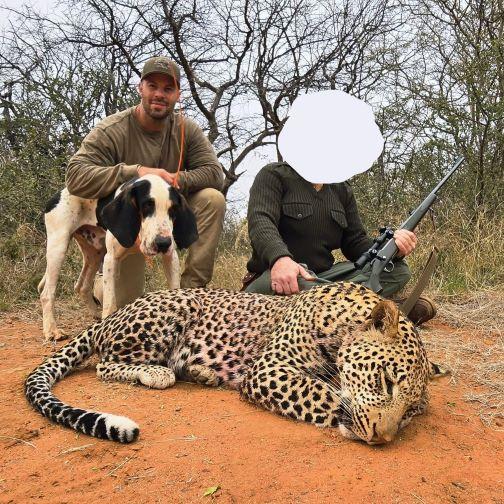
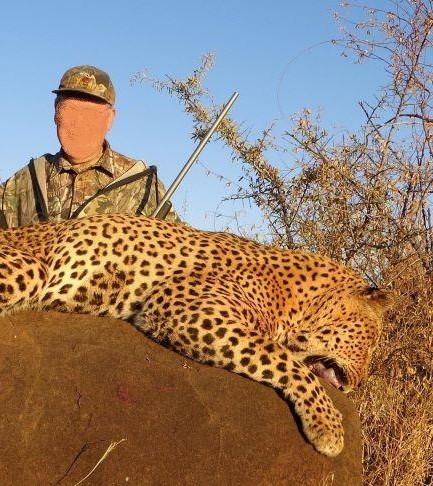
Leopard Hunting with Hounds in the forests of Mozambique
Booking Season: 2026
Hunt Difficulty: Difficult

| Animal | Fee |
| Chapman's Zebra | 4000 |
| Chobe Bushbuck | 1800 |
| Greater Kudu | 4000 |
| African Crocodile | 6000 |
| Cape buffalo | 6000 |
| Hippo | 6200 |
| Lion | 21000 |
| Livingstone Eland | 4200 |
| Sable | 6000 |
| Common Nyala | 4500 |
| Common Reedbuck | 1500 |
| Lichtenstein Hartebeest | 4000 |
| Blue Duiker | 1900 |
| Gray Duiker | 800 |
| Oribi | 1800 |
| Red Duiker | 1900 |
| Sharpe's Grysbok | 1950 |
| Suni | 1900 |
| Porcupine | 900 |
| Spotted Hyena | 2300 |
| Warthog | 900 |
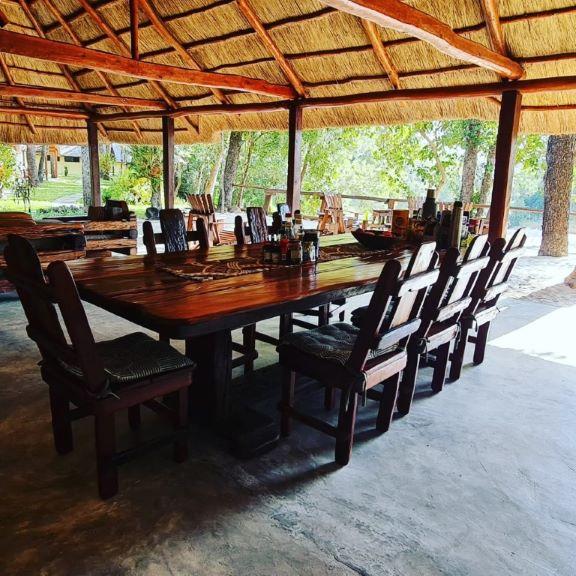
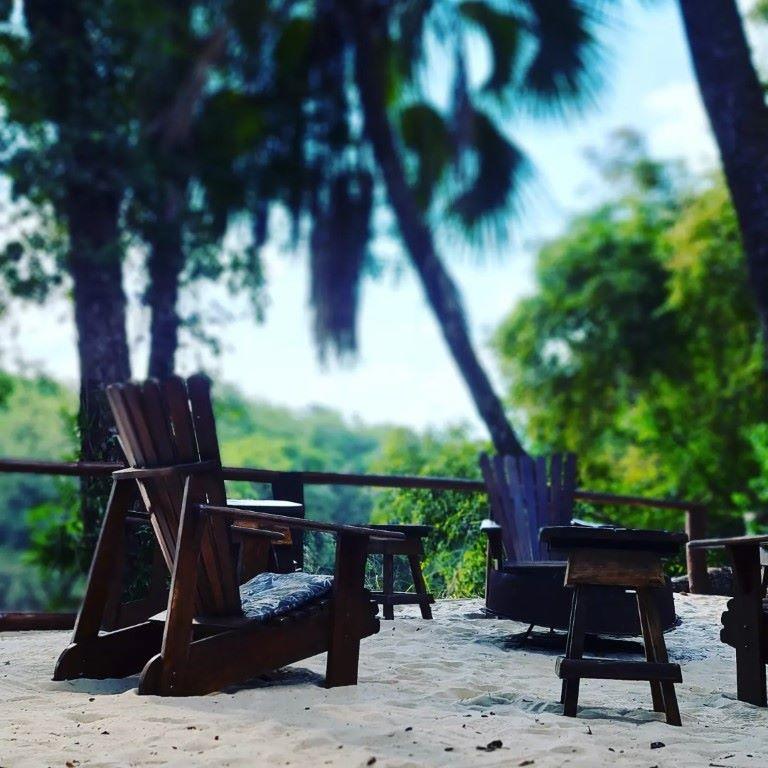
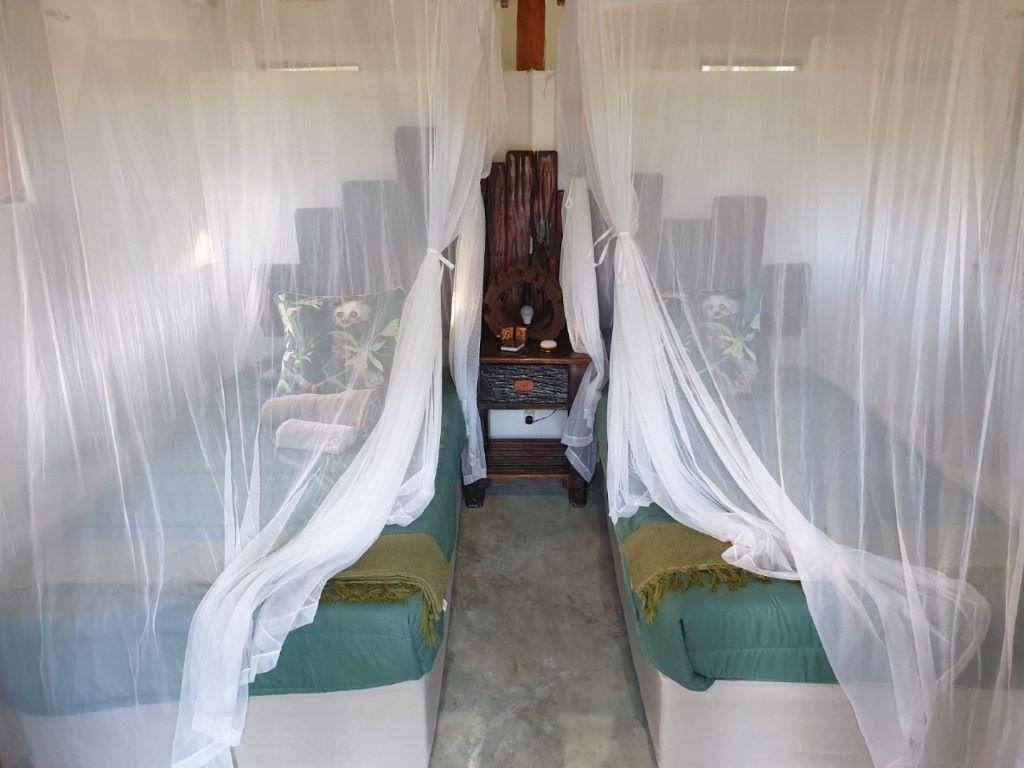
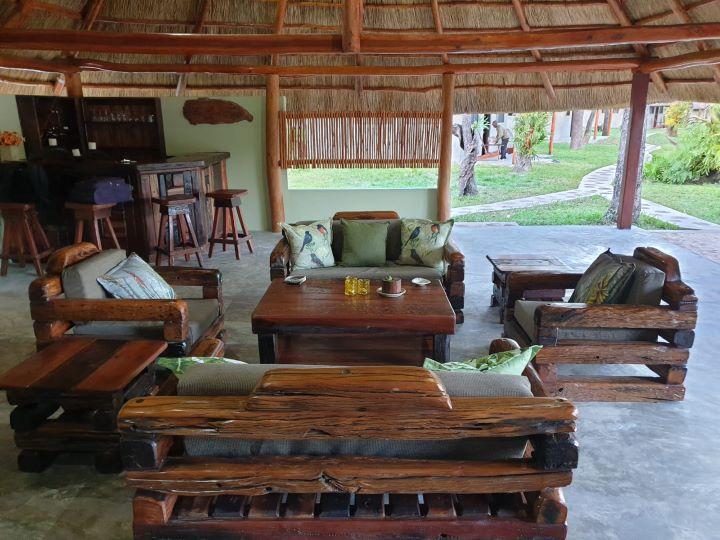
Hunters stay in comfortable safari chalets with en-suite bathrooms, hot and cold running water, reliable power, and all the amenities required for an extended stay in the Mozambican wilderness. After long days spent tracking leopard through remote country, camp provides a welcoming place to relax, enjoy hearty meals, and share stories from the day's hunt.
Hunters can expect a vast and largely untouched wilderness made up of dense forests, seasonal river systems, thick cover, and natural game corridors. This diverse terrain provides ideal habitat for leopard and creates the type of challenging free-range hunting environment that rewards tracking skill, patience, and persistence.
| Fence Type: | Free-range |
| Nearest Airport Name: | Beira, Mozambique |
| Air Charter Available: | Yes |
For American and international hunters who dream of actively pursuing one of Africa's most elusive predators rather than waiting in a blind, few safaris offer an experience quite like leopard hunting with hounds in Mozambique.
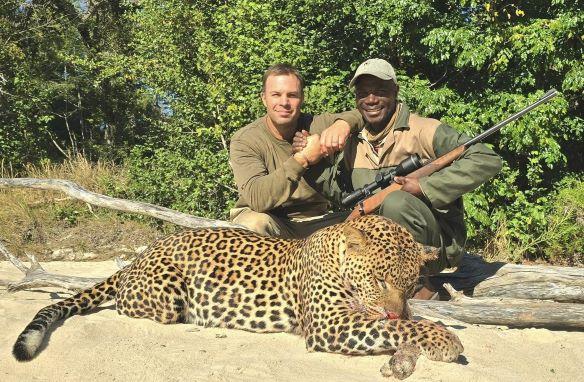
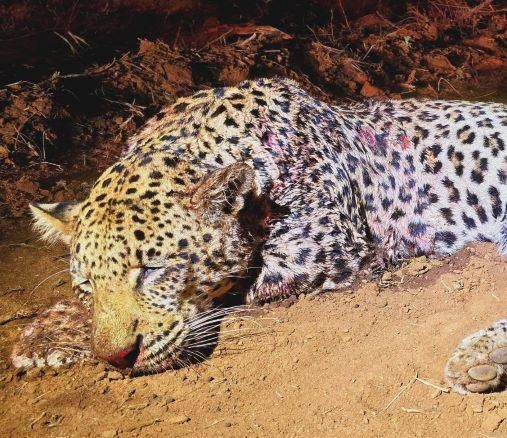
Conducted in the remote forests of central Mozambique, this 14-day safari combines traditional tracking methods, experienced leopard hounds, and genuine free-range hunting in one of Africa's most exciting leopard destinations. Every day begins with the search for fresh spoor, followed by the challenge of interpreting tracks, making decisions in real time, and following a pack of highly trained hounds through wild country in pursuit of a mature tom leopard.
Unlike many leopard hunts that revolve primarily around bait sites and patient waiting, hunting leopard with hounds is active, immersive, and physically engaging. Hunters become part of the pursuit itself, working alongside trackers, Professional Hunters, and hounds as the hunt unfolds across the forests and river systems of Mozambique.
For hunters seeking an authentic leopard safari where every day in the field brings fresh tracks, new decisions, and the possibility of following hounds to a mature tom, Mozambique remains one of the most exciting destinations left in Africa.
Location: Mozambique
Duration: 14 Full Hunting Days
Hunter Ratio: 1 Hunter × 1 Professional Hunter
Price: US$37,350 All-In (Includes Leopard Trophy Fee)
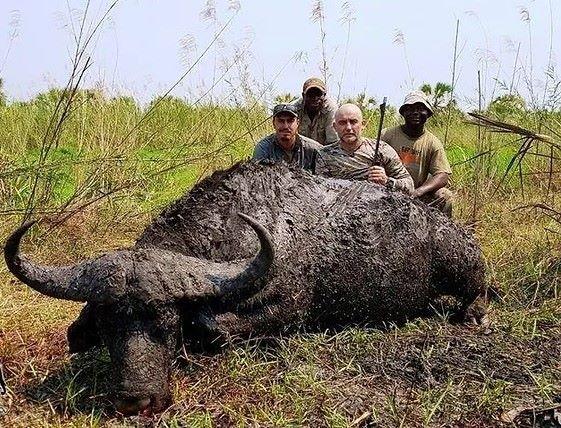
Add a Cape Buffalo Hunt with no size limit for an additional US$6,000. For hunters looking to combine leopard with one of Africa's most iconic dangerous game species, a buffalo hunt can transform this safari into a truly memorable dangerous game hunting safari.
Observers Welcome: US$350 per person per day
Rifle Rental: Available on request
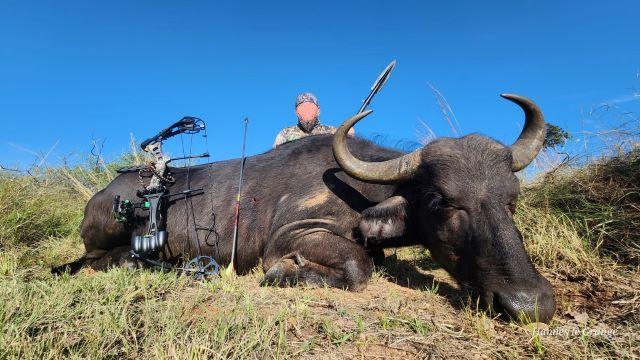
Mozambique is one of the few African destinations where leopard may legally be hunted with a bow or crossbow. Hunters interested in bowhunting are encouraged to confirm the latest regulations before booking, as hunting laws and permit requirements can change.
Mozambique continues to earn a reputation as one of Africa's premier free-range hunting destinations. Vast wilderness areas, low hunting pressure, healthy leopard populations, and authentic safari conditions combine to create a hunting experience that feels increasingly rare in today's world.
While the safari price includes the Leopard Trophy Fee and core safari costs, hunters should budget for the following additional expenses:
Mozambique issues a limited number of leopard permits each year. With approximately 120 leopard tags available nationally, hunters are encouraged to secure their preferred dates well in advance to avoid disappointment.
For experienced African hunters, Mozambique represents one of the continent's last true safari frontiers. Vast wilderness areas, limited development, low hunting pressure, and enormous free-range hunting concessions combine to create the type of hunting experience that has become increasingly difficult to find elsewhere in Africa.
Hunters interested in hunting in Mozambique are often drawn by the country's sense of scale and remoteness. This is not a destination of small properties or heavily managed hunting areas. Wildlife moves naturally across immense landscapes where rivers, forests, and wild country dominate the horizon rather than roads, fences, and human development.
Mozambique has earned a strong reputation among dangerous game hunters for producing authentic safaris that place a premium on tracking, patience, and time spent in the bush. Every hunt feels earned, and every encounter unfolds on nature's terms rather than according to a schedule.
For leopard hunters in particular, Mozambique offers the type of habitat these elusive predators favour. Dense forests, healthy prey populations, and extensive wilderness combine to support some of Africa's most exciting free-range leopard hunting opportunities.
Perhaps most importantly, a safari in Mozambique still feels like an adventure. The journey, the landscapes, the wildlife, and the hunting itself all contribute to an experience that remains refreshingly wild in a modern world where truly remote hunting destinations are becoming increasingly rare.
Most leopard hunts in Africa revolve around patience. Hunters spend days monitoring bait sites, checking trail cameras, and waiting for a mature tom to commit to a bait before an opportunity presents itself.
Hunting leopard with hounds is different.
Rather than waiting for the leopard to come to the hunter, the hunter actively pursues the leopard. Each day begins with the search for fresh spoor along roads, river crossings, and forest tracks. Once suitable tracks are identified, the real work begins. Trackers, Professional Hunters, and hounds work together to determine the age, size, and direction of travel before the pursuit gets underway.
For hunters interested in leopard hunting in Mozambique, this active style of hunting is one of the country's most unique attractions. Every track tells a story, and every decision influences the outcome of the hunt. Conditions can change rapidly, forcing hunters to adapt, read the terrain, and work as part of a coordinated team rather than simply waiting for an opportunity to develop.
One of the major advantages of hunting with hounds is the ability to evaluate the leopard before a shot is ever considered. Experienced Professional Hunters can often assess the maturity of a tom from its tracks, while the hounds allow the hunting party to stay focused on a specific animal. Should an immature leopard be located, the dogs can be called off and the hunt continued elsewhere.
The result is a style of hunting that is highly interactive, physically engaging, and deeply rewarding. Success is never guaranteed, but for many hunters that is precisely the appeal. Every leopard is earned through effort, teamwork, and a willingness to follow the hounds wherever the hunt may lead.
Long before sunrise, Gavin and his team are already on the move. The first task of the day is searching roads, river crossings, and sandy tracks for fresh leopard spoor. Every track is carefully examined, with size, direction of travel, and freshness all helping determine whether the hunt will continue.
When a suitable track is found, the mood changes immediately. Hounds are prepared, hunters gather their gear, and the pursuit begins.
Unlike many leopard hunts where hours may be spent waiting in a blind, hunting with hounds is active from the very beginning. Hunters can expect to cover ground on foot, following trackers and dogs through thick cover as the hunt unfolds. Some pursuits may last only a short time, while others can continue for hours as the leopard uses every advantage the terrain provides.
Throughout the day, decisions are constantly being made. Tracks are interpreted, routes are adjusted, and the hunting party works together to stay focused on a specific animal. Every member of the team plays a role, and every hunt develops differently.
When the hounds finally bring the leopard to bay or tree the cat, the pace changes once again. Excitement builds, adrenaline rises, and hunters are faced with one of the most memorable moments African hunting can offer. It is this combination of tracking, teamwork, uncertainty, and raw excitement that makes leopard hunting with hounds such a unique safari experience.
Not all leopard habitat is created equal. The forests and river systems of central Mozambique provide exactly the type of environment that allows mature tom leopards to thrive.
This region is characterized by vast tracts of wild country, dense cover, seasonal river systems, and healthy populations of prey species. Unlike heavily developed areas where wildlife is confined to smaller pockets of habitat, leopards here move naturally across enormous landscapes with minimal human disturbance.
This creates a genuine free-range hunting experience. Every track discovered in the sand represents a wild leopard moving through its natural environment rather than an animal restricted by fences or intensive management practices. The scale of the country also means that no two hunts unfold in exactly the same way. One day may involve tracking through thick forest, while the next follows river systems, game trails, and natural travel corridors used by both predator and prey.
The combination of dense cover, extensive travel corridors, and healthy prey populations creates the type of environment mature tom leopards favour. These conditions allow cats to move naturally across large territories while remaining remarkably difficult to locate without the aid of experienced trackers and hounds.
The setting becomes just as memorable as the trophy itself. Long after the safari has ended, memories of following fresh tracks through the forests and wild country of Mozambique often remain every bit as vivid as the moment the leopard was finally located.
Leopard hunting with hounds is one of the most specialized forms of hunting in Africa. Success depends not only on finding leopard tracks, but also on reading spoor correctly, managing experienced hounds, making sound decisions under pressure, and knowing when to continue a pursuit and when to call the dogs off.
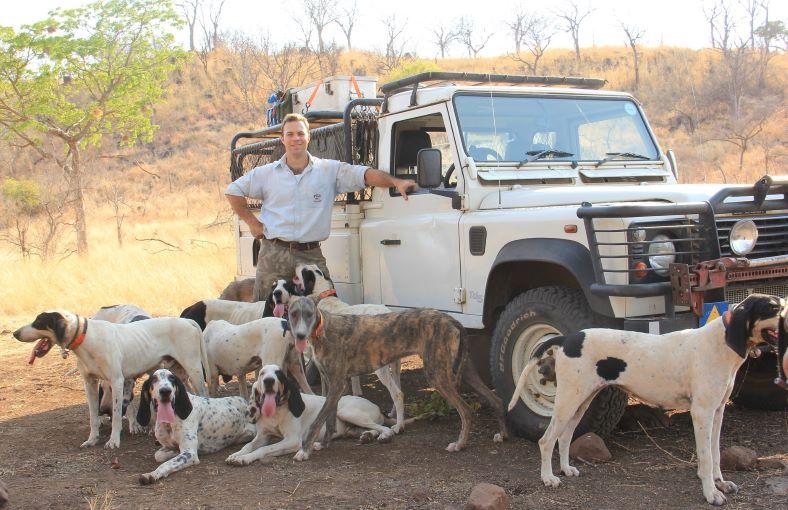
Gavin has spent decades pursuing dangerous game across Southern Africa and has built a reputation as one of the region's most experienced leopard hunting specialists. His knowledge of leopard behaviour, track interpretation, and hound management plays a critical role in the success of these safaris.
Equally important are the hounds themselves. Years of training and experience go into developing a pack capable of following fresh leopard spoor through challenging terrain while remaining responsive to commands when decisions need to be made quickly. The relationship between hunter, Professional Hunter, trackers, and hounds becomes one of the defining aspects of the safari.
Working alongside a skilled leopard hunting team is every bit as memorable as the trophy itself. Watching experienced hounds work a fresh track and seeing decades of hunting knowledge applied in real time offers a fascinating insight into one of Africa's most traditional hunting methods.
The final moments of a leopard hunt with hounds are unlike almost anything else in African hunting.
After hours of tracking, following hounds, and working through dense cover, the hunting party may suddenly find itself standing beneath a tree holding one of Africa's most elusive predators. The excitement is immediate. Hounds bark below, trackers position themselves carefully, and all eyes turn toward the leopard.
This is where experience, patience, and composure become critical.
Unlike many traditional leopard hunts where a cat may approach a bait site calmly under controlled conditions, a hound hunt often culminates in a fast-moving and emotionally charged situation. The hunter must remain focused, listen carefully to the Professional Hunter's instructions, and wait for the correct opportunity rather than rushing a shot.
Shot placement on leopard is always important, but it becomes even more critical in these circumstances. Hunters are strongly encouraged to familiarize themselves with proper leopard shot placement before arriving in camp. A well-placed shot ensures a quick, ethical harvest and helps avoid unnecessary follow-up situations.
Leopards are exceptionally tough animals for their size and should never be underestimated. Even when treed, careful shot selection remains essential. Angles can vary depending on the position of the cat, the shape of the tree, and the surrounding terrain.Patience and discipline are far more important than speed.
One of the reasons experienced Professional Hunters take these moments so seriously is the potential danger associated with a wounded leopard. While every effort is made to ensure a clean shot, follow-up situations demand caution, teamwork, and sound decision-making. This is another reason hunters benefit from working alongside experienced leopard specialists who understand both the animal and the unique circumstances that accompany hound hunts.
For hunters, the moment they finally settle the crosshairs on a mature tom after hours of pursuit becomes the defining memory of the safari. It is the culmination of tracking, teamwork, skill, and excitement, and one of the reasons leopard hunting with hounds remains such a respected and unforgettable hunting experience.
Part of the appeal of hunting in Mozambique is that, despite the country's reputation for remote wilderness and authentic safari conditions, planning the trip is relatively straightforward with the assistance of an experienced outfitter.
Most international hunters travel via Johannesburg, South Africa, or Maputo, Mozambique, before connecting onward to the hunting area. Depending on schedules and safari arrangements, a charter flight may be required for the final leg of the journey into camp. Hunters travelling with firearms will require a Mozambique rifle import permit, which is typically arranged in advance with the assistance of Gavin and his team.
Mozambique's hunting season runs from April through November, providing a long window for leopard hunting. The cooler months from April through August offer comfortable daytime temperatures and enjoyable tracking conditions, while the later months of September through November can become considerably warmer but often provide excellent hunting opportunities in the dry season.
Accommodation combines wilderness hunting with modern comforts. Hunters stay in comfortable chalets with en-suite facilities, reliable power, daily housekeeping, laundry services, and attentive camp staff. After long days spent tracking leopard through the forests of central Mozambique, camp provides a welcome place to relax, share stories from the day's hunt, and prepare for the following morning's pursuit.
For hunters considering a once-in-a-lifetime leopard safari, the combination of experienced support, comfortable accommodation, and well-established travel arrangements allows them to focus on what matters most: the hunt itself.
Although this safari is built around the pursuit of leopard, hunters spending fourteen days in the field may have opportunities to add selected plains game species, subject to quota availability.
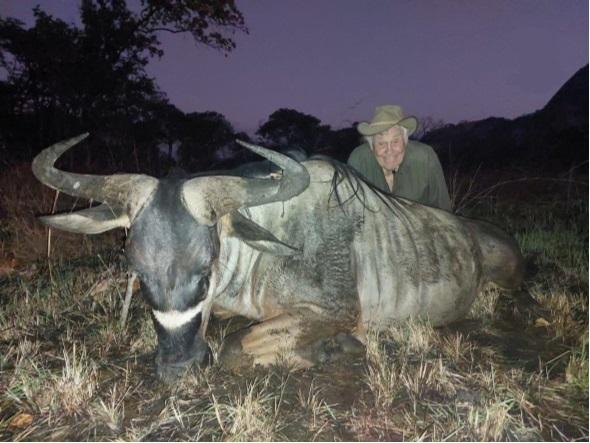
Mozambique is well known for offering a diverse mix of game animals, allowing hunters to combine a world-class predator hunt with additional trophies during the same safari. Depending on the area and available quota, species may include antelope unique to the region, as well as sought-after trophies such as the white-bearded wildebeest, a species many hunters will only encounter in East and parts of Southern Africa.
For hunters interested in building a broader African safari experience, combining leopard with selected plains game hunts can create a rewarding and diverse hunting adventure without extending the length of the trip.
Not every leopard hunter is looking for the same experience.
Some hunters enjoy the patience and anticipation of sitting over a bait site, waiting for a mature tom to appear under cover of darkness. Others want to play a more active role in the hunt itself, following tracks, reading sign, and becoming part of the pursuit from beginning to end.
This safari is designed for the latter.
Hunters who enjoy tracking, problem-solving, teamwork, and physically engaging hunts often find leopard hunting with hounds particularly rewarding. Every day presents new challenges, every track tells a story, and every decision has the potential to influence the outcome of the hunt.
For sportsmen seeking an authentic free-range leopard safari rather than a highly structured hunting experience, few opportunities in Africa offer the same combination of wilderness, adventure, and active participation. It is a hunt that rewards patience, effort, and a willingness to embrace the unpredictable nature of pursuing one of Africa's most elusive predators.
Many hunters dream of pursuing a leopard in Africa. Far fewer will experience the challenge of following fresh spoor through wild country behind a pack of trained hounds, knowing that every step may bring them closer to one of the continent's most respected predators.
From the vast wilderness of Mozambique and the excitement of tracking a mature tom, to the teamwork between hunters, trackers, Professional Hunters, and hounds, this safari offers an experience that remains remarkably rare in modern African hunting.
For hunters looking for more than simply a trophy, for those seeking adventure, participation, and the opportunity to experience leopard hunting in its most active form, this Mozambique safari delivers a hunting experience that will be remembered long after the journey home.
If you would like additional information regarding this leopard hunting safari in Mozambique, available dates, or additional hunting opportunities, contact the Game Hunting Safaris team for further details.
Please note that terms, conditions and price are subject to change without notice and rates at the time of the hunt will apply
Needing assistance with firearm permits and international travel services, or good taxidermists? View our affiliated companies
View Affiliated Services