Designed by Hunters, for Hunters

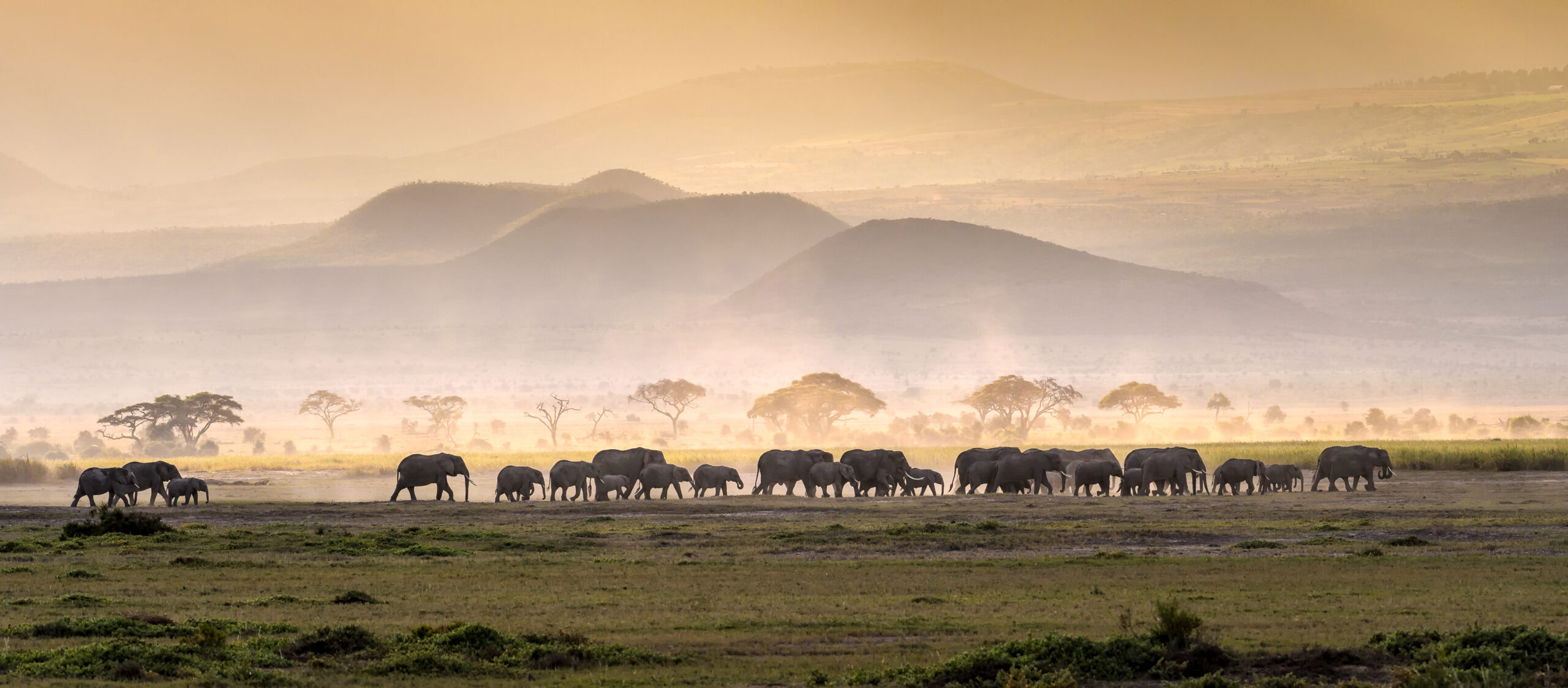
Tanzania has long been regarded as one of Africa's ultimate dangerous game destinations. Hunters travel here to follow old Cape buffalo through endless miombo woodland, listen for lion at first light and pursue leopard across vast concessions that have become legendary throughout the hunting world.
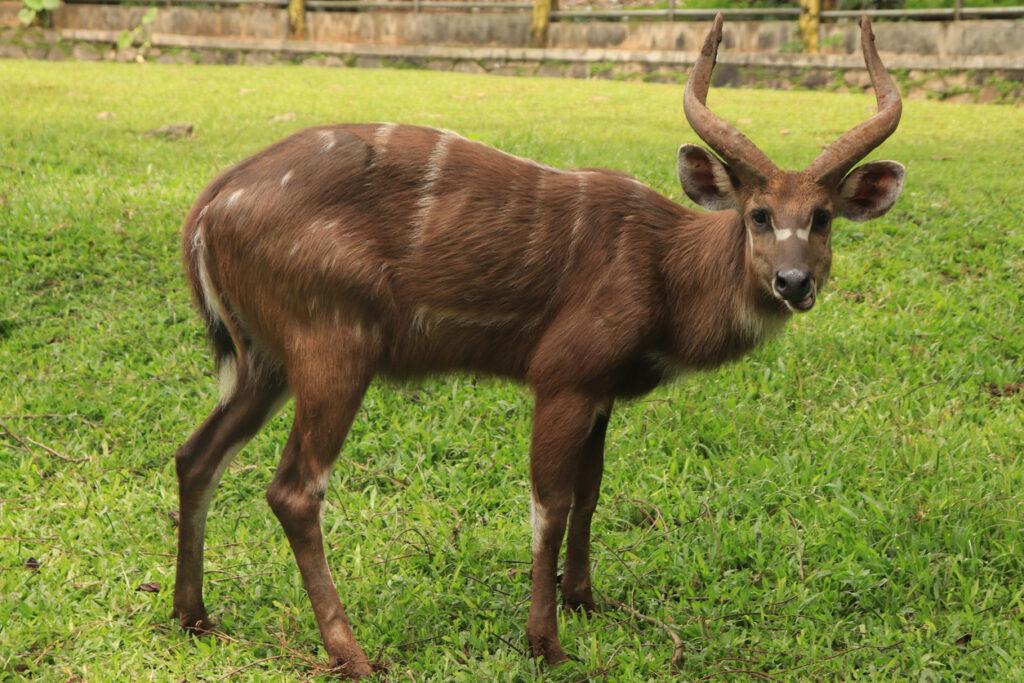
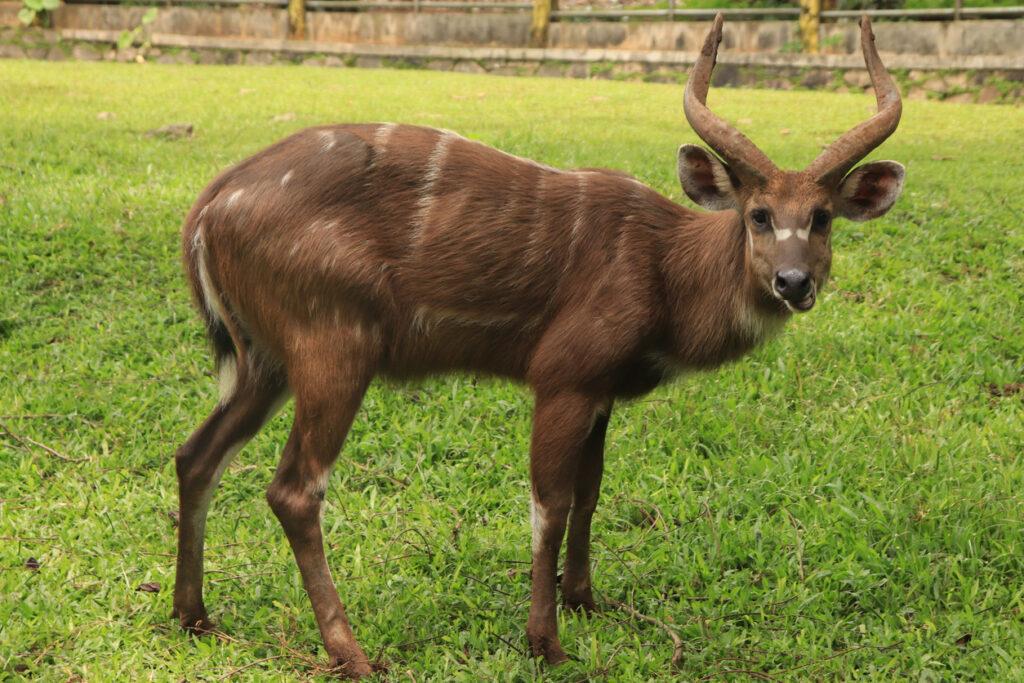
Hidden within this famous hunting country, however, is one of East Africa's least publicised trophies, the elusive East African (Nile) sitatunga. While Sitatunga Hunts are more commonly associated with Uganda and Zambia, Tanzania offers a unique opportunity to pursue this remarkable spiral-horned antelope alongside some of Africa's finest dangerous game and East African plains game.
That combination is exceptionally rare. Rather than travelling specifically for sitatunga alone, hunters can include this highly specialised trophy as part of a classic East African safari, creating a hunting adventure few destinations can match.
It is one of the reasons experienced African hunters quietly keep Tanzania on their shortlist. The East African (Nile) sitatunga may not appear on every trophy fee list or hunting brochure, but for those fortunate enough to hunt the right concession with the appropriate quota, it remains one of Africa's genuine hidden treasures.
One of the biggest misconceptions about hunting in Tanzania is that the country consists entirely of open woodland, vast savannahs and endless buffalo country. While that may describe much of the famous hunting areas, Tanzania is also home to an extraordinary network of rivers, floodplains and permanent wetlands where the East African (Nile) sitatunga has quietly flourished for generations.
These wetland systems create a completely different world from the dry miombo forests found only a few miles away. Thick papyrus, flooded grasslands and reed-filled channels provide the cover this remarkable antelope depends upon, while also making it one of the most challenging animals in East Africa to locate.
That contrast is one of the reasons sitatunga hunting in Tanzania feels so unique. A hunter may spend the morning following Cape buffalo spoor through dry woodland before finding himself glassing flooded wetlands later the same day in search of one of Africa's most elusive spiral-horned antelope. Very few hunting destinations offer such a dramatic change in habitat within a single safari.
Tanzania has earned a worldwide reputation for its Cape buffalo hunts, lion, leopard and elephant hunting safaris, with countless hunters dreaming of following fresh buffalo spoor through vast miombo woodlands or listening for lions calling before first light. It is one of the reasons the country remains firmly on the bucket list of dangerous game hunters from around the world.
What receives far less attention is that Tanzania is also home to an extraordinary network of permanent rivers, floodplains and wetlands hidden amongst this famous hunting country. These isolated pockets of papyrus, reeds and flooded grasslands support a completely different ecosystem, one where the elusive East African (Nile) sitatunga has quietly lived for generations.
Perhaps that is why so few hunters realise the opportunity exists. Sitatunga are rarely advertised on safari price lists, they seldom appear on magazine covers and are not a species every outfitter can offer. Unless a hunting concession contains the right habitat and an approved quota, the subject may never even come up during the planning stages of a safari.
This is exactly what makes Tanzania so rewarding for experienced hunters. Imagine spending several days tracking old Cape buffalo through dry woodland before changing pace completely, exchanging dusty game trails for quiet wetlands where every movement in the papyrus demands a closer look. Few African safaris allow hunters to experience such dramatically different habitats during a single expedition.
The East African (Nile) sitatunga is not Tanzania's best-known trophy, nor should it be. That distinction will always belong to the country's legendary dangerous game. Instead, the sitatunga remains one of those remarkable hunting opportunities that reveal themselves only to hunters who ask one more question, spend one more evening talking to their professional hunter, or decide to explore beyond the species that appear in bold print on the safari brochure.
For seasoned African hunters, Africa eventually becomes about much more than adding another trophy to the collection. It is about discovering new landscapes, meeting extraordinary people and experiencing parts of the continent that few visitors will ever have the privilege to explore. Hunting simply provides the passport. In Tanzania, those hidden opportunities, the ones rarely mentioned in brochures or safari price lists, often become the memories that last a lifetime.
Hunters researching the East African (Nile) sitatunga will inevitably compare Tanzania with Uganda. Both countries offer outstanding opportunities to pursue this elusive antelope, but the overall safari experience is surprisingly different.
Uganda has built an international reputation around dedicated sitatunga safaris, where permanent papyrus swamps and extensive wetlands become the primary focus of the hunt. Tanzania, by contrast, offers hunters the opportunity to pursue the same remarkable antelope as part of a much broader dangerous game safari, combining sitatunga with species such as Cape buffalo, leopard and several endemic East African plains game animals.
Neither destination is better. They simply suit different hunting ambitions. Hunters wanting to learn more about Uganda's dedicated wetlands can explore our guide to Hunting East African (Nile) Sitatunga in Uganda, while those seeking one of Africa's most diverse hunting expeditions often find Tanzania difficult to overlook.
One of the reasons the East African (Nile) sitatunga is so highly respected is because success can never be taken for granted. Unlike species that may be encountered several times during a safari, sitatunga inhabit relatively small pockets of suitable habitat hidden within vast hunting concessions. Even when fresh tracks are found, the ram still holds every advantage.
A mature sitatunga has spent its entire life learning how to disappear. Thick papyrus, flooded reed beds and winding waterways allow the animal to move almost silently, often slipping away long before the hunter ever catches sight of it. It is entirely possible to spend hours searching an area, knowing a mature ram is nearby, without ever laying eyes on him.
That uncertainty is part of the attraction. Every sighting feels significant because nothing has been staged or guaranteed. Success comes from patience, good judgement and making the most of a rare opportunity when it finally presents itself.
One of the biggest adjustments when hunting the East African (Nile) sitatunga is accepting that the wetlands, not the hunter, usually dictate the pace of the day. Unlike traditional Plains Game Hunts, where the objective is often to cover ground, glass distant hillsides or follow fresh spoor for miles, sitatunga hunting is rarely about speed. It is about learning to slow down and allowing the swamp to reveal its secrets one small clue at a time.
No two wetlands are ever exactly alike. Some consist of towering papyrus that rises well above a hunter's head, creating a green wall where visibility may be measured in only a few feet. Others open into flooded grasslands, reed beds and winding channels where a mature ram may briefly appear before disappearing as though he had never been there at all. Even the same swamp can look completely different from one season to the next as water levels rise and fall.
This constantly changing environment forces professional hunters and local trackers to think differently. Rather than concentrating solely on tracks, they begin reading the wetland itself. Fresh feeding sign, flattened reeds, muddy crossings, broken papyrus stems and narrow channels through floating vegetation all tell a story about where a mature ram has travelled and, perhaps more importantly, where he may be heading next.
Unlike dry ground, where tracks may remain visible for hours or even days, wetlands are constantly changing. Water rises and falls, reeds bend with the wind and fresh vegetation quickly hides the signs left behind by passing animals. It takes years of experience to recognise the subtle clues that reveal whether a mature ram is feeding nearby or has quietly slipped away under the cover of dense papyrus.
Wind direction becomes every bit as important as it is on a Cape buffalo hunt, but the hunter must also pay attention to water movement, changing light and the sounds of the wetland itself. A bird suddenly taking flight, reeds swaying against the breeze or the faint splash of an unseen animal may all provide clues that something is moving ahead.
Perhaps that is what makes sitatunga hunting so addictive. The hunter is not simply pursuing one of Africa's most elusive antelope; he is learning to understand an environment that plays by an entirely different set of rules. Every swamp has its own character, every day unfolds differently, and every successful hunt begins long before the first glimpse of spiral horns rising above the reeds.
One of the first things hunters notice when pursuing the East African (Nile) sitatunga is just how often their professional hunter asks them to stop.
Not because something has gone wrong, but because something might be about to go right.
Unlike many African hunts where covering ground often increases the chances of success, sitatunga hunting rewards patience. A mature ram may spend several minutes standing completely motionless inside dense papyrus, revealing only the tip of a horn or the outline of an ear before quietly melting back into the reeds. Move too quickly and the opportunity disappears before you even realise it existed.
Experienced professional hunters understand that the wetlands constantly reveal small clues. A bird suddenly leaving the reeds, the faint ripple of water across a narrow channel or the slightest movement amongst the papyrus may all suggest that something is watching long before the hunter sees it.
The instinct for many first-time sitatunga hunters is to keep moving. The instinct of an experienced professional hunter is often exactly the opposite. Sometimes the most productive decision is simply to stand quietly, watch carefully and allow the wetland to settle around you.
That is one of the biggest lessons an East African (Nile) sitatunga safari teaches. Success rarely belongs to the hunter who covers the greatest distance. More often, it belongs to the hunter who learns when to stop.
Not every memorable African hunt is measured by horn length or the weight of a trophy. Sometimes it is the unexpected moments that remain long after the safari has ended.
An East African (Nile) sitatunga hunt in Tanzania is often one of those moments. One day you may be following an old Cape buffalo through dry miombo woodland, the next quietly watching a flooded wetland where every ripple, every movement of the papyrus and every distant bird call suddenly seems important. It is the contrast between these worlds that makes the safari so memorable.
Perhaps that is why experienced hunters speak so highly of Tanzania. The country has a remarkable way of surprising those prepared to look beyond the obvious. Long after the dangerous game has been hunted and the trophies have been measured, it is often the unexpected opportunities, the hidden wetlands, the quiet conversations with your professional hunter and the discovery of a species you never planned to pursue, that remain the strongest memories.
The East African (Nile) sitatunga may never become Tanzania's most famous trophy, nor should it. Part of its appeal lies in the fact that it remains one of Africa's genuine hidden gems, quietly rewarding hunters who are prepared to venture just a little further than the safari brochure.
Neither destination is objectively better—they simply offer different hunting experiences. Uganda has earned its reputation through dedicated sitatunga safaris centred around vast papyrus wetlands, while Tanzania allows hunters to pursue the East African (Nile) sitatunga as part of a broader safari that may also include Cape buffalo, leopard and several unique East African plains game species.
Yes. This is one of Tanzania's greatest strengths. In the right concession and with the appropriate quota, hunters can pursue the East African (Nile) sitatunga alongside Cape buffalo, leopard and a variety of endemic East African plains game. Few African destinations offer such a diverse combination within a single safari.
The hunt is less about covering long distances and more about patience, balance and moving carefully through wetlands, floodplains and dense papyrus. Success usually depends on discipline, observation and listening to your professional hunter rather than trying to rush the hunt.
Unlike buffalo or many traditional plains game species, the East African (Nile) sitatunga can only be hunted in selected concessions where suitable wetland habitat exists and sustainable quotas have been allocated. Because opportunities are naturally limited, the species is seldom promoted as a headline trophy, making it one of Tanzania's genuine hidden hunting opportunities.
The East African (Nile) sitatunga has earned its reputation through the challenge of the hunt rather than horn length alone. Limited visibility, specialised habitat and the animal's remarkable ability to disappear into dense papyrus mean every successful trophy is the result of patience, teamwork and good decision-making.
The best time depends on the hunting concession and seasonal water levels. Experienced outfitters and professional hunters carefully plan their safaris around local conditions, ensuring the wetlands remain accessible while providing hunters with the best opportunity to locate a mature ram.
The best time to hunt the East African (Nile) sitatunga depends on the hunting concession, seasonal water levels and, perhaps most importantly, the additional species you plan to include on your safari. Hunters combining sitatunga with Cape buffalo, leopard or East African plains game often schedule their African Hunting Trips around the period that offers the best overall hunting conditions for all species rather than focusing on a single trophy. An experienced outfitter can help tailor the safari to match your hunting priorities and the concession's seasonal conditions.
Search from our range of Hunts across various popular destinations in Africa.

Book Your Hunt