
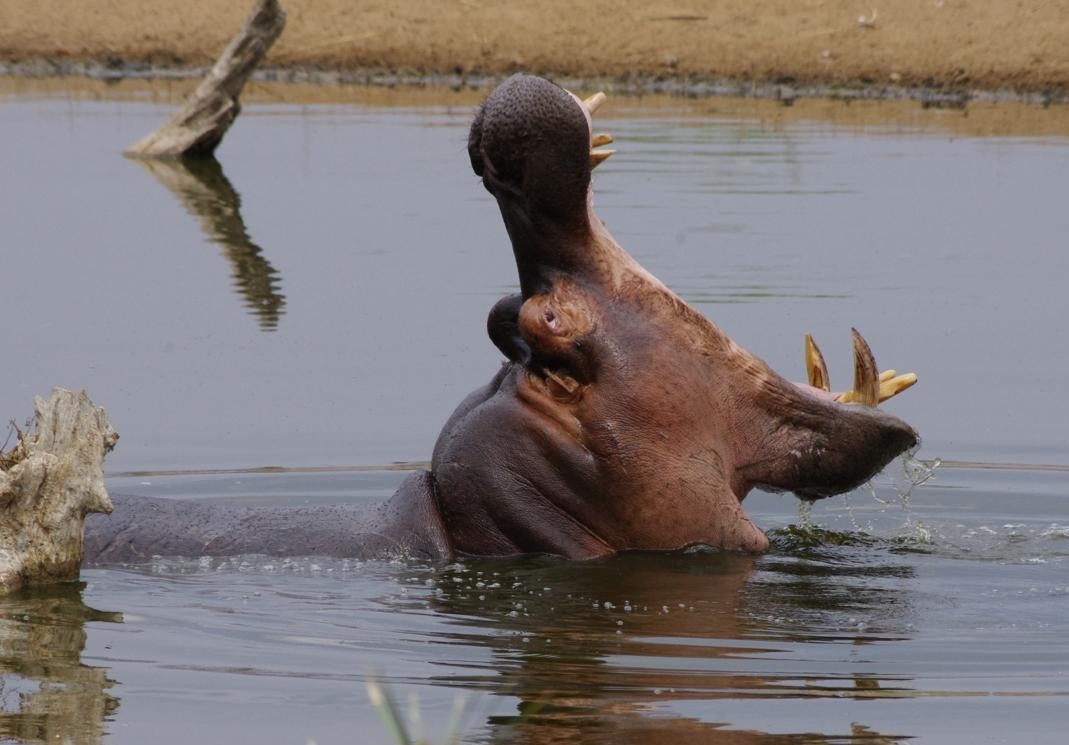
Preparing for a hippo hunting safari in Namibia involves far more than simply arriving with a large-caliber rifle and a dangerous game permit. In the floodplains and river systems of the Zambezi Region, conditions can shift quickly as hunters deal with thick reeds, muddy shoreline crossings, oppressive heat, low-light visibility, and one of Africa’s most unpredictable animals. For many international hunters — particularly Americans planning their first hippo hunting in Namibia experience — understanding the realities of river-based dangerous game hunting before arriving in camp can make a significant difference once the safari begins.
Unlike traditional plains game safaris, successful African hippo hunts often require careful preparation for water-based hunting conditions, changing shot opportunities, long hours observing river movement, and the possibility of extremely close-range encounters in dense vegetation. From choosing between exportable and non-exportable trophies to preparing mentally for dangerous follow-up situations near water, hippo hunting in Africa rewards hunters who arrive with realistic expectations and a solid understanding of the environment they are entering.
[DYNAMIC-BLOGTABLEOFCONTENT]
Key Takeaways
Preparing for a hippo hunting safari in Namibia involves far more than selecting a rifle and arriving in camp. Conditions in the Zambezi Region can change dramatically between the dry and wet seasons, affecting river levels, visibility, hippo movement, and the type of hunting opportunities encountered along the floodplains and waterways.
For many first-time dangerous game hunters, one of the biggest surprises is how physically and mentally demanding hippo hunting in Africa can become once tracking begins near thick reeds, muddy shoreline crossings, and low-light river systems. Water depth, vegetation density, and constantly shifting shot angles often play a major role in how hunts unfold during a safari.
Hunters planning a hunting safari in Namibia also need to consider whether an exportable or non-exportable trophy best suits their overall hunting plans, particularly when combining species such as Nile crocodile or buffalo within the same river-system safari.
Beyond equipment and logistics, successful hippo hunts often come down to patience, preparation, and realistic expectations. Accurate shot placement, calm decision-making, and the ability to adapt to changing river conditions remain critical when pursuing one of Africa’s most dangerous game animals.
Why Many American Hunters Choose Namibia for Dangerous Game Safaris
For many American hunters planning their first hunt in Africa, Namibia has developed a reputation as one of the continent’s more accessible and professionally managed dangerous game destinations. The country combines modern safari infrastructure, experienced outfitters, politically stable hunting regions, and vast free-range concessions that still deliver an authentic fair-chase hunting experience.
Unlike some southern African destinations where hunting often takes place within heavily fenced properties, many of Namibia’s dangerous game areas — particularly in the Zambezi Region — remain open floodplain and river ecosystems where wildlife moves naturally across enormous unfenced landscapes. This becomes especially important during hippo hunts, where tracking conditions, river movement, and changing water levels can influence the entire flow of the safari from one day to the next.
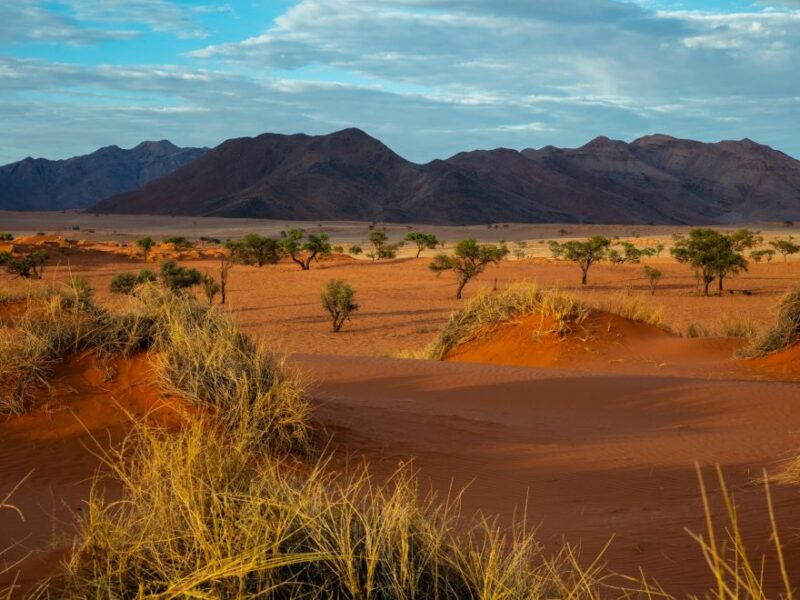
Namibia also appeals to many international hunters because of its relatively low population density, strong conservancy system, and remarkable environmental contrast between the country’s dry interior and the river systems of the former Caprivi Strip. For hunters arriving from the United States, the transition from desert landscapes to dense floodplain vegetation and dangerous game river systems often becomes one of the most memorable aspects of preparing for a safari in Namibia.
Another reason many hunters are drawn to the Zambezi Region is the opportunity to combine multiple dangerous game species within the same floodplain safari. The river systems supporting hippo populations are also home to large Nile crocodiles, and many hunters planning crocodile hunts in Namibia choose to combine both species during the same safari season. For experienced dangerous game hunters, the combination of river-based tracking, changing water levels, and close-range hunting conditions creates a very different atmosphere from traditional plains game safaris elsewhere in southern Africa.
Preparing Rifles and Equipment for Namibia's River Systems
One of the biggest mistakes first-time hunters make when preparing for a hippo safari is assuming that river-based game hunting conditions remain consistent throughout the season. In reality, the floodplains and waterways of the Zambezi Region can change dramatically between the drier winter months and the height of the rainy season, affecting visibility, stalking conditions, shot opportunities, and even rifle selection.
During the drier months, hippo are more frequently encountered outside the water along exposed shoreline crossings, grazing areas, and muddy floodplain paths leading back toward the river. These conditions can create closer-range hunting opportunities where heavier double rifles and quick target acquisition become particularly useful in thick vegetation and low-light conditions.
Once seasonal flooding arrives, however, the entire dynamic of the hunt changes. Rising water levels expand the available habitat, riverbanks become more difficult to navigate, and mature bulls may spend far longer partially submerged in deeper channels and flooded reed systems. In these conditions, hunters often rely more heavily on precise shooting at smaller visible target areas above the waterline, making rifle familiarity and calm shot execution far more important than simply carrying larger calibers.
For experienced professional hunters operating in the Caprivi floodplains, preparation is rarely just about equipment alone. River depth, vegetation density, changing water movement, and even the amount of floating debris in the channels can influence how a dangerous game safari unfolds from one week to the next. As many hunters quickly discover, mature hippo bulls tend to follow their own routines regardless of what was planned back in camp.
Exportable and Non-Exportable Hippo Safaris in Namibia
One of the bigger decisions many hunters face while preparing for a hippo safari in Namibia is whether to pursue an exportable trophy or a non-exportable management hunt. For first-time African dangerous game hunters, the difference in overall safari cost can be significant once export permits, shipping, dip and pack, and taxidermy expenses are added to the hunt itself.
Because of this, some hunters choose to allocate part of their safari budget toward adding additional dangerous game species instead of exporting a hippo trophy. In Namibia’s Zambezi Region, it is common for hunters pursuing hippo to combine the safari with crocodile hunts, as both species occupy the same river systems, floodplains, and shoreline environments throughout the Caprivi waterways.
For hunters spending a full week or longer in the region, combining species can also create a far broader dangerous game experience, particularly during periods when changing water levels or hippo movement patterns affect daily hunting conditions. In many cases, safari planning becomes less about pursuing a single trophy and more about understanding how the entire river ecosystem functions during the season.
Other Dangerous Game Encountered in the Zambezi Floodplains
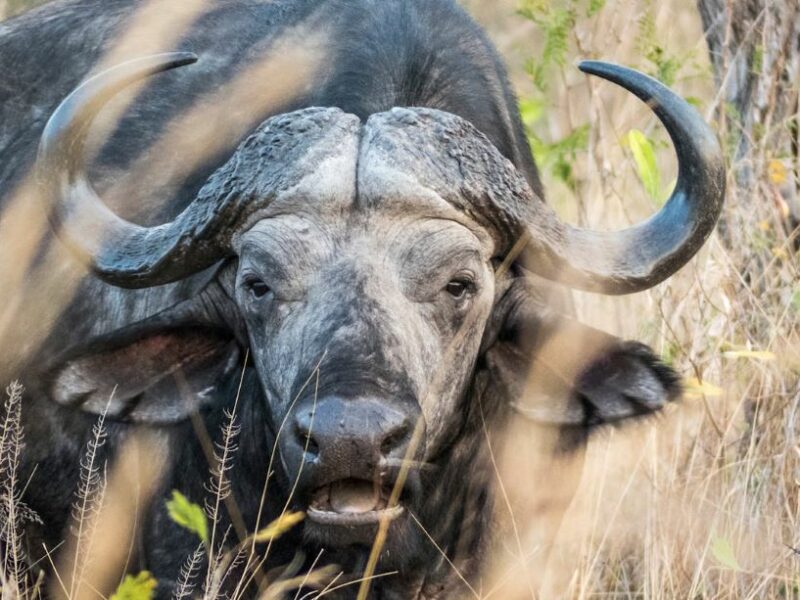
Hunters preparing for a hippo safari discover that the Zambezi Region rarely revolves around a single species alone. The same river systems, reed beds, and floodplain crossings used by hippo are also frequented by buffalo, elephant, and large Nile crocodiles moving between water and feeding areas throughout the season.
In many parts of the Caprivi, it is common to encounter fresh buffalo tracks along muddy shoreline crossings or elephant moving quietly through dense riverine vegetation while tracking hippo near the water. These overlapping dangerous game environments are part of what makes the Zambezi Region feel very different from traditional plains game hunting areas elsewhere in Namibia.
For hunters spending additional time in the floodplains, combining a hippo safari with cape buffalo hunts or elephant hunting opportunities in neighboring concessions often becomes part of the broader dangerous game experience within Namibia’s northern river systems.
Conservancies and Local Communities in Namibia's Zambezi Region
For many international hunters preparing for their first safari in Namibia’s floodplain regions, one of the more overlooked aspects of the experience is how closely local communities continue to live alongside dangerous game animals on a daily basis. In many parts of the Zambezi Region, conservancy systems help support anti-poaching efforts, wildlife monitoring, employment opportunities, and the management of river ecosystems shared by hippo, crocodile, buffalo, and elephant.
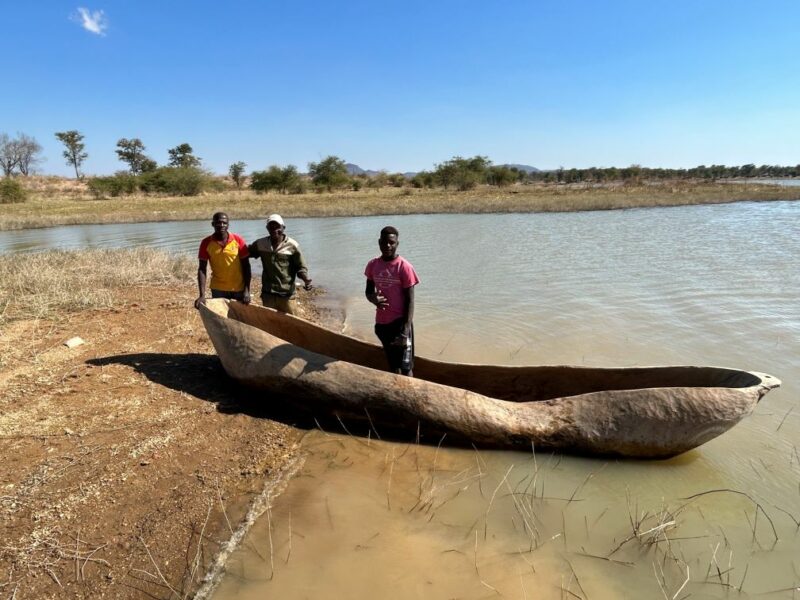
Professional hunters, trackers, skinners, and camp staff working within these areas often come directly from nearby floodplain communities with generations of experience navigating the river systems and reading animal movement along the waterways. Meat from harvested animals is also commonly distributed within local conservancies, particularly in remote areas where wild game remains an important source of protein.
For many hunters visiting the Caprivi for the first time, understanding how closely safari hunting, conservancies, and local communities remain connected becomes part of understanding the broader reality of dangerous game hunting in Namibia.
Frequently Asked Questions
What caliber is recommended for hunting Hippo in Namibia?
Most professional hunters recommend rifles suitable for dangerous game hunting, particularly when hunting hippo in thick river vegetation or flooded water systems where shot opportunities may be limited. Rifle familiarity, reliable penetration, and accurate shot placement are often far more important than simply carrying the heaviest caliber available.
Can hippo and crocodile be hunted during the same safari in Namibia?
Yes. In Namibia’s Zambezi Region, hippo and Nile crocodile are often hunted within the same floodplain and river systems, making combination dangerous game safaris a popular option for hunters spending extended time in the Caprivi.
What makes hippo hunting in Namibia different from other African destinations?
Unlike many traditional plains game safaris, hippo hunting in Namibia often takes place in flooded river systems, reed-lined shorelines, and dense floodplain vegetation where changing water levels, limited visibility, and dangerous follow-up situations can dramatically affect the pace and difficulty of the hunt.
Conclusion
Preparing for a hippo safari in Namibia involves far more than simply selecting a rifle or booking dates during the hunting season. River depth, seasonal flooding, visibility along reed-lined shorelines, changing shot opportunities, and the unpredictable behavior of mature bulls all play a major role in how dangerous game safaris unfold in the Zambezi Region. For many first-time hunters, particularly Americans unfamiliar with Africa’s floodplain systems, understanding these environmental conditions before arriving in camp can make a significant difference once the hunt begins.
From deciding between exportable and non-exportable trophies to preparing for long days tracking hippo through muddy river systems, successful safaris often come down to patience, preparation, and realistic expectations. Hippo hunting in Namibia remains one of the most unique dangerous game experiences in Africa precisely because no two days along the river systems ever unfold exactly the same way.
Hunters looking for a broader understanding of preparing for hippo hunting in Namibia can also explore An Overview Of Hippo Hunting In Namibia, while those wanting deeper insight into floodplain conditions and river-based dangerous game environments may find Navigating Dangerous Waters: Hippo Hunting In The Caprivi useful when researching Namibia dangerous game safaris.