
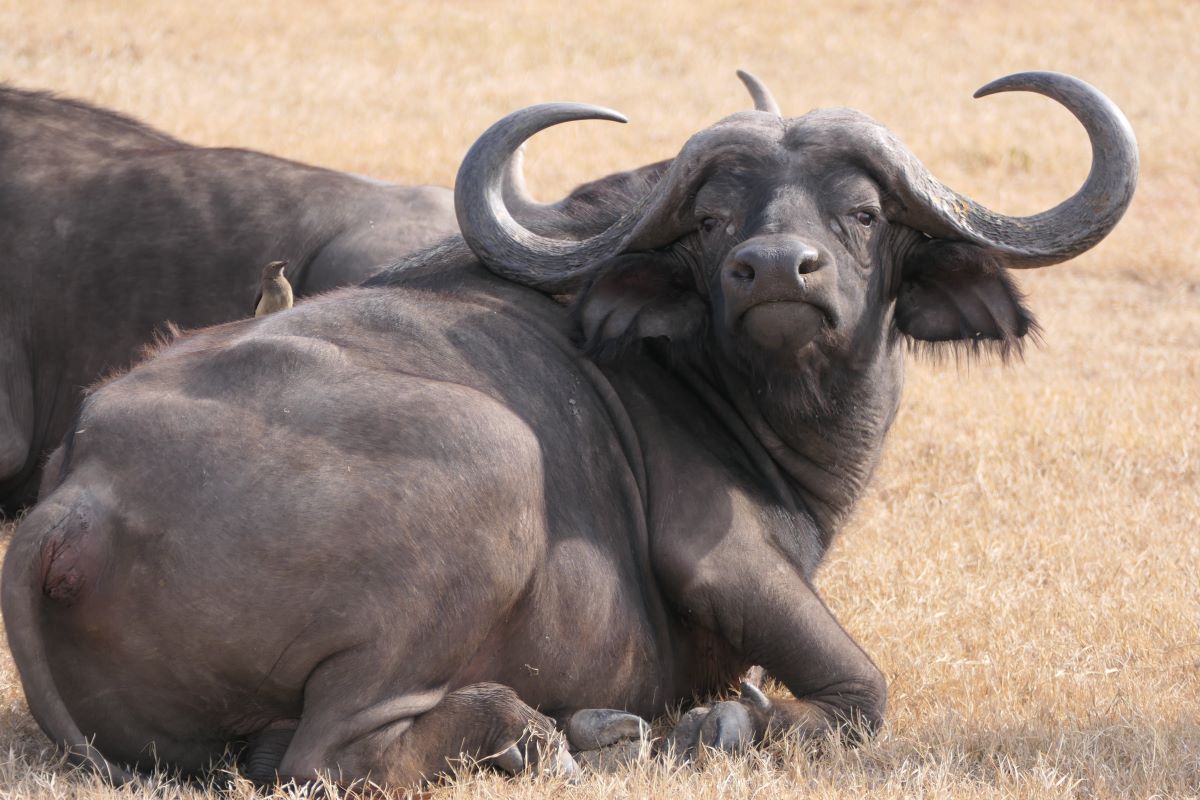
For hunters researching Cape buffalo hunting safaris in Africa, few topics create more debate than the differences between fenced and free-range buffalo hunts. Around hunting camps, safari lodges, and online forums, discussions often revolve around fair chase, hunt difficulty, concession size, buffalo behavior, trophy quality, and whether free-range hunts truly justify their higher costs.
The differences between fenced and free-range buffalo hunts are often far more nuanced than many first-time safari hunters initially realize. Not all fenced hunts take place in small properties, and not all free-range concessions automatically guarantee a harder or more authentic hunting experience. Factors such as concession size, hunting pressure, terrain, buffalo movement, management practices, and overall safari structure can all influence how a hunt unfolds once tracking begins.
For hunters planning an African buffalo safari, understanding these differences becomes critical when comparing destinations like South Africa and free-range buffalo hunting in Zimbabwe, where hunting systems can operate very differently. Some hunters prioritize large unfenced wilderness areas and naturally moving buffalo populations, while others may place greater importance on trophy availability, shorter safari durations, accessibility, or overall safari costs.
Rather than treating fenced and free-range buffalo hunting as a simple right-versus-wrong argument, it is more useful to understand how both systems operate, what each type of safari offers, and which hunting style best matches a hunter’s personal expectations, budget, and overall goals.
Choosing a Practical Rifle Setup for Your Buffalo Safari
Buffalo hunting conditions can vary considerably between fenced and free-range safari areas, making rifle setup and overall comfort far more important than simply choosing the largest caliber available. Thick bushveld, uneven terrain, changing shooting angles, and close-range encounters often place greater emphasis on familiarity, handling, and controlled shot placement than raw recoil or rifle size alone.
In larger free-range concession areas where hunters may spend long hours tracking buffalo on foot, hunters often prefer rifle setups they can comfortably carry and shoot accurately throughout the safari. In more controlled environments or shorter safari formats, hunters may place greater emphasis on heavier stopping rifles designed specifically for close-range encounters in thick cover.
Practical considerations such as optics, sling setup, recoil management, and shooting-stick familiarity can also make a substantial difference once a hunt begins. This becomes important for older hunters or sportsmen with physical limitations who may need to customize parts of their equipment setup to remain comfortable and effective during longer days in the field. Many African outfitters today can accommodate hunters with mobility challenges, including modified vehicles, adjusted hunting approaches, and more accessible shooting arrangements depending on the concession and terrain involved.
Regardless of hunting style, proper Cape buffalo shot placement and remaining calm under pressure continue to matter far more than chasing excessive recoil or oversized rifle setups. Hunters who arrive prepared, practiced, and comfortable with their equipment generally perform better than those relying purely on caliber size once a buffalo encounter develops at close range
How Fenced Buffalo Hunting Areas Operate
Fenced buffalo areas are most commonly associated with countries such as South Africa and parts of Namibia, where privately managed game ranches and conservancies play a major role in wildlife management and safari hunting. These properties vary in size, terrain, management philosophy, and overall hunting style, ranging from smaller intensive breeding operations to large ranches where hunters may spend days tracking buffalo without ever encountering a boundary fence.
Unlike free-range systems where buffalo move naturally across unfenced ecosystems, fenced hunting areas allow landowners and wildlife managers greater control over animal movement, genetics, disease management, breeding programs, and overall herd development. In countries such as South Africa, privately owned wildlife systems also developed around legal frameworks that allow landowners to own, breed, manage, and commercially invest in game animals on enclosed properties. As a result, perimeter fencing often serves not only as a hunting boundary, but also as part of broader wildlife ownership, veterinary control, breeding management, and long-term financial investment structures tied to the private game industry.
In many operations, substantial investment goes into water infrastructure, habitat management, anti-poaching, roads, and maintaining healthy buffalo populations throughout the year.
These management systems also allow ranch owners to monitor factors such as buffalo age, horn development, breeding history, and animal health more closely than would normally be possible in large unfenced wilderness areas. In countries like South Africa, disease-free buffalo breeding programs have become a major part of the wildlife industry, particularly in areas where strict veterinary regulations govern buffalo movement and ownership.
For hunters, this can create a very different safari structure compared to large free-range concessions in countries like Zimbabwe or Tanzania. Some fenced buffalo hunts focus heavily on trophy quality and shorter safari durations, while others still involve physically demanding spot-and-stalk hunting across extensive bushveld terrain where locating mature bulls remains challenging despite the presence of perimeter fencing.
Why Ranch Size Matters More Than Many Hunters Realize
One of the misconceptions surrounding fenced Cape buffalo hunts is the assumption that all fenced properties offer the same hunting experience. The size of the property, the surrounding terrain, internal fencing, hunting pressure, and overall management approach influence the hunt far more than the simple presence of a perimeter fence.
Some fenced buffalo properties in Southern Africa are relatively small and intensively managed, while others cover vast bushveld areas where hunters may spend several days tracking buffalo on foot without ever encountering a boundary. In larger ranch systems with dense cover, broken terrain, and naturally behaving buffalo, the physical challenge and close-range pressure associated with buffalo hunting can remain very real.
For hunters who have pursued buffalo in both free-range concessions and fenced areas, the biggest difference often comes down to scale and buffalo movement rather than danger alone. Larger properties allow buffalo to behave more naturally, move greater distances, and avoid pressure more effectively than heavily managed smaller systems with multiple internal camps or subdivisions.
When evaluating fenced buffalo hunts, hunters should look beyond marketing photographs and trophy measurements and instead focus on practical safari details such as total property size, terrain type, hunting methods, buffalo density, neighboring pressure, and whether internal fences restrict animal movement during the hunt.
Fenced buffalo hunts can also offer shorter safari durations and lower overall costs compared to many free-range concessions in countries such as Zimbabwe, Tanzania, or Mozambique, where longer safari requirements, remote logistics, charter flights, and more unpredictable buffalo movement patterns often increase overall safari expenses considerably.

How Free-Range Buffalo Safaris Differ from Fenced Hunts
Free-range buffalo safaris are commonly associated with large wilderness areas in countries such as Zimbabwe, Mozambique, Tanzania, and parts of Namibia where buffalo move naturally across extensive unfenced ecosystems. In these areas, herds may travel considerable distances between water, feeding areas, communal land, and neighboring concessions depending on seasonal conditions and hunting pressure.
One of the defining characteristics of these buffalo hunts is the uncertainty surrounding what may be encountered during the safari itself. Unlike more controlled hunting systems, hunters typically arrive without knowing exactly where buffalo will be located, how many mature bulls may be in the area at the time, or how movement patterns may shift once tracking begins.
This often creates a very different hunting structure compared to fenced buffalo hunts. Safaris are usually longer, concession areas are more remote, and buffalo movement becomes a major factor throughout the hunt. Access into these regions may involve long road transfers, charter flights, specialized vehicles, or extended periods in isolated bush camps far from towns and major infrastructure.
For hunters, this unpredictability is precisely what makes free-range buffalo hunting so appealing. Success often depends on adapting to changing conditions, reading fresh spoor, covering significant ground on foot, and accepting that buffalo may move well beyond the area where they were encountered only days earlier.
In some of Africa’s larger free-range buffalo concessions, hunters may also encounter other dangerous wildlife while tracking buffalo, particularly in areas supporting healthy populations of elephant hunts, lion hunts, hippo, leopard, and crocodile. In regions bordering national parks or major river systems, it is not uncommon for safari teams to adjust movement or tracking routes due to nearby elephant herds, fresh lion activity, or buffalo moving into thicker cover shared with other potentially dangerous animals.
These larger wilderness systems also tend to increase overall safari costs due to concession size, logistics, staffing requirements, travel distances, and longer hunting durations. For hunters comparing buffalo safari options across Africa, understanding these operational differences is often far more useful than viewing fenced and free-range hunting as a simple ethical debate.
Which Buffalo Safari Style Fits You Best?
The differences between fenced and free-range buffalo hunts often become less about debate and more about matching the hunt to the hunter. Factors such as budget, safari duration, physical ability, hunting expectations, and previous African hunting experience can all influence which type of hunt is preferable.
For some hunters, fenced hunts offer a practical and accessible introduction to dangerous game hunting. Shorter safari formats, more manageable logistics, and lower overall costs can make these hunts attractive for hunters wanting to pursue buffalo without committing to extended wilderness safaris in remote concession areas.
In places such as South Africa, buffalo cow hunts have also become popular among hunters more interested in the hunting experience itself than chasing large trophy bulls. These safaris are often more affordable, can provide more active opportunities during shorter hunting periods, and appeal to hunters who simply enjoy tracking buffalo and spending time in the bush without the added expense of export trophies and extended safari durations.
For hunters drawn toward larger wilderness systems and less predictable hunting conditions, areas such as buffalo hunting in Zimbabwe often offer a very different atmosphere altogether. These safaris tend to involve longer tracking sessions, changing buffalo movement patterns, larger unfenced concessions, and the possibility of encountering other wildlife while moving through remote bushveld areas.
Neither hunting style is automatically better than the other. Some hunters value efficiency, accessibility, and structured safari planning, while others are specifically looking for the uncertainty and slower pace that often comes with hunting buffalo in large wilderness concessions. Understanding those differences beforehand usually leads to more realistic expectations and, ultimately, a better overall experience.
Another reason some hunters prefer fenced safari systems in countries such as South Africa is the flexibility to combine Cape buffalo with a wide range of additional species during the same safari. Alongside traditional plains game hunts, some properties also offer opportunities to pursue selectively bred color variants and specialty animals, allowing hunters to customize shorter multi-species safaris around personal preferences, trophy interests, and overall budget considerations.

The Growing Popularity of Non-Exportable Buffalo Hunts
Another noticeable shift within modern buffalo hunting safaris is the growing interest in non-export or own-use buffalo hunts, particularly among repeat safari hunters who place greater value on the hunting experience itself than shipping trophies home after every safari. For some hunters who have pursued Cape buffalo multiple times, the focus gradually shifts away from horn measurements and taxidermy rooms and more toward time spent tracking buffalo in wild country alongside skilled trackers and PHs.
Non-export buffalo safaris can also help reduce many of the additional costs and logistical complications associated with international trophy shipping, dip and pack services, export permits, customs clearance, and taxidermy. Some hunters choose to keep photographs and memories of the safari itself, while others may later commission replica mounts without exporting the original trophy.
In countries such as South Africa, buffalo cow hunts have also become popular among hunters wanting a more affordable and active hunting experience without specifically targeting mature trophy bulls. These hunts are often physically demanding, involve plenty of tracking, and can provide substantial hunting opportunities over shorter safari periods.
Importantly, buffalo cows should never be underestimated from a danger perspective. In certain situations, particularly when calves are present or herds become pressured, buffalo cows can react aggressively and may be even less predictable than older bulls. Hunters pursuing buffalo cows are still participating in genuine dangerous game hunts, often at close range and in dense cover where quick reactions and disciplined shooting remain critical.
These evolving safari styles are helping make African buffalo hunts more accessible, repeatable, and experience-driven without necessarily removing the challenge, pressure, or excitement that continue to make Cape buffalo one of Africa’s most respected animals to pursue.
Understanding the Difference Matters
The debate surrounding fenced versus free-range Cape buffalo hunts will likely continue for as long as buffalo safaris remain part of African hunting culture. Both hunting systems can offer challenging, rewarding, and professionally managed safaris when hunters clearly understand the type of hunt they are booking and what conditions to expect once they arrive in camp.
For some hunters, shorter safari durations, controlled logistics, and more structured buffalo management systems provide an ideal introduction to African buffalo hunting. Others are specifically drawn toward large wilderness concessions, naturally moving buffalo populations, and the uncertainty that often comes with tracking buffalo across remote unfenced areas during free-range buffalo hunting in Zimbabwe and other major wilderness destinations.
Factors such as concession size, terrain, hunting pressure, safari duration, physical ability, trophy expectations, and overall budget often influence the hunting experience far more than the simple presence or absence of a perimeter fence. Hunters comparing safari options across Southern Africa should therefore focus less on internet debates and more on understanding how different buffalo hunting systems actually operate in practice.
As Cape buffalo hunts continue to evolve across Africa, hunters are also placing greater emphasis on overall safari quality, realistic expectations, repeat hunting opportunities, and long-term affordability rather than simply chasing record-book trophies. Understanding how safari logistics, concession scale, and hunt structure influence pricing can also help hunters better evaluate the differences discussed in Comparing Cape Buffalo Hunting Costs in Africa before booking their next buffalo safari.
Safari duration, concession size, logistics, charter flights, and hunting style can all influence overall pricing considerably. Hunters comparing different safari structures can read more in Comparing Cape Buffalo Hunting Costs in Africa.
Frequently Asked Questions
Are fenced Cape buffalo hunts still considered dangerous?
Yes. Even within fenced hunting areas, Cape buffalo remain unpredictable and potentially aggressive animals, particularly at close range in thick cover. Larger ranches with dense bushveld and naturally behaving buffalo can still produce physically demanding hunts where fast follow-up shooting, calm decision-making, and proper Cape buffalo shot placement remain critical.
What size property is considered suitable for fenced buffalo hunting?
The overall quality of a fenced buffalo safari is often influenced more by concession size, terrain, internal fencing, and hunting pressure than by the simple presence of an external perimeter fence. Larger properties generally allow buffalo to move more naturally and reduce the feeling of hunting in a heavily controlled environment.
Why are free-range buffalo hunts usually more expensive?
Large free-range buffalo safaris often involve longer hunting durations, remote concession access, charter flights, additional staff, larger operational areas, and more unpredictable buffalo movement patterns. These factors can substantially increase the overall cost compared to shorter, more accessible fenced buffalo hunts in countries such as South Africa.
Are buffalo cow hunts less dangerous than trophy bull hunts?
Not necessarily. Buffalo cows can be extremely aggressive, particularly when calves are present or herd animals become pressured during close encounters. Many hunters pursuing buffalo cows are still participating in genuine dangerous game hunts, often involving tracking on foot and close-range shooting situations in dense cover.
About the Author
Pierre van Wyk is the co-founder of Game Hunting Safaris and has hunted Cape buffalo across South Africa, Namibia, and Mozambique in both fenced and free-range environments. His experience with different buffalo hunting systems across Southern Africa helps shape the practical, field-focused content published by Game Hunting Safaris.