
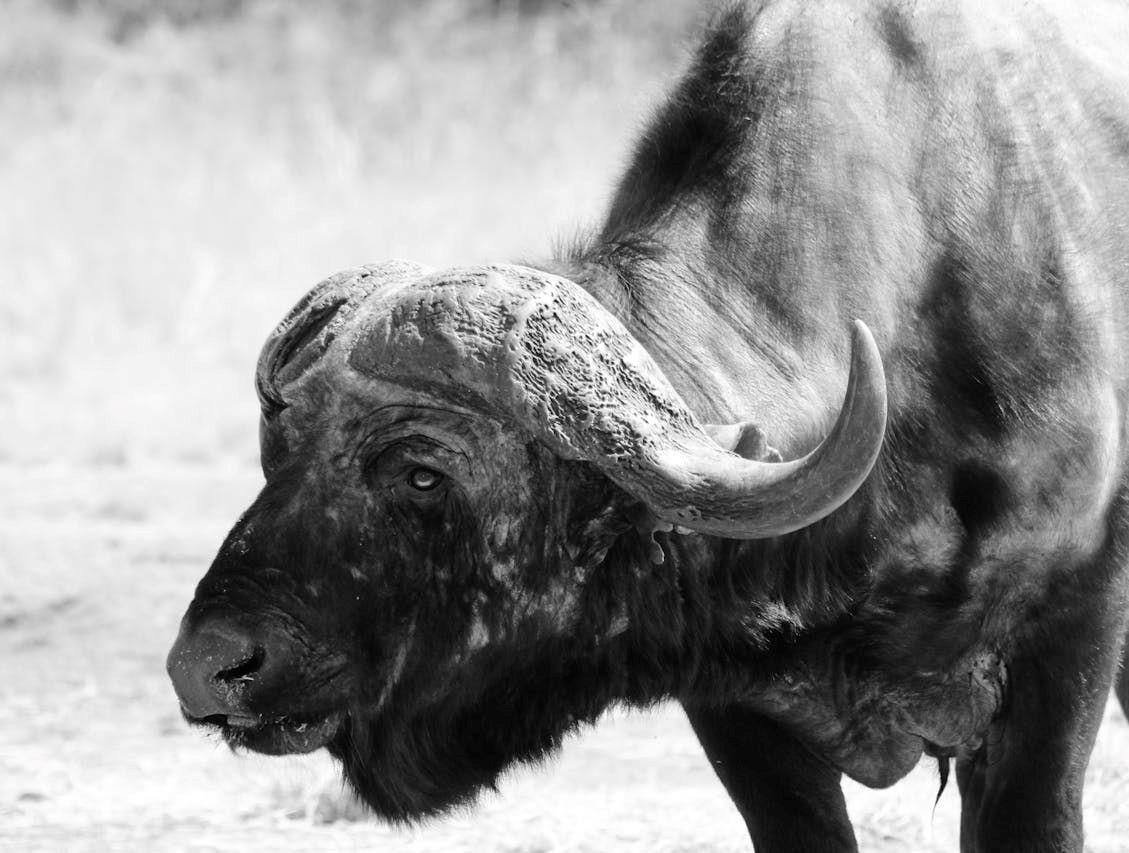
Zimbabwe has long been regarded as one of Africa’s premier destinations for free-range hunting safaris, and for many American hunters, few experiences compare to pursuing Cape buffalo on foot through the African bushveld.
Unlike highly managed hunting environments, buffalo hunting in Zimbabwe remains a genuinely wild experience. Most hunts take place in large unfenced concession areas where tracking fresh spoor, reading shifting wind conditions, and closing distance on mature dagga boys are all part of the hunt. It is one of the reasons Zimbabwe continues to attract hunters looking for authentic Cape buffalo hunting safaris.
For hunters planning their first African safari, Zimbabwe offers something that has become increasingly difficult to find in modern dangerous game hunting: genuinely wild, free-range buffalo hunting combined with experienced professional hunters, healthy buffalo populations, and comparatively accessible safari costs. For visiting Americans, dangerous game hunting in Africa begins in Zimbabwe, where tracking buffalo through jesse bush is still done on foot in vast unfenced concessions.
That realism is what separates Zimbabwe from many other destinations. There are no guarantees once fresh spoor is found, and every encounter demands patience, discipline, and precise decision-making under pressure. It is one of the reasons hunters continue to pursue dangerous game hunts in Zimbabwe, particularly when targeting mature Cape buffalo bulls in heavy cover at close range.
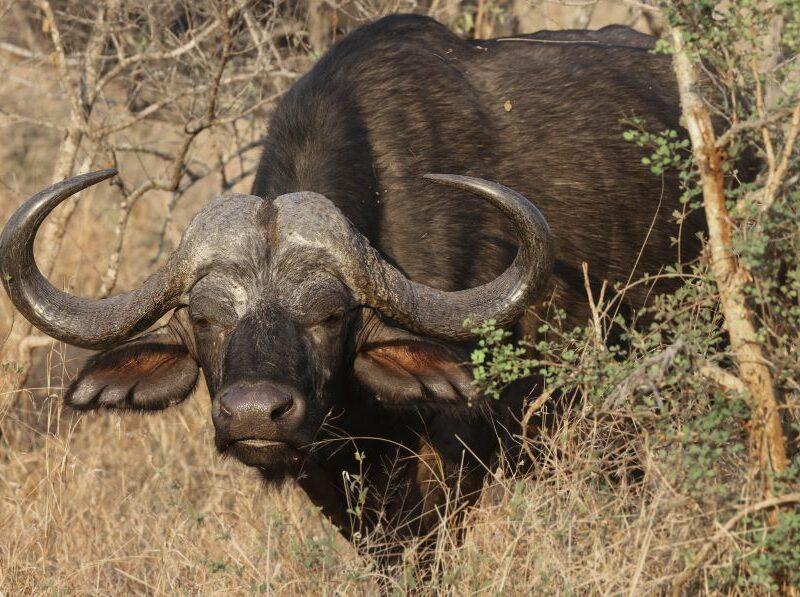
And once you step into the bush behind a tracker following fresh buffalo tracks, it becomes easy to understand why Cape buffalo remain one of Africa’s most respected and dangerous animals to hunt.
[DYNAMIC-BLOGTABLEOFCONTENT]
Why Zimbabwe Remains One of Africa's Best Free-Range Buffalo Hunting Destinations
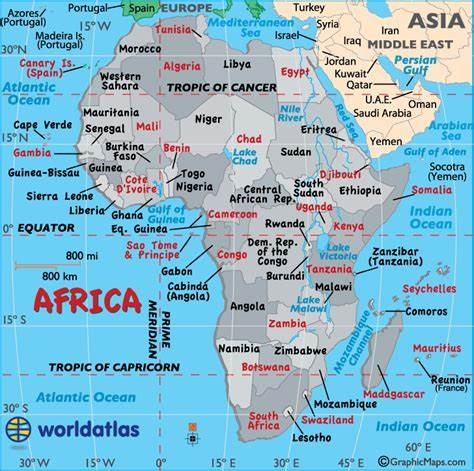
Zimbabwe has earned a strong reputation among international hunters for offering one of Africa’s premier Cape buffalo hunting experiences. Large unfenced concession areas bordering national parks allow buffalo to move naturally across the wilderness regions, creating the kind of unpredictable hunting conditions serious hunters value.
For American hunters planning their first safari, Zimbabwe also offers a more accessible entry point than destinations like Tanzania, where longer safari requirements can significantly increase costs. Shorter safari durations and healthy buffalo populations continue to make Zimbabwe attractive for hunters wanting an authentic African safari without sacrificing the hunting quality.
Terrain varies considerably between concessions, from jesse bush and riverine systems to more open mopane woodland, forcing hunters to adapt constantly while tracking cape buffalo on foot. These changing conditions are part of what makes buffalo hunting in Zimbabwe physically demanding, mentally intense, and difficult to replicate in more managed hunting environments.
Understanding Buffalo Trophy Hunting in Zimbabwe
One of the reasons experienced hunters continue to favor Zimbabwe for buffalo safaris is the straightforward structure of most free-range hunts. In many Zimbabwean concessions, buffalo hunts operate on a standard trophy fee basis rather than complex inch-based pricing structures tied to horn measurements.
The focus is typically placed on hunting mature, hard-bossed bulls in wild conditions rather than evaluating animals primarily by score alone. For many visiting hunters, this creates a more traditional game hunting experience where age, character, tracking difficulty, and the quality of the hunt itself often carry more importance than incremental horn measurements.
This differs from some more intensively managed hunting systems where pricing structures may vary significantly according to horn size, breeding history, or genetic value. In Zimbabwe’s free-range concessions, hunters are often pursuing naturally occurring buffalo populations moving freely across large wilderness areas bordering national parks and communal land.
For hunters seeking a realistic and less commercialized cape buffalo hunt, this remains one of Zimbabwe’s strongest attractions.
The Growing Popularity of Non-Export Buffalo Hunts
Zimbabwe has seen growing interest in non-export or own-use Cape buffalo hunts, particularly among hunters more focused on the hunting experience itself than shipping trophies home. These safaris allow hunters to pursue mature buffalo without the additional costs and logistics associated with export permits, dip and pack services, taxidermy, and international trophy shipping.
For many repeat safari clients — and particularly hunters who become deeply passionate about Cape buffalo hunting — this approach offers a simpler and often more affordable way to keep returning to Africa regularly without accumulating large numbers of mounted trophies over time. In many cases, hunters still take photographs, create replica mounts if desired, and focus more heavily on the quality of the hunt itself, the character of the bull, and time spent tracking buffalo through wild concession areas.
Non-export buffalo hunts have become increasingly attractive for hunters wanting fewer administrative complications while still enjoying authentic free-range buffalo safaris in Zimbabwe.
Other Dangerous Game Often Hunted Alongside Cape Buffalo
Cape buffalo hunts in Zimbabwe are often combined with other dangerous game species, particularly on longer safari itineraries. Depending on the concession area, quota availability, and safari duration, visiting hunters may choose to pursue additional members of Africa’s Big Five during the same trip.
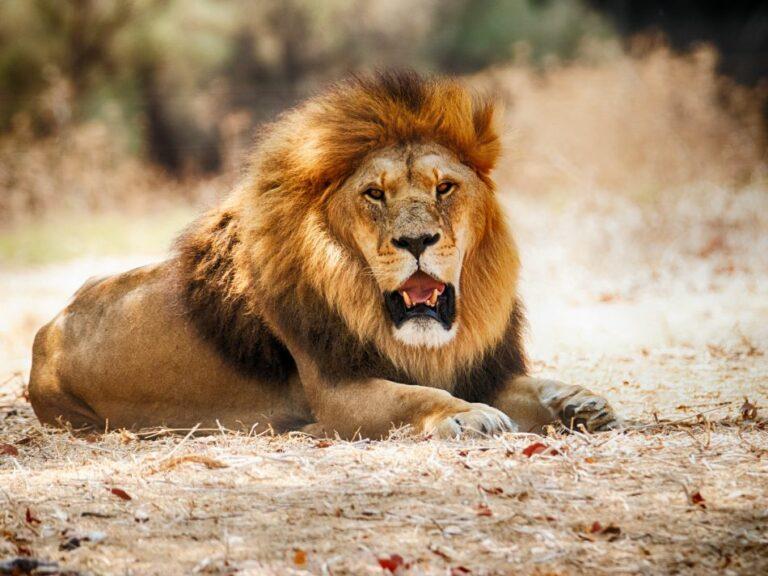
In some regions, buffalo hunts are regularly combined with lion hunts, especially in remote concession areas bordering national parks where game populations remain strong. Leopard are also frequently targeted alongside buffalo, with many hunters considering the combination of Cape buffalo hunts and leopard hunting safaris one of the classic African dangerous game experiences.
For hunters looking to maximize their time in Africa, combining multiple game species into a single safari can also provide a more efficient and cost-effective hunting experience compared to booking separate trips over multiple seasons.
Zimbabwe also offers exceptional opportunities to combine a Cape buffalo hunt with a variety of sought-after plains game species. Depending on the concession area, hunters may encounter quality sable, greater kudu, waterbuck, impala, bushbuck, zebra, and eland while moving between buffalo hunting areas.
For hunters, adding a few representative plains game animals to the safari creates a more complete hunting experience, particularly on longer hunts conducted in large free-range concessions. Many of these plains game hunts are conducted opportunistically while tracking buffalo or moving through concession areas known for strong mixed-game populations.
Zimbabwe's Best Cape Buffalo Hunting Areas
Zimbabwe is respected for producing hard-bossed Cape buffalo in large areas where animals move naturally between wilderness regions, communal land, and national park boundaries. Unlike more intensively managed hunting systems, many Zimbabwean safaris revolve around tracking mature bulls through thick cover and adapting to constantly changing conditions on foot.
Several regions have developed particularly strong reputations among hunters. Areas such as Matetsi, the Zambezi Valley, and Gonarezhou are known for healthy buffalo populations, remote safari conditions, and the possibility of encountering older solitary bulls in heavy bushveld terrain. In some concessions, herds numbering several hundred animals may move through an area during the dry season, particularly near major water sources and river systems.
Success on these safaris rarely comes easily. Tracking conditions can change quickly depending on wind, heat, terrain, and buffalo movement patterns, forcing hunters and professional hunters to work closely together throughout the hunt. For many visiting sportsmen, this uncertainty is part of what continues to make Zimbabwe one of Africa’s most respected buffalo hunting destinations.
Why Zimbabwe Appeals to Serious Buffalo Hunters
Zimbabwe has built a strong reputation among hunters because success here is rarely straightforward. Most hunts take place in large unfenced safari areas where buffalo move naturally across river systems, bushveld and remote concession boundaries, forcing hunters to adapt constantly to changing conditions.
Unlike more controlled hunting environments, tracking buffalo in Zimbabwe often means covering significant ground on foot while working closely with trackers and professional hunters to interpret spoor, wind direction, herd movement, and terrain. Encounters frequently happen at close range in thick cover, where visibility can change within seconds.
For serious buffalo hunters, this uncertainty is exactly what makes Zimbabwe so respected. The emphasis is rarely placed solely on horn measurements or record-book scoring, but rather on the overall quality of the hunt, the age and condition of the bull, and the difficulty involved in locating and approaching buffalo in genuinely wild conditions.
The challenge extends well beyond simply locating an old bull. Hunting in dense bushveld means making calm decisions under pressure while dealing with limited visibility, shifting shooting angles, moving herds, and the possibility of follow-up situations at close range.
Hunters place enormous emphasis on patience, communication, and proper Cape buffalo shot placement, particularly when tracking buffalo through heavy cover where opportunities can appear and disappear within seconds. In these conditions, discipline and shot selection often become just as important as marksmanship itself.
e.
What a Typical Day Hunting Buffalo in Zimbabwe Looks Like
Buffalo hunting safaris in Zimbabwe begin well before sunrise, particularly during the dry season when cooler morning temperatures provide better tracking conditions. Hunters typically leave camp early with their PH, trackers, and game scout before cutting fresh spoor along river systems, roads, or water sources where buffalo moved during the night.
Once fresh tracks are located, much of the day is spent following buffalo on foot through the bushveld, often covering considerable distances while having to adjust to wind direction, terrain, and herd movement. Depending on conditions, hunters may spend hours slowly closing distance on a herd before a shooting opportunity presents itself.
Buffalo are rarely predictable, and plans can change quickly once animals enter cover or begin circling downwind. In certain cases, hunters may track several different herds during a single day before locating an older mature bull worth pursuing.
For visiting Americans, one of the biggest surprises is how physically and mentally demanding these hunts can become, especially during long days spent moving through heat, sand, thornveld, and jesse bush while remaining constantly alert for close-range encounters.
Why Buffalo Hunting in Zimbabwe is Not for Everyone
Hunting buffalo demands patience, adaptability, and a willingness to accept that not every day in the bush will go according to plan. Unlike more structured hunting environments, these safaris can involve long tracking sessions, difficult terrain, changing weather conditions, and extended periods without a clear shooting opportunity.
Hunters may spend days following herds through thick cover, backing out of unstable wind conditions, or passing mature bulls when visibility or shot angles are not ideal. In many cases, success depends less on speed and more on discipline, communication, and the ability to remain focused during physically demanding situations.
For hunters, this uncertainty is often part of the appeal. However, sportsmen expecting highly controlled conditions, guaranteed opportunities, or minimal physical effort may find free-range buffalo hunting considerably more demanding than anticipated.
The international hunters who tend to appreciate Zimbabwe most are usually those who enjoy the process itself — reading spoor, working closely with trackers and PHs, adapting to difficult conditions, and understanding that some of the most memorable moments of a buffalo safari happen long before a shot is ever taken.
How Seasonal Conditions Affect Buffalo Hunting in Zimbabwe
Timing has an impact on how buffalo behave, how tracking conditions develop, and how physically demanding a safari becomes. While buffalo are hunted throughout much of the year in Zimbabwe, hunters often pay closer attention to seasonal conditions than calendar dates alone.
As the dry season progresses, water sources become increasingly important and buffalo movement patterns start tightening around rivers, springs, pans, and remaining surface water. This often creates more consistent tracking opportunities, particularly in concessions bordering major river systems and national park areas where large herds move considerable distances between feeding and drinking areas.
Earlier in the season, thicker vegetation and scattered water can make tracking more unpredictable, with buffalo dispersing over wider areas. Later in the year, reduced ground cover and drier terrain generally improve visibility and spoor retention, although rising temperatures can also make long tracking sessions more physically demanding for both hunters and trackers.
Many hunters particularly enjoy the middle-to-late dry season, when conditions become harsher, water pressure increases, and buffalo spend more time concentrated in predictable areas. In these conditions, hunts often become less about covering huge distances and more about patience, careful movement, and reading subtle shifts in wind, sound, and herd behavior.
For hunters considering bow hunting, the dry-season conditions can also improve close-range opportunities around water sources and established game paths. While bowhunting buffalo in Zimbabwe is only permitted in certain concessions and under strict conditions, some bowhunters specifically target these later-season periods when vegetation thins out and shot opportunities become more controlled.
Seasonal movement patterns can also make concession selection especially important when planning a buffalo safari in Zimbabwe. In some smaller safari areas, particularly those operating within larger unfenced ecosystems, buffalo may move considerable distances between neighboring concessions depending on water availability, hunting pressure, and natural grazing conditions. Experienced hunters therefore often place significant value on outfitters with access to large hunting areas, strong neighboring concessions, and consistently managed buffalo populations rather than focusing only on trophy photos or advertised package pricing.
Planning Payments and Logistics Before Arriving in Camp
One aspect of African hunting safaris that many first-time visitors underestimate is how limited communication and banking access can become once arriving in remote hunting areas. In several Zimbabwean buffalo concessions, hunters may spend days in camp with inconsistent mobile signal, limited internet connectivity, and long travel distances to the nearest town or banking facilities.
Because of this, hunters usually prefer to finalize safari payments, trophy fee arrangements, and financial planning before entering the concession. Trying to manage international transfers and payments from remote camps can quickly become stressful and distracting during a physically demanding hunt.
Hunters should still carry a reasonable amount of cash for gratuities, drinks, curios, community donations, and smaller camp-related expenses, but larger safari costs are often handled in advance through agreed payment structures before arrival. For hunters unfamiliar with how African safari payments typically work, understanding topics such as deposits, trophy fees, escrow arrangements and payment protection beforehand can help avoid unnecessary complications later during the safari.
How Buffalo Hunting Supports Wildlife Conservation in Zimbabwe
Buffalo concessions also provide long-term employment opportunities for local communities, including trackers, skinners, camp staff, game scouts, and anti-poaching teams. In remote rural regions where economic opportunities can be limited, safari operations often form an important part of the local economy.
Programs such as Zimbabwe’s CAMPFIRE initiative were developed to help ensure rural communities receive measurable benefits from wildlife utilization and concession management. In some areas, meat from legally harvested animals is also distributed locally, helping provide a valuable protein source for surrounding communities.
For hunters visiting Zimbabwe, conservation is not viewed separately from hunting itself. Maintaining healthy buffalo populations, preserving large unfenced safari areas, and protecting habitat from agricultural pressure all depend heavily on long-term land management and controlled wildlife utilization.
Choosing the Right Setup for the Buffalo Hunt
Rifle selection for buffalo hunting in Zimbabwe is often less about chasing extreme caliber size and more about using a setup that allows confident, controlled shooting under pressure. Encounters can develop quickly in thick bushveld, and opportunities are sometimes measured in seconds rather than minutes, particularly when following buffalo through heavy cover at close range.
Seasoned hunters prefer heavier-caliber rifles capable of delivering reliable penetration and sufficient stopping power should a follow-up situation develop at short distance. In dense bush or riverine cover, shots are often taken much closer than many first-time safari hunters initially expect, making fast target acquisition and familiarity with the rifle especially important.
At the same time, not every buffalo encounter happens at extremely close range. In more open terrain or when approaching herds feeding across dry river systems and mopane flats, hunters may occasionally need to take more deliberate shots at moderate distances where stable shooting positions and quality optics become increasingly valuable.
Consistency and familiarity ultimately matter more than chasing excessive recoil or oversized rifle setups. Hunters who arrive comfortable with their rifle, practiced on shooting sticks, and confident in their ability to place a controlled shot under pressure generally perform far better than those carrying unfamiliar equipment chosen purely for caliber size or energy figures.
Regardless of rifle choice, understanding realistic shooting angles and proper shot placement remains one of the most important parts of preparing for a Zimbabwe buffalo hunt.
A Different Kind of Buffalo Safari
Planning the right buffalo safari involves understanding far more than trophy size alone. Concession quality, seasonal movement patterns, physical preparation, rifle familiarity, and working with experienced safari teams can all influence how a hunt unfolds once fresh spoor is found and tracking begins.
For hunters researching different safari styles, understanding the differences between Fenced vs Free-Range Cape Buffalo Hunting Safaris can provide useful insight into how buffalo hunts vary across Africa. Hunters comparing destinations may also benefit from exploring Best Country for Cape Buffalo Hunting in Africa, particularly when evaluating factors such as concession size, hunt style, terrain, buffalo populations, and overall safari expectations.
For visiting hunters, Zimbabwe remains one of the few destinations where buffalo hunting still feels closely connected to the older traditions of African safari hunting — long days on foot, unpredictable conditions, and the constant need for patience and discipline once buffalo tracks disappear into thick bushveld.
Frequently Asked Questions About Buffalo Hunting in Zimbabwe
Is Zimbabwe considered a good destination for Cape buffalo hunting?
Zimbabwe is widely regarded as one of Africa’s leading destinations for free-range Cape buffalo hunting, particularly for hunters looking for large unfenced safari areas and traditional tracking-based hunts. Many concessions border national parks or remote wilderness regions where buffalo move naturally across extensive areas, creating less controlled and more physically demanding hunting conditions than some smaller fenced systems elsewhere in Africa.
What is the best time of year for buffalo hunting in Zimbabwe?
Many hunters prefer the middle-to-late dry season when water becomes more limited and buffalo movement patterns become easier to predict around rivers, pans, and remaining water sources. Tracking conditions often improve later in the season as vegetation thins out, although rising temperatures can make long days on foot more physically demanding.
How physically demanding are buffalo hunts in Zimbabwe?
Buffalo hunts can involve long tracking sessions through uneven ground, thick bushveld, dry riverbeds, and hot conditions, particularly during the later dry season. The physical challenge often comes less from distance alone and more from maintaining concentration and composure during close-range encounters in difficult terrain.
Can you bow hunt Cape buffalo in Zimbabwe?
Bowhunting Cape buffalo is permitted in certain Zimbabwean concessions under specific legal and operational conditions. These hunts are generally conducted at close range and are usually best suited to experienced bowhunters comfortable with heavy draw weights, precise shot placement, and the added pressure that comes with pursuing buffalo at short distances.
About the Author
Pierre van Wyk is the co-founder of Game Hunting Safaris and has spent years hunting across Southern Africa, including South Africa, Namibia, Mozambique, and Zimbabwe. His experience with free-range buffalo safaris, dangerous game hunting, and African concession areas helps shape the practical, field-focused content published by Game Hunting Safaris