
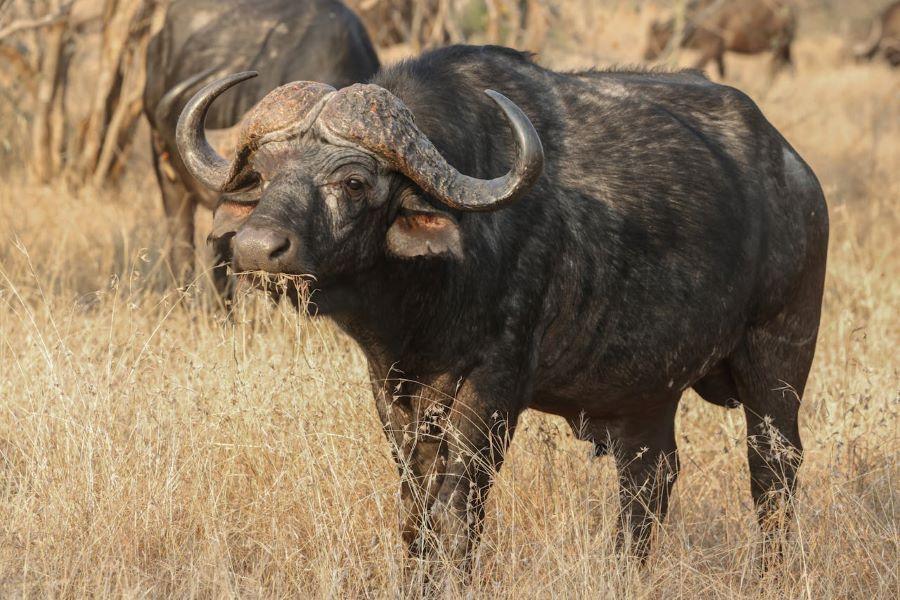
When American and international hunters begin researching the best countries for Cape buffalo hunting in Africa, they quickly discover that each destination offers a very different type of safari experience. Factors such as concession size, buffalo populations, terrain, safari duration, accessibility, hunting pressure, and overall hunting style can all influence which country ultimately feels like the best fit for a particular hunter.
For some, the attraction lies in traditional untamed hunting safaris conducted across large unfenced concession areas where buffalo move naturally through remote ecosystems. Others may prioritize shorter safari durations, easier travel logistics, flexible hunt combinations, or more structured safari systems that make buffalo hunting more accessible for first-time African hunters.
Countries such as Zimbabwe, Tanzania, Zambia, Mozambique, South Africa, and Namibia all hold strong reputations within the buffalo hunting world, although they differ considerably in cost, exclusivity, terrain, infrastructure, hunting regulations, and overall safari atmosphere. Destinations like Tanzania and Zambia are often associated with highly exclusive wilderness safaris and longer hunting durations, while countries such as South Africa may appeal to hunters looking for shorter, more flexible safari options.
For many safari hunters, however, the strongest balance between authentic free-range hunting, healthy buffalo populations, realistic safari costs, and accessible hunt durations is often found during free-range buffalo hunting in Zimbabwe, where concession systems still allow hunters to pursue buffalo in wild conditions without necessarily requiring the extreme costs associated with some of Africa’s more exclusive big game hunting destinations.
Rather than searching for a universally “best” buffalo hunting destination, experienced hunters usually focus on identifying which country best matches their personal hunting goals, physical expectations, preferred safari style, and overall budget before committing to an African buffalo safari.
[DYNAMIC-BLOGTABLEOFCONTENT]
What Type of Buffalo Safari Are You Actually Looking For?
One of the biggest mistakes international hunters make when comparing Cape buffalo destinations is focusing only on the country itself rather than the type of buffalo safari they realistically want to experience. Some hunters prioritize large wilderness concessions and long tracking days on foot, while others are more interested in flexibility, affordability, shorter safari structures, or the opportunity to combine buffalo with additional species during the same trip.
For hunters pursuing classic trophy bulls in remote unfenced areas, countries such as Zimbabwe, Tanzania, Zambia, and parts of Mozambique continue to hold strong appeal due to their large concessions and naturally moving buffalo populations. These safaris are physically demanding, involve longer hunting durations, and require hunters to adapt constantly to changing conditions once tracking begins.
Other hunters may place greater importance on accessibility, repeat hunting opportunities, or overall safari flexibility. In countries such as South Africa and Zimbabwe, non-export or own-use buffalo hunts have become popular among hunters who care more about the hunting experience itself than shipping trophies home. These hunts can help reduce costs associated with taxidermy, export permits, dip and pack services, and international shipping while still allowing hunters to enjoy a genuine buffalo hunting experience.
Buffalo cow hunts have also become a favorite in South Africa and Zimbabwe, particularly among hunters looking for a more affordable and active style of buffalo safari. These hunts are often combined with plains game hunts or shorter multi-species safaris and can provide substantial tracking opportunities over relatively short hunting periods.
Importantly, buffalo cow hunts are still genuine dangerous game hunts and should never be viewed as “easy” alternatives to trophy bull safaris. In some situations, buffalo cows can actually become more aggressive and unpredictable than older bulls, especially when calves are present or herds feel pressured in thick cover. Hunters pursuing buffalo cows still need to remain disciplined under pressure, shoot accurately at close range, and be prepared for fast-changing situations once an encounter develops.
For many experienced hunters, selecting the right buffalo destination often comes down less to chasing record-book trophies and more to finding the safari style, hunting atmosphere, and overall experience that best matches their long-term hunting goals.
Zimbabwe - The Balance Between Wilderness and Accessibility
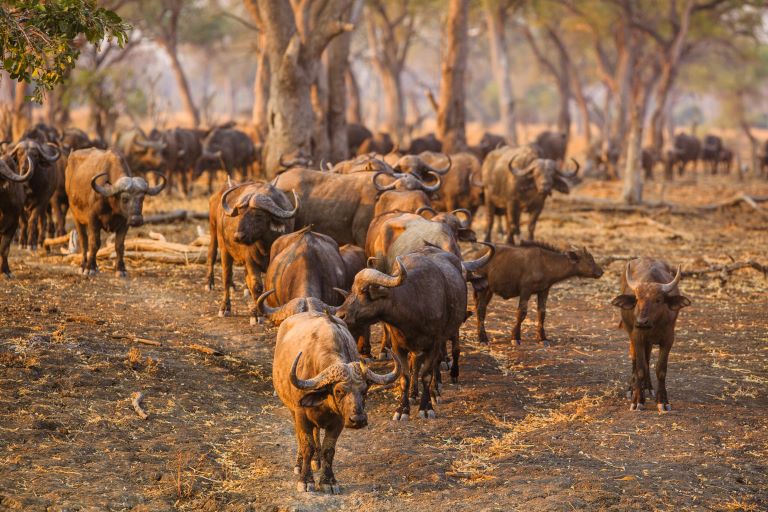
Zimbabwe continues to offer one of the strongest overall balances between free-range wilderness hunting, healthy buffalo populations, realistic safari pricing, and accessible safari durations. Unfenced concession systems bordering national parks allow hunters to pursue buffalo in genuinely wild conditions without necessarily committing to the extreme costs and lengthy safari structures associated with some East African destinations.
Areas such as the Zambezi Valley, Hwange region, and Save Conservancy have earned strong reputations among safari hunters due to their buffalo numbers and traditional tracking-based safari style. Hunts are often physically demanding, particularly later in the dry season when buffalo concentrate around remaining water sources and tracking conditions become more consistent.
Compared to countries such as Tanzania or Zambia, Zimbabwe also appeals to hunters looking for shorter big game hunts without completely sacrificing the wilderness atmosphere many hunters seek when booking a buffalo hunt. Non-export buffalo safaris and buffalo cow hunts have become popular in Zimbabwe, particularly among repeat hunters wanting to focus more on the hunting experience itself rather than trophy shipping and taxidermy costs after every safari.
For hunters wanting authentic tracking conditions, naturally moving buffalo, and realistic wilderness hunting without entering the very top pricing bracket of African buffalo safaris, Zimbabwe remains one of the most balanced buffalo hunting destinations in Africa.
South Africa - Flexible Buffalo Safaris and Multi-Species Hunting
South Africa offers a different buffalo hunting structure compared to traditional wilderness destinations further north. Rather than focusing primarily on long remote safaris in massive unfenced concessions, South Africa has built a highly developed private wildlife industry offering hunters flexibility in safari structure, hunt duration, accommodation standards, and species combinations.
For many first-time African hunters, South Africa often provides one of the most accessible entry points into Cape buffalo hunting. Well-developed infrastructure, shorter travel transfers, modern lodges, and professionally managed safari operations allow hunters to pursue Cape buffalo without necessarily committing to extended safaris lasting two weeks or longer.
South Africa also remains particularly attractive for hunters wanting to combine buffalo with a wide range of additional species during the same safari. Hunters can combine buffalo with plains game hunts, while others specifically target buffalo cow hunts, management buffalo, or selectively bred specialty animals during shorter multi-species safaris.
The country’s privately managed wildlife systems allow outfitters and ranch owners to offer a broad range of safari price points, making South Africa appealing to hunters with very different budgets and trophy expectations. Some hunters strongly prefer large free-range concessions, others value the flexibility, accessibility, and variety that South Africa can provide, particularly for hunters planning their first African safari.
Hunters planning a buffalo hunt in South Africa should understand that trophy pricing structures can differ substantially from free-range destinations further north. In the majority of operations, mature buffalo bulls are priced according to horn spread categories or specific trophy classifications, which can place pressure on hunters when evaluating buffalo in thick bushveld conditions where judging horn width and boss development is not always straightforward during fast-moving encounters.
Similar pricing structures may also apply to certain kudu hunts, sable hunts, and other high-value plains game species in South Africa, making it important for hunters to clearly discuss trophy expectations, budget limits, and pricing categories with outfitters before the safari begins.
Tanzania - Classic East African Buffalo Safaris
Tanzania represents the traditional image of East African buffalo hunting. Massive hunting blocks, remote safari camps, and extended safari durations continue to attract hunters seeking a more exclusive free-range safari. Buffalo safaris in Tanzania are often conducted across enormous concession areas where hunters may spend long days tracking herds through Miombo woodlands, river systems, floodplains, and dense bushveld.
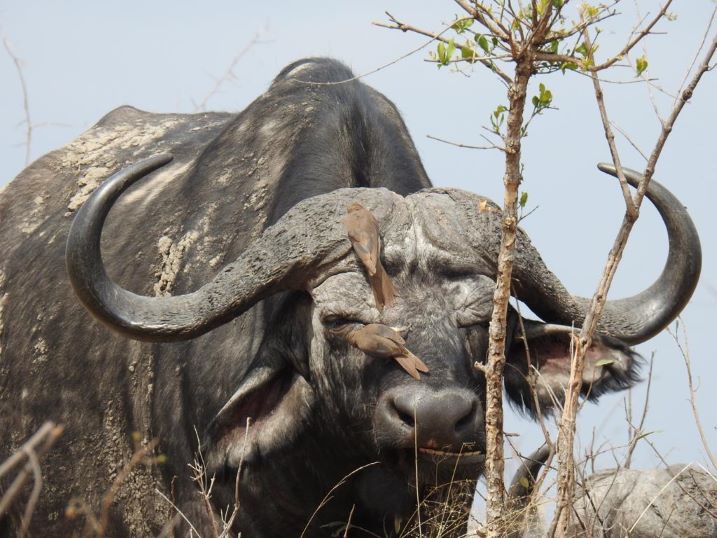
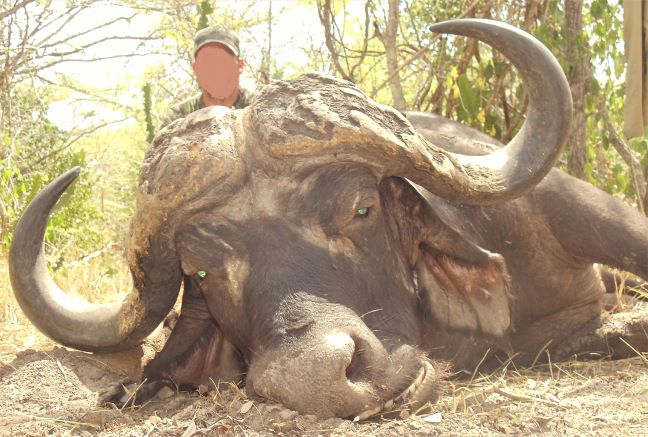
Many international hunters are also drawn to Tanzania because older buffalo bulls living in these vast wilderness systems often develop the kind of physical character rarely seen in more intensively managed hunting areas. Worn bosses, broken horn tips, heavy battle scars, and deeply weathered features are all part of what many safari hunters believe gives buffalo hunting in Tanzania its distinctive appeal among traditional buffalo hunters.
Compared to many Southern African buffalo destinations, Tanzania is generally associated with significantly higher operating costs and more extended safari requirements. Charter flights, remote camp logistics, government concession fees, and lengthy safari structures all contribute to Tanzania being regarded as one of Africa’s more premium buffalo hunting destinations.
For veteran safari hunters, however, that exclusivity remains part of the attraction. Large unfenced hunting areas, low hunting pressure, and traditional safari camp environments continue to give Tanzania a reputation as one of Africa’s classic buffalo destinations.
At the same time, hunters comparing destinations should understand that Tanzania may not suit every hunter equally. Physically demanding tracking conditions, remote safari logistics, and substantially higher safari costs can place these hunts beyond the reach of many first-time buffalo hunters or those looking for shorter and more flexible safari options.
Zambia: Low - Volume Free - Range Hunting
Zambia holds a strong reputation among experienced hunters, although buffalo hunting in the country is conducted on a far smaller scale compared to destinations such as South Africa or Zimbabwe. Limited hunting quotas, remote concession systems, and highly controlled safari structures often make Zambia one of the more exclusive buffalo hunting destinations in Southern Africa.
Much like Tanzania, buffalo safaris in Zambia are strongly associated with large free-range hunting blocks, long tracking days, and professionally guided safari operations conducted in large unfenced areas. Hunters pursuing buffalo in Zambia are often looking for a traditional safari atmosphere rather than high-volume hunting operations or short combination safaris.
For hunters specifically prioritizing remote wilderness and low hunting pressure, Zambia continues to hold strong appeal. However, limited quota availability and rising costs mean that Zambia is often better suited to seasoned safari hunters already familiar with African buffalo hunts rather than first-time hunters.
Compared to more accessible destinations further south, Zambia remains a specialized buffalo hunting destination focused more on exclusivity, wilderness atmosphere, and traditional safari structure than on flexibility or affordability.
Serious hunters and collectors are also drawn to Zambia for the possibility of combining buffalo with specialized species such as sitatunga, black lechwe, Kafue lechwe, and Cookson’s wildebeest, further strengthening Zambia’s reputation among seasoned safari hunters.
Botswana - Premium Wilderness Buffalo Safaris
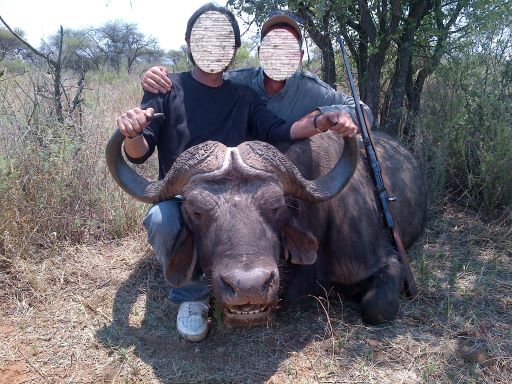
Botswana has long held a reputation as one of Africa’s premier safari destinations, particularly for international hunters seeking low-volume free-range buffalo hunting in remote and game-rich environments. Large concession systems surrounding the Okavango Delta, Chobe region, and northern areas continue to attract safari hunters looking for traditional dangerous game atmospheres and limited hunting pressure.
Buffalo safaris in Botswana are often associated with enormous elephant populations, remote floodplain systems, and professionally guided safaris. Many hunters are drawn to Botswana not only for buffalo, but also for the opportunity to combine their safari with traditional leopard hunts and elephant hunts in some of Africa’s most recognized dangerous game areas.
Unlike many other remote African destinations, Botswana is also accessible logistically, with international hunters commonly entering through Maun or Kasane before transferring into hunting concessions. These access points service very different safari regions, with Okavango-style delta safaris differing from buffalo hunting areas closer to the Caprivi and Chobe river systems.
For hunters prioritizing exclusivity, strong dangerous game atmosphere, and true wilderness conditions, Botswana remains highly respected within African hunting circles. However, limited hunting quota availability, premium pricing, and tightly controlled concession systems mean Botswana is often better suited to seasoned safari hunters or hunters specifically seeking a more exclusive African buffalo hunt.
Mozambique - Wild and Unpredictable Buffalo Hunting
Mozambique continues to attract hunters looking for a rugged and adventurous style of buffalo safari. Large concessions, recovering buffalo populations, remote safari camps, and physically demanding hunting conditions all contribute to Mozambique’s reputation as one of Africa’s more challenging buffalo hunting destinations.
Unlike some Southern African safari systems built around accessibility and structured hunting operations, buffalo hunting in Mozambique often feels far less predictable. In many areas, hunters rely on charter flights to access remote concessions, particularly in northern wilderness regions where road infrastructure remains limited and safari logistics can become complicated during certain times of the year.
Different regions within Mozambique also provide very different buffalo hunting experiences. In the Niassa region, buffalo hunting is commonly associated with thick bushveld, close-range encounters, heavy cover, and physically demanding tracking conditions where shot opportunities can develop quickly at short distances.
Other areas such as the Marromeu floodplains offer a completely different style of hunting. Vast marsh systems, open floodplains, and swampy terrain can make visibility difficult despite the open country, with hunters often relying on bird activity and movement patterns to help locate buffalo herds across enormous wetland systems.
For hunters wanting polished safari infrastructure or highly structured hunting environments, Mozambique may not always be the easiest buffalo destination. However, for experienced safari hunters seeking remote wilderness conditions, unpredictable tracking, and an adventurous hunting atmosphere, Mozambique continues to hold strong appeal within African hunting circles.
Namibia - Buffalo Hunting Along the Caprivi and Waterberg Regions
When hunters discuss buffalo hunting in Namibia, most immediately think of the Caprivi Strip, now more commonly referred to as the Zambezi Region. These river systems bordering Botswana, Zambia, and Angola support free-range buffalo populations moving through floodplains, riverine vegetation, and open grass systems linked to the greater Kavango-Zambezi ecosystem.
Unlike some other buffalo destinations associated with bushveld and close-range tracking, buffalo hunting in the Caprivi is often conducted across flatter floodplain systems where visibility can extend over large open areas. Many buffalo feeding in these plains systems move naturally across international borders from neighboring Botswana, creating genuinely free-range buffalo hunting conditions throughout parts of the region.
These hunting safaris in the Caprivi are also strongly associated with large elephant populations, hippo, crocodile, and remote river environments rather than large concentrations of plains game species. While the area does not offer the same volume of plains game commonly associated with other Southern African destinations, hunters may still encounter species such as Chapman’s zebra moving through these river corridors alongside buffalo.
In recent years, some outfitters operating in parts of the Caprivi have also become increasingly selective regarding mature trophy bulls, with certain operators choosing not to target buffalo bulls exceeding specific horn widths in an effort to protect and strengthen long-term breeding genetics within their concession areas.
What many international hunters do not realize, however, is that Namibia also holds a long buffalo hunting history connected to the Waterberg Plateau region. While far less discussed internationally than the Caprivi, Waterberg played an important role in Namibia’s buffalo conservation and disease-free buffalo management history, particularly relating to privately managed buffalo breeding programs within the country.
Compared to some other Southern African destinations, Namibia offers a more organized and structured safari environment, with strong infrastructure, professionally managed operations, and relatively straightforward travel logistics. For hunters wanting a balance between free-range buffalo hunting, quality safari infrastructure, and river-based dangerous game atmosphere, Namibia continues to hold strong appeal.
.
Emerging and Specialist Buffalo Hunting Destinations
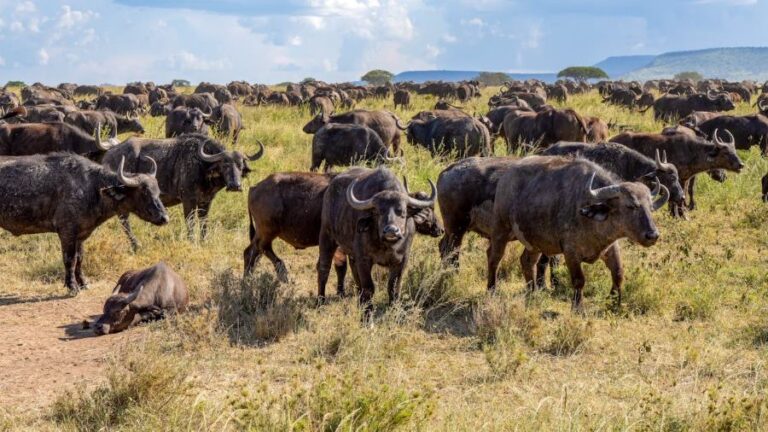
While countries such as Zimbabwe, Tanzania, Botswana, South Africa, Mozambique, Zambia, and Namibia dominate most buffalo hunting discussions, several other African destinations continue to attract attention from experienced safari hunters looking for something slightly different or less conventional.
Uganda, for example, remains a specialized East African safari destination where hunters primarily pursue Nile buffalo, a subspecies of the African buffalo differing slightly from the Cape buffalo commonly associated with Southern Africa. While Uganda is not generally viewed as a mainstream buffalo hunting destination in the same category as Zimbabwe or Tanzania, hunters are often drawn to the country for its remote safari atmosphere and the possibility of combining buffalo with specialized East African species such as Uganda kob, giant forest hog, sitatunga, and other regional game animals during the same safari. For hunters interested in more specialized East African experiences, hunting in Uganda continues to generate growing interest among international safari hunters.
There is also increasing discussion surrounding the gradual reopening of regulated hunting in Angola, particularly within southeastern wilderness systems connected to the greater Kavango-Zambezi ecosystem. Although still in very early stages compared to more established buffalo hunting destinations elsewhere in Africa, Angola remains an area many experienced safari hunters continue to watch closely due to its enormous wilderness potential, recovering wildlife populations, and historical reputation prior to the country’s long civil conflict.
For most hunters planning their first African buffalo safari, these destinations remain secondary compared to more established countries such as Zimbabwe, Tanzania, or South Africa. However, among seasoned safari hunters and collectors, specialist destinations such as Uganda and Angola continue to generate considerable interest within the broader African hunting community.
What Actually Changes Between Buffalo Hunting Destinations?
One of the biggest misconceptions surrounding African buffalo hunting is that all Cape buffalo safaris are essentially the same apart from the country itself. In reality, the actual hunting experience can vary dramatically depending on terrain, concession systems, buffalo density, safari structure, and overall hunting style. Tracking buffalo through the thick bushveld of Mozambique’s Niassa region differs completely from following herds across the floodplains of Namibia’s Caprivi or the marsh systems of Mozambique’s Marromeu region.
Terrain alone can significantly influence both the difficulty and atmosphere of the safari. Some buffalo hunts involve long tracking days where shot opportunities develop suddenly at close range, while others take place across open plains where hunters may spend hours glassing and tracking buffalo over far greater distances. In some floodplain and marsh environments, hunters may even rely on bird movement and activity patterns high above the plains to help identify buffalo movement across enormous open areas where visibility at ground level can still remain surprisingly difficult. Certain remote areas can also present additional environmental challenges, including heat, humidity, swamp conditions, and heavy concentrations of tsetse flies that can make days physically exhausting for both hunters and trackers alike. Accessibility can also differ, with some safaris requiring charter flights into remote concessions while others remain relatively straightforward.
These differences often influence rifle and equipment choices as well. Hunters expecting close-range encounters may favor larger calibers or double rifles offering substantial stopping power during fast-moving situations, while open terrain can place greater emphasis on the need for quality optics.
Regardless of the destination, however, maintaining composure and understanding proper buffalo shot placement under constantly changing field conditions remains one of the most important aspects of any Cape buffalo hunt.
Conclusion: Choosing the Best Country for Cape Buffalo Hunting in Africa
Determining the best place to hunt Cape buffalo ultimately depends far less on a single country and far more on the type of safari a hunter is looking for. Some hunters prioritize unfenced concessions and traditional tracking safaris, while others place greater value on accessibility, shorter safari durations, flexible hunting structures, or the opportunity to combine buffalo with additional dangerous game and plains game species during the same trip.Across Africa, destinations such as Tanzania, Zambia, Botswana, Mozambique, Namibia, South Africa, Zimbabwe, and even emerging areas such as Uganda and Angola all offer very different hunting environments. Terrain, hunting pressure, logistics, safari costs, trophy expectations, dangerous game density, and overall safari atmosphere can all vary significantly from one country to the next. For this reason, experienced hunters often spend as much time researching safari style and concession quality as they do researching the country itself.
For many international hunters, however, the strongest overall balance between authentic free-range hunting, realistic safari costs, healthy buffalo populations, and accessible safari structures is still often found during Zimbabwe buffalo hunting safaris, particularly for hunters seeking genuine tracking-based buffalo hunts in large unfenced concession systems. At the same time, hunters comparing different African dangerous game destinations should carefully evaluate how safari duration, travel logistics, terrain, hunting style, and trophy expectations align with their own long-term hunting goals before committing to any buffalo safari.
Ultimately, the best place to hunt Cape buffalo is the destination that matches a hunter’s expectations, physical ability, preferred hunting atmosphere, and overall safari objectives rather than any single trophy standard alone.
Frequently Asked Questions About Cape Buffalo Hunting in Africa
What is the best country for first-time Cape buffalo hunters?
For many first-time dangerous game hunters, countries such as South Africa and Zimbabwe are often considered among the best starting points for Cape buffalo hunting. Both destinations offer relatively accessible travel logistics, flexible safari structures, experienced professional hunters, and a wide range of buffalo hunting options suited to different budgets and experience levels.
Are free-range Cape buffalo hunts better than fenced buffalo hunts?
Not necessarily. Free-range buffalo hunting appeals strongly to hunters wanting naturally moving buffalo in large unfenced concession systems, particularly in countries such as Zimbabwe, Tanzania, Zambia, and parts of Mozambique. However, some fenced buffalo hunts in South Africa can still offer physically demanding tracking conditions and excellent trophy quality depending on the size of the property and overall hunting management practices.
How dangerous is Cape buffalo hunting compared to other African dangerous game hunts?
Cape buffalo are widely regarded as one of Africa’s most dangerous game animals due to their unpredictable behavior, herd protection instincts, and willingness to charge when wounded or pressured. Buffalo cow hunts can also become highly aggressive, particularly when calves are present or thick cover limits visibility. Accurate buffalo shot placement, calm decision-making, and experienced professional hunters all play a critical role during dangerous game safaris.
What caliber rifle is recommended for Cape buffalo hunting in Africa?
Most African countries legally require a minimum caliber of .375 for Cape buffalo hunting, although many hunters prefer larger calibers such as the .416 Rigby, .404 Jeffery, .458 Winchester Magnum, or various double rifle calibers for close-range hunting situations. Rifle choice often depends heavily on terrain, expected shooting distances, and the type of buffalo safari being conducted.
About the Authors
Pierre and Tamlyn van Wyk are the co-founders of Game Hunting Safaris and have collectively spent years hunting Cape buffalo across Southern Africa. Their experience includes both trophy and own-use buffalo hunts conducted throughout Zimbabwe, Mozambique, Namibia, and South Africa across a wide range of free-range, unfenced, and privately managed safari systems.
Having hunted buffalo in thick bushveld, floodplains, remote concession areas, and dangerous game regions holding elephant, hippo, and crocodile, their focus remains centered on authentic African hunting experiences, practical safari knowledge, and helping international hunters better understand the realities of modern buffalo hunting in Africa.