
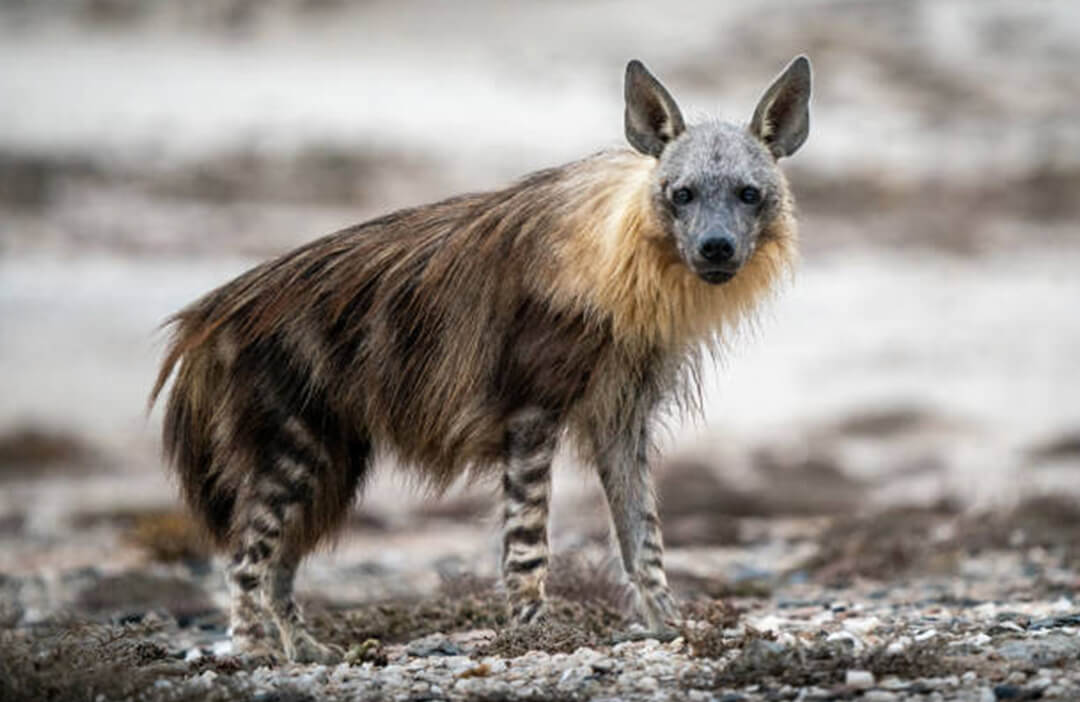
Brown hyena hunting is legal under specific conditions in South Africa, but it is not a species that hunters can pursue without the necessary permits. Classified as Near Threatened by the IUCN, the brown hyena is subject to additional legal protections in South Africa, and hunters must confirm that the appropriate TOPS (Threatened or Protected Species) and provincial permissions are in place before a hunt begins.
For hunters considering hyena hunting in Africa, understanding the difference between spotted and brown hyenas is important, particularly when it comes to hunting regulations and trophy imports. Those planning hyena hunting in South Africa must also confirm that the particular property is authorised for brown hyena hunting and that the proposed hunting methods are permitted.
There is another important consideration for American hunters. The brown hyena is listed as Endangered under the United States Endangered Species Act, which generally prohibits the importation of recreational hunting trophies into the US. A hunt may be legal in South Africa without the resulting trophy being eligible for import into the hunter's home country.
This article explains the permissions, conservation status and practical restrictions that hunters should understand before booking a brown hyena hunt.
What Permits Are Required to Hunt a Brown Hyena in South Africa?
Brown hyena hunting in South Africa is subject to the country's threatened or protected species regulations. A hunter must establish that the proposed hunt is authorised and that the necessary TOPS and applicable provincial permissions have been obtained.
Before booking, ask the outfitter to confirm the following:
-
The property or hunting area where the brown hyena may legally be hunted.
-
The permits and approvals required for that particular animal and location.
-
Whether the intended hunting methods and hunting hours are permitted.
-
Any additional requirements for possession, transport and export of the trophy.
The outfitter and Professional Hunter should explain the relevant requirements before the safari. Hunters should not assume that an advertised brown hyena hunt automatically includes every necessary approval.
Can American Hunters Import a Brown Hyena Trophy?
For American hunters, the distinction between legally hunting a brown hyena and importing its trophy is particularly important.
The brown hyena (Parahyaena brunnea) is classified as Endangered under the United States Endangered Species Act. This is different from its global IUCN classification of Near Threatened. As a result, an ordinary recreational brown hyena hunting trophy cannot be imported into the United States without specific authorisation under US endangered-species law.
Hunters should confirm the applicable import requirements with the US Fish and Wildlife Service before booking. A South African hunting permit or export document does not override US import restrictions.
For hunters from other countries, including the UK, European Union and Canada, trophy-import requirements must be checked separately with the relevant authorities and an experienced wildlife shipping agent.
Understanding Brown Hyenas
The brown hyena (Parahyaena brunnea) is one of Africa's least numerous large carnivores, occurring mainly in the drier regions of southern Africa. Its long, shaggy coat, dark mane and powerful jaws distinguish it from the more familiar spotted hyena. Brown hyenas favour semi-arid environments, including the Kalahari, dry savanna, scrubland and parts of the Namib Desert.
Unlike spotted hyenas, which frequently hunt live prey, brown hyenas obtain most of their food by scavenging. They may occasionally catch small animals, but carcasses and other available food sources make up much of their diet. Although brown hyenas live in social clans, individuals generally forage alone, often travelling considerable distances at night in search of food. Their largely nocturnal habits and cautious behaviour can make them difficult to locate.
Brown hyenas are classified as Near Threatened by the IUCN, reflecting concerns about their relatively small population and the pressures they face, including habitat loss and conflict with people. This conservation classification is separate from the legal protections applied by individual countries. In South Africa, hunting is subject to specific permits and authorisation rather than being an unrestricted hunting opportunity. Conservation and Debate Around Brown Hyena Hunting
Brown hyena hunting remains controversial, largely because the species has a relatively small population and is classified as Near Threatened by the IUCN. Conservation concerns include habitat loss, persecution by people and the potential impact of removing animals from populations that may already be under pressure. For those opposed to hunting brown hyenas, the question is whether taking an additional animal can be justified when its long-term conservation remains a concern.
Supporters of regulated hunting argue that allowing limited hunting under appropriate permits can give landowners a financial incentive to maintain wildlife habitat and tolerate predators that might otherwise be regarded as a problem. Hunting revenue may also contribute to conservation management and local employment. However, these benefits depend on how the particular property is managed, whether hunting is properly regulated and where the revenue actually goes.
For hunters considering a brown hyena safari, the important distinction is between a hunt being legal and a hunt being responsibly managed. A permit establishes legal authorisation, but it does not, by itself, demonstrate a conservation benefit. Before booking, hunters should be satisfied that the outfitter can explain the hunting permissions, the circumstances under which the animal may be taken and how the property manages its brown hyena population.
Frequently Asked Questions About Brown Hyena Hunting
How can I tell whether an outfitter has a realistic chance of finding a brown hyena?
Ask for recent photographs, trail-camera records and evidence of regular brown hyena activity on the property where you will actually hunt. Finding tracks or occasionally photographing an animal is encouraging, but it does not necessarily mean that a brown hyena will appear during your safari.
An outfitter who regularly monitors bait sites should be able to explain how frequently brown hyenas visit, whether their movements are predictable and what preparation will take place before you arrive. Recent results from the same hunting area are more useful than a general claim that brown hyenas occur in the region.
How many nights should I allow for a dedicated brown hyena hunt?
There is no reliable number of nights that guarantees success. Brown hyenas are predominantly nocturnal, and an animal may visit bait regularly without appearing while a hunter is present.
If brown hyena is your main objective, discuss the number of hunting nights with the outfitter rather than relying on the total duration of the safari. Ask whether baiting and monitoring will begin before your arrival and what happens if the animal's movements change during the hunt.
Should I bring my own thermal or night-vision equipment?
Not necessarily. First establish which equipment may legally be used in the particular hunting area. Where thermal or night-vision equipment is authorised, ask whether the outfitter supplies it and whether it has already been tested with the rifle and shooting arrangement you will use.
A hunter bringing personal equipment should confirm its compatibility and any applicable transport restrictions before travelling. Being familiar with your equipment is important, but it is equally important to know whether it can legally be used during the hunt.
What happens if I do not successfully hunt a brown hyena?
This depends entirely on the outfitter's pricing structure and booking conditions. Some arrangements separate daily rates from a trophy fee payable only after an animal is taken, while package hunts may have different payment terms.
Before paying a deposit, establish which charges remain payable if no brown hyena is taken, whether any trophy fee is refundable and whether additional hunting days can be arranged. Also ask how a wounded but unrecovered animal is treated under the contract. These details should be agreed upon in writing before the safari.
Before Booking a Brown Hyena Hunt
Brown hyena hunting is possible under specific conditions, but it requires more careful planning than simply choosing a destination and booking a safari. Hunters need to confirm that the animal may legally be hunted in the intended area, that the necessary permits are in place and that the proposed hunting methods comply with local regulations.
For international hunters, trophy import restrictions are equally important. A legally hunted brown hyena cannot necessarily be brought home, particularly in the case of American hunters, who face restrictions under the US Endangered Species Act. These questions should be settled before paying a deposit, not after the hunt.
For those considering brown hyena alongside other African species, Game Hunting Safaris offers a range of African hunting trips across different destinations. The important starting point is finding a safari that matches your hunting objectives, with the legal requirements and practical arrangements clearly understood before booking.
About the Author — Pierre van Wyk
Pierre van Wyk is the co-founder of Game Hunting Safaris, specialising in African hunting destinations, safari planning and helping international hunters understand their options before booking. His work involves researching hunting opportunities, comparing outfitters and evaluating the practical details that can make a significant difference to a safari.
With a strong interest in African wildlife and responsible hunting practices, Pierre focuses on providing hunters with straightforward information about destinations, permits, trophy-import restrictions and the realities of hunting different species. His approach is based on careful research, practical knowledge and the belief that hunters should understand exactly what they are booking before committing to a safari.