
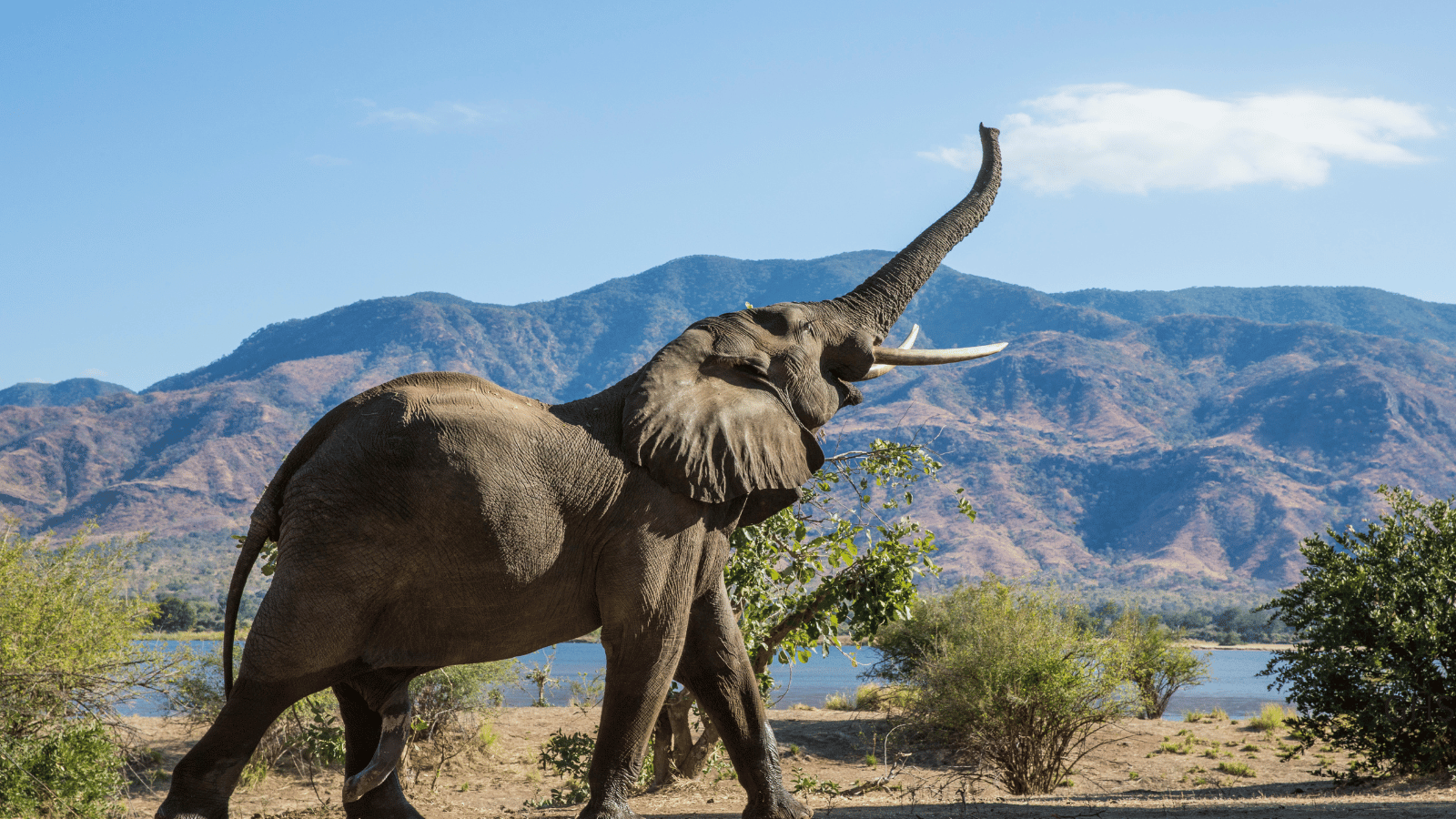
For some hunters from Texas, an African elephant safari represents the pinnacle of dangerous game hunting. It is not simply the size of the animal that draws sportsmen across the Atlantic, but the challenge of tracking one of Africa's most intelligent and iconic species through vast unfenced wilderness.
Unlike most North American hunting, elephant hunting is built around fresh spoor, experienced trackers, careful stalking and close-range shot placement. Every opportunity must be earned, often after covering many miles on foot through some of Africa's wildest hunting concessions.
Whether you're planning your first African safari or adding elephant to an existing dangerous game collection, this guide explains what Texas hunters should know before booking an African elephant hunt.
The African Elephant: Power, Presence and Intelligence
As one of the five iconic animals that define Big Five hunting, the African elephant has long held a special place among dangerous game hunters. Today, regulated elephant hunting continues to play an important role in conservation and wildlife management across several African countries.
Key traits Texas hunters should know:
- Exceptional Memory: Elephants can remember areas, hunters, and even previous encounters.
- Complex Social Structure: Most hunts target mature bulls, leaving breeding herds untouched.
- Incredible Senses: They detect scent, vibration, and sound from great distances.
- Physical Size: Bulls stand 10–13 feet tall at the shoulder and can carry tusks weighing over 100 pounds each.
Top African Countries for Elephant Hunts from Texas
Zimbabwe
- Peak Season: July – November.
- The Zambezi Valley and Hwange areas produce massive tuskers.
- Excellent PH networks and reliable trophy quality.
Namibia
- Peak Season: May – September.
- Well-managed hunting areas with strong conservation ethics.
- Known for desert-adapted elephants in the Kunene and Caprivi regions.
Botswana (selective quotas reinstated)
- Peak Season: April – September.
- Some of the heaviest ivory in Africa.
- Extremely limited tags, book years ahead.
Tanzania
- Peak Season: July – October.
- Remote concessions offer a true old-school safari experience.
Choosing the Right Elephant Hunting Destination
Not every African elephant safari offers the same style of hunting. Terrain, elephant populations, concession size, and hunting methods vary considerably from one country to another, making it worthwhile to compare destinations before booking.
Hunters looking for traditional free-range tracking often begin by exploring Elephant Hunting in Zimbabwe, where vast wilderness areas such as the Zambezi Valley have built an international reputation for fair-chase elephant safaris. Those interested in desert-adapted elephants and community-based conservation may find Elephant Hunting in Namibia offers a very different, yet equally rewarding, style of safari.
Taking the time to understand these differences will help you choose the destination that best matches your hunting goals, fitness level, and expectations.
Best Seasons for Texas Trophy Seekers
For Texas hunters booking African elephant hunts, cooler, dry months are optimal:
- May – September: Sparse vegetation makes tracking easier.
- Late Season (Oct – Nov): Water scarcity concentrates elephant herds.
Tracking Elephants: The Heart of the Hunt
Elephant hunting in Africa is about old-school tracking skills, something Texas hunters used to whitetail stands will find refreshingly different.
Step-by-step:
- Identify Fresh Sign: Large, circular tracks and fresh dung indicate proximity.
- Wind Direction: Always approach from downwind to avoid detection.
- Stalking: Cover miles on foot with a tracking team.
- Shot Opportunity: Close range — often under 50 yards.
- Shot Placement: Brain or heart/lung shots with heavy-caliber rifles.
Weapons & Caliber for Texas Elephant Hunters
This is true dangerous game hunting, requiring heavy calibers:
- Minimum: .375 H&H Magnum (legal minimum in most African countries).
- Preferred: .416 Rigby, .458 Lott, .470 Nitro Express.
- Ammo: Solid bullets for deep penetration through thick hide and bone.
Texas hunters should practice offhand and sticks shooting before departure. The shot window may be brief, and precision is vital.

Permits, CITES, and Legal Requirements
Elephant hunting is highly regulated:
- CITES Appendix II for most Southern African populations - trophy import permits required.
- U.S. Fish & Wildlife Approval - essential for bringing tusks into Texas.
- Outfitters handle local licenses, quotas, and export paperwork.
Book at least 12–18 months in advance to secure a slot.
Cost of Elephant Hunts for Texas Sportsmen
Expect $30,000–$70,000+ for a quality hunt, depending on:
- Country and concession.
- Size and weight of target ivory.
- Hunt duration (10–21 days).
- Inclusion of additional dangerous game species.
What’s usually included:
- PH services, trackers, skinners.
- Field preparation of trophies.
- All meals and accommodations in hunting camp.
- Transport within the concession.
Combination Hunts for the Ultimate African Adventure
Many Texas hunters combine elephant with:
- Cape buffalo for a true “heavy” dangerous game experience.
- Leopard to add a Big Five predator.
- Plains game to fill out the safari and diversify trophies.
Tips for Texas Trophy Seekers
- Physical Prep: Expect to walk 5–10 miles daily in challenging terrain.
- Mental Discipline: Elephant hunts can mean days without a clear opportunity.
- Trust the PH: They’ll judge tusk size and advise on legality.
- Gear Up Right: Durable boots, moisture-wicking clothing, and a quality rifle sling.
- Book Early: Limited quotas mean the best concessions go fast.
Travel Routes for Texas Hunters
- Dallas/Fort Worth (DFW): Qatar Airways, Emirates, or Delta via Europe to Johannesburg/Windhoek.
- Houston (IAH): KLM, Emirates, or Qatar with firearm-friendly policies.
- Austin/San Antonio: Connect through DFW or IAH.
Arrive 2–3 days early to check rifles and acclimate.
Why Game Hunting Safaris is the Texas Hunter’s Choice
At Game Hunting Safaris, we:
- Match Texas hunters with proven elephant outfitters.
- Handle CITES and import/export permits.
- Provide transparent, no-surprise pricing.
- Arrange professional trophy shipping to Texas.
Start Your African Elephant Hunting Journey
Elephant hunting in Africa is not just another trip, it’s a legacy experience. For Texas hunters ready to take on the challenge of Africa’s largest game, planning begins now.
Game Hunting Safaris
5900 Balcones Drive, STE 100, Austin, TX 78731
Email: info@gamehuntingsafaris.com
USA Contact (WhatsApp): +1 470 309 6306
Contact Us | View Google Business Profile
Frequently Asked Questions
Is elephant hunting suitable for a first African safari?
It can be, although many first-time hunters choose to pursue Cape buffalo hunts before booking an elephant hunt. Elephant hunting is physically demanding and relies heavily on tracking, patience, and close-range shooting. Choosing an experienced Professional Hunter and the right concession is especially important for first-time dangerous game hunters.
Which African country is best for elephant hunting?
Zimbabwe and Namibia are often considered the best starting points because they combine healthy elephant populations, experienced Professional Hunters, and well-managed hunting concessions. Tanzania offers a more remote safari with longer hunting licences, while each destination provides a different style of elephant hunting depending on terrain, quota, and hunting regulations.
How physically demanding is an elephant hunt?
Most elephant safaris involve several hours of walking each day while tracking fresh spoor. Some days may cover only a few miles, while others require considerably more ground depending on elephant movement and conditions. A reasonable level of fitness will make the safari more enjoyable and increase your ability to stay with the tracking team.
What rifle is recommended for elephant hunting?
The .375 H&H Magnum meets the legal minimum in many African countries, although many experienced hunters prefer larger calibres such as the .416 Rigby, .458 Lott, or .470 Nitro Express. Your Professional Hunter can advise on suitable rifle choices, and practising from shooting sticks before your safari is highly recommended.
Can I combine an elephant hunt with other species?
Yes. Many hunters choose to combine elephant with Cape buffalo, leopard, or selected plains game, depending on the country and available quota. Combining species often provides a more varied safari while making the most of your time in Africa.
How far in advance should I book an elephant hunt?
Because elephant hunting is conducted under strict government quota systems, availability is limited. Booking 12 to 24 months in advance generally provides the best choice of hunting dates, concessions, and available elephant quota.