
Planning a safari requires several important decisions, but hunters should first understand what Hunting in Mozambique involves before choosing a concession. One of the biggest mistakes hunters make is assuming that Mozambique can be planned in the same way as any other African destination. It cannot.
Whether your goal is pursuing Cape buffalo, elephant, leopard or building a broader Big Game Hunting in Mozambique safari, the decisions made before booking often determine the quality of the hunt long before arriving in camp.
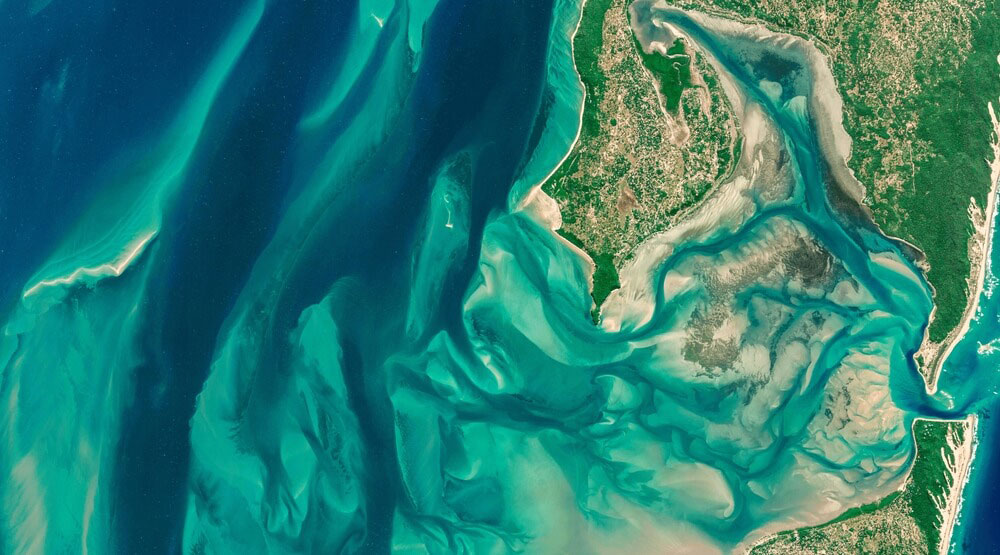
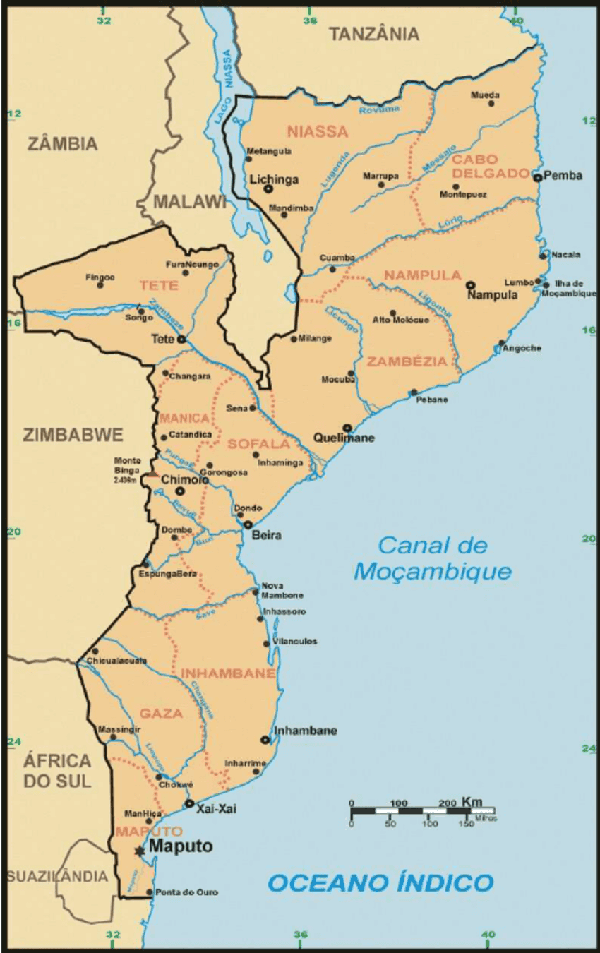
From the vast floodplains of the Zambezi Delta to remote miombo woodlands and dense jesse bush, hunting conditions vary enormously across the country. The species available, the style of hunting, the length of the safari and even the best time to travel are all influenced by where you choose to hunt.
Making the right decisions before booking often has a greater impact on the quality of the safari than any piece of equipment packed into a rifle case. Understanding how Mozambique's hunting areas differ, which species you want to prioritise and how to build a safari around those goals helps create a hunt that matches your expectations from the very beginning.
[DYNAMIC-BLOGTABLEOFCONTENT]
Choosing the Right Concession Is More Important Than Choosing a Region
Hunters may begin planning a Mozambique safari by asking where they should hunt. In reality, the better question is what kind of hunt they want to have. The answer to that question usually determines the right concession far more accurately than simply choosing a well-known region on a map.
No two concessions are exactly alike. Some are built around tracking buffalo through dense jesse bush. Others are better suited to leopard hunting along river systems, while some offer exceptional combinations of dangerous game and regional plains game. The terrain, vegetation, wildlife densities and even the pace of the safari can differ dramatically from one concession to the next.
Choosing a concession should therefore be about more than simply selecting the area with the biggest reputation. Experienced hunters often consider several factors before booking, including:
- The primary species they want to hunt.
- The style of hunting they enjoy, whether that means long tracking days, river hunting or covering ground through open woodland.
- The amount of time available for the safari.
- The opportunity to combine additional species during the same hunt.
Mozambique's hunting concessions also operate under carefully managed quota systems. Species availability can differ between concessions and from one season to the next, making it important to discuss your hunting priorities with your outfitter before finalising the safari. The right concession is not necessarily the one with the biggest name; it is the one that best matches the objectives of your hunt.
A well-planned Mozambique safari is rarely remembered because it took place in a famous concession. It is remembered because the hunting area, the species, the terrain and the expectations all came together to create the kind of safari the hunter was hoping to find.
Build Your Mozambique Big Game Hunting Safari Around One Primary Species
One of the most effective ways to plan a Mozambique hunting safari is to decide which species matters most to you before looking at dates, concessions or travel arrangements. Trying to plan around every possible hunting opportunity often results in compromises, while building the safari around one primary objective usually produces a far more rewarding hunt.
A hunter planning Cape Buffalo Hunts in Mozambique will often choose a very different concession from someone focused on Lion Hunting in Mozambique. The terrain, hunting methods and even the pace of the safari can differ considerably depending on the primary species being pursued.
The same applies when planning Leopard Hunts or building a safari around regional Plains Game Hunts. Once that primary objective has been established, selecting the right hunting area, safari duration and additional species becomes considerably easier.
This approach also creates opportunities to build a balanced safari. Buffalo hunts are frequently combined with regional plains game, while some concessions allow dangerous game and plains game to be pursued during the same safari where quotas and safari duration permit. Rather than trying to hunt everything, experienced hunters often focus on one defining species and allow the remainder of the safari to develop naturally around that objective.
Planning in this way also helps manage expectations. Every concession has strengths, and every safari has practical limits imposed by quota, habitat, available time and the hunting season. Starting with one clear priority allows those decisions to support one another rather than compete against each other.
Choosing the Right Time Can Shape Your Safari
The timing of a big game hunting safari in Mozambique influences far more than the weather. As the dry season progresses, vegetation becomes thinner, tracking conditions generally improve and access to remote concessions becomes more reliable. These factors influence not only how game is hunted, but also which species are best suited to different periods of the season.
Hunters planning Cape Buffalo Hunting in Mozambique often favour the middle of the dry season, particularly from July through September. During this period, dry ground, improved visibility and more predictable game movements create excellent conditions for following buffalo spoor through Mozambique's jesse bush and river systems.
Those interested in regional plains game should also consider how timing influences their safari. Roosevelt Sable Hunts are often planned around the same favourable dry-season conditions, while Wildebeest Hunts targeting the distinctive Niassa wildebeest can naturally be incorporated into carefully planned safaris in the appropriate concessions.
Rather than choosing travel dates based on convenience alone, it is worth planning around the species that matters most. Building the safari around your primary hunting objective often creates better opportunities to combine additional game while making the most of the concession and the time available.
Allow Enough Time for Your Mozambique Hunting Safari
Choosing the right safari length is just as important as choosing the right concession. While it can be tempting to fit everything into the shortest possible itinerary, big game hunting in Mozambique often rewards hunters who allow enough time for the safari to unfold naturally.
Tracking buffalo through dense jesse bush, adapting to changing conditions or waiting for the right opportunity can all take time. Building flexibility into the itinerary allows the hunting team to adjust to the conditions rather than feeling pressured to rush an opportunity simply because the safari is coming to an end.
Safari duration has a significant influence on the overall cost of the hunt.Daily rates, the number of hunting days and the species included all contribute to the final budget, making it worthwhile to understand African Hunting Safari Prices before deciding how long the safari should be.
Rather than asking how many animals can be hunted in a set number of days, it is often better to decide how much time is needed to enjoy the type of safari you want. In Mozambique, allowing an extra day or two can make a meaningful difference to both the hunt and the memories that come with it.
Work Closely With Your Outfitter
Planning a successful Mozambique hunting safari is rarely about making one big decision. It is the result of many smaller decisions made before the safari begins. Discussing your priorities with your outfitter early allows the concession, hunting dates and available quota to be matched to the type of safari you want to enjoy.
It is also worth discussing practical details before confirming your booking. Rifle calibre requirements, travel logistics, charter flights where required, firearm import procedures and the species you hope to pursue are all easier to organise well in advance than in the weeks before departure.
Clear communication also helps set realistic expectations. Every concession has its own strengths, and understanding what to expect from the terrain, hunting style and available game allows you to arrive well prepared and focus on enjoying the safari rather than worrying about the details.
Good planning does not guarantee success in the field, but it does give every safari the strongest possible foundation.
Building the Right Safari From the Beginning
A successful Mozambique hunting safari is rarely defined by a single trophy. It is built on a series of good decisions made long before arriving in camp. Choosing the right concession, prioritising the right species, travelling at the right time of year and allowing enough days for the hunt to unfold naturally all contribute to a safari that reflects your expectations.
Mozambique continues to offer some of Africa's finest big game hunting opportunities, but no two safaris are exactly alike. Every concession, every hunting area and every species presents its own challenges, making careful planning one of the most valuable investments a hunter can make before booking.
Our carefully selected African Hunting Trips help hunters compare concessions, choose the right safari duration and build an itinerary around the species they most want to pursue, ensuring every Mozambique safari starts with the right plan.
Frequently Asked Questions
Can I combine buffalo and plains game on the same Mozambique safari?
Yes. Many Mozambique concessions allow hunters to combine Cape Buffalo Hunts with regional Plains Game Hunts, provided quota and safari duration allow. Planning the safari around one primary species usually creates the best opportunities to add suitable plains game without compromising the hunt.
How far in advance should I book a Mozambique hunting safari?
Booking well in advance is recommended, particularly for dangerous game safaris. Hunting quotas are allocated each season, and the most sought-after concessions often have limited availability. Early planning also provides more flexibility when selecting hunting dates and combining species.
What is the ideal length for a Mozambique hunting safari?
The ideal safari length depends on the species being hunted. Dangerous game safaris generally require more hunting days than plains game hunts, allowing enough time for tracking, changing conditions and the flexibility needed to hunt successfully.
Does every hunting concession offer the same species?
No. Species availability varies between concessions and annual quota allocations. This is why deciding which species you most want to hunt should always come before selecting a concession.
When is the best time to hunt buffalo in Mozambique?
Many hunters favour the middle of the dry season, particularly from July through September. During this period, vegetation becomes thinner, tracking conditions improve and access to remote hunting areas is generally at its best.
What affects the cost of a Mozambique hunting safari?
Several factors influence the overall cost, including safari length, daily rates, trophy fees, charter flights where required and the species being hunted. Understanding African Hunting Safari Prices before booking helps hunters build a safari that matches both their hunting goals and budget.
Is Mozambique suitable for a first dangerous game safari?
Yes, provided the safari is carefully planned. Working with an experienced outfitter and selecting a concession that matches your hunting objectives gives first-time dangerous game hunters an excellent introduction to Mozambique.
How do I choose the right Mozambique hunting concession?
Start by deciding which species is your primary objective. Once that decision has been made, choosing the right concession becomes much easier because the terrain, hunting style, available quota and safari duration can all be matched to the hunt you want.
About the Author
Pierre van Wyk is the co-founder of Game Hunting Safaris and has spent years working with professional hunters, outfitters and international clients to plan hunting safaris across Africa. His articles focus on practical hunting advice, safari planning and helping hunters make informed decisions before booking their African hunting adventure.