
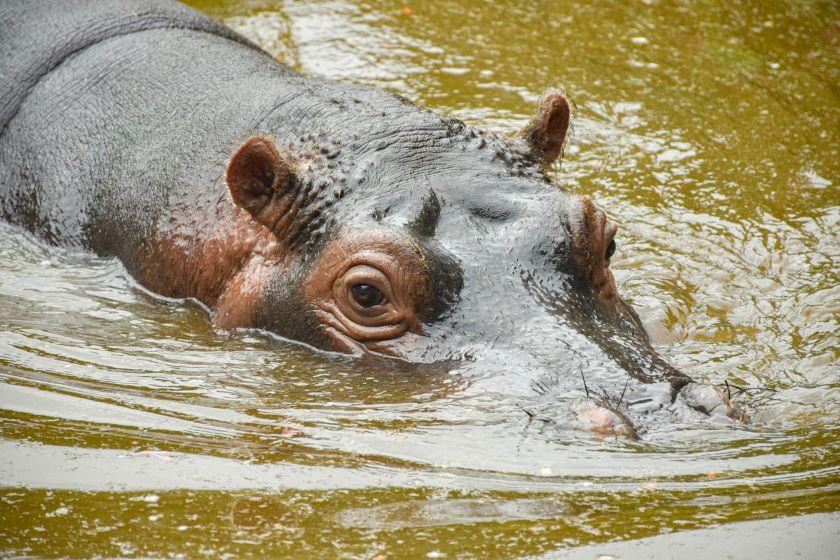
Zimbabwe has earned a reputation as one of Africa’s classic dangerous-game destinations, and hippo hunting in Zimbabwe remains one of its most distinctive river-based safaris. Mature bulls are hunted around areas such as Lake Kariba and the Zambezi Valley, where trophy evaluation, water levels, shot placement and patience can determine the outcome of the hunt.
Hippo hunting in Zimbabwe tests a hunter's patience, judgment, and shot placement. Whether pursuing a mature bull along the shores of Lake Kariba or the legendary Zambezi Valley, every encounter carries an element of unpredictability.
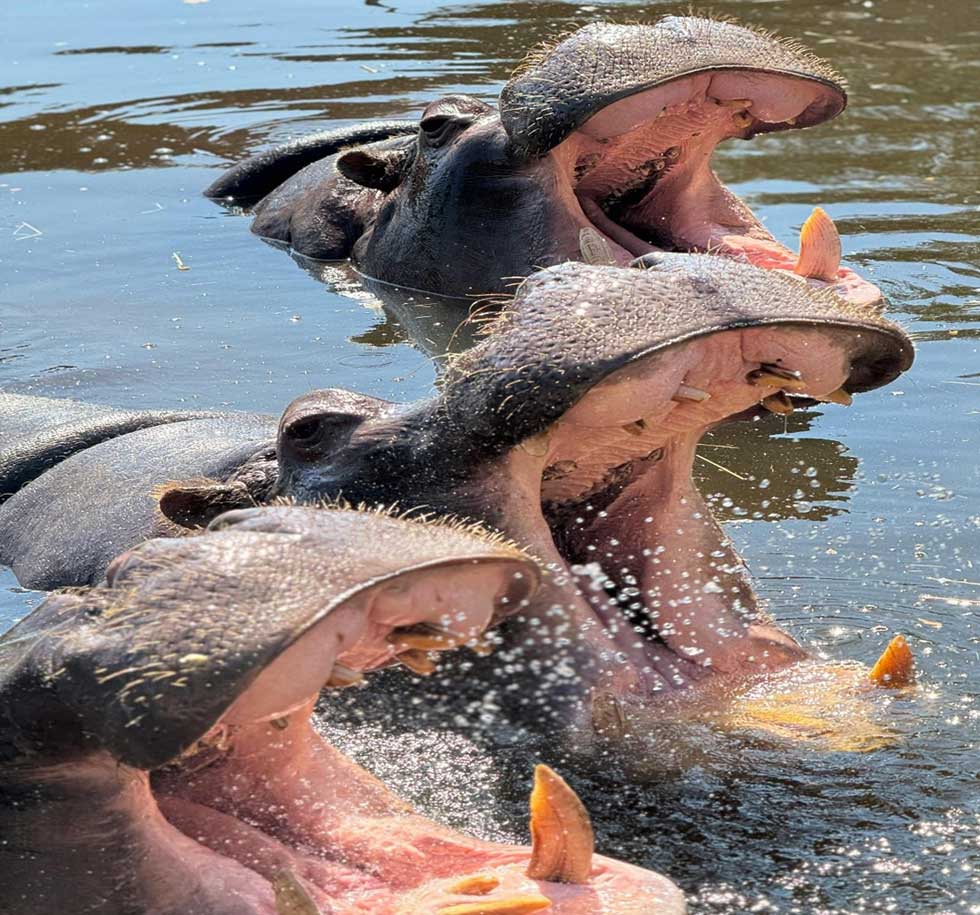
The hippopotamus is responsible for more human deaths in Africa each year than many of the continent's better-known predators. Despite spending much of the day submerged in water, hippos are fiercely territorial and will aggressively defend themselves, their calves, and their pod. A mature bull can weigh more than 3,000 pounds, run surprisingly fast on land, and possesses enormous tusks capable of inflicting devastating injuries.
Perhaps that is why hippos remain such a sought-after trophy. They demand respect, reward patience, and provide an authentic hunting experience in some of Zimbabwe's most iconic wild places. When a mature bull finally surfaces and presents an opportunity, hunters quickly understand why this species has earned its reputation throughout Africa.
Hunters comparing the species across Africa can also review our broader Hippo Hunts guide.
[DYNAMIC-BLOGTABLEOFCONTENT]
Key Takeaways
- Zimbabwe remains one of Africa's top destinations for dangerous game hunting, offering access to members of both the Big 5 and Dangerous 7.
- Lake Kariba, the Zambezi Valley, Gache Gache, and Chete are among the country's most respected areas for pursuing trophy hippos.
- Many hunters consider the hippo one of Africa's most dangerous animals due to its size, aggression, and unpredictable behavior.
- Mature bulls are judged primarily by tusk development, head size, and overall body mass.
- The dry season generally provides the best conditions for evaluating trophy bulls and locating concentrated hippo populations.
- Spot-and-stalk hunting, shoreline ambushes, and intercepting animals as they move between grazing areas and water are common hunting methods.
- Many hunters combine a hippo hunting in Zimbabwe safari with a Nile crocodile hunt, as both species occupy the same waterways.
- Regulated hunting contributes to conservation efforts, supports local communities, and helps manage human-wildlife conflict in affected areas.
- Successful hippo hunts depend on patience, careful trophy evaluation, and precise shot placement.
Zimbabwe: A Dangerous Game Hunter’s Paradise
Zimbabwe remains one of Africa’s classic destinations for big game hunting in Zimbabwe, with opportunities for lion, elephant, Cape buffalo, leopard, hippo and Nile crocodile depending on quota and hunting area.
Reasons why to choose Zimbabwe:
- Hunters are spoilt for choice with the species on offer. Zimbabwe’s range of dangerous game include members of the Big 5, such as the lion, elephant, Cape buffalo, and leopard, and the two remaining members of the Dangerous 7, namely the hippo and the Nile crocodile.
- There are many excellent and varied dangerous game hunting opportunities throughout the country in numerous national parks and private concessions.
- Hunting in Zimbabwe offers a real African hunting experience, with the hunter stalking his prey on foot, through the African wilderness.
- Areas like the Zambezi Valley, Lake Kariba, and Gwayi Conservancy allow for an authentic game hunting experience, with various dangerous game species available, including hippo hunting in Zimbabwe
- Zimbabwe is easy to travel to, with excellent African outfitters ready and available to assist with an unforgettable big game hunting experience, including African hippo hunts.
- African outfitters go the extra mile to ensure an authentic African experience, but luxury is also the name of the game. Guests can expect comfortable accommodations, sumptuous meals, and modern amenities during their African hunt.
- As a tourist destination, Zimbabwe welcomed 1,043,781 visitors in 2022, leading the way as a prime African tourism destination, which included hunters.
The Hippo: The Most Dangerous Animal in Africa
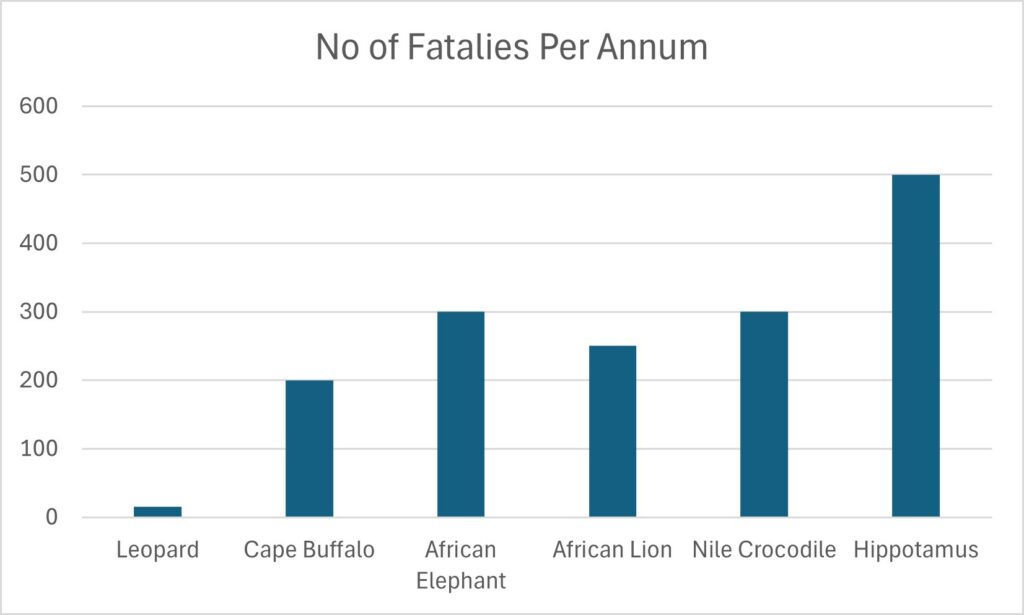
Hippos are responsible for more than 500 human deaths per annum, even more than the notorious Cape buffalo. Many hippo attacks happen when humans are too close to the hippo’s habitat, such as bathing, fishing, or canoeing on the river.
These huge herbivores also leave the water during the evenings to graze, and people may encounter them on land, either heading out to start grazing or returning to the water in the early morning. Hippos see people as a threat to themselves and their pods and will attack and kill anything that threatens them.
Where are the Best Locations in Zimbabwe to Hunt Hippo?
Zimbabwe offers some of Africa's finest hippo hunting opportunities, with several renowned areas producing exceptional trophy bulls year after year. The country's extensive river systems and large bodies of water provide ideal hippo habitat and allow hunters to pursue this dangerous game species throughout the year.
Lake Kariba
Few locations are as closely associated with hippo hunting in Zimbabwe as Lake Kariba. The lake supports a thriving hippo population and is renowned for producing mature bulls with excellent ivory. Areas such as Gache Gache, Chete, and Matusadona have long attracted hunters looking for quality trophies, spectacular scenery, and the opportunity to pursue both hippo and Nile crocodile along the same waterways.
The Zambezi Valley
The Zambezi Valley remains one of the most iconic dangerous game hunting regions in Africa. The river and its associated floodplains provide ideal habitat for large hippo populations. Hunters pursuing hippos in the Zambezi Valley often enjoy encounters with other dangerous game species including elephant, buffalo, lion, leopard, and crocodile, creating a true wilderness hunting experience.
Gache Gache Safari Area
Located along the southern shores of Lake Kariba, Gache Gache has become one of Zimbabwe's most respected dangerous game concessions. The area's combination of productive shoreline habitat and healthy hippo numbers makes it a consistent producer of quality trophies.
Chete Safari Area
Chete Safari Area borders Lake Kariba and offers excellent opportunities for hunters seeking both hippo and Nile crocodile. The area's remote nature and extensive waterways provide ideal conditions for combination dangerous game safaris.
Matusadona Region
The Matusadona region, situated along the shores of Lake Kariba, is renowned for its spectacular scenery and abundant wildlife. Hippo hunts in this area often take place against the backdrop of one of Zimbabwe's most famous wilderness landscapes, adding to the overall safari experience.
Binga Area
Located in the western reaches of Lake Kariba, the Binga area has developed a reputation for producing mature bulls and offering authentic, low-pressure hunting experiences. The combination of excellent habitat and relatively limited hunting pressure makes this a sought-after destination for experienced dangerous game hunters.
Whether hunting along the Zambezi River or the shores of Lake Kariba, Zimbabwe continues to rank among Africa's top destinations for hippo hunting, producing outstanding trophies and authentic dangerous game hunting experiences.
What Makes a Good Hippo Trophy?
Unlike many African game species that are judged by horn length, a trophy hippo is primarily evaluated by the size, thickness, and overall development of its tusks. Mature bulls develop large lower canines that grow continuously throughout their lives and are the feature most hunters focus on when assessing trophy quality.
Judging a hippo is far more challenging than judging many other dangerous game species because most of the animal remains submerged for much of the day. Hunters and professional hunters often spend hours observing pods, waiting for a mature bull to expose enough of its head to allow proper evaluation.
Experienced professional hunters typically look for several key indicators when selecting a trophy bull. These include the overall size of the head, the width between the eyes, the prominence of the lower tusk bumps beside the nostrils, and the animal's general body mass. Older bulls often develop heavier ivory and more pronounced facial features, making them easier to distinguish from younger animals.
Lake Kariba has earned a reputation for producing some of Zimbabwe's finest hippo trophies. The lake's extensive habitat and healthy hippo population allow bulls to reach impressive ages and sizes, resulting in exceptional tusk development. Many hunters specifically target the region in search of mature bulls carrying heavy ivory.
Patience is often the key to success. A professional hunter may pass several bulls before identifying the right animal, ensuring that the hunter pursues a mature trophy that has already contributed to the breeding population. This approach not only improves trophy quality but also supports responsible and sustainable wildlife management.
Best Time for Hippo Hunting in Zimbabwe
Zimbabwe offers hippo hunting throughout the year, but conditions vary depending on water levels, temperatures, and visibility. While there is no official hippo hunting season, many professional hunters consider the dry months to provide the most consistent hunting conditions.
The period from May through August is popular because temperatures are cooler and hunting is generally more comfortable. Vegetation begins thinning out and river systems become easier to navigate, allowing hunters to spend long days glassing pods and evaluating trophy bulls.
Many experienced hunters favor September through November. During these late dry-season months, water levels in rivers and lakes are often lower, making it easier to identify mature bulls and assess trophy quality. Hippos tend to concentrate in remaining water sources, increasing the likelihood of encountering multiple animals during a hunt.
The rainy season, which typically runs from December through March, can still produce successful hippo hunts, but higher water levels and thicker vegetation may create additional challenges. Access roads can also become more difficult to navigate in certain hunting areas.
For hunters seeking a combination safari, the late dry season is often an excellent time to pair a hippo hunt with a Nile crocodile hunt. Both species occupy the same waterways, making Lake Kariba and the Zambezi Valley particularly attractive destinations for dangerous game hunters looking to pursue two members of Africa’s Dangerous 7 on a single safari.
Ultimately, the best time for hippo hunting in Zimbabwe depends on the hunter's goals. Those prioritizing comfortable conditions may prefer the cooler winter months, while hunters focused on trophy evaluation often target the latter part of the dry season when visibility and game concentrations are at their best.
Hunting Methods & Calibers
One of the biggest challenges when hippo hunting in Zimbabwe is identifying a quality trophy bull when the animal is often submerged up to its eyes. Experienced hunters and professional hunters look for two prominent bumps beside the nostrils. These are created by the lower tusks pushing against the upper jaw and are usually a good indication that you are looking at a mature bull. Bulls are also noticeably larger than cows and generally carry heavier tusks, with exceptional specimens displaying impressive ivory development.
Don't be fooled by their relaxed appearance. Hippos may spend most of the day wallowing in water, but they are widely regarded as one of Africa's most dangerous animals. Hunting a hippo requires patience, careful observation, and the ability to remain calm when an opportunity finally presents itself.
The most common hunting method is a spot-and-stalk approach along rivers, shorelines, and lake systems. In some areas, hunters may also use a traditional mokoro canoe to quietly approach a pod and evaluate trophy bulls. Another effective method is intercepting hippos as they leave the water at dusk to feed or return shortly after sunrise. These encounters can be particularly exciting, as a hippo intent on reaching the safety of the water can be extremely aggressive if it feels threatened.
Hippos possess incredibly thick skulls and heavy bone structures, making them one of Africa's toughest dangerous game animals. Zimbabwe requires a minimum caliber of .375 using a 300-grain bullet, although many professional hunters prefer larger calibers such as the .416 Rigby or .500 Nitro Express, particularly when a broadside opportunity presents itself on land.
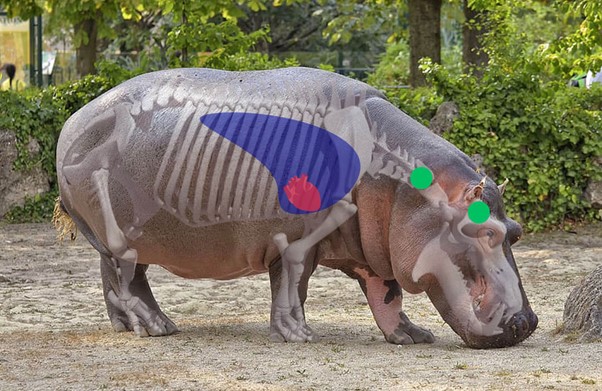
Shot placement is absolutely critical when hunting hippo. A poorly placed shot can lead to a lengthy recovery and potentially dangerous follow-up situation. For a detailed breakdown of the most effective shot angles and aiming points, see our guide to Hippo Shot Placement.
Even after a successful shot, the hunt may not be over. Hippos harvested in water often sink and may take several hours to resurface. During retrieval, hunters and professional hunters must remain alert, as Nile crocodiles frequently share the same waterways and are often nearby.
Why Hunters Combine Hippo and Crocodile Safaris
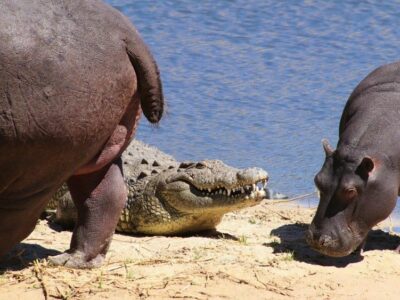
Many hunters traveling to Zimbabwe choose to combine a hippo hunt with crocodile hunting in Zimbabwe, creating one of Africa’s most exciting dangerous game hunting experiences. Since both species occupy the same waterways and habitats, particularly around Lake Kariba and the Zambezi River, a combination safari allows hunters to pursue two members of Africa’s Dangerous 7 during a single trip.
A combined hunt also makes practical sense. Time spent glassing shorelines, riverbanks, and sandbanks for trophy hippos often presents opportunities to evaluate crocodiles, while crocodile hunting naturally places hunters in prime hippo habitat. This overlap allows hunters to maximize their time in the field while experiencing two very different hunting challenges.
While hippos are known for their aggression, size, and unpredictable behavior, Nile crocodiles test a hunter’s patience, observation skills, and shot placement. The combination creates a well-rounded dangerous game safari that many hunters consider one of the ultimate African hunting adventures.
Depending on the area and hunting conditions, many outfitters recommend allowing seven to ten days for a combined hippo and crocodile safari. This provides sufficient time to locate mature trophy animals while still enjoying the broader wilderness experience that makes Zimbabwe one of Africa’s premier dangerous game hunting destinations.
What Threats Does the Hippo Population in Zimbabwe Face?
Human-Wildlife Conflict
Human-wildlife conflict (HWC) is a situation where animals pose a direct and recurring threat to the safety and/or livelihood of humans. The challenge is that these conflicts can lead to people killing the animals concerned, leading to their numbers declining.
In the case of hippos and human conflict situations, these arise for numerous reasons, including:
- Direct attacks on people.
- Loss of natural habitats means that the hippos are more visible and share habitats with humans, for example, humans use rivers and lakes for fishing or recreation.
- Crop Raiding and damage to crops are a huge source of frustration. When hippos leave the water to graze at night, they enter fields of crops and consume them, as grazing may not be sufficient.
- Humans become frustrated and have no interest in the conservation of the species.
- Hippos may prey on farmers’ livestock, which is their source of income, leading to increased frustration with the mammal.
Loss of Natural Habitat
As human populations grow and cities expand, the natural habitat of this mega mammal decreases. The area becomes utilized for farming, or urban development takes place, resulting in their natural habitats, such as rivers, streams, wetlands, and lakes, disappearing. This results in them encroaching on human lands, and the inevitable human-wildlife conflict.
Climate Change
As the climate around them changes, so will the hippos’ chance of survival. Rainfall can cause their habitats to need to survive in flood or drought situations, which can also influence the availability of food and shelter and cause major disruptions to their ecosystems, and therefore their survival.
Illegal Hunting: Hippo Products
Hippos are often hunted illegally for their products including meat, their hides, and their tusks (ivory). The meat is sold off, while their hides are used to make and manufacture various products including jackets, belts, purses, and wallets, as well as suitcases and watch straps, amongst an array of leather goods.
The ivory is often used to make carvings, trinkets, sculptures, and souvenirs.
Pollution
Hippo habitats are becoming threatened as dirty water used in various industries such as mining and agriculture can affect both the hippo and its prey.
How Do Hippo Hunts Contribute to Conservation?
Numerous benefits come to mind, firstly a range of economic benefits including job opportunities, improvement of local infrastructure, and an increase in government revenue.
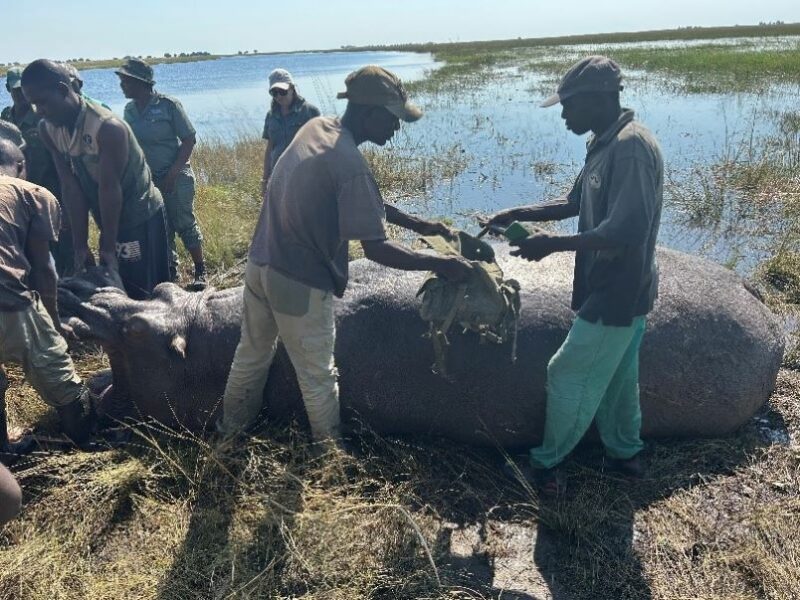
Hunters targeting hippos are also able to assist the community at large by dealing with “problem” animals in the area, whether hippos, crocodiles, or other problem animal. In this way, the community is also reassured that their needs are being met, the hunter can dispose of the animal and the meat distributed to the tribes in the area.
The community plays a large role in the conservation process. They are the ones on the ground, who must deal with the challenges of hippos in the area (for example hippo attacks and crop raiding), and education and awareness remain key in promoting conservation.
They also reap the benefits of the hippo hunts, as well as other hunting safaris, as these endeavors provide employment opportunities with local outfitters, for example, cleaners, workers, trackers, and skinners. Infrastructure gets an upgrade with roads, schools, and clinics being built, while the meat from the hunts also assists in feeding local communities.
These conservation efforts protect the animals’ habitats, and effort is enlisted in finding ways for the peaceful co-existence between humans and animals, in this case, hippos.
Ethical Hunting in Zimbabwe
What is Ethical Hunting?
This refers to a set of behaviors, rules, and regulations that guide and shape a hunter’s behavior during a hunt.
It includes aspects such as complying with and adhering to the rules and regulations of the local hunting community, in this case, Zimbabwe. It involves adequately preparing for your hunt to ensure that you have the correct caliber weapon, to ensure a quick, humane death for the animal and minimal suffering on its part.
Zimbabwe practices the principle of fair chase, ensuring that there is no unfair advantage given to the hunter over the animal being targeted.
The hunter will support and assist wildlife conservation efforts by practicing sustainable hunting endeavors.
How do Hunters Learn to Hunt Ethically?
By educating novice hunters through courses, and by mentoring and looking at more experienced hunters in the area, hunters learn the art of ethical hunting. Hunters need to reflect and consider their actions, and reactions and how their behavior influences (either positively or negatively) and impacts animals, communities, habitats, and environments.
True respect for rules, regulations, traditions, cultures, communities, and the hunted animals all play a role in ethical hunting.
Planning Your Hippo Hunt in Zimbabwe
A typical Zimbabwe hippo hunt lasts between five and seven hunting days, although hunters combining hippo and Nile crocodile often extend their safari to seven to ten days. Most international hunters arrive through either Harare or Victoria Falls before transferring to hunting areas around Lake Kariba or the Zambezi Valley.
One of the biggest challenges when planning a hippo hunt is understanding that success is often determined by patience rather than distance covered. Professional hunters may spend hours observing pods, waiting for mature bulls to surface long enough to properly evaluate trophy quality. Unlike many plains game hunts, the focus is often on careful observation and precise shot placement rather than extensive tracking.
Hunters should also be prepared for long hours spent around rivers, shorelines, and lake systems. Quality binoculars, lightweight clothing, sun protection, and comfortable footwear are essential. Many hunters also choose to combine their safari with a Nile crocodile hunt, since both species occupy the same waterways and can often be pursued during the same safari.
For hunters seeking an authentic dangerous game experience without the costs associated with elephant or lion hunting, hippo hunting in Zimbabwe remains one of Africa's most exciting and accessible Dangerous 7 safaris.
For a broader breakdown of daily rates, trophy fees and safari costs, see our guide to African Hunting Safari Prices.
Hunters comparing Zimbabwe hippo safaris with other countries or combination hunts can explore our current African Hunting Trips.
Frequently Asked Questions
Are there hippos in Zimbabwe?
Yes. Zimbabwe supports healthy hippo populations throughout several major river systems and lakes. Lake Kariba is particularly well known for producing exceptional trophy bulls, while the Zambezi Valley and surrounding waterways also offer excellent hunting opportunities.
Why do people hunt hippos?
Hippos are one of Africa's Dangerous 7 and are widely regarded as one of the continent's most challenging and unpredictable animals to hunt. Hunters are drawn to the species because of the unique hunting experience, the challenge of trophy evaluation, and the opportunity to pursue one of Africa's most respected dangerous game animals.
What caliber is recommended for hippo hunting in Zimbabwe?
Zimbabwe requires a minimum caliber of .375 using a 300-grain bullet for dangerous game hunting. However, many professional hunters prefer larger calibers such as the .416 Rigby or .500 Nitro Express, particularly when hunting mature bulls.
What is the best time of year to hunt hippos in Zimbabwe?
Hippos can be hunted throughout the year, but many hunters favor the dry season from May through November. Lower water levels and improved visibility often make it easier to evaluate trophy bulls and locate concentrated hippo populations.
Does the Zambezi River have hippos?
Yes. The Zambezi River provides ideal habitat for hippos and supports large populations throughout the region. The river remains one of Zimbabwe's most popular destinations for hunters pursuing hippo and Nile crocodile.
Can you combine a hippo and crocodile hunt in Zimbabwe?
Yes. Many hunters combine hippo and Nile crocodile hunts because both species occupy the same waterways around Lake Kariba and the Zambezi Valley. Combination safaris are among the most popular dangerous game hunting packages in Zimbabwe.
How long does a hippo hunt in Zimbabwe take?
Most dedicated hippo hunts last between five and seven hunting days. Hunters pursuing both hippo and Nile crocodile often extend their safari to seven to ten days to maximize opportunities on both species.
Where is the best place to hunt hippos in Zimbabwe?
Lake Kariba is widely regarded as Zimbabwe's premier hippo hunting destination and has a reputation for producing exceptional trophy bulls. Other productive areas include the Zambezi Valley, Gache Gache, Chete, Matusadona, and the Binga region.
Why is the hippo considered one of Africa's most dangerous animals?
Hippos are highly territorial and can become extremely aggressive when threatened. Their immense size, speed, powerful jaws, and unpredictable behavior contribute to hundreds of human fatalities across Africa each year, giving them a reputation as one of the continent's most dangerous animals.
Zimbabwe: Great Destination, Great Hunting, Great Trophies!
Zimbabwe boasts great dangerous game hunting opportunities for hunters at a reasonable cost, with luxurious accommodations and facilities, while simultaneously offering exceptional trophy animals and the option to enjoy a game hunting safari throughout the year. With attentive and professional outfitters, a location second to none, and wildlife at your fingertips, what more could a hunter need?
This hunt not only allows the hunter to face Africa’s most dangerous animal (funnily enough a herbivore and not a predator as one would assume!) but allows him to test his skills and expertise ethically and respectfully. The hunter has the opportunity to see conservation in action in one of Africa’s gems, where animals are both hunted and respected, where their livelihoods are closely intertwined with those of their human counterparts, and success can only be achieved through ethical hunting, conservation, and adherence to regulations and permit quotas.
This is Africa. As wild and dark as the continent may seem, it is home to mankind’s greatest gifts; a wide range of fauna and flora that is immeasurable in its beauty and vastness. They say that Africa gets under your skin, and after a trip here, you will never forget it. Take that step, book that hunt, and let Africa show you its charm and beauty.
If you have what it takes to take up the challenge and enjoy hippo hunting in Zimbabwe, you won’t be disappointed. This untamed destination provides exciting hippo hunts that test your skills, and patience, and allow you to come face-to-face with the African wilderness of old.
Author: B. Hershensohnn