
Updated: May 2026
Hunting in Tanzania is very different from what many first-time African hunters expect.
A traditional Tanzania safari unfolds slowly across large unfenced concessions where wildlife moves naturally through river systems, miombo woodland, floodplains, and open bush country measured not in acres, but in vast ecosystems.
For American and international hunters, the appeal of Tanzania often begins long before the safari itself. It starts with the thought of tracking buffalo through remote woodland at first light, following fresh spoor along a sandy riverbank, or listening to hippos moving through the Rufiji River long after dark while camp settles down for the night.
Southern Tanzania, particularly the Selous ecosystem, remains one of the few places in Africa where that style of free-range safari still exists across truly vast wilderness areas.
A hunt here is rarely fast-paced. Days usually begin before sunrise as trackers search roads, dry riverbeds, and crossing points for fresh sign left during the night. Once tracks are found, the mood of the hunt changes quickly. The vehicles stop, rifles come off the rack, and the rest of the day may be spent on foot following spoor through thick woodland and riverine cover in heavy East African heat.
This is the kind of hunting where finding the tracks is often the easy part. The real work starts later, staying focused while moving quietly through thorn, heat, and thick bush after hours on spoor, knowing the next glimpse of black hide could appear without warning.
What makes Selous different is the variety of country within the ecosystem itself. One morning may involve tracking buffalo through miombo woodland. The next may be spent glassing riverbanks for crocodile or working slowly along floodplains where sable, waterbuck, and hartebeest move between cover and water.
Tanzania is not a destination built around convenience or high-volume hunting. In Selous, the scale of the country, the distance covered on foot, and the amount of time spent tracking through thick woodland creates a very different experience from what many hunters encounter elsewhere in Africa. Long days, remote camps, and huge free-range concessions are still part of the safari here, which is one of the reasons the region continues to attract hunters interested in a more traditional East African hunt.
In this guide, we look at what hunting in Selous is actually like, how the terrain and hunting conditions shape the experience, what species the area is best known for, and what hunters should realistically expect before planning a dangerous game hunt in southern Tanzania.
[DYNAMIC-BLOGTABLEOFCONTENT]
Where Is the Selous Ecosystem and Why Does It Hunt Differently?
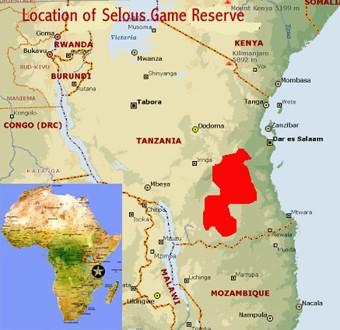
The Selous ecosystem lies in southern Tanzania and covers a large area of woodland, river systems, floodplains, and open bush country stretching far beyond what most hunters expect when they first look at a map of East Africa. Hunting takes place within remote concessions bordering the Rufiji River system, one of the largest river networks in the region and a major reason wildlife remains so concentrated throughout parts of the ecosystem.
Unlike the more open terrain found in northern Tanzania, Selous is heavily shaped by thick miombo woodland and riverine vegetation. Visibility changes constantly. One section of country may allow hunters to see several hundred yards through lightly spaced trees, while the next may close down into thick cover where buffalo can disappear almost immediately after being spotted.
In more open country, hunters often spend long periods glassing from distance before beginning a stalk. In Selous, much of the hunting revolves around tracking. Fresh spoor along sandy roads, dry riverbeds, and river crossings often determines how the day unfolds. Once good tracks are found, the vehicles are usually left behind and the hunt continues on foot.
The Rufiji River system creates a different environment from other African hunting areas. Crocodile and hippo hunts are closely tied to the river itself, while buffalo, waterbuck, and other plains game regularly move between thick cover and the surrounding floodplains. During the dry season, these water sources become even more important as animals begin concentrating around permanent water.
The sheer scale of the Selous ecosystem is another part of what makes the area feel different. Hunters can spend an entire day tracking through heavy bush without crossing fences, seeing roads, or encountering other hunting parties. In many concessions, camp itself may only be reached by charter flight into remote bush airstrips followed by several hours of driving deeper into the hunting area.
For hunters planning a Tanzania hunting safari, Selous offers a style of hunting that feels less structured and more dependent on reading tracks, understanding terrain, and adapting to changing conditions throughout the day. That combination of scale, remoteness, and free-range hunting is one of the main reasons the region continues to hold such a strong reputation among experienced dangerous game hunters.
Terrain and Hunting Conditions in Selous
Terrain shapes nearly every part of a Selous safari, from how tracks are followed to the distance at which animals are usually encountered. Hunters coming to southern Tanzania for the first time are often surprised by how varied the country can be within a single concession. One area may consist of open floodplain and scattered palms along the river system, while another may turn into thick miombo woodland where visibility closes down quickly and movement slows considerably.
Many of the Cape buffalo hunts take place in thick brush and riverine areas where tracking conditions change throughout the day. Early mornings are often the best time to read spoor, especially along sandy roads, dry riverbeds, and soft ground near water. Fresh tracks usually stand out clearly before wind, heat, and other game movement begin breaking them down later in the morning.
Once trackers settle onto good spoor, the pace of the hunt changes. Vehicles are left behind and the day often becomes a long stretch of walking through thick bush, stopping regularly to study tracks, listen for movement ahead, or check the wind before moving forward again.
In parts of Selous, thick thorn and riverine vegetation can reduce visibility to well under fifty yards. Shot opportunities can come quickly and disappear just as fast, particularly when tracking buffalo through heavier cover. In more open sections of woodland or floodplain, hunters may have more time to set up on shooting sticks, but conditions still tend to favor shorter shooting distances compared to some other African hunting areas.
Sandy river systems are easier to track and quieter to walk, while black cotton soil can become heavy and difficult underfoot, especially after moisture or late-season weather. During the hotter months, heat and humidity add another layer to the hunt, particularly during long tracking sessions where hunters may spend hours moving slowly through thick bush with little shade.
The dry season usually produces the best tracking conditions in Selous. As water sources begin shrinking, buffalo, dangerous game, and plains game concentrate more consistently around permanent water and river systems. Vegetation also begins thinning later in the season, making it easier to follow movement through sections of woodland that can become extremely dense earlier in the year.
The physical pace of a Selous safari can change quickly from one day to the next. Some hunts may involve only a few miles on foot, while others turn into long tracking sessions through uneven ground, thorn, heat, and thick cover before a shooting opportunity finally develops. Tsetse flies are also common in parts of the ecosystem and can become frustrating during long days in the bush, particularly near thicker riverine areas and woodland. Most experienced hunters accept them as part of hunting this kind of country. As many professional hunters will say, where you find tsetse flies, you will often find buffalo as well.
Conditions in Selous can change quickly from one section of country to the next, which is part of what keeps the hunting here feeling raw and unscripted.
Buffalo Hunting in Selous
Buffalo are one of the main species that draw hunters into the Selous ecosystem. The combination of huge unfenced concessions, thick woodland, river systems, and traditional tracking creates conditions that suit Cape buffalo hunting in Tanzania particularly well.
Buffalo in Selous spend much of their time moving between heavier cover and water, especially during the dry season when permanent river systems become increasingly important. Fresh spoor is often picked up early in the morning along sandy roads, floodplain edges, or crossing points near the Rufiji system before trackers begin working the trail on foot.
Unlike buffalo hunting in more open country, visibility in Selous can change quickly. In thicker miombo woodland and riverine cover, hunters may only catch brief glimpses of movement ahead before the herd disappears back into cover. Wind direction is critical in these conditions, particularly once the distance begins closing inside thicker bush.
Hunts may involve many hours on foot behind trackers, moving slowly and stopping regularly to study tracks, listen for movement, or check openings ahead through the trees. In some areas, buffalo may feed quietly in dense cover for long periods before becoming aware of the hunting party. In others, the herd may continue moving steadily through woodland, forcing hunters to stay on tracks for most of the day.
Older bulls are often found away from larger herds, particularly near thicker riverine areas or isolated water sources later in the season. These bulls can be difficult to approach in dense cover where visibility is limited and shot opportunities may develop very quickly.
Shot distances in Selous are often shorter than many first-time hunters expect. Thick vegetation, tangled thorn, and uneven ground can limit visibility significantly, especially once hunters leave the roads and begin tracking through heavier cover. Quick shooting setups, familiarity with sticks, and understanding buffalo shot placement are important in this kind of country where opportunities may only last a few seconds.
Part of what continues to make buffalo hunting in Selous so respected is that the hunt rarely feels predictable. The scale of the concessions, the amount of terrain covered on foot, and the way buffalo use woodland and river systems all contribute to a style of hunting that still feels closely tied to traditional East African safari hunting.
Lion, Leopard, and River Hunting in Selous
While buffalo remain one of the best-known dangerous game species in the region, the Selous ecosystem is also well known for its strong populations of lion, leopard, crocodile, and hippo. The combination of river systems, floodplains, woodland, and thick cover creates ideal habitat for predators as well as the large numbers of plains game and buffalo they depend on.
Many of the lion hunts and leopard hunts in southern Tanzania revolve around understanding how these animals move through the terrain and use cover throughout the ecosystem. Thick riverine vegetation, woodland edges, game trails, and dry river systems all play a role in how hunting areas are set up and worked during the season.
Leopard country in Selous can feel particularly dense in some areas. Thick cover near river systems and woodland edges limits visibility, especially during the last light of the day when activity around bait sites may increase. Wind direction, scent movement, and visibility all become important factors in this kind of terrain.
Lions move across the large concessions following buffalo and plains game movement between water and feeding areas. During the dry season, activity around river systems and permanent water often increases as animals begin concentrating more heavily around remaining water sources.
The Rufiji River system also creates excellent habitat for hippo and crocodile hunting. Large sandbanks, slower-moving channels, and muddy river edges provide ideal conditions for both species, particularly later in the dry season when water levels begin dropping and more river structure becomes exposed.
Although Selous is best known internationally for dangerous game hunting, the ecosystem also supports a wide variety of plains game species adapted to the woodland, floodplain, and river systems found across southern Tanzania. Depending on the concession and quota availability, hunters may encounter sable, roan, Lichtenstein hartebeest, Livingstone eland, puku, waterbuck, and other East African plains game species moving through the same areas as buffalo and predators. In some concessions, highly regulated elephant hunting in Tanzania also remains part of traditional dangerous game safaris conducted across large unfenced wilderness areas.
One of the reasons Selous remains so respected among dangerous game hunters is the variety of hunting conditions found within a single ecosystem. A hunter may spend one day tracking buffalo through miombo woodland, another working river systems for crocodile, and the next sitting quietly over thick riverine country waiting for the last movement of light around a leopard bait.
Rifles and Shooting Conditions in Selous
Rifle setups that work well in open country are not always ideal for Selous conditions. Hunting often takes place in thick woodland, riverine cover, and uneven terrain where visibility can close down quickly and shot opportunities may develop with very little warning.
In heavier miombo woodland, hunters are often shooting at much shorter distances than they initially expect. One moment the bush may feel completely closed off, and the next there may be a brief opening through the trees before buffalo disappear back into cover. In these situations, rifles that handle quickly and come naturally onto target tend to be more practical than heavy long-range setups.
Some dangerous game hunters still prefer traditional rifle setups in this kind of country. Double rifles and large-caliber bolt guns with low-power optics or open sights remain popular choices, particularly when tracking buffalo through thick cover. The emphasis in Selous is often less about long-distance shooting and more about quick target acquisition, steady handling, and confidence under pressure.
Heavy stopping rifles are only useful if the hunter is comfortable carrying and shooting them well. Rifles that feel manageable off sticks and can be brought onto target smoothly after long periods of walking are usually more effective than oversized setups that become difficult to handle in thick bush.
Low magnification optics are commonly preferred for these conditions. In poor light beneath woodland cover or inside dense riverine vegetation, visibility may change within a few yards. Hunters may only have a few seconds to identify an opening and take a shot before buffalo disappear back into cover.
The terrain also affects how rifles are carried and used throughout the day. Dust, humidity, sweat, thorn, and rough handling are all part of hunting in southern Tanzania, particularly once the hunting party leaves the vehicle behind and begins tracking on foot.
Shooting opportunities in Selous are often shaped by vegetation rather than distance. Hunters may need to shoot through narrow openings in thick cover or react quickly when buffalo briefly step clear. In this kind of country, familiarity with shooting sticks and confidence shooting from standing positions usually becomes more valuable than bench-style accuracy at extended range.
What Hunters Often Underestimate About Selous
One of the biggest surprises for first-time hunters in Selous is how physical the hunting can become once good tracks are found. A day may begin slowly from the vehicle while trackers search roads and river crossings for fresh spoor, but once buffalo or other dangerous game are located, the pace of the safari can change quickly.
Long tracking sessions through thorn, uneven ground, river sand, and thick woodland are common in many concessions. Heat and humidity also tend to affect hunters differently in southern Tanzania than they initially expect, particularly later in the season when temperatures begin climbing and long hours on foot become more demanding.
Visibility is another adjustment. In thicker woodland and riverine areas, hunters are not always watching animals from long distance. Encounters can happen suddenly and at much closer range, especially when following buffalo through heavy cover or moving carefully around dense river systems.
There may be long periods spent tracking without seeing much game at all before conditions suddenly change and everything starts happening quickly. Patience becomes an important part of the experience, particularly during dangerous game hunts where opportunities are often shaped by wind, terrain, and how animals move through cover.
Remote camps are another part of what makes Selous feel different from many other hunting destinations. Hunters may spend days without seeing another vehicle, fence, lodge, or nearby settlement. Charter flights into bush airstrips, long drives into camp, and the feeling of being deep inside a large wilderness area remain part of the attraction for hunters looking for a more traditional East African safari experience.
Tsetse flies are also common throughout parts of the ecosystem and are simply part of hunting this kind of country. Most hunters stop noticing them after the first few days in the bush. As many professional hunters in Tanzania will say, thick tsetse country and buffalo country often go together.
Best Time to Hunt Selous
The hunting season in Selous is shaped largely by rainfall, river levels, vegetation density, and how wildlife moves in response to changing water availability throughout the ecosystem. Conditions can feel different between the early and later parts of the season, particularly once the bush begins drying out and animals start concentrating more consistently around permanent water.
Earlier in the season, the woodland is often thicker and greener after the rains, which can make visibility more difficult in some areas. Buffalo may remain spread across larger sections of country where water and grazing are still widely available. Tracking conditions also change quickly depending on moisture levels and overnight weather.
As the dry season progresses, hunters feel conditions become more favorable for tracking dangerous game. Vegetation begins thinning, river systems become increasingly important, and buffalo movement around water sources becomes easier to predict in some concessions. Dry sand along roads, river crossings, and floodplain edges also tends to hold spoor more clearly during cooler morning hours before wind and heat begin affecting the tracks later in the day.
River conditions later in the season can also improve opportunities for crocodile and hippo hunting as water levels begin dropping and more sandbanks and exposed river edges appear throughout sections of the Rufiji system.
By the hotter months later in the season, hunting conditions can become physically demanding, particularly during long tracking sessions through thick woodland and riverine country. Early mornings are often the most productive time for following fresh tracks before temperatures begin rising later in the day.
The best time to hunt Selous often depends less on a specific calendar month and more on the style of safari a hunter prefers, the species being targeted, and the type of conditions they are most comfortable hunting in.
Why Selous Still Matters
Selous remains one of the few places in Africa where dangerous game hunting still feels closely tied to a traditional East African safari. The scale of the concessions, the amount of country covered on foot, and the reliance on tracking through woodland and river systems creates a very different experience from many modern hunting destinations.
This is not a safari built around convenience or guaranteed opportunities within the first few hours of leaving camp. Hunting in Selous often means long days following tracks through thick miombo, adjusting constantly to wind and visibility, and staying mentally sharp even after hours in heavy heat and rough country. For many hunters, that challenge is exactly what continues to make the area so respected.
Whether the focus is Cape buffalo hunting in Tanzania, tracking predators through riverine cover, or experiencing one of the last large free-range hunting ecosystems left in East Africa, Selous continues to offer a style of safari that is becoming increasingly difficult to find elsewhere on the continent.
Frequently Asked Questions About Hunting in Selous
Is hunting in Selous physically demanding?
Hunting in Selous can be far more physical than many first-time African hunters expect. Once fresh tracks are found, long tracking sessions through thorn, river sand, thick woodland, and uneven ground are common. Heat, humidity, and close-range tracking through dense cover all add to the pace of the safari, particularly during dangerous game hunts later in the dry season.
Why is Selous considered one of the best buffalo hunting areas in Tanzania?
The Selous ecosystem combines huge unfenced concessions, strong buffalo populations, permanent river systems, and thick miombo woodland that naturally favors traditional tracking safaris. Many hunts involve following fresh spoor on foot for long distances through heavy cover, which is one of the reasons Cape buffalo hunting in Tanzania remains so respected among dangerous game hunters.
Are Selous hunting areas fenced?
Most hunting concessions within the Selous ecosystem are large free-range wilderness areas without high fencing. Wildlife moves naturally through woodland, floodplains, river systems, and surrounding habitat across enormous sections of country, which is a major part of what gives hunting in Selous its traditional East African safari character.
What rifles work best for hunting in Selous?
Many hunters prefer practical dangerous game rifle setups suited to shorter shooting distances and thick cover. Large-caliber bolt rifles, double rifles, low-power optics, and open sights are all commonly used in Selous conditions where visibility may change quickly and shooting opportunities often happen at close range.
What plains game species can be hunted in Selous?
Depending on the concession and available quota, Selous supports a wide variety of plains game species including sable, roan, puku, waterbuck, Lichtenstein hartebeest, Livingstone eland, and other East African plains game animals adapted to woodland and floodplain environments.
Are tsetse flies a problem in Selous?
Tsetse flies are common in parts of the Selous ecosystem, particularly near thicker woodland and riverine areas. While they can become frustrating during long days on foot, most experienced hunters accept them as part of hunting this kind of country. As many professional hunters in Tanzania will say, where there are tsetse flies, there are often buffalo as well.
About the Author
Pierre van Wyk is the co-founder of Game Hunting Safaris and has spent years working closely with professional hunters, outfitters, and dangerous game operators across southern Africa. Having hunted extensively in remote wilderness areas throughout the region, his focus remains on helping international hunters find safaris that genuinely match their expectations, hunting style, and experience level.
Rather than simply selling hunts, Pierre works directly with clients to help them understand the realities of different concessions, terrain, species availability, and safari conditions before making a booking decision. From dangerous game hunting in Tanzania and Mozambique to buffalo and plains game safaris across southern Africa, his approach is built around honest advice, practical experience, and long-term relationships within the hunting industry.