
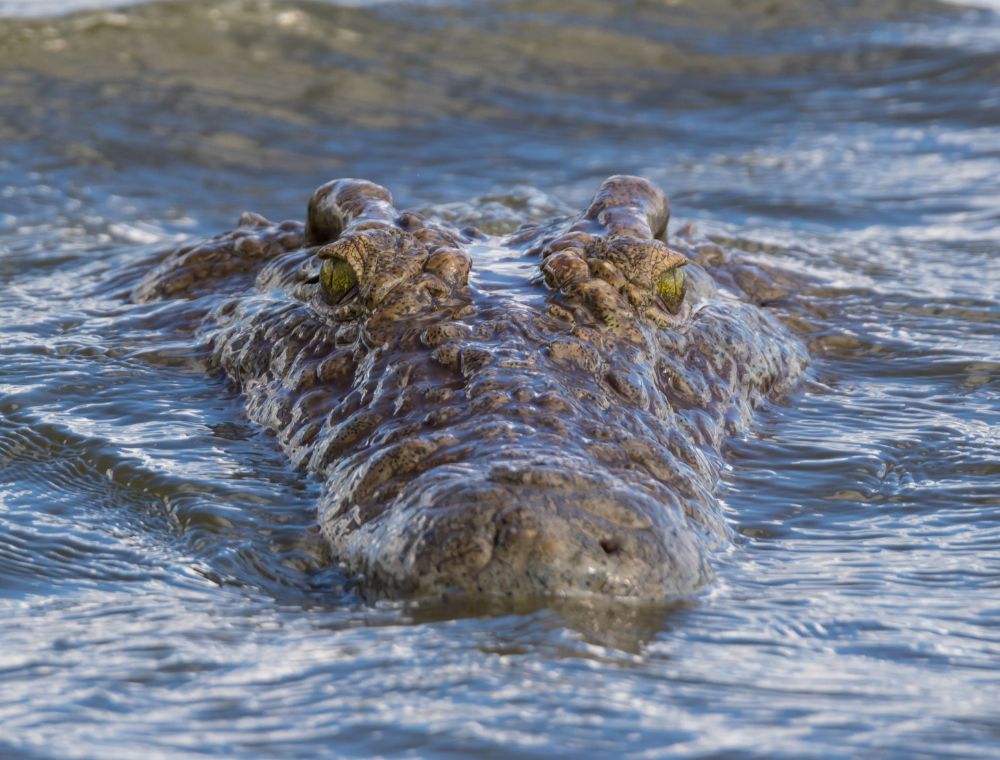
Zimbabwe's reputation as one of Africa's premier crocodile hunting destinations was never built on crocodiles alone. It was earned on legendary waterways where mature Nile crocodiles have been hunted for generations. From the expansive shorelines of Lake Kariba to the mighty Zambezi River and other productive river systems, the country's waters continue to provide the habitat, hunting conditions and hunting tradition that have earned Zimbabwe its reputation.
Planning a safari Crocodile Hunting in Zimbabwe means understanding that no two hunts are exactly alike. Some take place from small boats quietly working long stretches of shoreline, glassing sandbanks and secluded bays for mature crocodiles basking in the sun. Others unfold along winding river systems where patience, careful observation and understanding how crocodiles use the water become the keys to success. The water determines how the hunt is conducted.
Success is rarely measured by the distance walked or the number of crocodiles seen during the day. Instead, it comes from understanding changing water levels, reading the light and wind, recognising productive basking areas and waiting for a mature crocodile to expose itself for only a brief opportunity. Every river, lake and shoreline presents its own challenges, requiring hunters and Professional Hunters to adapt rather than rely on a single approach.
Understanding why Zimbabwe earned its reputation helps explain why hunters continue to regard it as one of Africa's outstanding Big Game Hu
nting destinations. Before choosing a hunting area or deciding how to approach the safari, it is worth understanding what has made Zimbabwe's rivers and lakes synonymous with exceptional crocodile hunting for decades.
[DYNAMIC-BLOGTABLEOFCONTENT]
Different Waters, Different Hunts
Zimbabwe's reputation for crocodile hunting was built across a remarkable variety of waterways, each requiring its own approach. The broad shorelines of Lake Kariba create a very different hunt from the flowing channels of the Zambezi River, while other productive river systems present their own conditions, water levels and crocodile behaviour. Understanding the water is often the first step towards understanding the hunt.
On Lake Kariba, hunting teams may spend hours quietly working the shoreline from small boats, carefully glassing secluded bays, exposed sandbanks and shallow inlets where mature Nile crocodiles emerge to bask. A crocodile that appears relaxed in the morning sun may disappear beneath the surface within seconds, leaving little more than ripples behind. Opportunities often develop slowly and disappear just as quickly.
Hunting flowing rivers presents a different challenge. Changing currents, shifting sandbanks and fluctuating water levels all influence where crocodiles feed, bask and enter the water. The hunting team must constantly adapt, reading the conditions rather than relying on yesterday's observations. A productive stretch of river one morning may offer very different opportunities only a day later.
This diversity of waterways is one of the reasons Zimbabwe continues to stand apart as a crocodile hunting destination. Success depends less on following a single method and more on understanding the character of each river, lake or shoreline. Ultimately, the water determines how the hunt unfolds, rewarding patience, careful observation and the ability to adapt to changing conditions.
Reading Water Instead of Following Tracks
A buffalo leaves spoor. An elephant leaves spoor. Even a leopard leave signs that allow a hunting team to understand where they have travelled. A Nile crocodile leaves very little behind. The only sign may be the marks where it climbed onto a sandbank to bask or quietly slipped back into the water. Once beneath the surface, those clues disappear.
Successful crocodile hunting depends on reading the water rather than following tracks. A quiet bay, an exposed shoreline, fresh slide marks on the bank or the way the morning sun reaches a particular sandbank may reveal more than footprints ever could. Every observation helps build a picture of how crocodiles are using that section of river or lake.
Patience becomes a different skill during a crocodile hunt. Rather than walking mile after mile, the hunting team may spend long periods behind binoculars, studying the opposite bank or waiting for a crocodile to expose just enough of itself to confirm its size. The challenge is not simply locating a crocodile. It is recognising the moment when conditions, distance and the animal all come together.
The longer a crocodile has survived, the fewer mistakes it tends to make. Mature Nile crocodiles often disappear beneath the surface long before a hunter reaches shooting distance, forcing the hunting team to begin reading the water all over again. Every successful Zimbabwe crocodile safari is built on that patience and willingness to start again.
More Than One Way to Hunt a Zimbabwe Crocodile
One of the misconceptions surrounding crocodile hunting is that every safari follows the same pattern. The hunting method is often determined by the water itself. A productive stretch of the Zambezi River demands a different approach from the open shorelines of Lake Kariba, while smaller river systems may present entirely different opportunities again.
On some safaris, the hunting team spends hours quietly working the shoreline from a small boat, glassing distant sandbanks and secluded bays where mature crocodiles climb out to bask. Every bend in the shoreline offers another possibility, but it also requires patience. A crocodile that appears settled can disappear beneath the surface long before the hunter is in position.
In other areas, carefully positioned bait may become the most effective way of hunting an old crocodile that rarely exposes itself naturally. Even then, success is never guaranteed. Wind, changing water levels and the behaviour of the crocodile continue to influence every decision, often requiring several days of patience before the right opportunity develops.
The best crocodile safaris come from understanding the waterway, adapting to the conditions and choosing the approach that best suits the river or lake being hunted. That flexibility has become part of Zimbabwe's long-standing reputation as one of Africa's premier crocodile hunting destinations.
Choosing the Right Crocodile
Every hunter arrives in Zimbabwe with a different picture of the trophy they hope to take home. Some dream of a huge Nile crocodile that will become a full life-size mount, while others place greater value on preserving exceptional leather for furniture, luggage or other handcrafted pieces. Understanding those priorities before the hunt begins helps guide the decisions made in the field.
Length is only one part of the equation. An old crocodile may carry the scars of decades spent defending its territory, while another of similar size may have cleaner scales better suited to leather. Neither is necessarily a better trophy. The right crocodile is the one that best matches the hunter's objectives and the safari they set out to enjoy.
Evaluating a crocodile involves far more than overall length. Age, body condition, proportions and the position of the crocodile all influence whether it represents the right opportunity. Patience often means letting one crocodile slide quietly back into the water while continuing the search for another that better matches the hunter's expectations.
Good crocodile hunting is rarely about taking the first opportunity that presents itself. It is about recognising the right opportunity when it finally arrives. That approach has become part of Zimbabwe's long-standing reputation for producing memorable crocodile safaris.

The Right Opportunity Matters
Zimbabwe's productive rivers and lakes can offer multiple opportunities during a crocodile safari, which gives the hunting team time to evaluate both the animal and the situation before deciding. Unless an exceptional crocodile presents itself with all the right conditions from the outset, there is usually good reason to study what is in front of you before committing to the shot.
The crocodile is only part of the decision. Size, maturity, body condition and trophy objectives matter, but so does where the animal is lying. Distance, shooting angle, surrounding vegetation and the depth of the water beside the bank can all determine whether an otherwise impressive crocodile represents a good opportunity.
Recovery deserves consideration. A large crocodile lying beside the deep water of Lake Kariba presents a very different situation from one basking beside a shallow river channel or exposed sandbank. Once a crocodile reaches deep water, recovering it can become considerably more difficult, making the position of the animal an important part of deciding whether to take the shot.
Zimbabwe's healthy crocodile populations allow hunting teams to be selective. Passing one animal does not necessarily mean losing the safari. Sometimes the better decision is simply to keep looking until the crocodile, the presentation and the chances of a clean recovery all come together.
Zimbabwe's Rivers Tell a Bigger Story
Zimbabwe's rivers and lakes have always supported far more than Nile crocodiles. A day spent quietly watching a riverbank often reveals an entire ecosystem at work. Elephants arrive to drink before disappearing into the bush, buffalo move cautiously along well-used crossings and hippos surface throughout the day before returning to deeper water. The crocodile may be the reason for the safari, but it is only one part of a much larger wilderness.
The crocodile is only part of the story. Zimbabwe's rivers also support some of Africa's finest Hippo Hunts, while old buffalo bulls are still pursued along many of the same waterways during traditional Buffalo Hunts.
In several concessions, crocodiles form part of wider Dangerous Game Hunts, where every day on the river offers the chance to encounter some of Africa's most iconic wildlife.
The rivers themselves become familiar as the safari unfolds. Hunters begin recognising productive bends, well-used crossings, shallow sandbanks and quiet backwaters where wildlife regularly gathers. Over several days, those individual locations stop feeling like points on a map and become places with their own character, shaped by changing water levels, weather and the constant movement of animals.
That connection to the landscape is one of the reasons Hunting in Zimbabwe has earned such enduring respect. The crocodile may be the primary objective, but the country's rivers, lakes and wild places leave an equally lasting impression. Long after the trophy has been measured and packed, many hunters remember the mornings on the water, the wildlife encountered between opportunities and the feeling of spending time in one of Africa's great river systems.

Frequently Asked Questions
What is the best time of year to hunt crocodiles in Zimbabwe?
The dry season is generally considered the best time for crocodile hunting. Falling water levels expose more sandbanks, crocodiles spend more time basking and visibility along riverbanks and lake shorelines usually improves. Local conditions still vary between concessions, making it worthwhile to discuss timing before booking.
Can crocodile hunting be combined with other species?
Yes. Crocodile hunting is often combined with hippo because both species occupy the same rivers and lakes throughout Zimbabwe. Depending on the concession, buffalo, plains game and other dangerous game may also be available, allowing hunters to build a safari around the species they most want to pursue.
Our range of African Hunting Trips includes Zimbabwe safaris that combine crocodile hunting with other dangerous game and plains game, making it easier to compare hunting areas, safari durations and available species before booking.
Are all crocodile hunts conducted over bait?
No. Zimbabwe offers several different hunting styles depending on the concession and the water being hunted. Some safaris involve carefully positioned bait, while others rely on quietly working shorelines by boat or stalking productive riverbanks in search of mature crocodiles basking in the sun.
How big is a good crocodile trophy?
Every hunter has different objectives. Some are looking for exceptional length and an impressive full-body mount, while others place greater value on leather quality or taking an old, mature crocodile. The best trophy is one that matches the goals discussed before the safari begins.
Why do Professional Hunters sometimes pass on a crocodile?
The first crocodile seen is not always the right opportunity. Trophy quality, the crocodile's position, shooting angle, surrounding terrain and the likelihood of a successful recovery are all considered before deciding whether to take the shot.
Is Lake Kariba better than hunting a river system?
Not necessarily. Lake Kariba, the Zambezi River and other productive waterways each offer different hunting conditions and challenges. The best choice depends on the type of safari, local conditions and the concession being hunted rather than one waterway always being better than another.
How many days should I allow for a crocodile safari?
Safari length depends on the hunting area, the method being used and whether crocodile hunting is being combined with other species such as hippo or buffalo. Allowing a few extra days often gives the hunting team greater flexibility to evaluate mature crocodiles and wait for the right opportunity rather than feeling pressured to rush a decision.
Longer safaris naturally increase the overall cost, so it is worth understanding how daily rates, trophy fees and other safari expenses contribute to your budget before booking. Our guide to African Hunting Safari Prices explains how these costs work together and what hunters should expect when planning a safari.