
Updated: June 2026
When it comes to leopard shot placement, few aspects are more important during dangerous game hunting in Africa. Leopards are fast, elusive, and exceptionally dangerous when wounded, making accurate shooting one of the most critical factors during any successful safari. Unlike plains game species, leopard hunting often presents hunters with difficult shooting angles, low-light conditions, and split-second opportunities near bait sites or thick cover.
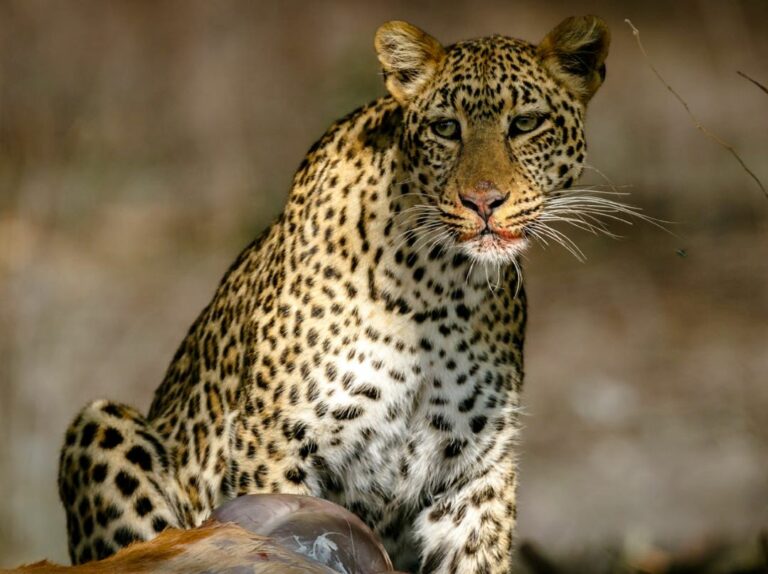
Many hunters planning African leopard hunts underestimate how quickly a seemingly perfect opportunity can change once a mature tom approaches cautiously or shifts position near the bait tree. Leopards frequently feed while sitting, quartering toward the hunter, or stretching upward into awkward body positions, all of which affect the location of the vital organs and the ideal aiming point.
For this reason, experienced Professional Hunters place enormous emphasis on preparation, patience, and understanding realistic shot scenarios before the hunt even begins. Proper rifle setup, premium expanding ammunition, calm decision-making, and knowledge of leopard anatomy all contribute toward safer and more ethical dangerous game hunts in Africa.
[DYNAMIC-BLOGTABLEOFCONTENT]
Key Takeaways
Leopard Shot Placement: Accurate shot placement is critical during leopard hunting safaris due to the animal’s speed, aggression, and ability to disappear quickly into thick cover when wounded. Understanding the positioning of the heart and lungs greatly improves the chances of a clean and ethical kill.
Dangerous Game Preparation: Successful dangerous game hunts require far more than simply arriving with the correct rifle. Hunters should practice shooting from seated positions, prepare for low-light conditions around bait sites, and become comfortable using larger calibers before arriving in Africa.
Professional Hunters and Trackers: Experienced Professional Hunters and local trackers play a major role in successful leopard safaris. Their ability to interpret spoor, assess bait activity, understand leopard behavior, and identify mature toms often determines the outcome of the hunt.
Leopard Hunting Conditions: Most leopard hunting opportunities occur near bait sites during early mornings, late afternoons, or after dark. Leopards frequently approach cautiously and may feed while sitting, quartering, or stretching upward, creating challenging shot angles for hunters.
Calibers and Equipment: Many hunters use a minimum caliber of .375 with premium expanding ammunition during African leopard hunts. Quality optics, reliable rifles, and proper bullet selection all contribute toward safer and more ethical hunting outcomes.
Patience and Discipline: Leopard hunting is often mentally demanding rather than physically exhausting. Hunters may spend days checking spoor, monitoring bait sites, and waiting silently in blinds before receiving a safe shot opportunity on a mature tom leopard.
Understanding Real Leopard Hunting Conditions
For many hunters, leopard safaris are very different from traditional plains game hunts. Success often depends less on physically pursuing the animal across long distances and more on patience, preparation, and understanding how leopards behave near bait sites and within their territory. Mature toms are exceptionally cautious predators that may approach bait silently, remain hidden for long periods, or disappear entirely after detecting unnatural movement, scent, or noise.
Professional Hunters therefore spend considerable time preparing hunting areas before active leopard hunting even begins. This may involve hanging bait, monitoring trail cameras, studying spoor movement, checking wind direction, and evaluating how competing predators such as hyenas or lions are influencing leopard activity in the area.
Unlike many other African species, leopard hunts frequently involve long periods of waiting followed by extremely brief shot opportunities under difficult lighting conditions. For this reason, calm decision-making, proper preparation, and confidence with your rifle setup become essential during successful leopard hunting safaris.
Preparing for a Leopard Shot Opportunity
Proper preparation plays a major role in successful African leopard hunts, particularly because shot opportunities are often brief and take place under difficult conditions. Unlike many plains game hunts, leopard safaris frequently involve low-light shooting near bait sites, awkward body positioning, and high-pressure situations where calm decision-making becomes critical.
Many rifles commonly used for Cape buffalo hunts and other dangerous game safaris are also well suited for leopard hunting when paired with premium expanding ammunition and quality low-light optics. Because leopards are relatively soft-skinned animals, proper bullet performance and accurate shot placement are far more important than excessive caliber size alone.
Professional Hunters play an essential role throughout the hunt by assessing shot angles, monitoring leopard behavior near bait sites, and advising hunters when a safe and ethical shooting opportunity presents itself. This guidance becomes particularly important when a leopard approaches cautiously, feeds from an awkward position, or remains partially obscured by branches and vegetation.
Unlike broadside plains game shots taken in open terrain, leopard hunting often requires hunters to shoot from seated positions inside blinds while aiming at animals positioned quartering toward the hunter, stretching upward into bait trees, or feeding at unusual angles. Practicing from realistic shooting positions before arriving in Africa can therefore make a significant difference during a dangerous game safari.
Accurate shooting not only improves the chances of a quick and ethical kill but also reduces the risk of tracking a wounded leopard through thick cover, a situation widely regarded as one of the more dangerous experiences in African hunting.
Leopard Hunting Conditions Across Africa
Leopard hunting conditions vary considerably across Africa, with each country presenting different terrain, vegetation density, hunting methods, and shot opportunities. Understanding how these environments influence leopard behavior can help hunters prepare more effectively for realistic shooting scenarios during dangerous game safaris.
Zimbabwe
Hunters interested in hunting in Zimbabwe often choose the country for its large free-range safari areas, thick bushveld, rugged escarpments, and strong reputation for leopard hunting opportunities.
Many leopard hunts in Zimbabwe involve bait-site hunting near dense cover where visibility may be limited during the final shooting opportunity. Leopards in these regions are often extremely cautious and may approach bait slowly while remaining partially concealed behind branches or vegetation.
Mozambique
Leopard hunting in Mozambique often takes place in dense coastal bush, thick riverine vegetation, and remote wilderness concessions where visibility can become extremely challenging. Hunters pursuing leopard in Mozambique must prepare for close-range shot opportunities and difficult follow-up conditions should a wounded leopard enter thick cover. Humidity, tall grass, and heavy vegetation can also affect tracking conditions and visibility near bait sites.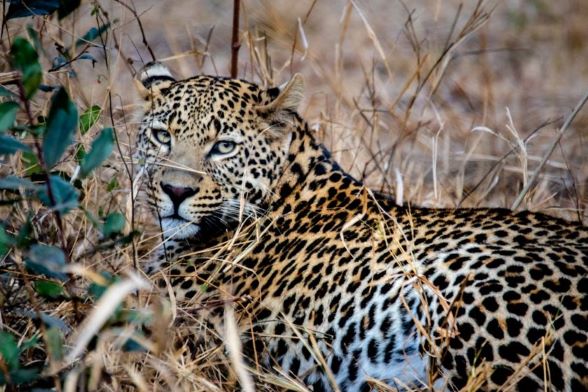
Zambia
Zambia offers highly traditional safari conditions with vast dangerous game areas, remote hunting concessions, and experienced local trackers capable of identifying fresh spoor over long distances. Leopard hunts in Zambia frequently require patience, extensive bait preparation, and careful monitoring of mature tom activity before a suitable shot opportunity develops. Hunters may spend several days checking bait sites and tracking movement patterns before encountering a mature leopard consistently feeding in daylight hours.
Tanzania
Tanzania is widely regarded for its classic East African safari environment and expansive hunting concessions that support mature leopard populations in truly wild conditions. Leopard hunting in Tanzania often involves large areas of thick cover, dry river systems, and substantial distances between active bait sites. Mature toms in these areas are notoriously cautious, making calm decision-making and accurate shot placement especially important once an opportunity finally presents itself.
South Africa
South Africa provides a different style of leopard hunting environment, often involving more managed safari areas and shorter-duration dangerous game hunts. Terrain can vary from bushveld and mountainous regions to semi-open plains, influencing both visibility and shooting distances. Leopard shot opportunities in South Africa may develop quickly, requiring hunters to remain prepared for fast shooting scenarios under fading light conditions near bait sites or travel routes.
Common Leopard Shot Angles and Opportunities
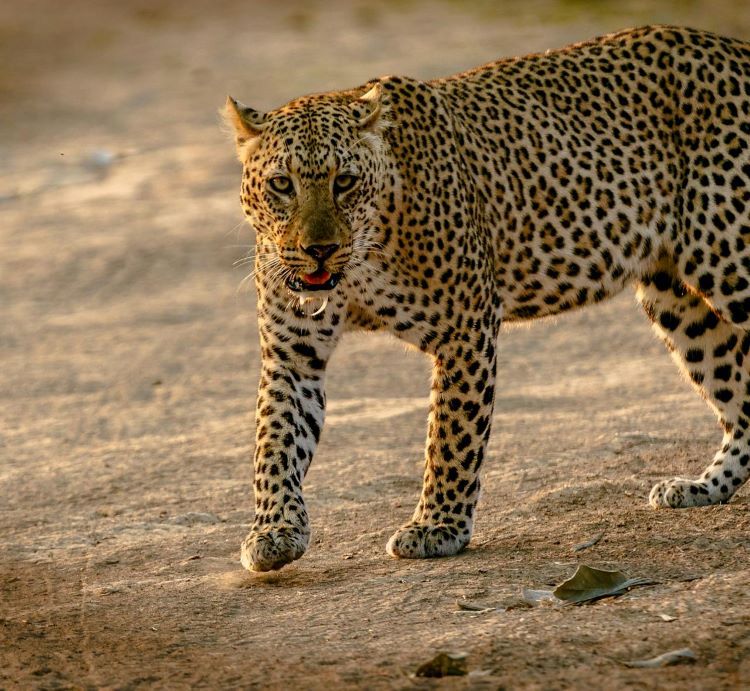
Unlike many plains game hunts where animals are often standing broadside in open terrain, leopard hunting regularly presents hunters with awkward shooting angles under difficult conditions. Mature toms approaching bait sites may stop briefly, sit beneath the bait tree, stretch upward while feeding, or remain partially concealed behind branches and vegetation. Because these opportunities can disappear within seconds, hunters must remain calm and avoid rushing the shot.
Broadside Opportunities
Broadside shots remain the preferred shooting angle during most leopard safaris because they provide the clearest access to the heart and lungs while reducing the risk of poor bullet placement. However, even broadside opportunities can become complicated when a leopard is feeding from a bait tree or standing in uneven terrain under fading light conditions. Hunters should wait for the leopard to settle before taking the shot whenever possible.
Quartering Leopards
Quartering shots may occasionally present themselves when a leopard approaches bait cautiously or shifts position while feeding. In these situations, bullet penetration and shot angle become extremely important, particularly when heavy shoulder muscle or bone partially protects the vital organs. Experienced Professional Hunters will often advise hunters whether the angle offers an ethical opportunity or whether patience is the safer option.
Frontal Shot Opportunities
Frontal shots on leopard are generally considered higher-risk opportunities and require careful judgment from both the hunter and Professional Hunter. Because leopards are compact, fast-moving animals that may remain partially obscured by vegetation, frontal shots should only be considered under the correct conditions with a clear and stable sight picture. Rushed frontal shots can increase the likelihood of a wounded leopard entering thick cover.
Bait Tree and Elevated Shot Angles
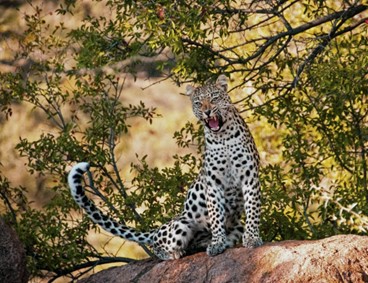
One of the more unique aspects of African leopard hunts involves shooting at leopards positioned near or directly beneath bait trees. Leopards may sit while feeding, stand upright against the tree, or angle their bodies upward toward the bait, all of which alter the positioning of the vital organs compared to traditional plains game shots. These elevated or awkward feeding positions are one of the primary reasons experienced leopard hunters spend significant time practicing from seated positions and preparing for realistic bait-site shooting scenarios before arriving in Africa.
What Happens After the Shot
Leopard reactions after the shot can vary dramatically depending on shot placement, bullet performance, and the animal’s position at the moment of impact. Some leopards may collapse immediately near the bait site, while others can disappear silently into thick cover within seconds, even after appearing to be solidly hit.
Unlike many plains game species, wounded leopards are widely regarded as one of the more dangerous follow-up animals in Africa. A wounded leopard may remain hidden in dense vegetation before charging aggressively at close range when approached by hunters and trackers. For this reason, Professional Hunters will often wait and carefully assess the situation before beginning any follow-up spoor tracking.
Experienced leopard hunters understand that patience after the shot is often just as important as patience before it. Rushing blindly into thick cover immediately after firing can create extremely dangerous situations for both hunters and trackers. Professional Hunters therefore rely heavily on spoor interpretation, blood sign, vocalization, and the leopard’s last known direction of movement before advancing carefully.
Even when the shot appears successful, hunters must remain alert and disciplined until the leopard is recovered and confirmed dead. This is one of the many reasons leopard hunting continues to be regarded as one of Africa’s ultimate dangerous game hunting experiences.
Conclusion
Successful leopard hunting requires far more than simply pulling the trigger. From understanding realistic shot angles and low-light bait-site conditions to preparing for the dangers of following a wounded cat through thick cover, every aspect of the hunt demands patience, discipline, and respect for the animal. Proper preparation, ethical decision-making, and guidance from experienced Professional Hunters all contribute toward safer and more successful dangerous game hunts in Africa.
Hunters wanting to improve their understanding of fieldcraft, baiting strategies, and realistic safari preparation should also explore our guide to professional leopard hunting safaris and learn more about tracking leopard in Zimbabwe during free-range African hunting safaris.
Author
Pierre van Wyk is the co-founder of Game Hunting Safaris and has extensive experience hunting dangerous game and plains game across multiple African countries. Having spent years working alongside Professional Hunters, trackers, and safari operators throughout Africa, Pierre focuses on ethical hunting practices, realistic safari preparation, and conservation-based hunting experiences.