
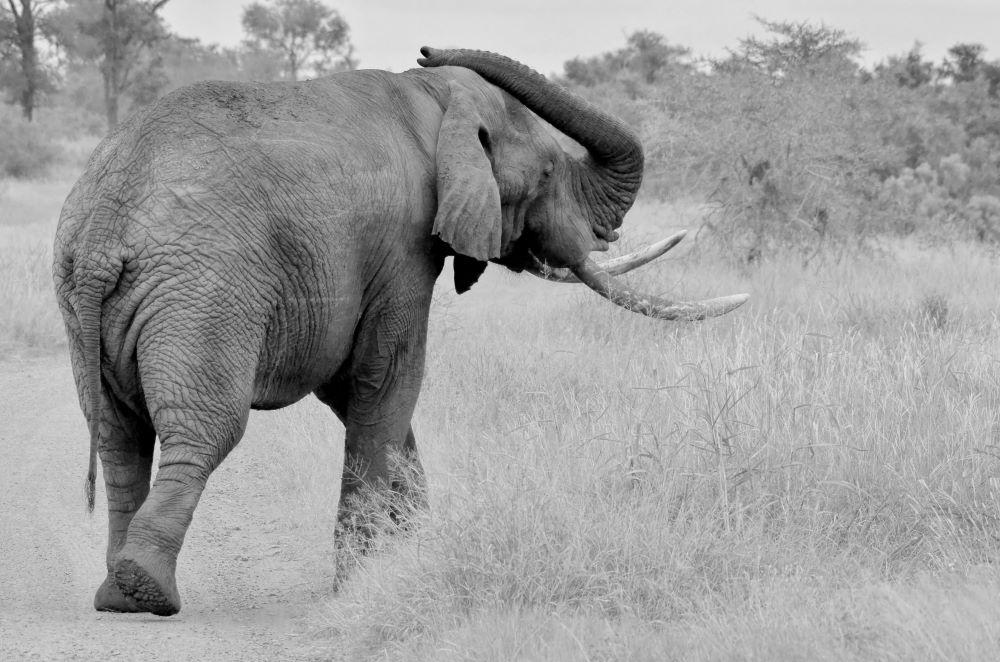
Preparing for an authentic dangerous game hunting safari requires far more than simply arriving in Africa with the correct rifle and equipment. When it comes to elephant hunting in Zimbabwe, hunters must be physically prepared, mentally focused, and ready to deal with the unpredictable challenges that accompany tracking the world’s largest land animal through thick African bushveld.
Zimbabwe remains one of Africa’s premier destinations for African elephant hunts, attracting international hunters wanting to experience true free-range dangerous game hunting. From understanding elephant behavior and preparing for long days on foot to selecting the correct rifle calibers and mastering shot placement, proper preparation can make all the difference between an average safari and an unforgettable hunting experience.
In this guide, we explore practical elephant hunting tips, field techniques, preparation advice, and important considerations that hunters should understand before embarking on a Zimbabwe elephant hunting safari.
[DYNAMIC-BLOGTABLEOFCONTENT]
Key Takeaways
- Zimbabwe remains a sought-after dangerous game hunting destination for many species, including elephants.
- While elephants are often targeted for sports, there are still thousands of elephants that are poached throughout the African continent.
- Proper preparation when hunting elephants is essential. From the correct gear to physical fitness, ensure that you are 100% ready for the dangerous game hunting adventure heading your way.
- Hunting this mammoth mammal is one of the most exciting and challenging hunts available. Enjoy every second, but never let your guard down.
Zimbabwe As a Hunting Destination
- Zimbabwe is a wildlife destination teeming with abundant wildlife species and is seen as an exciting and popular destination for African hunting safaris.
- It is home to four of the African Big 5 (lion, rhino, elephant, and Cape buffalo) as well as the additional two members of the Dangerous 7, namely the Nile crocodile and hippo.
- This safari destination is renowned for its exceptional elephant trophies, and with more than 100,000 elephants in Zimbabwe, the odds of a successful dangerous game hunting safari are on your side.
- Zimbabwe’s hunting season runs annually from February to November, with the best time to target these gigantic herbivores and other game being from July to November.
- If your schedule allows, discounted hunts are often advertised at the end of the season, but you must be prepared to travel at very short notice.

Why Target Elephants on an African Hunt?
The African Elephant (Loxodonta africana) is the largest terrestrial mammal on earth and remains one of Africa’s most respected dangerous game species. Historically, elephants were hunted for ivory, meat, and hide, while today regulated elephant hunting programs form part of broader wildlife management and conservation initiatives across several African countries. Unfortunately, illegal poaching for ivory still remains a major conservation challenge throughout parts of Africa.
For many international and American hunters, pursuing an Elephant on a traditional African safari represents the pinnacle of dangerous game hunting. Despite their calm appearance at times, elephants are exceptionally intelligent, highly aware of their surroundings, and can become extremely aggressive when threatened, wounded, or protecting members of the herd. A mature bull in thick bushveld demands patience, discipline, accurate shooting, and complete respect for the animal being hunted.
Unlike many other dangerous game species, elephant hunts often involve long tracking sessions on foot through remote wilderness areas, requiring hunters to remain physically prepared and mentally focused throughout the safari. Proper shot placement, communication with the professional hunter, and the ability to remain calm under pressure all play a critical role during these challenging hunts.
For experienced dangerous game hunters, few African hunting experiences rival the intensity, scale, and raw authenticity of tracking a mature Elephant bull in Zimbabwe’s wild and untamed hunting concessions.
Tips When Preparing for An Elephant Hunt
Any hunt takes a certain amount of preparation, whether you are hunting hippos in Namibia, impala in South Africa, or elephant in Zimbabwe. We have put together some tips for you to better prepare for a dangerous game hunting safari:
- Firstly, let’s just get this one out the way: Ensure your travel documentation, insurance, and safari preparations are fully in order before departing for Africa.
- Get those miles in! Elephant hunting in Zimbabwe often involves long tracking sessions on foot through thick bushveld and uneven terrain, making physical fitness an important part of safari preparation.
- Those boots were made for walking! And on that note, ensure that your boots (two pairs) are well worn in and comfortable, the last thing a person needs to be dealing with is blisters or uncomfortable shoes.
- Be prepared. Mental and emotional preparation for your African hunt is just as important as physical prep. Be sure to adequately tick the boxes on these two.
- Let’s talk critters. Africa is known for having their fair share of critters, including mosquitoes. Check with your outfitter whether you will be traveling to a malaria area in Zimbabwe. Pack mosquito repellent regardless.
- Do your homework. Choose an outfitter that has vast experience in dangerous game, as well as a PH that has many successful hunts under their belt. Choose carefully – dangerous game hunting is not a joke, and you need a professional team by your side.
- Speak to fellow hunters. Speak to hunters who have been on elephant hunting safaris to share their experiences with you and allow them to share tips and hints that they found worked for them.
- Shot Placement. When it comes to elephant hunting, ensure that you know your adversary inside and out and know the shot placement on the elephant. Read articles, watch videos, and get a feel for the exciting hunt that you are going to undertake! In fact, check out more about elephant shot placement on our site.
- Rifle or Bow. Once again, do your homework and see which would best suit you. It must be stressed that to target an elephant while bow hunting takes an exceptionally skilled hunter. Whether you use the faithful rifle that has seen you through many hunts and meets the requirements or whether you choose to spoil yourself and purchase a new one, the most important factors are that it meets the requirements for dangerous game hunting in Zimbabwe and that you are comfortable using it with precision.
- Practice makes perfect. Get some practice hunts in. Not only will this boost your confidence (and you can wear in your boots!), but you can also familiarize yourself with the weapon. Be sure to practice using shooting sticks, as you never know if this will be required on the hunt. Target practice at the shooting range is also a must.
- Clothes for the Safari. Many people, when they think of Africa, think of heat, and while this may be true, Africa can also get quite chilly, especially during the cooler winter months, depending on your hunting destination. Should you be heading out on the 4×4 vehicles before sunrise, it can be quite cold. Pack yourself a thick jacket, beanie, and sweater. Layering is best, and you can simply discard them as the sun rises and it grows warmer.
Elephant Hunting in Zimbabwe: The Hunt Itself
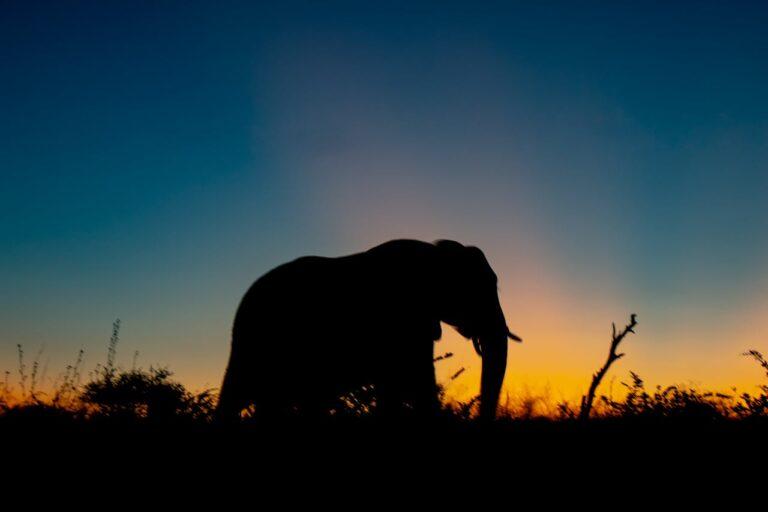
Few hunting experiences compare to the intensity and anticipation that accompanies the start of an Elephant hunt in Zimbabwe. Long before sunrise, hunters are already preparing gear, checking rifles, and discussing the day’s strategy with their professional hunter and tracking team. Once spoor is located, the real challenge begins — following fresh tracks through thick bushveld, reading wind direction, remaining undetected, and carefully closing the distance on one of Africa’s most intelligent and dangerous animals.
Unlike many other hunting safaris, Elephant hunting is often physically demanding and mentally exhausting. Hunters may spend hours tracking mature bulls across uneven terrain and in high temperatures before an opportunity presents itself. Patience, discipline, and teamwork between the hunter, PH, and trackers all play a critical role in the success of the safari.
Tips for a Successful Elephant Hunt
• Always listen carefully to your professional hunter. Experienced Zimbabwe PHs understand Elephant behavior, herd movement, wind conditions, and how to safely approach dangerous situations in the field.
• Remain patient throughout the hunt. Tracking mature Elephant bulls in free-range wilderness areas can take time, and successful opportunities rarely happen in a rushed environment.
• Never take a shot unless you are completely confident in your position and target. A wounded Elephant can quickly become extremely dangerous in thick bushveld conditions.
• Be prepared for immediate follow-up shots if required. Maintaining composure and reacting quickly after the initial shot is essential during dangerous game hunting situations.
• Trust the experience of the trackers and safari team around you. Elephant hunting in Zimbabwe is very much a team effort, with every member playing an important role during the safari.
Frequently Asked Questions
Can I use my Bow to hunt Elephants in Zimbabwe?
Yes, a bow may be used, but a special permit is required. Speak to your African outfitter for further information and assistance. The permit is issued by the Zimbabwe Parks and Wildlife Management Authority (ZPWMA) and should be applied for well in advance of the African hunt.
What Caliber Is Required for Elephant Hunts?
Dangerous game requires a minimum of a .375 caliber with a 300-grain bullet, with solid bullets to be used as this member of the Dangerous 7 has an extremely thick skull and vertebrae. Calibers 450 grain and up, such as a .416 Rigby, .458, or .458 Lott are highly recommended when targeting an elephant. Another option would be to utilize double rifles while on safari, with some options being 470NE, 500NE, and up.
Where are the Best Locations for Elephant Hunting in Zimbabwe?
Zimbabwe is home to more than 100,000 elephants, with 50,000 of these magnificent animals found in Hwange (Matetsi region) and the Zambezi Valley.
How are Elephants targeted on a hunt in Zimbabwe?
In Zimbabwe these hunts are conducted on foot, with the commencement of the hunt at the spot where the elephant spoor has been spotted. This is usually on a road, or even close to a water hole that they are known to frequent. With so many elephants in Zimbabwe, you will have the opportunity to engage in walk-and-stalk scenarios that are up close to the elephant herd.
Is the Elephant an endangered species?
Yes, elephants are seen as endangered. The International Union for the Conservation of Nature lists its status as endangered, and a CITES permit is required for this hunting safari.
How does Elephant Hunting in Zimbabwe help the Local Communities?
There are numerous ways that elephant hunting assists the communities, as well as conservation efforts. Firstly, game hunting in Zimbabwe not only employs local people in the form of skinners, trackers, and cleaners to name but a few. The meat from hunted animals is also distributed to local communities, providing an important source of protein and nutritional support in many rural areas where access to quality meat can be limited.In Africa, many of the rural communities are extremely impoverished, and meat is not something that they often consume. Lastly, funds from tags, and licenses are used to fund various conservation programs and initiatives across the country.
Are Elephants still Poached in Zimbabwe?
Yes, elephants are most definitely still poached throughout Africa, including Zimbabwe, and poaching is a challenge that authorities need to deal with. While conservation programs and initiatives aim to protect and nurture wildlife, poachers still target animals, including elephants, for their ivory, pelts, meat, and body parts. While exact figures are not available for Zimbabwe, the region continues to be targeted by poachers while authorities assist in every way possible to protect these mighty beasts.
Experiencing Africa at its Best during a free-range Elephant Hunt
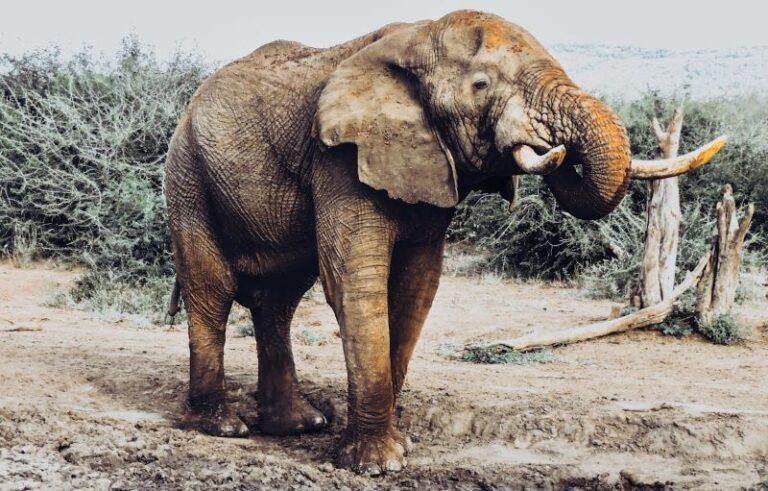
Few hunting experiences rival the intensity, challenge, and authenticity of tracking a mature Elephant bull through Zimbabwe’s remote wilderness areas. Free-range Elephant hunting is physically demanding, mentally exhausting, and often unpredictable, but for many dangerous game hunters, that is exactly what makes the experience so rewarding.
Beyond the hunt itself, hunters are given the opportunity to experience Africa in its rawest form — vast landscapes, incredible wildlife encounters, experienced trackers, and the atmosphere of a true African safari camp deep within the bushveld. Every day spent in the field brings new challenges, fresh spoor, changing wind conditions, and unforgettable moments shared with the professional hunting team.
Hunters wanting additional insight into professional Elephant hunting methods in Zimbabwe and the unique role of management-based Elephant hunting safaris should also explore our additional guides covering these specialized dangerous game hunting experiences.
Author: B. Hershensohnn