10-Day Plains Game Hunt in Maasailand, Tanzania
Booking Season: 2026
Hunt Difficulty: Moderate

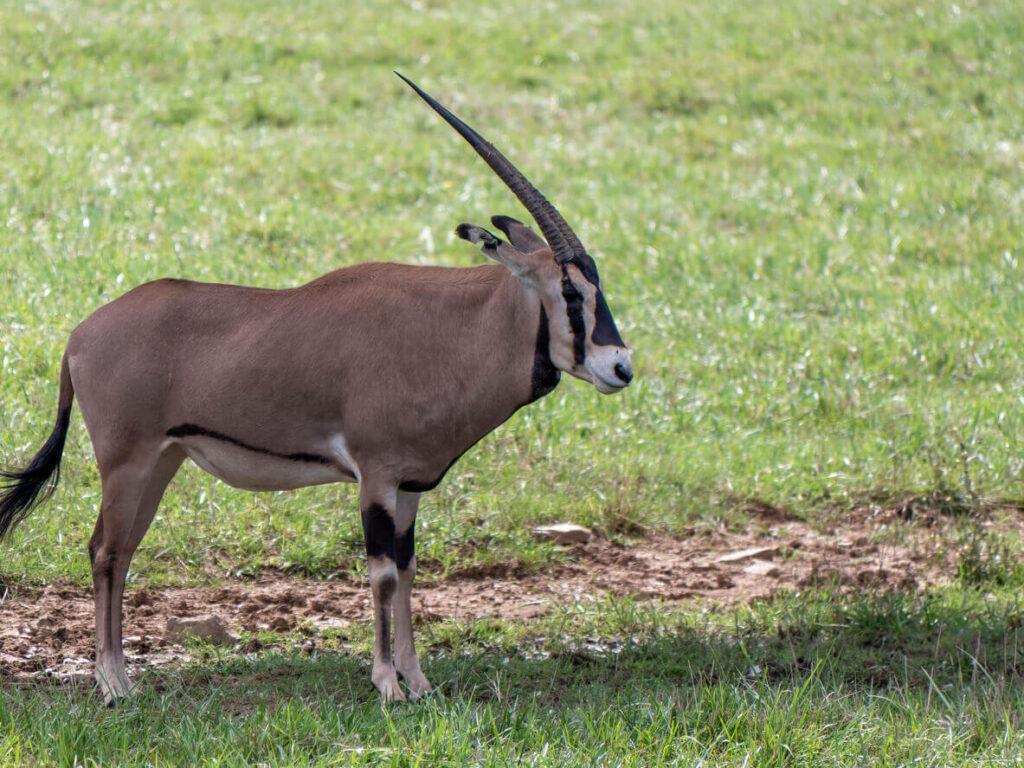
American hunters planning a safari hunting in Tanzania are often surprised to discover that one of East Africa's most distinctive antelope species is found only within a relatively small part of the country. The Fringe-Eared Oryx is not a plains game animal encountered throughout Tanzania. Instead, it is primarily associated with the open savannahs and Maasailand ecosystems of northern Tanzania, where its pale coloration, long spear-like horns, and distinctive ear fringes make it one of the region's most recognizable trophies.
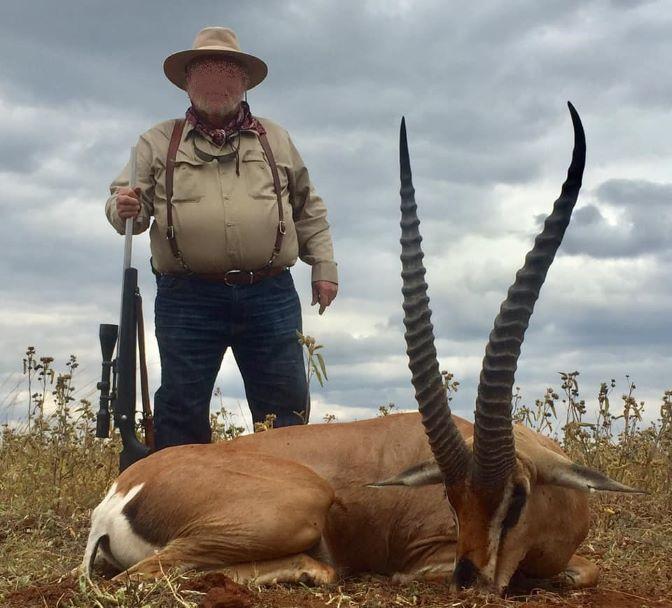
For collectors pursuing unique East African species, the Fringe-Eared Oryx offers something very different from the antelope commonly hunted in southern Africa. A mature bull is an impressive animal in its own right, but exceptional trophy bulls immediately stand out. Long, symmetrical horns rising well above the ears create a striking profile that is difficult to mistake for any other plains game species found in Tanzania.
Although often overshadowed by Tanzania's famous dangerous game hunting, the country's northern hunting areas offer outstanding opportunities for hunters seeking rare and specialized plains game trophies. For many experienced safari hunters, a Fringe-Eared Oryx represents not simply another animal on a trophy list, but a uniquely East African trophy that cannot easily be pursued elsewhere.
This guide explains where Fringe-Eared Oryx are found in Tanzania, what makes a trophy bull stand out, and why the species remains one of East Africa's most sought-after plains game animals.
Available Oryx - Fringe-eared Hunts
10-Day Plains Game Hunt in Maasailand, Tanzania
Booking Season: 2026
Hunt Difficulty: Moderate
Safari Hunting in Tanzania 10 Days Plains Game in Masai 1:1
Booking Season: 2026
Hunt Difficulty: Moderate
At first glance, many hunters assume a Fringe-Eared Oryx is simply an East African version of the gemsbok found in southern Africa. While the two species are closely related and share many physical characteristics, they are generally regarded as distinct trophies by hunters and collectors.
Both animals belong to the oryx family and display the long, straight horns and striking facial markings for which oryx are famous. However, the Fringe-Eared Oryx is easily identified by the distinctive tufts of hair extending from the tips of its ears, a feature that gives the species its name. Many hunters also notice subtle differences in body coloration, facial markings, and overall appearance.
The biggest difference is geography. Gemsbok are most commonly associated with Namibia, Botswana, and parts of South Africa, while Fringe-Eared Oryx are largely restricted to East Africa and are most often pursued in northern Tanzania and southern Kenya.
For trophy collectors, this distinction is important. A hunter who already has a gemsbok in the trophy room will often pursue a Fringe-Eared Oryx as a separate East African trophy rather than viewing the two animals as interchangeable.
Fringe-Eared Oryx are not distributed across all of Tanzania's hunting areas. Unlike species such as buffalo, zebra, or impala that can be encountered across multiple regions, Fringe-Eared Oryx are largely associated with the open savannahs of northern Tanzania and the Maasailand ecosystem surrounding Mount Kilimanjaro and the Kenyan border.
This distinction is important for hunters planning a safari. A hunting license may include Fringe-Eared Oryx as an available species, but that does not automatically mean the animal occurs within every concession. Hunters specifically targeting Fringe-Eared Oryx should always confirm that the chosen hunting area falls within the species' natural range before booking a safari.
The best opportunities are typically found in northern Tanzania's arid and semi-arid plains where Fringe-Eared Oryx share habitat with several other iconic East African species. These areas differ considerably from southern Tanzania's famous wilderness regions such as Selous, Rungwa, and Ruaha, where hunters pursue buffalo, leopard, and a different mix of plains game species.
For hunters planning a safari around Fringe-Eared Oryx, selecting the right concession is just as important as selecting the right outfitter. The species' relatively restricted distribution is one of the reasons it remains such a sought-after trophy among experienced African hunters.
Few hunters travel to Tanzania to pursue only a Fringe-Eared Oryx. The species is most often hunted as part of a broader East African safari focused on the unique plains game animals found within northern Tanzania's Maasailand ecosystem.
Hunters targeting Fringe-Eared Oryx frequently encounter opportunities for White-Bearded Wildebeest Hunts, one of East Africa's most recognizable plains game trophies. The same open savannahs that support wildebeest populations also provide ideal habitat for Fringe-Eared Oryx.
Northern Tanzania is also well known for its excellent gazelle hunting opportunities. Species such as Grant's gazelle and Thomson's gazelle occur within many of the same hunting areas, allowing hunters to pursue several iconic East African trophies during a single safari.
In some concessions, hunters may also encounter opportunities for Eland Hunts, particularly the impressive Patterson's eland found in parts of East Africa. The combination of Fringe-Eared Oryx, gazelles, wildebeest, and eland creates one of the most distinctive plains game hunting experiences available anywhere on the continent.
For collectors building a diverse African trophy collection, these species combinations are one of the reasons Plains Game Hunts in Tanzania remain so appealing. Rather than focusing on a single animal, hunters can pursue a range of distinctive East African species that are rarely available elsewhere in Africa.
Most hunters arrive in Tanzania with a fairly clear idea of the animals they are most excited to pursue. Buffalo, leopard, and the various East African antelope species usually dominate the conversation. Fringe-Eared Oryx often receive far less attention until hunters see them in the field for the first time.
Part of the surprise comes from their appearance. Photographs rarely convey just how impressive a mature bull looks standing on the open plains. The combination of long, straight horns, bold facial markings, and the characteristic ear fringes creates a striking profile that immediately stands out against the surrounding landscape.
The other surprise is their size and presence. Hunters may expect an animal similar to the gemsbok they have seen in photographs from southern Africa. Seeing a mature Fringe-Eared Oryx bull moving across Tanzania's open country often leaves a much stronger impression than anticipated.
It is not unusual for hunters to arrive with a different species at the top of their wish list, only to find themselves spending much of the safari talking about the Fringe-Eared Oryx they encountered on the plains. Some trophies simply look better in the field than they do on paper, and Fringe-Eared Oryx are often one of them.
No. Fringe-Eared Oryx are primarily associated with northern Tanzania and the Maasailand ecosystem near Mount Kilimanjaro and the Kenyan border. They are not commonly found in southern hunting regions such as Selous, Rungwa, or Ruaha.
No. While the two species are closely related and share many physical characteristics, they are generally regarded as separate trophies by hunters and collectors. The most recognizable feature of the Fringe-Eared Oryx is the distinctive tuft of hair extending from the ears.
Hunters typically look for long, symmetrical horns, strong bases, good overall balance, and a mature bull displaying the characteristic appearance that makes the species so distinctive. Exceptional bulls are immediately recognizable due to their impressive horn length and striking profile.
Depending on the concession, hunters may also pursue White-Bearded Wildebeest, gazelles, Patterson's eland, and a variety of other East African plains game species found within northern Tanzania's Maasailand ecosystem.
Yes. Fringe-Eared Oryx are classified as plains game and are commonly included as part of broader East African plains game safaris.
Tanzania offers access to the species within its natural East African range. The combination of free-range hunting, vast open landscapes, and the opportunity to pursue several unique East African species during the same safari makes Tanzania one of the premier destinations for Fringe-Eared Oryx hunting.
Most hunters pursue Fringe-Eared Oryx as part of a larger plains game or mixed-species safari rather than a dedicated hunt. Safari length is usually determined by the number of species being hunted and the hunting area selected.
Search from our range of Hunts across various popular destinations in Africa.

Book Your Hunt