
7-Day Rufunsa Cape Buffalo Hunt
Booking Season: 2026
Hunt Difficulty: Difficult

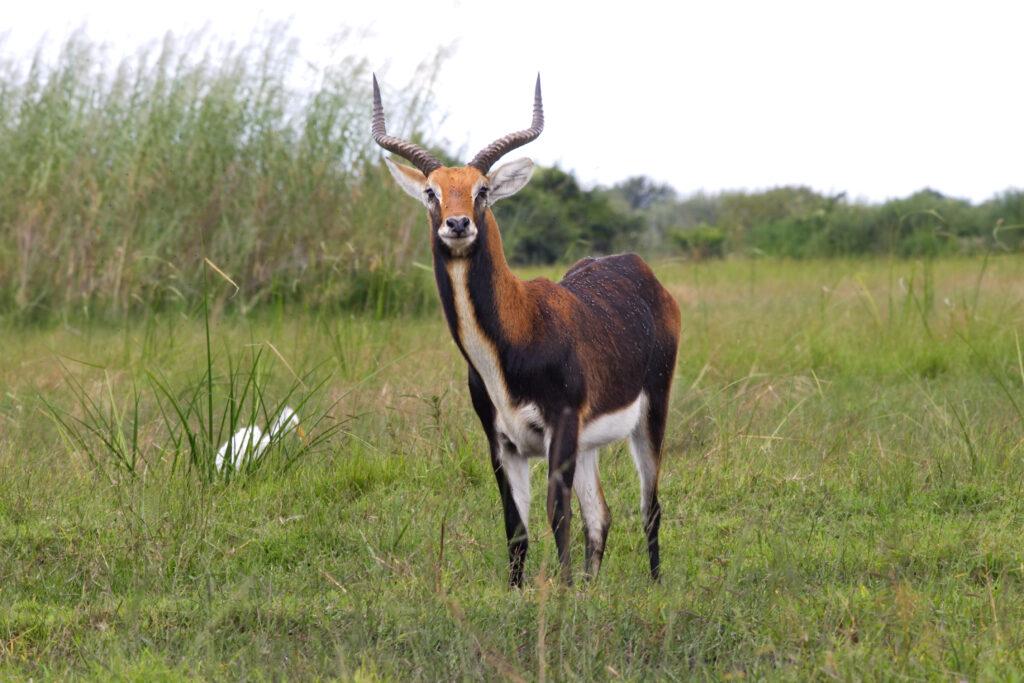
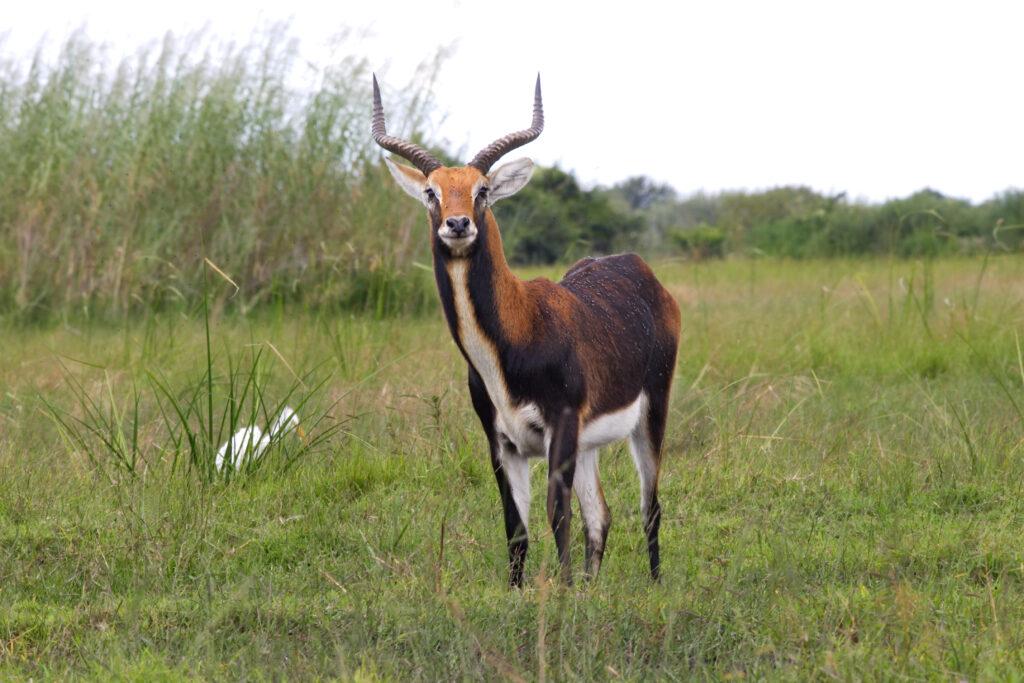
Black Lechwe hunting in Zambia offers one of Africa's most distinctive Plains Game Hunts. Rather than stalking antelope through woodland or open savannah, hunters find themselves moving across vast floodplains, shallow wetlands and seasonal marshes that have shaped both the behaviour of the species and the way it is hunted. It is a safari built around water, patience and careful observation rather than simply covering ground.
For anyone planning Hunting in Zambia, the Black Lechwe represents far more than another trophy species. Endemic to Zambia's famous Kafue Flats, this remarkable antelope is one of the country's true wildlife icons and a compelling reason why plains game safaris here feel so different from those elsewhere in Africa. The landscape, the ecosystem and the hunting methods combine to create an experience that is unique to Zambia.
Whether pursued as a standalone objective or alongside other iconic Zambian species, Black Lechwe provide a hunt that reflects everything special about the country's floodplain wilderness. Understanding that environment is the key to understanding why this is one of Africa's most rewarding and memorable plains game safaris.
Available Black Lechwe Hunts
7-Day Rufunsa Cape Buffalo Hunt
Booking Season: 2026
Hunt Difficulty: Difficult
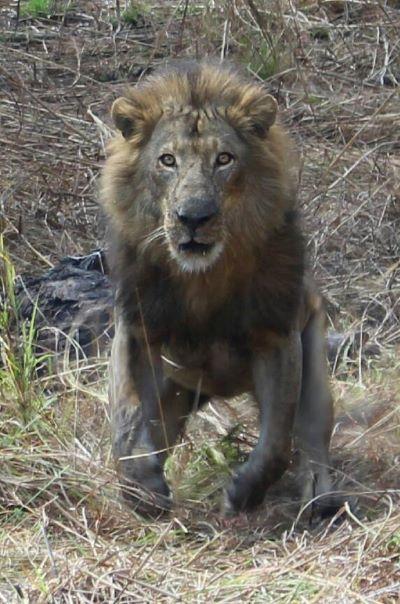
Trophy Lion Hunting 21 Days in Untamed Rufunsa GMA Zambia
Booking Season: 2026
Hunt Difficulty: Difficult
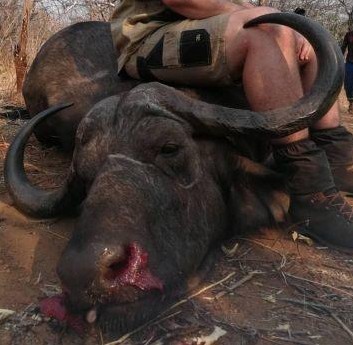
Free-Range Cape Buffalo & Black Lechwe Hunt in Zambia
Booking Season: 2026
Hunt Difficulty: Difficult
Hunt Zambia 21 Days - Lion, Leopard, Cape Buffalo & PG
Booking Season: 2026
Hunt Difficulty: Difficult
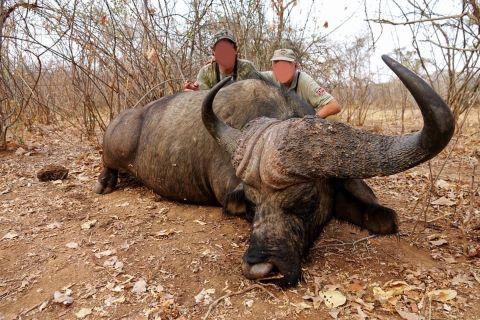
Buffalo Hunting in Zambia's Zambezi Valley
Booking Season: 2026
Hunt Difficulty: Difficult
Plains Game Hunting in Zambia: Black & Kafue Lechwe, Puku & Bushbuck
Booking Season: 2026
Hunt Difficulty: Moderate
Black Lechwe hunting is unlike pursuing most African antelope. Rather than walking through bushveld, mountains or open plains, the hunt unfolds across floodplains where water influences almost every decision. Shallow wetlands, flooded grasslands and reedbeds shape how Black Lechwe move, where they feed and how hunters approach them.
Visibility across these open landscapes is often excellent, allowing Professional Hunters to glass animals from long distances before planning a careful stalk. Closing that distance, however, can be surprisingly challenging. Waterlogged ground limits movement, reedbeds provide intermittent cover and changing wind conditions across open wetlands demand patience rather than speed.
Black Lechwe hunting is built around reading the terrain, understanding how the animals use the floodplains and waiting for the right opportunity to move. With little natural cover across much of the open wetlands, success is usually earned through careful observation, disciplined stalking and making every movement count.
That combination is what makes the hunt so rewarding. Every stalk is shaped by the floodplain itself, creating a style of Black Lechwe Hunting in Zambia that feels completely different from pursuing antelope in almost any other African habitat.
Zambia is one of the few countries in Africa where hunters can pursue more than one lechwe species during the same safari. Black Lechwe are often the primary objective, while Red Lechwe Hunting in Zambia offers another distinctive floodplain hunt in a different wetland environment. Where available under the relevant management programme, Kafue Lechwe complete one of Africa's most unique antelope collections.
Although closely related, each species occupies a different part of Zambia's remarkable wetland ecosystem and presents its own hunting challenges. Pursuing more than one lechwe during the same safari is about far more than collecting additional trophies. It provides a deeper appreciation for the floodplains, seasonal wetlands and specialised habitats that make Zambia unlike any other plains game destination.
Combining Black Lechwe with Cape Buffalo Hunts creates one of Africa's most distinctive safari combinations, bringing together specialised wetland plains game and iconic dangerous game within the same hunting area.
Although closely related, Black Lechwe and Red Lechwe offer noticeably different hunting experiences. Both are highly adapted to life around water, but they occupy different wetland habitats and behave differently as conditions change throughout the year.
Black Lechwe spend much of their lives on permanently flooded wetlands, where open marshes and shallow water influence every stalk. Red Lechwe Hunting in Zambia, by comparison, is more commonly associated with seasonally flooded grasslands and broad floodplains that dry and flood as the seasons change.
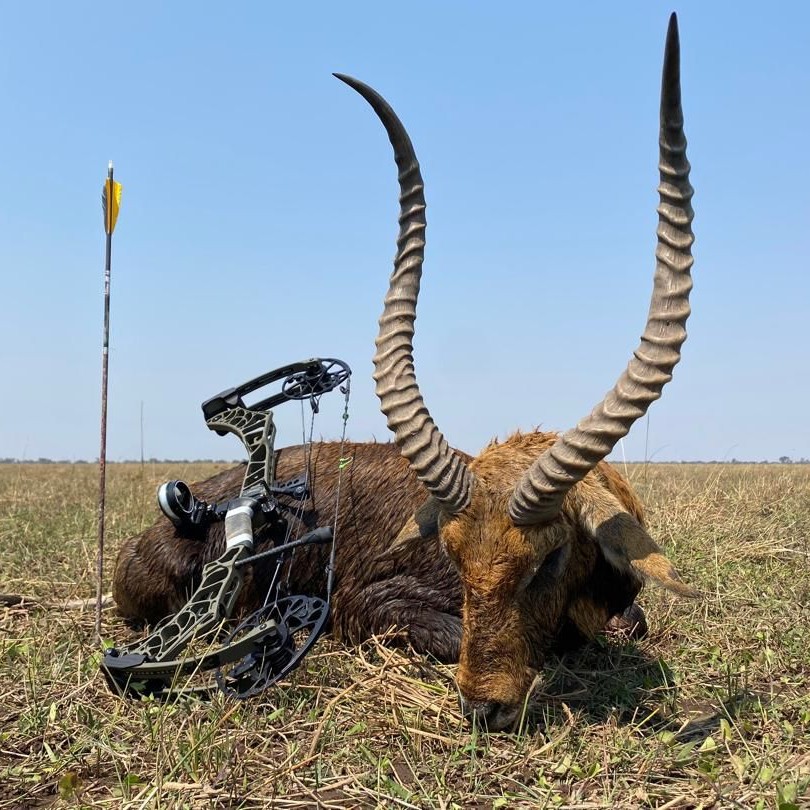
The trophies are equally distinctive. Mature Black Lechwe are recognised by their dark coats and sweeping horns, while Red Lechwe display the rich chestnut colouring that gives the species its name. Neither is considered more prestigious than the other. For species collectors, each represents a unique part of Zambia's remarkable wetland ecosystem.
Choosing between them often comes down to personal preference. Some hunters are drawn to the striking appearance of the Black Lechwe, while others enjoy the wider floodplain landscapes associated with Red Lechwe. Those fortunate enough to pursue both during the same safari quickly discover that, despite their close relationship, they provide two very different hunting experiences.
Black Lechwe can be hunted during Zambia's designated hunting season, but water levels across the floodplains have a significant influence on how the hunt unfolds. As seasonal flooding rises and recedes, the animals adjust where they feed and move, while Professional Hunters adapt their approach to suit the changing conditions.
Later in the dry season, receding water often makes parts of the floodplains easier to access on foot, although Black Lechwe continue to use the wetlands that provide both food and security. Every concession responds differently to seasonal conditions, making local knowledge an important part of planning a successful safari.
Rather than focusing on a single month, it is worth discussing your preferred hunting style and any additional species you hope to pursue with your outfitter before booking. If you are combining Black Lechwe with buffalo or other Zambian plains game, timing the safari to suit the full range of species often produces the most rewarding results.
Planning a Black Lechwe safari begins with choosing the right hunting concession. While the species itself may be the primary objective, the quality of the floodplain habitat, the amount of time available to hunt and the opportunity to combine other regional species all play an important role in the success of the safari.
Zambia has long been recognised for exceptional Big Game Hunting, with buffalo, lion, leopard and elephant attracting hunters from around the world. Adding Black Lechwe to one of these traditional safaris provides the opportunity to experience a completely different side of the country's hunting heritage. Few destinations allow hunters to combine iconic dangerous game with specialised floodplain antelope during the same safari.
It also pays to think beyond simply taking the first mature ram that presents an opportunity. Like many African antelope, Black Lechwe vary considerably in horn shape, length and overall trophy quality. Hunters who are prepared to spend time evaluating different animals often discover there are exceptional old rams worth waiting for. Allowing your Professional Hunter to assess several trophies before deciding can make the difference between a good Black Lechwe and a truly memorable one.
Before booking, it is worth understanding how African Hunting Safari Prices are structured, including daily rates, trophy fees and additional safari costs. Our carefully planned African Hunting Trips help hunters select the right concession, safari duration and combination of species to make the most of this unique part of Zambia.
Black Lechwe are closely associated with Zambia's famous Kafue Flats, where extensive floodplains and wetlands provide the specialised habitat the species depends on. Hunting opportunities are available in approved hunting areas operating under Zambia's wildlife management regulations.
Black Lechwe are endemic to Zambia, making the country the world's premier destination for hunters hoping to pursue this remarkable antelope in its natural habitat.
Although closely related, the two species occupy different wetland habitats and differ in appearance. Mature Black Lechwe develop a dark coat with sweeping horns, while Red Lechwe are recognised by their rich chestnut colouring and are more commonly associated with seasonally flooded grasslands.
The best time depends on seasonal water levels, hunting regulations and the concession being hunted. Professional Hunters adapt their approach throughout the season as floodplain conditions change, making local knowledge an important part of planning a successful safari.
Yes. Open floodplains provide excellent visibility, but they also offer very little cover for the hunter. Success depends on careful glassing, reading the wind, understanding how the animals use the wetlands and making a patient, well-planned stalk.
Most standard plains game calibres are well suited to Black Lechwe hunting when paired with quality premium bullets. Accurate shot placement is far more important than choosing an excessively powerful rifle.
Absolutely. Black Lechwe are often included as part of a broader Zambian safari that may also feature dangerous game or other regional plains game species, allowing hunters to experience the remarkable diversity of the country's hunting areas.
Unlike traditional plains game safaris conducted across woodland or open savannah, Black Lechwe hunting takes place on floodplains where water influences every stalk. The combination of wetlands, reedbeds and open marshes creates one of Africa's most distinctive hunting environments.
Yes. Zambia has earned its reputation as one of Africa's premier big game destinations, and many hunters include Black Lechwe as part of a broader safari. Combining specialised floodplain antelope with buffalo or other dangerous game allows hunters to experience two completely different styles of hunting within the same trip, making the most of everything Zambia has to offer.
Search from our range of Hunts across various popular destinations in Africa.

Book Your Hunt