Hunt Eland, Kudu, Nyala & Bushbuck on this SA Spiral Horn Hunt
Booking Season: 2026
Hunt Difficulty: Difficult

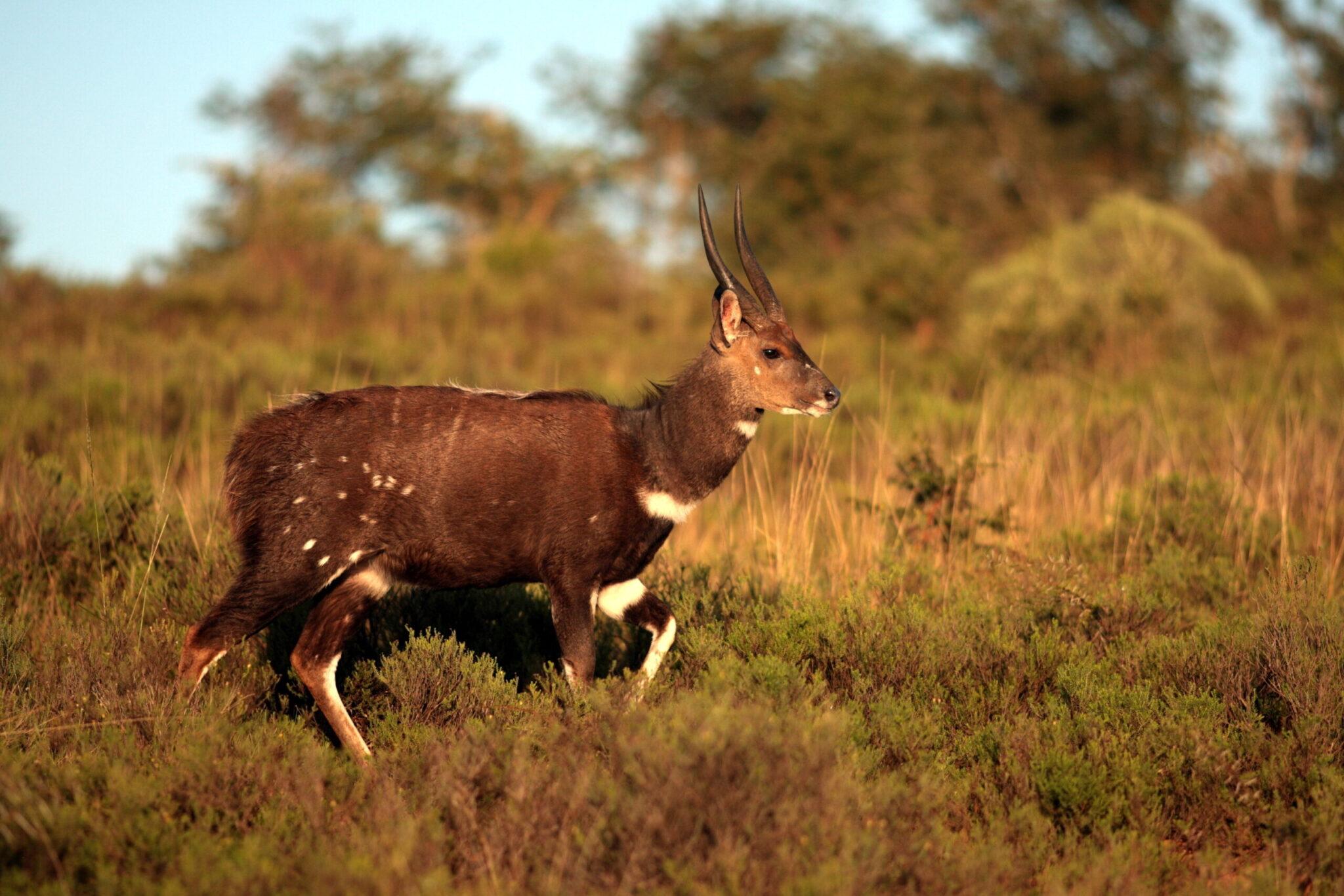
Bushbuck hunting in South Africa can be deceptive. As one of Africa's spiral-horned antelope, the bushbuck is considerably smaller than a kudu or eland yet pursuing a mature ram can be one of the most difficult hunts of a plains game safari. These secretive animals live in some of the country's thickest riverine vegetation and bushveld, where a good ram can remain hidden only yards from a hunter. You may spend hours watching a promising stretch of cover before getting only seconds to decide when one finally steps into the open.
South Africa offers strong opportunities for hunters pursuing bushbuck, with Limpopo, KwaZulu-Natal and the Eastern Cape each providing different terrain and hunting conditions. Hunters planning Bushbuck Hunts across Africa will find South Africa particularly accessible, with the species often pursued as part of a broader safari while still offering enough challenge to become a priority hunt.
The key is choosing the right hunting area. Good bushbuck habitat matters more than simply booking a safari in a province where the species occurs. River systems, dense vegetation and suitable feeding areas can all influence where mature rams are found, while local hunting pressure can determine how and when they move.
For American hunters adding bushbuck to a South African safari, it is worth making the species a clear priority with the Professional Hunter before the first day in the field. A bushbuck may appear unexpectedly while hunting other game, but if a mature ram is high on your list, relying on luck alone is rarely the best plan.
Available Bushbuck Hunts
Hunt Eland, Kudu, Nyala & Bushbuck on this SA Spiral Horn Hunt
Booking Season: 2026
Hunt Difficulty: Difficult
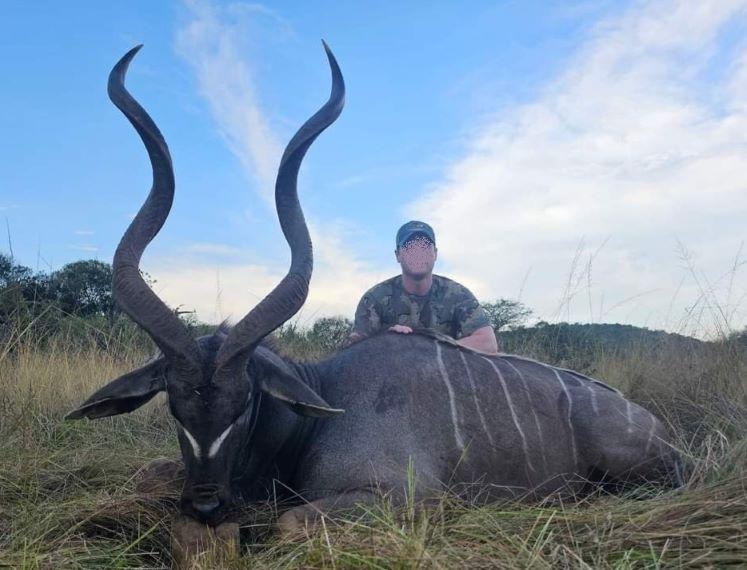
African Plains Game Safari in South Africa 6 Trophies KwaZulu Natal
Booking Season: 2026
Hunt Difficulty: Moderate

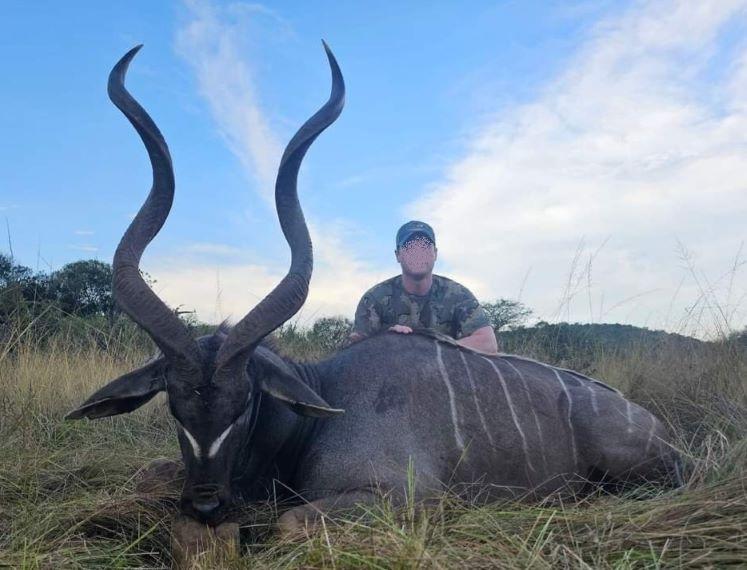
South African Plains Game Safari Trophy Nyala plus 5 Species
Booking Season: 2026
Hunt Difficulty: Moderate, Difficult
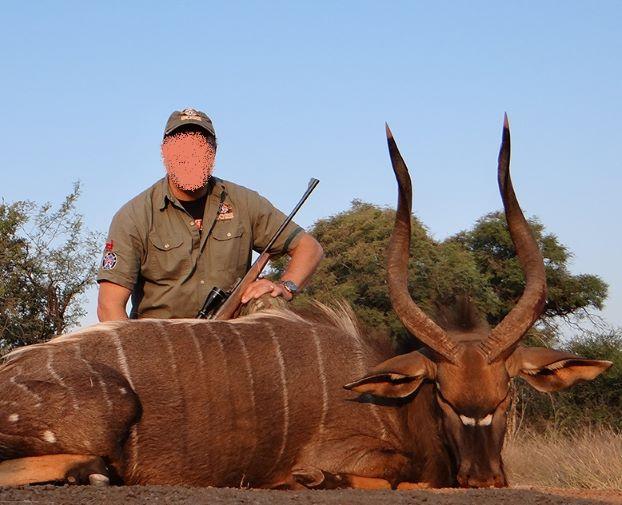
Plains Game Hunting in South Africa, 10 days x 10 x Species
Booking Season: 2025
Hunt Difficulty: Moderate
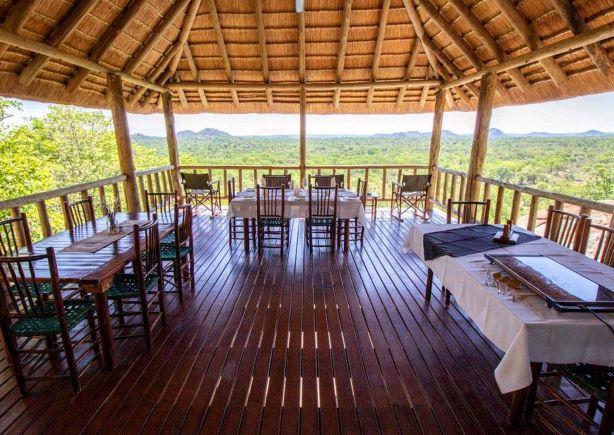
African Plains Game Hunt, plus Night Critters 10 Days in SA
Booking Season: 2025
Hunt Difficulty: Moderate, Difficult
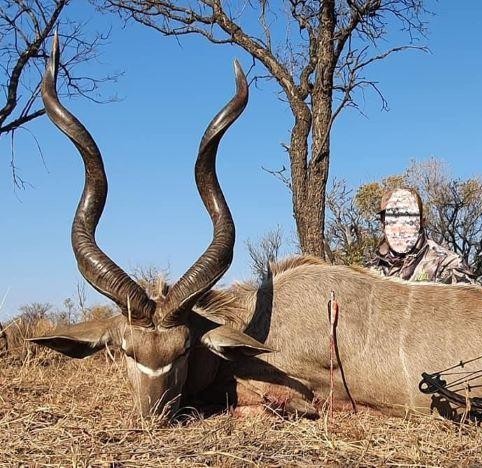
Spiral Horn Hunting Package in South Africa for 8 days
Booking Season: 2026
Hunt Difficulty: Moderate
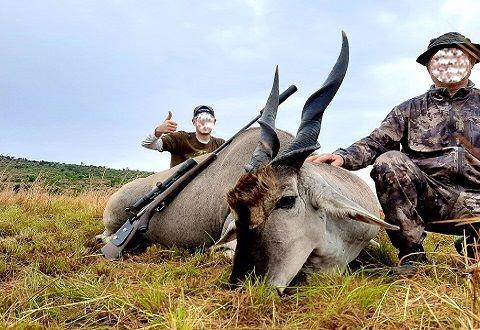
African Hunting Safari in the Waterberg SA Spiral Horn Slam
Booking Season: 2026
Hunt Difficulty: Moderate, Difficult
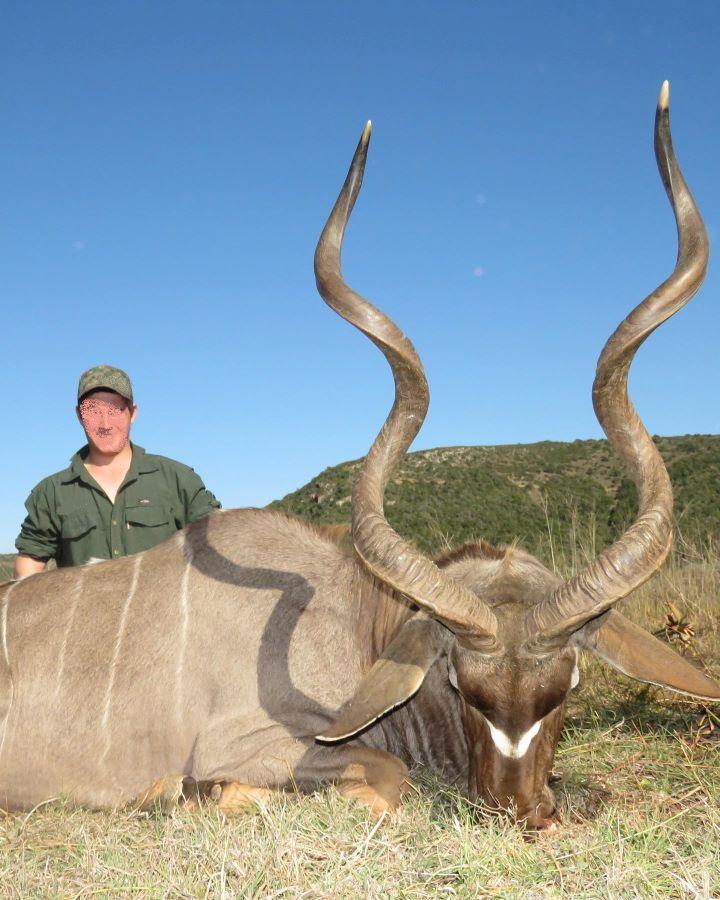
10 Day African Plains Game Hunt 7 Species in South Africa
Booking Season: 2026
Hunt Difficulty: Moderate, Difficult
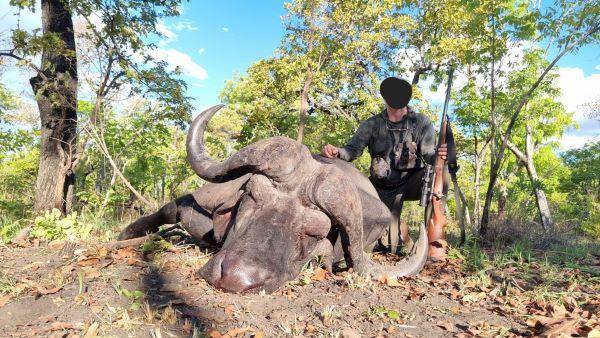
14-Day Cape Buffalo & Plains Game Safari for Two Hunters
Booking Season: 2026
Hunt Difficulty: Moderate, Difficult

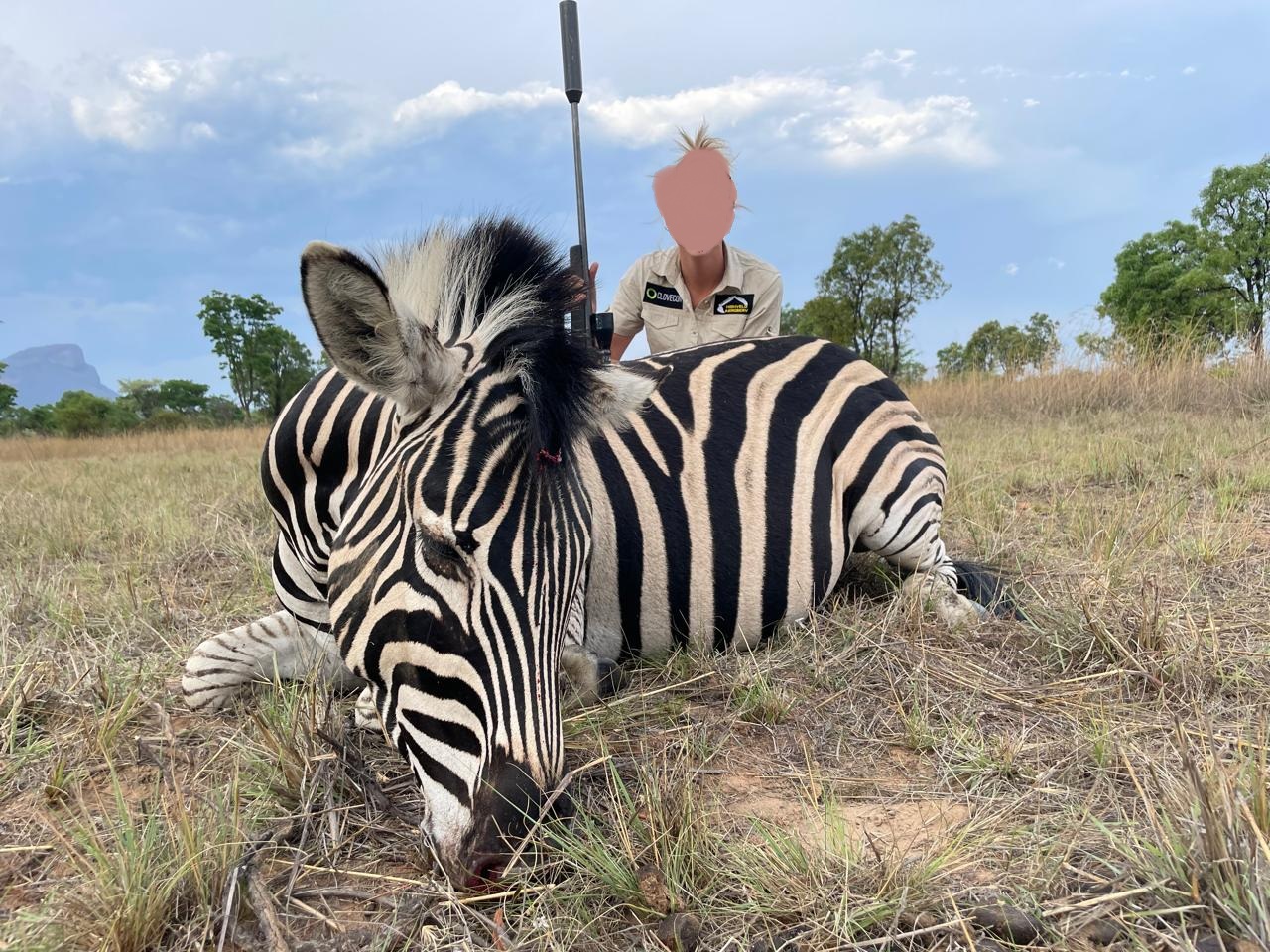
Hunt Cape Buffalo, Wildebeest, Zebra & Bushbuck in Limpopo
Booking Season: 2026
Hunt Difficulty: Difficult
South Africa offers bushbuck hunting across several regions, but not every hunting area provides the same opportunity. Bushbuck are closely associated with thick cover, river systems and well-vegetated valleys, and the quality of this habitat can matter far more than the size of the property or the number of other species available.
Limpopo is one of the country's established bushbuck hunting destinations. Riverine vegetation and dense bushveld provide the cover these secretive antelope favor, and mature rams may spend much of the day hidden before becoming more active during the early morning and late afternoon. Hunting often involves carefully watching the edges of thick cover or moving quietly through areas where a good ram is known to live.
KwaZulu-Natal offers a different setting, with bushbuck found in suitable valleys, river systems and densely vegetated country. The terrain can make hunting physically demanding in some areas, while thick vegetation may restrict visibility and reduce the amount of time a hunter has to judge and shoot when a ram appears.
The Eastern Cape is also well known for bushbuck hunting, with suitable habitat ranging from thick coastal and riverine vegetation to broken valleys and bush-covered slopes. Depending on the hunting area, hunters may spend considerable time glassing openings and vegetation edges before attempting a stalk when a mature ram is located.
Hunters researching Hunting in South Africa should therefore look beyond the province alone when choosing where to pursue bushbuck. Ask the outfitter about the specific habitat, the quality of the local population and how bushbuck are normally hunted in that area. If a mature ram is one of your priority trophies, choosing a property because it consistently produces good bushbuck is far more important than simply confirming that bushbuck appear on the species list.
Bushbuck have a reputation for being one of the more difficult spiral-horned antelope to hunt, not because they require exceptionally long shots or days of tracking, but because mature rams can be remarkably difficult to find in the first place.
Unlike game that spends much of the day in open country, bushbuck are closely associated with thick vegetation and often remain concealed for long periods. A mature ram may live within a relatively small area and still rarely show himself. Hunters can spend hours watching the edge of promising cover without seeing anything, only for a bushbuck to appear briefly and disappear again before a shot can be taken.
Early mornings and late afternoons can provide the best opportunities as bushbuck move out of heavier cover to feed. Even then, patience matters. A PH who knows that a mature ram is using a particular river system or patch of thick bush may prefer to return to the same area repeatedly rather than spend the day covering ground hoping to encounter one elsewhere.
That is part of what makes deliberately hunting bushbuck different from simply taking one when an opportunity arises during a plains game safari. If a good ram is the objective, sometimes the most productive thing a hunter can do is sit quietly, keep watching the same piece of bush and wait for him to make a mistake.
Bushbuck hunting methods vary according to the hunting area, habitat and behavior of the local population. Early mornings can be productive, but late afternoon is often an important time to be in position as bushbuck begin moving from thick daytime cover towards more open feeding areas.
In riverine country, hunters may quietly watch clearings, riverbanks or the edges of dense vegetation where a mature ram is known to emerge. In hillier terrain, glassing from an elevated position can help locate animals moving along the margins of thick cover before a stalk is planned.
Patience is often more productive than constantly moving. If a Professional Hunter knows that a mature ram is regularly using a particular area, the best strategy may simply be to arrive early, settle in and wait. When the bushbuck finally appears, the opportunity can be brief.
On some South African hunting properties, bushbuck may also be hunted after dark where this is legally permitted and forms part of the area's established hunting practices. Hunters considering this method should confirm the applicable regulations and hunting arrangements with their outfitter, as rules and permitted methods can vary between provinces and properties.
Whether hunted at first light, during the final hours of the afternoon or under permitted nighttime conditions, the challenge remains much the same: getting a mature ram to show himself long enough for the hunter to identify him and take a clean shot.
Many American hunters pursue bushbuck as part of a broader South African safari rather than traveling to Africa specifically for one species. A typical hunt may include several plains game animals, with bushbuck added to a list alongside species such as kudu, impala, warthog or nyala.
The difference is that bushbuck does not always cooperate with a schedule. A kudu or impala may be encountered regularly while hunting suitable country, whereas a mature bushbuck ram can require repeated visits to the same river system or patch of thick cover before an opportunity develops.
Hunters planning Plains Game Hunts in South Africa should therefore tell their Professional Hunter if bushbuck is a priority. This allows time to be set aside during the safari to hunt specifically for a mature ram rather than simply hoping one appears while pursuing something else.
Sometimes the opportunity does come unexpectedly. A good ram may step from cover while the hunting party is moving through an area or appear during the final hour of an afternoon hunt. But if bushbuck is one of the animals you most want to take home, it deserves its own time in the safari plan.
Judging a bushbuck can be more difficult than hunters expect. Mature rams are heavier through the body, generally darker with age, and carry the sharp spiral horns that make the species such a distinctive African trophy. Horn length and shape are part of judging a good ram, but overall maturity should be the priority rather than simply looking for the first set of horns to appear from the bush.
The challenge is that bushbuck rarely make life easy for the hunter. A ram may step from thick cover in poor light, stand partially obscured by vegetation or offer only a few seconds before disappearing again. Under these conditions, distinguishing a mature trophy from a younger ram can be difficult, particularly for a hunter seeing South African bushbuck for the first time.
This is one hunt where the pressure of a disappearing opportunity should not rush the decision. Hunters need to be certain that the animal has been properly identified and judged before taking the shot. If there is any doubt, wait for the Professional Hunter to give the go-ahead. A young ram disappearing back into the bush is a far better outcome than realizing afterwards that the wrong animal was taken.
A mature bushbuck may take several days to find, and sometimes the right decision is to watch one disappear. When the right ram finally does step clear, however, the shooting opportunity may be measured in seconds.
A bushbuck hunt can involve hours of patience followed by a shooting opportunity that lasts only seconds. Early mornings can be productive, but late afternoon is often particularly important as mature rams begin moving from thick daytime cover towards feeding areas and more open ground. During the cooler, drier months, reduced vegetation can also improve visibility into areas that may be considerably more difficult to glass when the bush is thick.
This is why the rifle carried for bushbuck should be one the hunter knows well and can bring into action confidently. There is rarely any need for an unusually powerful caliber. Familiar plains game cartridges such as the .270 Winchester, 7mm Remington Magnum, .308 Winchester and .30-06 Springfield are all practical choices when paired with suitable ammunition.
What matters more is being ready when the opportunity develops. A ram may appear partially obscured by vegetation, move between openings or pause only briefly before returning to cover. Hunters should never rush an uncertain shot simply because they have waited several hours for an opportunity.
Accurate shot placement is particularly important because a wounded bushbuck can disappear into dense vegetation within seconds, making the follow-up considerably more difficult. Our Medium Antelope Shot Placement guide provides more detailed information on shot angles and aiming points, but in the field, the priority should always be a clear shot at a properly identified animal from a position where the hunter can shoot confidently.
A well-placed shot may drop a bushbuck immediately, but hunters should never assume that a downed ram is dead and walk straight up to it. Mature bushbuck carry exceptionally sharp horns, and an injured animal that still has the strength to defend itself can be dangerous at very close range.
Extra caution is required when a wounded bushbuck disappears into thick cover. Visibility may be measured in only a few yards, giving the hunting party little time to react if the animal is still alive. This is not the time for a hunter to rush ahead. The Professional Hunter should control the follow-up and determine how the animal is approached.
Even when a ram appears to be down for good, approach carefully and follow the PH's instructions. A wounded or cornered bushbuck can lunge unexpectedly, and those sharp horn tips can cause serious injury.
It is an interesting contradiction of bushbuck hunting. You may spend hours trying to catch a glimpse of an animal that does everything possible to avoid you, but once the shot has been taken, that small spiral-horned antelope deserves considerably more caution than its size might suggest.
The cost of hunting bushbuck in South Africa will usually depend on whether the species is added to a broader plains game safari or whether pursuing a mature ram is one of the main objectives of the trip. In most cases, hunters pay a daily rate for the safari together with a separate trophy fee for the bushbuck.
Hunters who specifically want a mature ram should consider more than the trophy fee alone. If several mornings or afternoons need to be dedicated to bushbuck, the number of hunting days and quality of the hunting area become increasingly important. A cheaper trophy fee offers little advantage if the safari does not allow enough time or provide access to good bushbuck habitat.
Our African Hunting Safari Prices guide explains the broader costs involved in planning a safari, including daily rates, trophy fees and other expenses hunters should consider before traveling to Africa.
A successful bushbuck hunt often begins with choosing the right hunting area and making your priorities clear before the safari starts. If a mature ram is high on your list, tell the outfitter in advance and ask about the local bushbuck population, habitat and the methods normally used to hunt them.
South Africa offers the advantage of combining bushbuck with a much broader safari, but hunters should still allow enough time for this secretive spiral-horned antelope. Some hunts come together quickly. Others may require returning to the same promising country morning after morning or during the final hours of daylight.
When comparing Hunting Trips in Africa, hunters specifically interested in bushbuck should choose an area with a proven population rather than simply adding the species to a long trophy list. Give a good ram the time he deserves, listen to your Professional Hunter and be ready when the opportunity finally comes.
Yes. South Africa offers established bushbuck hunting opportunities in regions including Limpopo, KwaZulu-Natal and the Eastern Cape. The quality of the individual hunting area and its bushbuck habitat is more important than choosing a province based on reputation alone.
A mature bushbuck can be one of the more difficult spiral-horned antelope to hunt. Rams spend considerable time in thick vegetation and may only emerge for short periods, particularly around first and last light. Even in an area with a healthy population, several hunting sessions may be required before the right ram presents an opportunity.
Early morning and late afternoon are generally productive, with the final hours of daylight often providing good opportunities as bushbuck move from thick cover towards feeding areas. Local conditions and the behavior of individual animals can influence when and where they are encountered.
Common plains game calibers such as the .270 Winchester, 7mm Remington Magnum, .308 Winchester and .30-06 Springfield are all suitable choices. Hunters should prioritize a rifle they can shoot accurately and confidently, as shot opportunities can develop quickly and wounded bushbuck can be difficult to recover in thick vegetation.
Yes. A wounded or cornered bushbuck can be dangerous at close range. Mature rams have sharp horns and may lunge when threatened, particularly during a follow-up in dense cover. Hunters should never rush after a wounded bushbuck and should follow the instructions of their Professional Hunter.
Yes. Bushbuck are frequently hunted as part of a broader South African plains game safari. However, hunters who consider a mature bushbuck an important trophy should tell their outfitter before the hunt and allow sufficient time to pursue one deliberately rather than relying entirely on an opportunistic encounter.
Search from our range of Hunts across various popular destinations in Africa.

Book Your Hunt