10 Day African Plains Game Hunt 7 Species in South Africa
Booking Season: 2026
Hunt Difficulty: Moderate, Difficult

American hunters travelling to South Africa often arrive with kudu, buffalo or plains game at the top of their wish list. Then they hear stories around the campfire about a predator that few visitors ever see, yet one that experienced professional hunters speak about with enormous respect. The caracal is not Africa's largest predator, but it is undoubtedly one of its most elusive.
Caracal hunting in South Africa is built around patience, sharp observation and making the most of brief opportunities.
Dangerous game may be tracked for miles, while antelope are often glassed across open country. A caracal, however, may appear for only a few seconds before disappearing back into the bush. Success often depends on careful planning, experienced calling techniques and understanding the habits of a predator that survives by remaining almost invisible.
Hunters do not travel to Africa solely to hunt a caracal. Instead, it is commonly added to Plains Game Hunts or combined with other predator hunting opportunities, creating a more varied safari while adding one of South Africa's most rewarding trophies to the adventure.
For sportsmen planning Hunting in South Africa, a caracal hunt offers something refreshingly different. It is a hunt that rewards patience over speed, fieldcraft over luck, and one that often becomes the story hunters remember long after the safari has ended.
Available Caracal Hunts
10 Day African Plains Game Hunt 7 Species in South Africa
Booking Season: 2026
Hunt Difficulty: Moderate, Difficult
Hunting Adventures with Honey Badger & 4 Species in Limpopo
Booking Season: 2026
Hunt Difficulty: Moderate
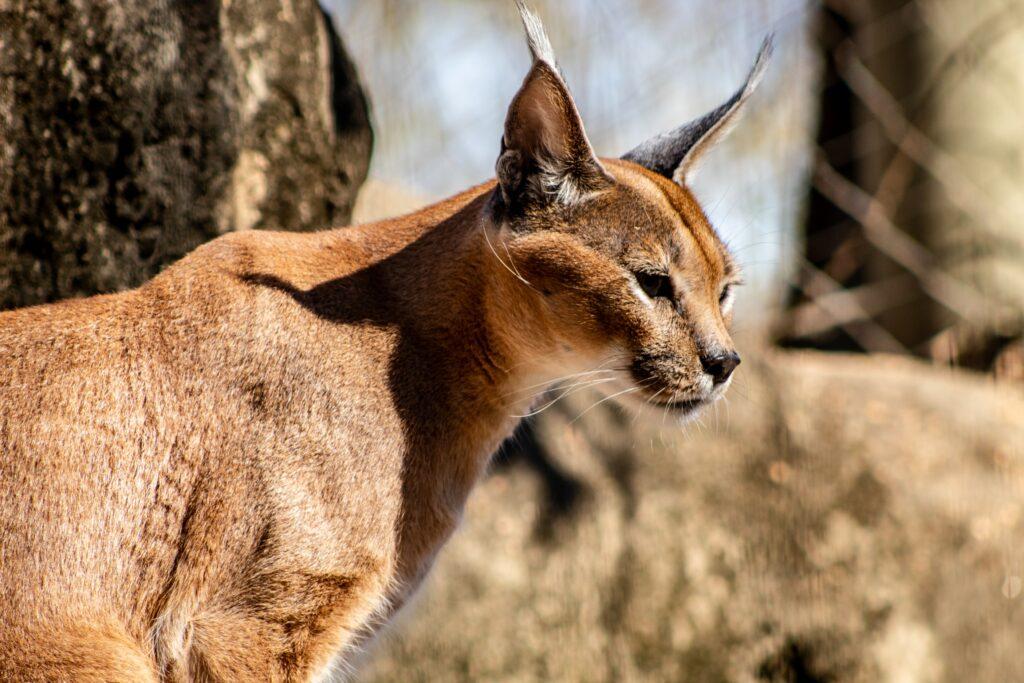
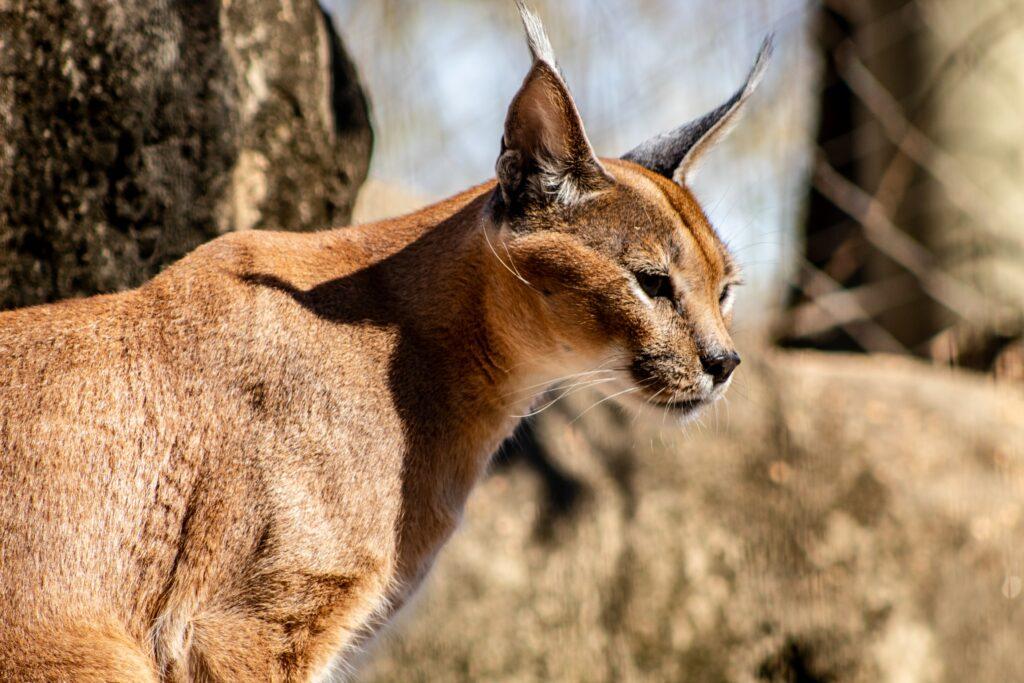
A caracal may weigh only 10 to 20 kilograms (22–44 pounds), but do not let its size fool you. Relative to its body weight, it is regarded as one of Africa's most powerful cats. Explosive acceleration, exceptional agility and incredible jumping ability allow it to catch birds in mid-air and bring down prey surprisingly large for its size.
Across many sheep and goat farming areas of South Africa, caracal have earned a reputation for regularly taking livestock, which is one of the reasons they are both respected and carefully managed in certain regions. Their combination of strength, intelligence and stealth makes them a remarkably efficient predator despite being far smaller than leopard, lion or cheetah.
Those same qualities explain why experienced hunters hold the species in such high regard. A successful caracal hunt is not measured by the size of the trophy, but by the challenge of matching wits with one of Africa's most elusive and capable predators.
South Africa has earned an outstanding reputation for predator hunting, and the caracal is no exception. Healthy populations, diverse hunting areas and experienced professional hunters have made the country one of Africa's leading destinations for sportsmen hoping to add this elusive cat to their trophy room.
Caracal are frequently hunted as part of a broader African adventure rather than a dedicated safari. Hunters may spend the day pursuing antelope before turning their attention to predators after sunset, making every hunting day as productive as possible.
The country's landscapes also contribute to successful caracal hunting. From open grasslands and sheep ranches to rugged mountains and broken bushveld, these adaptable cats thrive across a remarkable range of habitats. Their ability to remain hidden in so many different environments is one of the reasons they are encountered far less often than their distribution might suggest.
That unpredictability is exactly what gives the hunt its appeal. Every sighting feels earned, every opportunity is fleeting, and every successful trophy reflects careful planning, patience and good fieldcraft rather than chance.
Unlike leopard or hyena hunting, where hunters may have several moments to assess the situation before taking a shot, caracal hunting often unfolds at remarkable speed. A cat may respond to the call, appear for only a moment and disappear again almost as quickly as it arrived. Hesitation is usually enough to lose the opportunity.
That is why experienced professional hunters pay close attention to every detail before the calling sequence even begins. Wind direction, visibility, shooting lanes and the hunter's position are all carefully planned, because once a caracal commits, there is rarely time to adjust.
Although predator calling is one of the most common ways to hunt caracal in South Africa, experienced outfitters may also make use of bait where conditions allow. Even after locating a bait, a caracal may simply refuse to commit, circle cautiously out of sight or disappear without offering a shot. Their suspicious nature is one of the reasons they have earned such respect among experienced predator hunters.
Patience remains one of the greatest skills on a caracal hunt. Several calling stands may produce no response at all, while the next could suddenly bring a cat into range without warning. Remaining alert throughout every stand is part of what makes the hunt so rewarding.
When the opportunity comes, it is often over within seconds. That combination of anticipation, speed and precision is exactly why successful caracal hunts are remembered long after the safari has ended.
Although caracal are often hunted during the same safari as Hyena Hunts, the two predators could hardly behave more differently. A brown or spotted hyena will often approach a call or bait with confidence, relying on its size, powerful jaws and dominance. A caracal survives by doing exactly the opposite.
Every movement is cautious and every pause is calculated. A caracal may stop repeatedly to study its surroundings, use every available patch of cover and disappear without warning if anything appears out of place. Hunters often know the cat was present only because they caught a brief glimpse before it melted back into the darkness.
That contrast is one of the reasons predator hunters enjoy pursuing both species during the same safari. One hunt rewards patience and persistence, while the other requires quick reactions when a fleeting opportunity finally presents itself. Together, they showcase two completely different sides of South Africa's predator hunting tradition.
Planning a successful caracal hunt involves more than selecting the right hunting area. Hunters should consider the length of the safari, the additional species they hope to pursue, travel logistics and the time of year they intend to visit South Africa. These factors all influence both the hunting opportunities available and the overall investment.
International hunters should also allow sufficient time before departure for all required permits and documentation to be processed. Depending on the safari and the species being hunted, firearm import permits and any other necessary hunting permits or approvals should be in place before the safari begins, ensuring that the hunt can proceed legally and without unnecessary delays.
The overall cost of a safari extends beyond the trophy fee alone. Daily rates, accommodation, travel, firearm import requirements and any additional species all contribute to the final price. Our African Hunting Safari Prices guide explains how African hunting safaris are typically structured, helping hunters compare destinations and understand exactly what is included before making a booking.
Caracal hunting is not defined by the size of the trophy, but by the quality of the challenge. Every successful hunt reflects patience, careful planning and the ability to make the most of an opportunity that may last only a few seconds. It is one of those African hunts where preparation often matters far more than luck.
Whether added to a plains game safari or combined with other predator hunting opportunities, a caracal provides a completely different hunting experience from the antelope and dangerous game that attract most visitors to South Africa. It is a hunt that rewards sharp observation, quick decision-making and respect for one of Africa's most intelligent predators.
Anyone planning future Hunting Trips to Africa will quickly discover why the caracal enjoys such a loyal following among experienced predator hunters. Small in stature but enormous in reputation, it remains one of South Africa's most challenging and rewarding trophies.
Yes. Caracal may be hunted legally in South Africa, subject to provincial legislation, permit requirements and the regulations that apply to the specific hunting area. Your outfitter will ensure that all required permits are obtained before the hunt commences.
Caracal can be hunted throughout much of the year, although professional hunters favour the cooler months between April and September. Weather conditions, local prey movements and the hunting methods being used generally have a greater influence on success than the calendar alone.
No. While hunting methods vary between countries and regions, caracal hunting in South Africa is most commonly conducted using predator calling, with bait sometimes used where conditions are suitable. Your professional hunter will recommend the most effective and legal hunting method for the specific area being hunted.
Yes. Caracal are often added to an existing safari rather than being the primary reason for travelling to Africa. Hunters already visiting the continent for Big Game Hunting frequently take the opportunity to pursue a caracal, creating a more varied safari while making the most of their time in the field.
Search from our range of Hunts across various popular destinations in Africa.

Book Your Hunt