

Spotted Hyena Hunting in SA plus 7 Specialty Species
Booking Season: 2026
Hunt Difficulty: Moderate

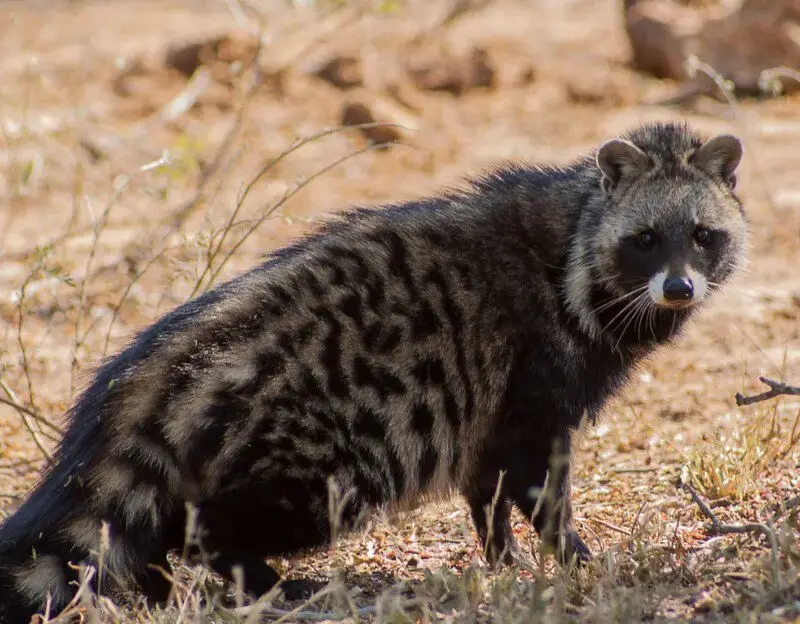
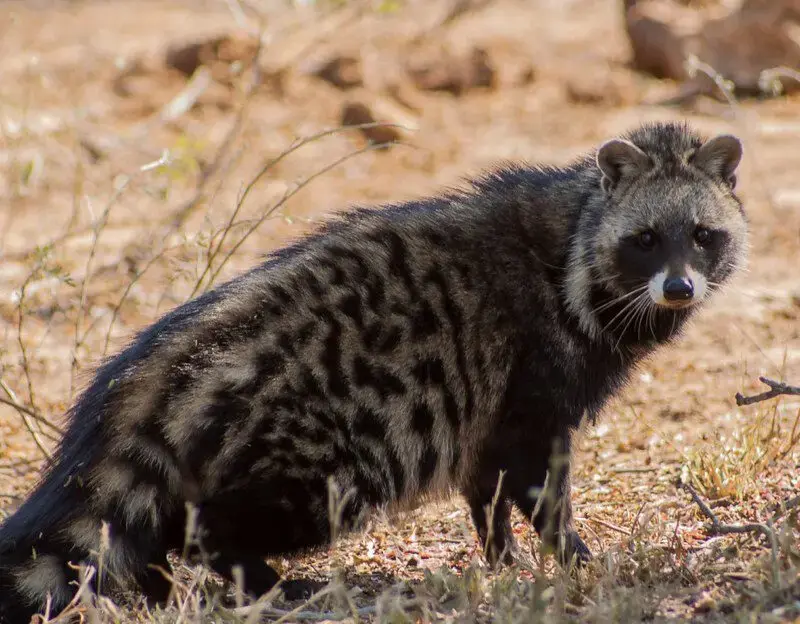
Planning Hunting in South Africa often revolves around iconic plains game and dangerous game species, yet some of the continent's most fascinating trophies only appear after sunset. Among them is the African civet, a secretive nocturnal predator that many hunters encounter while pursuing other night-time species.
The African civet is famous for its striking black-and-white markings, distinctive facial mask and beautifully patterned coat. A mature civet produces one of Africa's finest full-body mounts, making it a highly sought-after addition to many trophy rooms despite rarely being the primary objective of a safari.
One of the biggest misconceptions surrounding the species is its name. Although often listed on price lists as a "civet cat," the African civet is not a member of the cat family. It belongs to an entirely different group of carnivores and is more closely related to genets, mongooses and hyenas than to lions, leopards or domestic cats.
Civets are protected under provincial legislation in some parts of South Africa, and obtaining the correct hunting permits before the safari begins is essential. Experienced outfitters arrange these permits in advance, allowing hunters to pursue the species legally whenever an opportunity presents itself.
Available Civet Hunts
Spotted Hyena Hunting in SA plus 7 Specialty Species
Booking Season: 2026
Hunt Difficulty: Moderate
Hunt Brown Hyena and African Cats in South Africa
Booking Season: 2026
Hunt Difficulty: Difficult
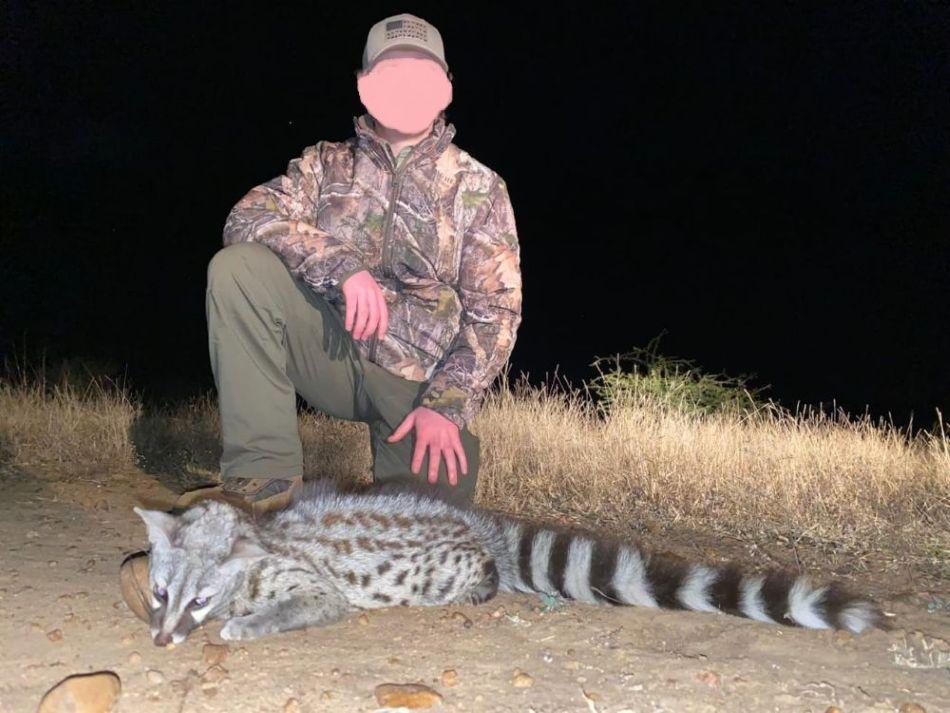
Hunting Adventures with Honey Badger & 4 Species in Limpopo
Booking Season: 2026
Hunt Difficulty: Moderate

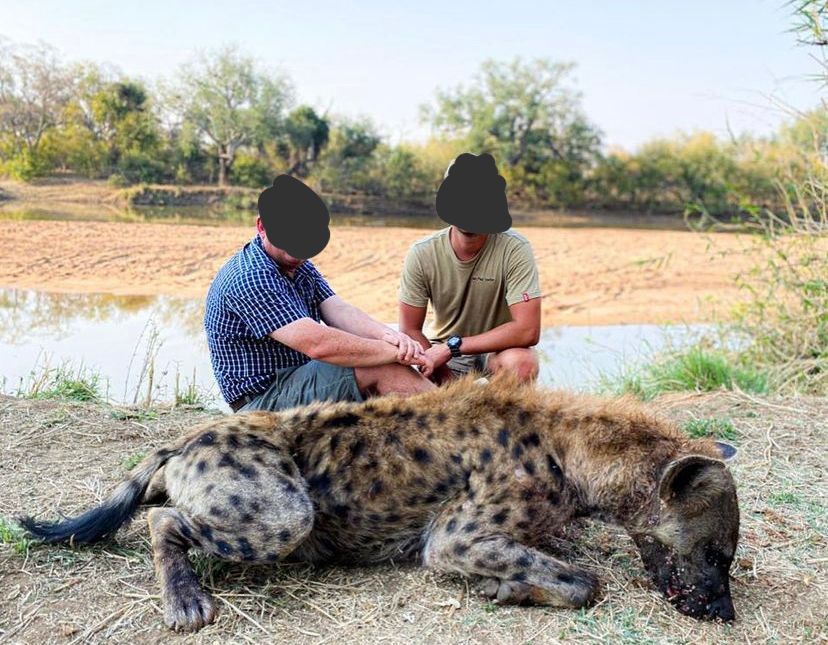
Night Critter Hunting Adventures in South Africa
Booking Season: 2026
Hunt Difficulty: Moderate
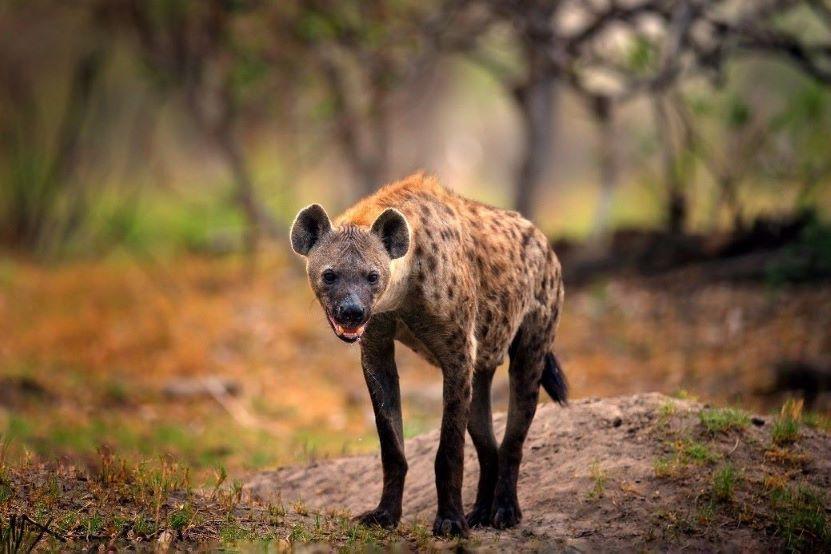
Hyena Hunting & African Critters in Limpopo, South Africa
Booking Season: 2026
Hunt Difficulty: Moderate, Difficult
The African civet has carried the nickname "civet cat" for generations, yet the name is misleading. Despite its cat-like appearance, the African civet is not a member of the cat family.
Much of the confusion comes from appearance rather than biology. Civets have a long body, rounded ears, a spotted coat and a graceful, cat-like way of moving through the bush after dark. They also hunt alone and rely on stealth, further reinforcing the impression that they are small wild cats.
Their behaviour is quite different. African civets are opportunistic omnivores, feeding on everything from rodents, birds and reptiles to insects, fruit and carrion. Rather than specialising in live prey like true cats, they simply take advantage of whatever food is available, making them one of Africa's most adaptable nocturnal predators.
Understanding that difference gives hunters a greater appreciation for the species. A civet is not simply another small predator encountered during a night hunt. It is a unique African carnivore with its own behaviour, ecology and unmistakable place in the African bush.
Few hunters set out specifically to hunt an African civet. Instead, the opportunity usually arises while pursuing other nocturnal species. As darkness settles over the African bush and bait sites begin attracting wildlife, a civet may quietly appear, often long before the intended quarry arrives.
Hunters pursuing Hyena Hunts or Bushpig Hunts regularly encounter civets visiting bait sites in search of an easy meal. Their cautious movements, striking coat pattern and reflective eyes make them one of the easiest nocturnal predators to recognise beneath a spotlight. Even experienced Professional Hunters still enjoy seeing a civet emerge from the darkness.
Patience is one of the African civet's defining characteristics. Rather than rushing into a bait site, it usually approaches cautiously, carefully assessing its surroundings before moving in to feed. If larger animals are present, a civet will often wait for the right opportunity before quietly taking advantage of whatever food is available. Moments later, it slips back into the darkness as silently as it appeared.
Part of the appeal lies in their unpredictability. A single evening may produce bushpigs, civets, genets, porcupines, honey badgers or hyenas, each behaving differently and creating a completely different hunting experience. That variety is one of the reasons African night hunting continues to be one of the most enjoyable parts of many safaris.
The African civet produces one of the most striking full-body trophies found anywhere in Africa. Its bold black-and-white markings, distinctive facial mask, ringed tail and erect dorsal crest combine to create a mount that immediately attracts attention in any trophy room.
A full-body mount is widely regarded as the finest way to display an African civet. It showcases the animal's natural proportions, distinctive coat pattern, ringed tail and graceful posture, creating a trophy that immediately attracts attention in any collection.
A mature male is generally the most sought-after trophy, although telling males from females during a night hunt is not always straightforward. Experienced Professional Hunters usually judge maturity by the animal's overall size, heavier build and broader head rather than relying on a single identifying feature. Taking the time to assess the animal carefully often results in a more rewarding trophy.
Coat condition is equally important. Clean markings, a well-developed dorsal crest, an undamaged tail and a healthy, well-conditioned animal all contribute to the quality of the finished mount. Because civets are primarily nocturnal, hunters are often prepared to wait patiently for the right opportunity rather than rushing the first animal that appears beneath the spotlight.
The African civet may not be a large animal, but that does not make it an easy one to hunt well. Its compact body offers a relatively small vital area, making accurate shot placement far more important than many first-time hunters expect.
A poorly placed shot can result in unnecessary suffering while also damaging the beautifully marked skin that makes the civet such a prized full-body trophy. Patience, careful observation and waiting for the correct presentation usually produce the best outcome for both the hunter and the trophy.
Reviewing our Shot Placement for Specialty Animals guide before arriving in camp provides a useful overview of the anatomy and recommended aiming points for civets and other African species that differ significantly from traditional plains game.
As with every ethical hunt, discipline and preparation remain the foundation of a clean, humane harvest.
African hunting does not end when the sun disappears below the horizon. In many ways, an entirely different safari is only just beginning. As daylight fades, familiar plains game give way to a world of nocturnal predators, secretive scavengers and remarkable animals that few hunters ever see moving during the day.
The African civet is one of those animals. Quiet, cautious and unmistakably beautiful, it often appears without warning before disappearing back into the darkness just as quickly. The encounter may last only a few moments, yet it frequently becomes one of the memories hunters speak about long after returning home.
Some trophies are planned months in advance. Others simply happen because Africa has a way of rewarding patient hunters with the unexpected. A civet is one of those rare trophies that reminds hunters why every evening in the bush is worth staying out just a little longer.
The finest African Hunting Trips are remembered as much for these unexpected encounters as they are for the trophies themselves. When the spotlight reveals a mature civet stepping silently into a clearing, it becomes another reminder that some of Africa's greatest hunting moments can never be planned.
Yes. Civet hunting is legal where permitted by provincial regulations and the necessary permits have been obtained before the hunt. Experienced outfitters normally arrange these permits in advance to ensure the hunt complies with South African wildlife legislation.
No. Despite often being called a "civet cat," the African civet is not a member of the cat family. It belongs to a different group of carnivorous mammals and is more closely related to genets, mongooses and hyenas than to lions, leopards or domestic cats.
African civets are almost entirely nocturnal, spending the daylight hours hidden in dense cover before becoming active after sunset. Most hunting opportunities therefore occur during carefully managed night hunts.
Civets are not generally aggressive towards people and will usually avoid confrontation. Like any wild animal, however, they may defend themselves if cornered or wounded, so they should always be approached with caution under the guidance of an experienced Professional Hunter.
A mature male in excellent coat condition is generally the most desirable trophy. Hunters usually look for bold markings, a healthy dorsal crest, an undamaged ringed tail and a well-conditioned animal suitable for a full-body mount.
A full-body mount showcases the civet's striking coat pattern, distinctive facial mask, erect dorsal crest and graceful posture far better than any other style of taxidermy, making it one of Africa's most attractive small predator trophies.
Absolutely. Civets are often encountered during broader Plains Game Hunts, particularly when hunters spend an evening pursuing nocturnal species after a day in the field. Adding a civet to a safari creates a more varied trophy collection and often becomes one of the most memorable parts of the trip.
Most standard plains game calibres are suitable when combined with accurate shot placement. Because civets are relatively small animals, precision is far more important than excessive calibre.
Yes. In many parts of South Africa, civets require permits before they may be hunted. Hunters should confirm permit requirements with their outfitter well before arriving in camp, as these are normally arranged before the safari begins.
African civets occur across much of South Africa wherever suitable habitat and food are available. They are most often encountered in bushveld, woodland and mixed farming areas, usually while moving between feeding areas after dark.
Search from our range of Hunts across various popular destinations in Africa.

Book Your Hunt