Designed by Hunters, for Hunters

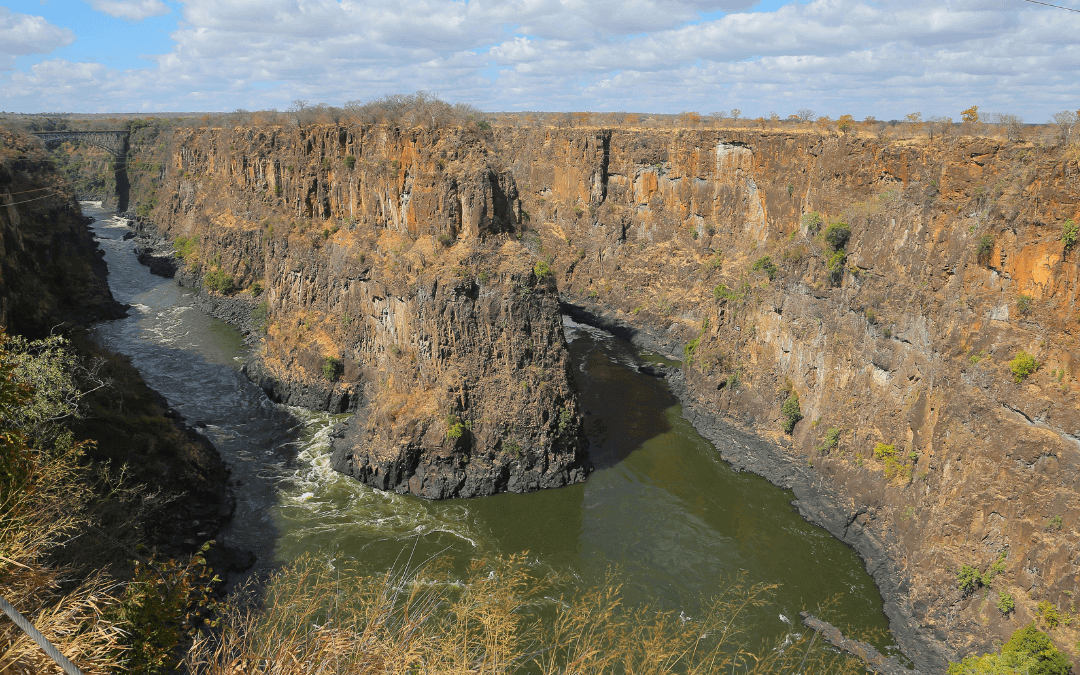
Some of Africa's finest waterbuck hunting takes place where great rivers shape the landscape. From the floodplains of the Luangwa Valley to the vast wilderness of the Kafue ecosystem and the mighty Zambezi River, permanent water creates the ideal habitat for healthy populations of free-ranging waterbuck living exactly as nature intended.
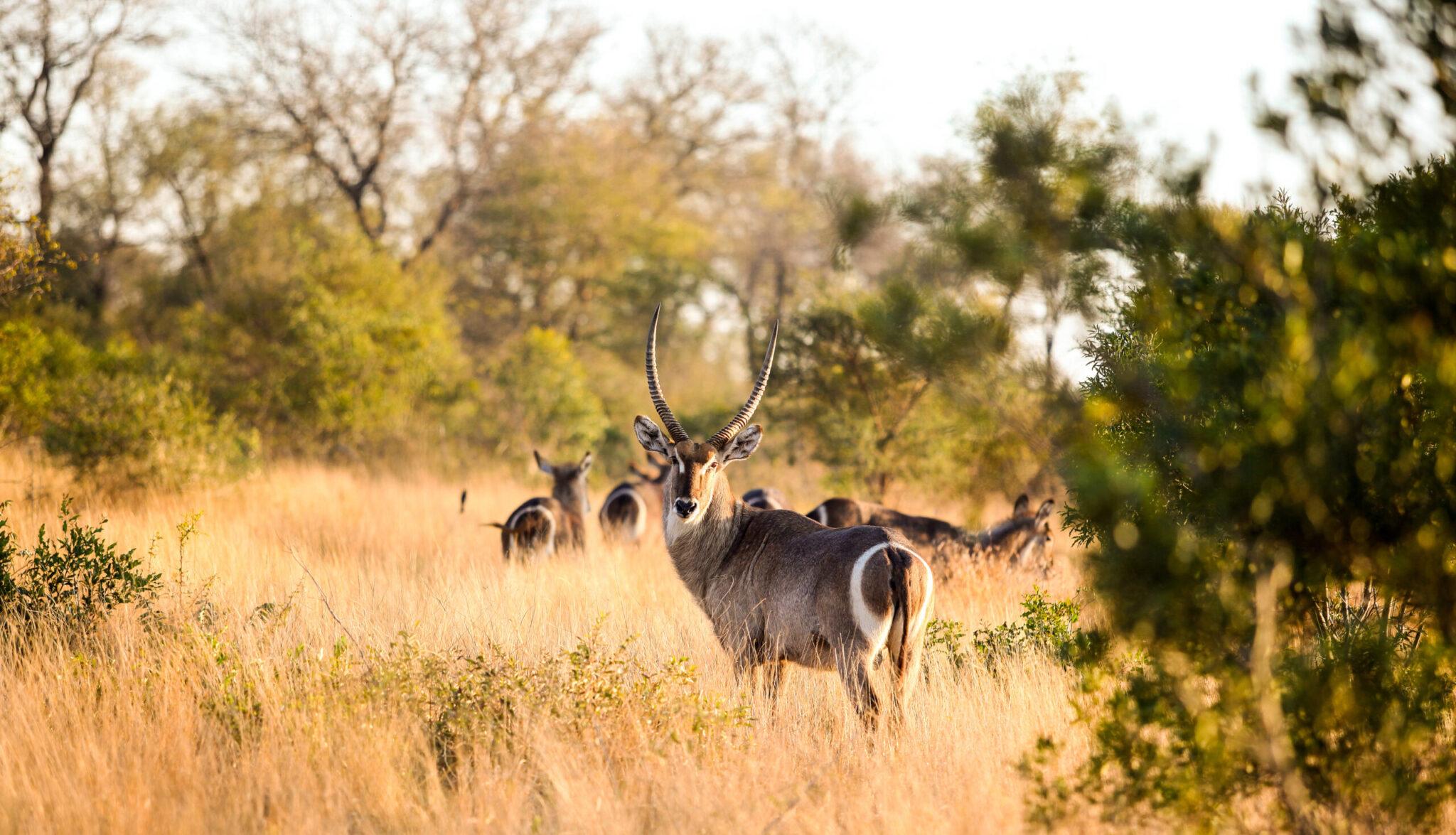
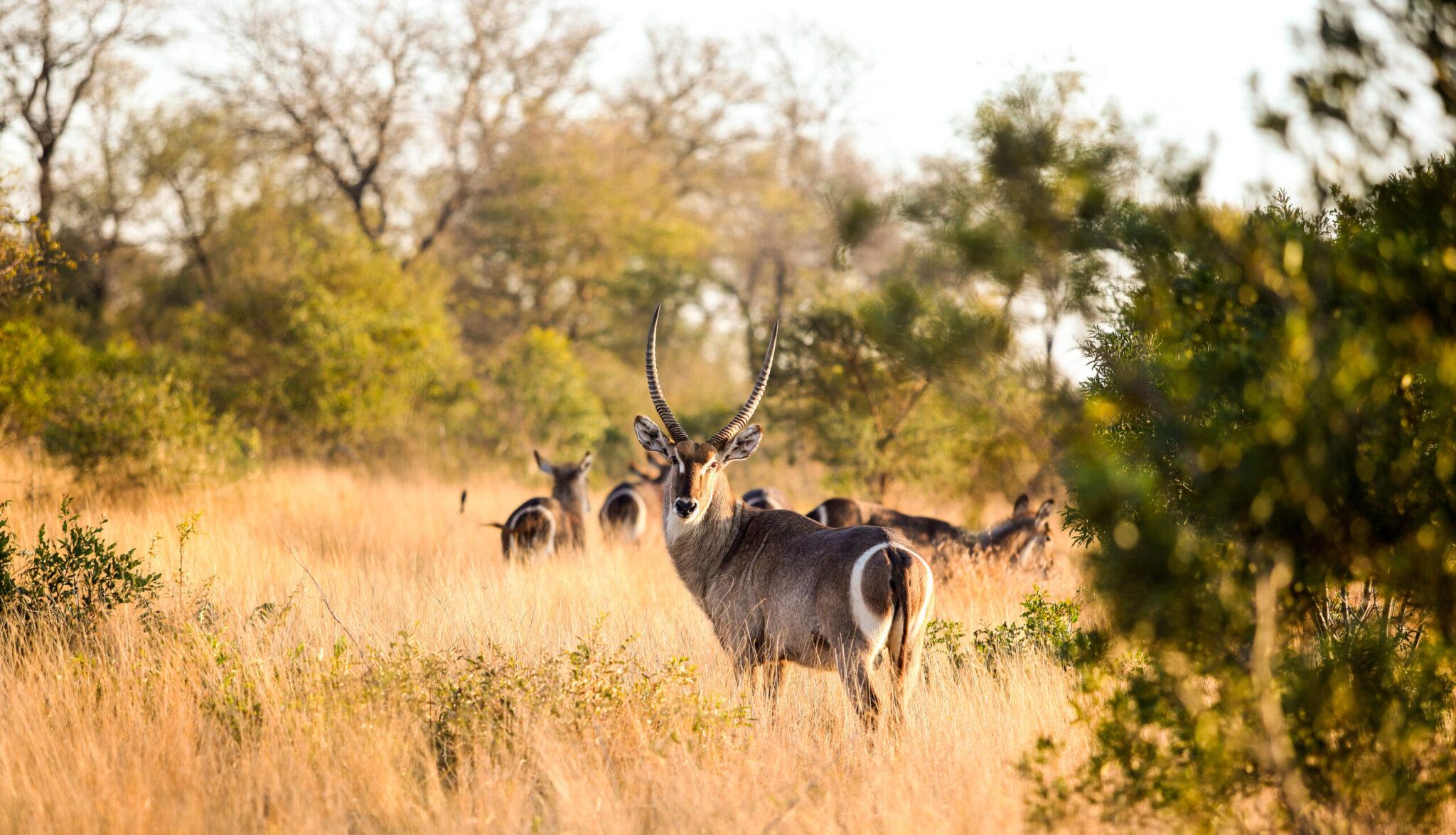
While South Africa is best known for the Common Waterbuck, many of Zambia's finest hunting areas are renowned for Crawshay's Defassa Waterbuck, a distinctive regional form prized by experienced collectors. Zambia therefore offers one of Africa's most diverse Waterbuck Hunts, with opportunities to pursue both the Common Waterbuck and the distinctive Crawshay's Defassa Waterbuck, depending on the hunting area.
Hunting in Zambia offers far more than exceptional waterbuck. These same river systems support iconic species such as Cape buffalo, bushbuck, puku, hippopotamus and Nile crocodile, while Zambia's swamps and reedbeds provide opportunities for unforgettable Sitatunga Hunts. Few destinations offer such a diverse collection of river-dependent game species within the same safari.
Whether your goal is to hunt a mature Common Waterbuck or pursue the distinctive Crawshay's Defassa Waterbuck in wild, unfenced country, Zambia delivers one of Africa's classic free-range hunting experiences.
The great rivers of Zambia do far more than provide drinking water for wildlife. They shape the entire landscape, creating fertile floodplains, dense riverine forests and permanent wetlands that support some of Africa's richest hunting ecosystems.
For waterbuck, these river systems provide everything they need. Fresh grazing, thick cover and reliable water allow mature bulls to establish territories along the edges of rivers and floodplains, often remaining within the same stretch of habitat for many years. While they may occasionally venture into surrounding woodland to feed, experienced professional hunters know that the best place to begin looking for an old bull is almost always close to permanent water.
Unlike South Africa, where waterbuck are often one species among many on a managed hunting property, Zambia's river systems support entire communities of wildlife. Fresh waterbuck spoor may cross the tracks of Cape buffalo, puku, bushbuck, elephant or even lion, reminding hunters that every stalk takes place within one of Africa's last truly wild landscapes.
Understanding these river systems is one of the greatest advantages an experienced Zambian professional hunter brings to the safari. Reading fresh tracks along a sandy riverbank, identifying the preferred feeding areas of mature bulls and knowing how animals move between floodplains and woodland often determines whether the hunt ends with a successful stalk or another memorable day exploring Zambia's wilderness.
Hunting waterbuck in Zambia is as much about understanding the landscape as it is about finding the animal itself. Every river, floodplain and sandy crossing tells a story, and experienced professional hunters spend as much time reading tracks and signs as they do glassing for mature bulls.
Early mornings often begin by checking fresh spoor along riverbanks where waterbuck have fed during the night before returning to thicker cover as the day warms. From there, the hunt becomes a careful exercise in reading the wind, using natural vegetation for cover and anticipating where an old bull is likely to emerge or bed for the day.
Unlike hunting in more open country, opportunities in Zambia often develop quickly. A mature bull may appear unexpectedly along a river margin before disappearing into dense riverine woodland only moments later. Remaining patient, moving quietly and trusting the judgement of experienced trackers are often the difference between success and another unforgettable stalk.
Because Zambia's river systems also support buffalo, elephant, hippopotamus and other dangerous game, every day in the field carries a genuine sense of wilderness. Following fresh waterbuck tracks may lead hunters through some of Africa's most beautiful hunting country, where every bend in the river offers the possibility of encountering far more than the species you came to pursue.
One of the greatest attractions of hunting waterbuck in Zambia is that the safari rarely revolves around a single species. The same floodplains, riverbanks and riverine woodlands that support healthy populations of waterbuck are also home to old buffalo bulls, crocodiles and hippopotamus, making it possible to combine Cape Buffalo Hunts with one of Africa's classic river antelope.
Every day spent along Zambia's great rivers offers something different. Fresh waterbuck spoor may lead through buffalo grazing areas before disappearing into thick riverine bush, while crocodiles bask on nearby sandbanks and hippos emerge from deep pools as the afternoon begins to cool. It is this ever-changing wilderness that makes Zambia one of Africa's most rewarding hunting destinations.
Whether your primary objective is a mature Common Waterbuck or the distinctive Crawshay's Defassa Waterbuck, Zambia's river systems provide an unforgettable free-range safari. Many hunters also choose to combine their waterbuck hunt with Hippo Hunts, taking advantage of the same rivers that have shaped Zambia's wildlife for thousands of years and creating a truly authentic African wilderness safari.
Zambia has earned a reputation for producing exceptional waterbuck because its populations remain truly wild. Across the Luangwa Valley, Kafue ecosystem and the Zambezi River, mature bulls live within vast free-ranging hunting areas where age, natural selection and habitat determine trophy quality rather than intensive wildlife management.
Years spent surviving alongside buffalo, elephant, lion and other predators produce impressive animals. Mature bulls develop heavy bodies, thick necks and well-worn horns that reflect a lifetime of defending territory and navigating one of Africa's richest wildlife ecosystems. The scars, worn horn tips and powerful build of an old river bull often tell a far greater story than the tape measure ever can.
Low hunting pressure across Zambia's extensive safari areas allows many bulls to reach full maturity before being harvested. Combined with excellent habitat and responsible quota management, this continues to produce outstanding trophies while maintaining healthy, self-sustaining populations throughout the country's major hunting areas.
A mature Zambian waterbuck represents far more than impressive horn length. It reflects years of survival in wild country where every season brings new challenges. That combination of maturity, character and genuine free-range hunting has earned waterbuck a place among Africa's most respected Plains Game Hunts, and one of the finest trophies a Zambian safari has to offer.
Yes. Zambia is one of the few African hunting destinations where both the Common Waterbuck and Crawshay's Defassa Waterbuck may be encountered, depending on the hunting area. Crawshay's Defassa Waterbuck is particularly associated with parts of western and central Zambia, while Common Waterbuck occur in other regions. Before booking your safari, discuss your trophy goals with your outfitter so the hunting area matches the subspecies you hope to pursue.
Some of Zambia's finest waterbuck hunting takes place in the Luangwa Valley, Kafue ecosystem and along the Zambezi River. These vast river systems provide permanent water, fertile floodplains and extensive riverine woodland that support healthy populations of mature bulls. Each region offers a slightly different hunting experience, but all are renowned for genuine free-range safaris in wild African country.
Absolutely. One of Zambia's greatest attractions is the opportunity to build a classic African Hunting Trip around its great river systems rather than a single species. A morning following fresh waterbuck spoor may end with crocodiles basking on a sandbank, buffalo crossing a floodplain or hippos emerging from deep water as the sun begins to set.
Zambia's outstanding Crocodile Hunts can easily be combined with a waterbuck safari, creating an unforgettable wilderness adventure shaped by some of Africa's most spectacular rivers.
The dry winter months generally provide the best hunting conditions. As vegetation becomes less dense and animals rely more heavily on permanent water, mature waterbuck become easier to locate and stalk. Cooler temperatures also make long days on foot more comfortable while allowing professional hunters and trackers to read fresh spoor along sandy riverbanks.
Yes. Zambia is recognised for its vast unfenced hunting concessions where wildlife moves naturally across enormous wilderness areas. Waterbuck are hunted in their natural environment alongside buffalo, elephant, lion and countless other species, providing one of Africa's most authentic free-range hunting experiences.
Zambian waterbuck are respected for far more than horn measurements. Mature bulls spend their entire lives surviving in wild river systems where predators, seasonal flooding and competition all shape their development. Heavy bodies, worn horn tips, scarred faces and the character that comes with age often make these trophies especially rewarding for collectors who value authentic free-range hunting over record-book measurements.
Search from our range of Hunts across various popular destinations in Africa.

Book Your Hunt