Designed by Hunters, for Hunters

Legal status: Not legal
Permits available: None
Species status: Fully protected
Alternative countries: Tanzania, Zimbabwe, Namibia
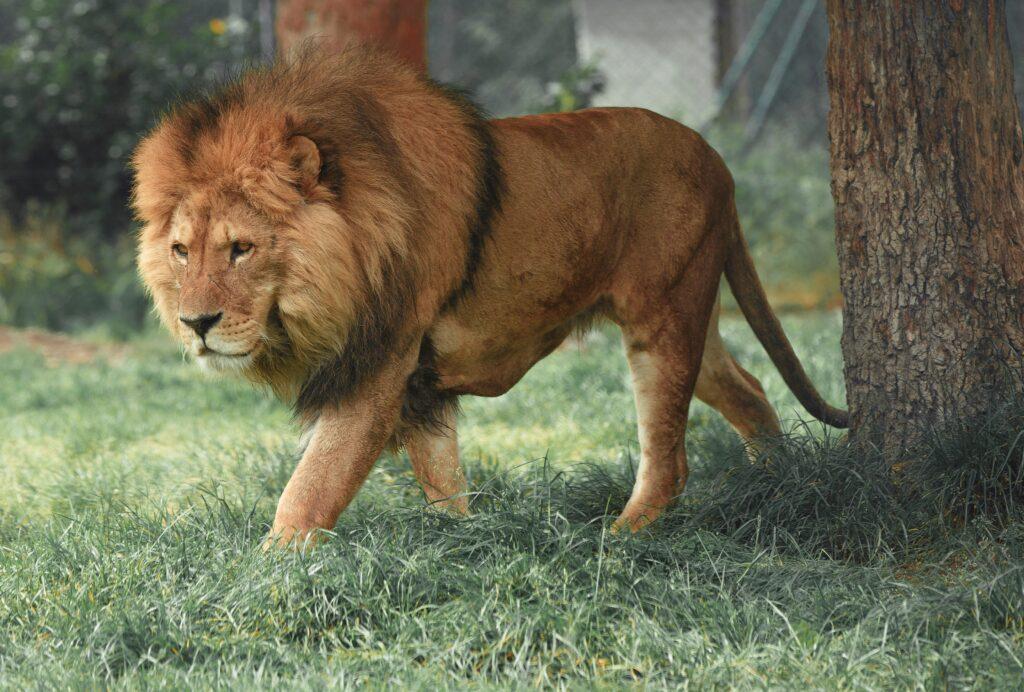
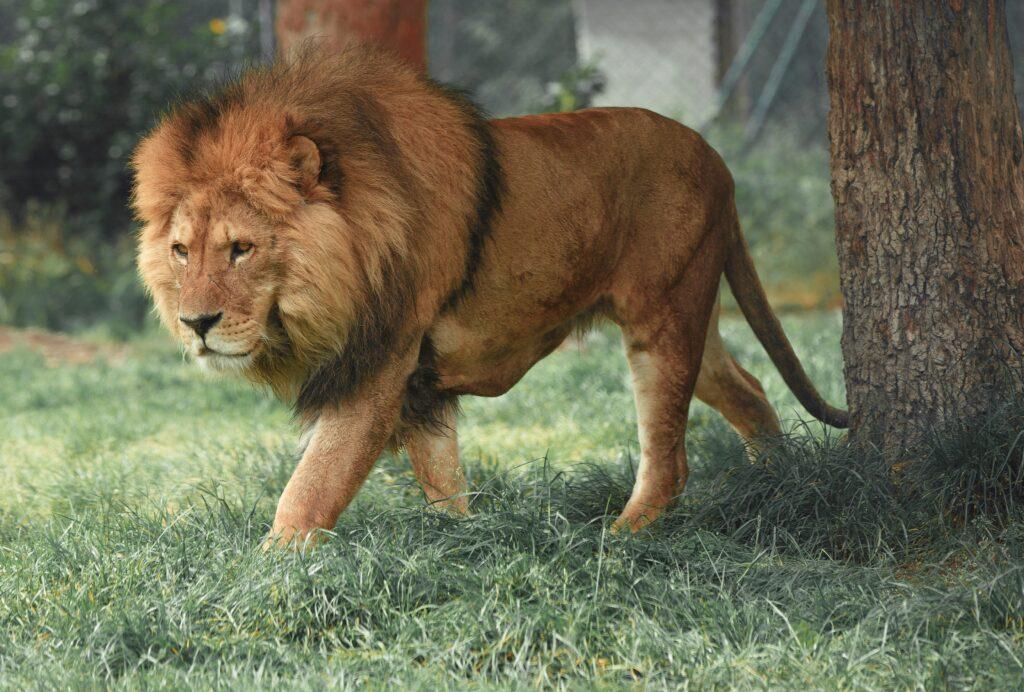
No. Lion hunting is not currently legal in Uganda. Uganda does not offer legal sport-hunting opportunities for lion, and the species is fully protected under the country's wildlife management framework.
Lions in Uganda are managed under strict conservation policies.Populations are relatively small and concentrated within protected areas such as national parks. These are not large, open hunting concessions like those found in Southern Africa. Uganda’s wildlife model is also heavily tied to tourism. Lions are a key attraction, and their long-term value comes from photographic safaris rather than hunting quotas. There are also practical limitations. The country does not have the scale of land or the population distribution needed to support a sustainable lion hunting program.For these reasons, lions have been excluded from hunting entirely and remain fully protected.
Historically, lions were hunted in Uganda during earlier periods when wildlife management was less regulated. As conservation systems developed and populations declined, the country shifted toward protection rather than utilization. Over time, lions were removed from any form of legal hunting.Today, that policy remains unchanged, and hunters researching hunting in Uganda will find that lions remain fully protected and unavailable under any legal hunting quota.
Uganda does offer dangerous game hunting, but only on a limited and tightly controlled basis. Unlike countries such as Zimbabwe or Tanzania, Uganda is not structured as a full dangerous game destination. Its hunting model is smaller in scale, with fewer species available and stricter controls on where and how hunts take place. The primary dangerous game species you can legally hunt in Uganda are Cape buffalo, hippopotamus, and Nile crocodile. These hunts are conducted under government-issued permits, within designated areas, and managed through quota systems that are reviewed regularly.In practice, this creates a very different hunting environment. Availability is limited, safaris are more dependent on tracking than animal density, and conditions often play a larger role in how the hunt unfolds. Compared to Southern Africa, hunts tend to be less predictable and less commercially structured. Just as important is what is not available. Lion and elephant are fully protected and do not form part of any hunting quota. This means Uganda does not offer a full Big Five hunting experience.The result is a destination that can still deliver authentic dangerous game hunting, but within clear limits, and best suited to hunters who understand those limits before booking.
Lion hunting is only available in a small number of African countries where it is tightly regulated and supported by structured safari systems.The primary destinations include Tanzania, Zimbabwe, Namibia, and South Africa. Each of these countries operates under established wildlife management frameworks that allow for controlled lion hunting. In these locations, lion hunting is conducted through government-issued permits, limited by strict quota systems, and carried out by licensed professional outfitters within designated hunting areas. These systems are designed to balance conservation, regulation, and sustainable use. Lions remain one of the most dangerous animals to hunt in Africa, requiring experienced guidance and strict regulatory oversight in countries where it is permitted.Unlike Uganda, these countries are structured specifically for dangerous game hunting, with the land, wildlife populations, and regulatory frameworks needed to support lion hunts as part of their broader safari industry.
Across Africa, hunting regulations and experiences vary significantly by country. In Tanzania, hunting is legal and typically takes place in remote wilderness areas, offering a true back-to-basics safari experience. Zimbabwe also permits hunting and is well known for its classic dangerous game safaris, attracting hunters seeking traditional African big game challenges.In Namibia, hunting is legal and strongly rooted in conservation-based practices, with a focus on sustainability and responsible wildlife management. In contrast, Uganda does not currently offer legal hunting opportunities, making it unavailable as a destination for hunters.
The key difference comes down to structure.Countries that allow lion hunting operate within systems built to support it. They have large, unfenced hunting areas, stable and actively managed lion populations, and regulatory frameworks where hunting plays a defined role in conservation and land use. Uganda does not operate under this model. Lions are primarily found within protected national parks, where hunting is not permitted, and the country’s wildlife strategy is centered on tourism rather than consumptive use.As a result, lion hunting is not simply restricted, it is fundamentally incompatible with how wildlife is managed in Uganda today.
Many first-time hunters assume lion hunting is widely available across Africa. It is not.Lion hunting is limited to a small number of countries with the land, population structure, and legal systems required to support it. Uganda is often mistakenly included due to its strong wildlife reputation, but lion hunting has not been part of its legal framework for decades.Understanding this early helps avoid planning around the wrong destination and allows hunters to focus on countries where lion hunting is actually possible.
Lion hunting in Uganda is not legal and is not available under any hunting permit system.Lions are fully protected and have been excluded from Uganda’s hunting framework for decades. There are no quotas, no permits, and no legal pathways for hunting lions in the country.Uganda remains a destination for limited, regulated hunting of select species, but it is not structured for lion or other full Big Five hunting experiences.If your goal is to hunt lion in Africa, you will need to focus on countries where it is legally permitted, actively managed, and supported by established safari systems.The key takeaway is simple: match the destination to the species, and focus on countries where lion hunting is both legal and realistically achievable.