10x African Plains Game Trophies in 10 Days in Limpopo, SA
Booking Season: 2026
Hunt Difficulty: Moderate, Difficult

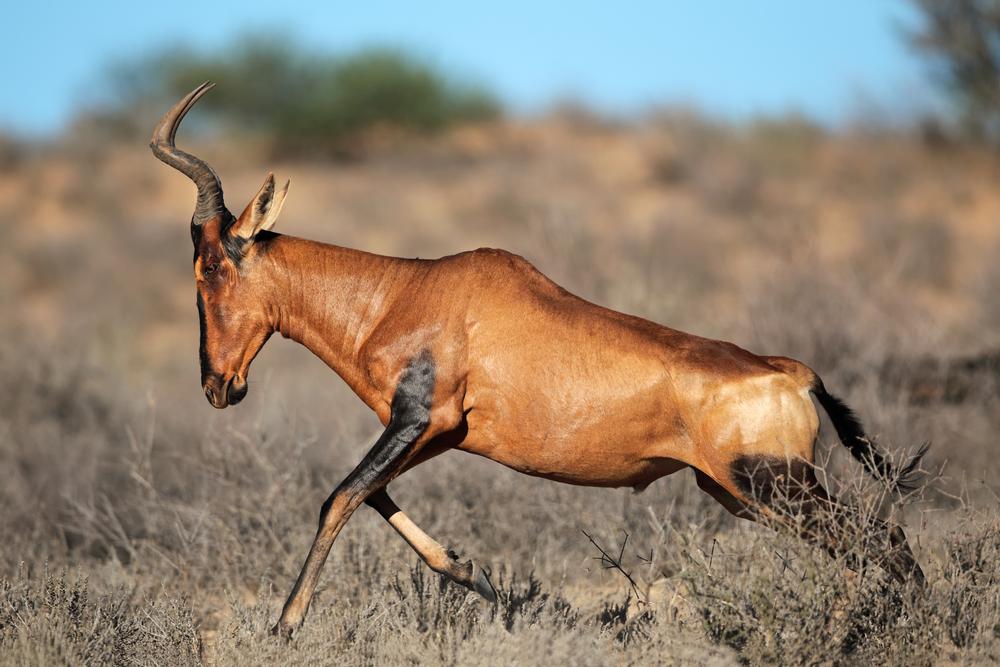
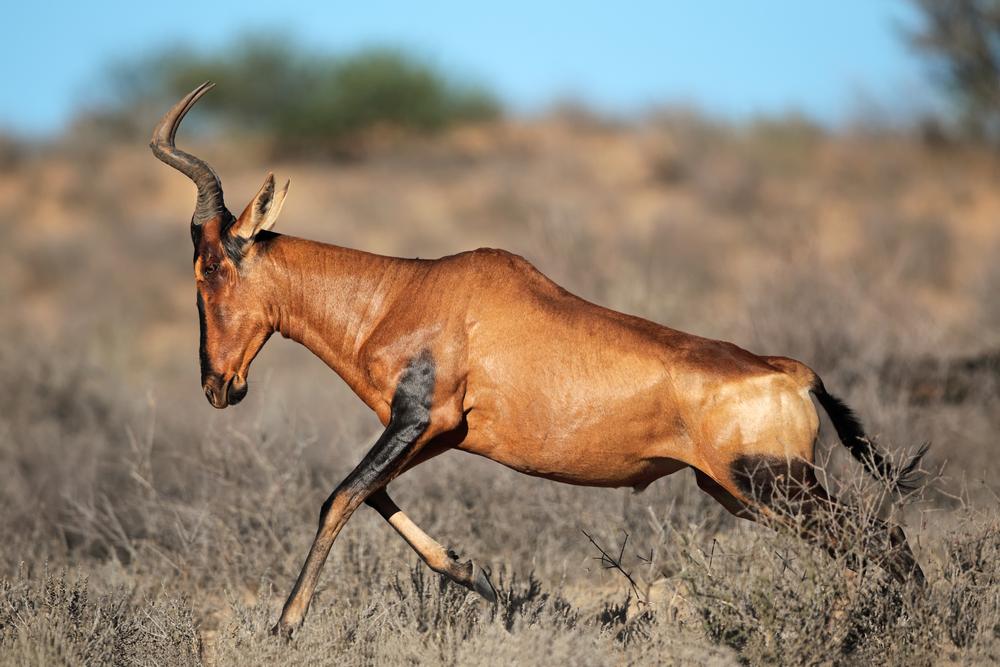
Red hartebeest hunting in South Africa is easy to underestimate. Standing still, they are unusual-looking animals, with elongated faces, sharply sloping backs and heavy horns that sweep outward before turning back toward one another. Put a herd out in open country and try to get within rifle range, however, and the red hartebeest quickly becomes a very different proposition.
They are built to cover ground. Once alerted, a herd can move quickly across open grassland, often stopping at distance to look back before deciding whether to keep going. That combination of good eyesight, open habitat and a tendency to remain in groups can make the final approach surprisingly difficult. There may be plenty of animals in sight, but getting a mature bull clear of the others and standing long enough for a good shot is another matter entirely.
South Africa offers excellent opportunities for Hartebeest Hunts, with red hartebeest found in hunting areas ranging from open grasslands to the drier country of the Kalahari and parts of the interior. The terrain can produce a hunt based around long periods of glassing followed by a carefully planned stalk, and shooting distances may be longer than those encountered when pursuing kudu or other antelope in thick bushveld.
Red hartebeest also fit naturally into broader Plains Game Hunts. They may share the same safari with springbok, blesbok, black wildebeest and other species associated with South Africa's more open country, while hunts in bushveld regions can place them alongside a very different mix of game. This makes the species relatively easy to include in a multi-species safari without reducing it to an animal that simply fills another space on the trophy list.
A mature bull deserves more consideration than that. Finding the herd may be straightforward, but identifying the right animal, working into range across country with limited cover and making the shot before twenty pairs of eyes decide the hunt is over can turn the red hartebeest into one of the better stalks of a South African safari.
Available Red Hartebeest Hunts
10x African Plains Game Trophies in 10 Days in Limpopo, SA
Booking Season: 2026
Hunt Difficulty: Moderate, Difficult
Hunting in South Africa: Tsessebe, Impala, Waterbuck & 2 More Species
Booking Season: 2026
Hunt Difficulty: Moderate
Hunt Kudu, Sable, Zebra, Gemsbok & 4 More Species in Limpopo
Booking Season: 2026
Hunt Difficulty: Moderate
Hunting Safari in SA 10 x Nights Plains Game Combination
Booking Season: 2025
Hunt Difficulty: Difficult

Wildebeest hunting and More in SA 10 days x 2 Hunters
Booking Season: 2026
Hunt Difficulty: Moderate
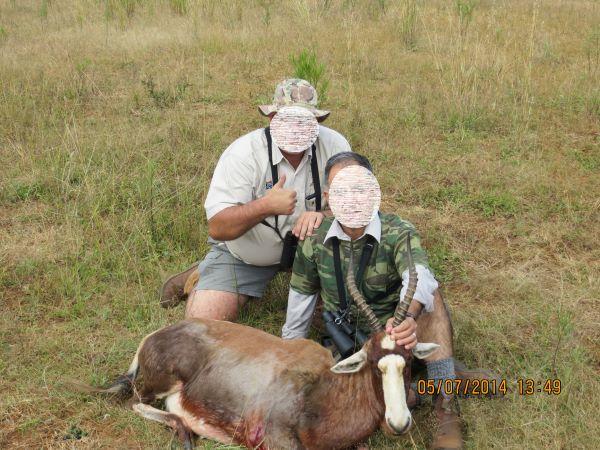
South African Plains Game Couples Hunting Trip
Booking Season: 2026
Hunt Difficulty: Moderate
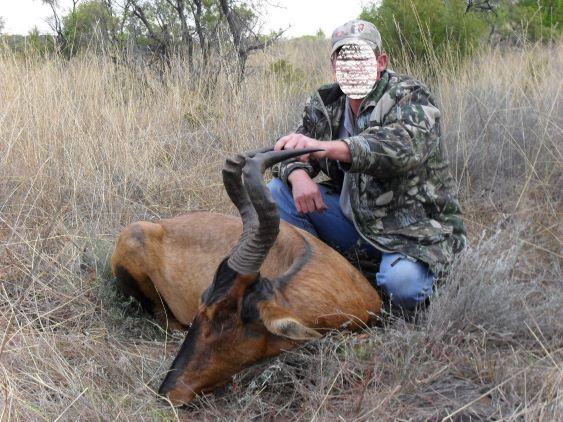
Special First Blood Hunting Safari in South Africa North West
Booking Season: 2026
Hunt Difficulty: Moderate
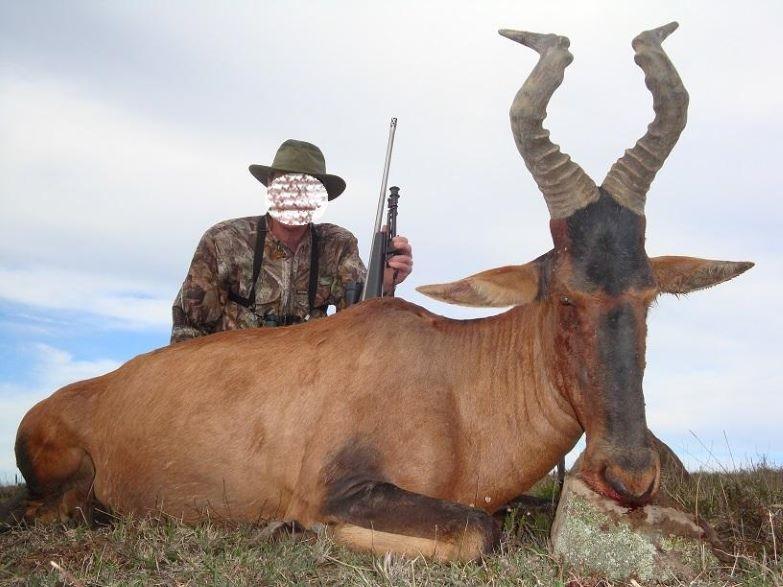
Hunt in South Africa 10 Days in the Eastern Cape
Booking Season: 2026
Hunt Difficulty: Moderate
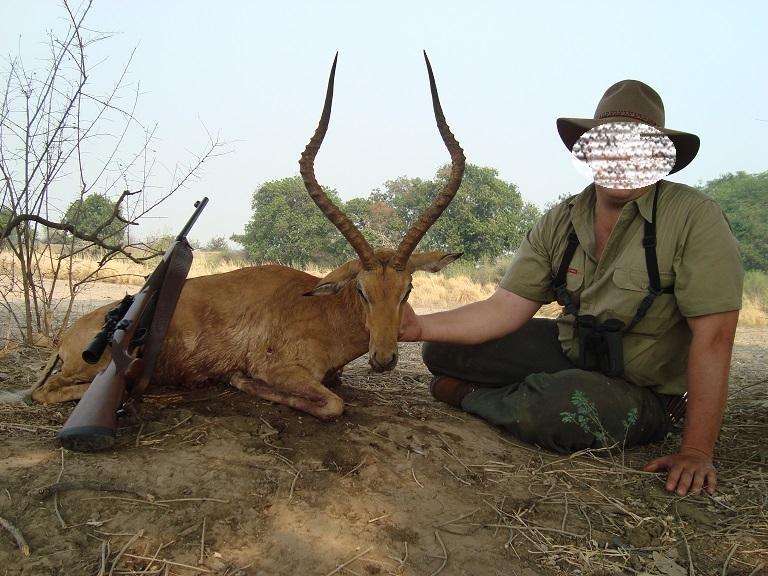
Plains Game Cull Hunt in the Eastern Cape SA
Booking Season: 2026
Hunt Difficulty: Moderate
African Plains Game: Hunt 5 Species in 6 Days in South Africa
Booking Season: 2026
Hunt Difficulty: Moderate
Red hartebeest are hunted across several regions of South Africa, but some of the most characteristic hunts take place in the country's open grasslands, semi-arid interior and Kalahari country. The Free State, Northern Cape and North West all offer suitable habitat, while red hartebeest are also available on established hunting properties elsewhere in the country.
The terrain matters because it dictates how the hunt unfolds. In open grassland, a herd may be visible from a considerable distance, leaving the hunter and Professional Hunter to work out how to cross the intervening ground without being seen. Dry riverbeds, folds in the land and scattered vegetation suddenly become important when there is very little else available to hide an approach.
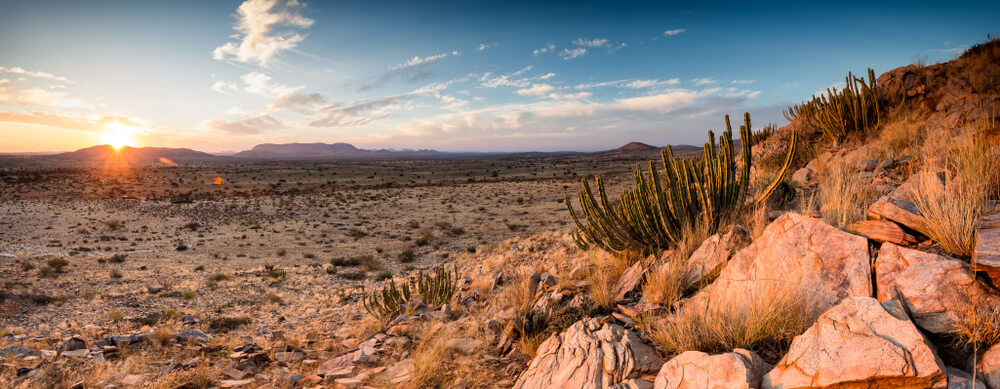
The Northern Cape and Kalahari can offer a different setting again, with wide horizons and red sand creating country particularly well suited to glassing. Finding hartebeest may not be the hardest part of the hunt. Closing the distance without alerting the herd often is, especially when several animals are watching different directions and the nearest useful cover seems to be exactly where you are not.
The variety available through Hunting in South Africa also makes it possible to choose a hunting area around the wider safari. A hunter interested in red hartebeest, springbok and black wildebeest may favour more open country, while a safari combining hartebeest with kudu and other bushveld species could lead to a completely different region and style of hunting.
The best area is therefore not necessarily the one advertising the largest number of red hartebeest. It is the one that holds mature bulls and provides the type of country in which you want to hunt them.
Red hartebeest hunting is typically based around glassing and spot-and-stalk, particularly in the more open parts of South Africa. Herds can often be located from a distance, giving the Professional Hunter time to identify mature bulls and study the terrain before deciding how to approach.
The difficulty begins once the stalk starts. A herd may have animals facing several directions, and open ground can leave very few options for staying hidden. Small ridges, dry riverbeds and changes in elevation become useful cover, sometimes requiring a longer approach simply to avoid being seen.
Once within range, patience may still be needed to separate the selected bull from the herd. Other animals can stand behind him or cross in front just as a shooting opportunity develops, while an alert herd may move off before the hunter ever gets onto the sticks.
Shots can also be longer than those commonly encountered in thicker bushveld. Being comfortable shooting from sticks and knowing your rifle at realistic distances can make a considerable difference. Do not let the red hartebeest's slightly awkward appearance deceive you. These are tough, resilient antelope, and poor shot placement can quickly turn an open-country stalk into a long follow-up. The excitement of finally getting a clear bull should never replace the need for a carefully placed first shot.
When everything comes together, the hunt has a satisfying simplicity to it: find a good bull, use the country to get close and make the shot before the herd discovers what you are doing.
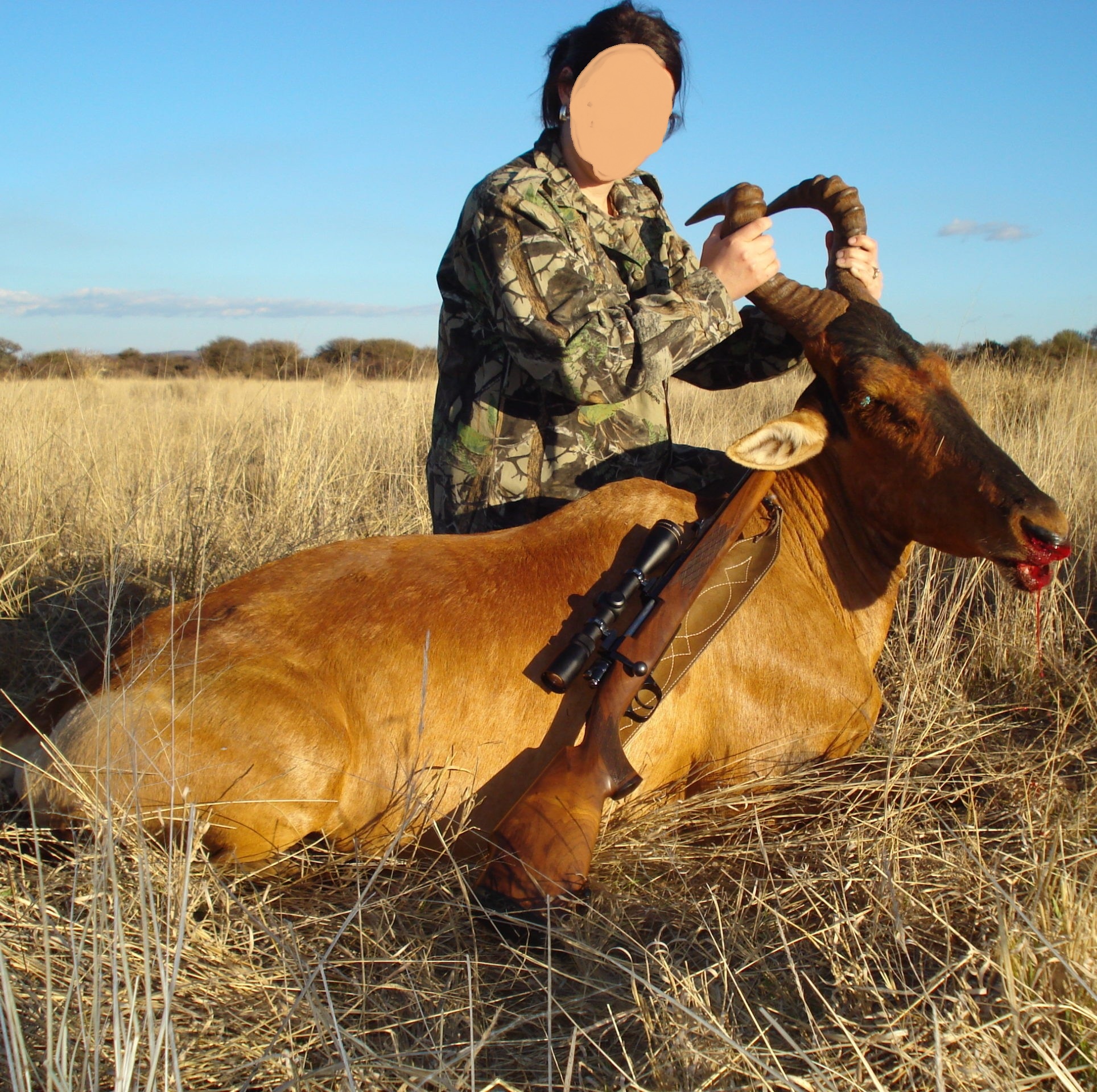
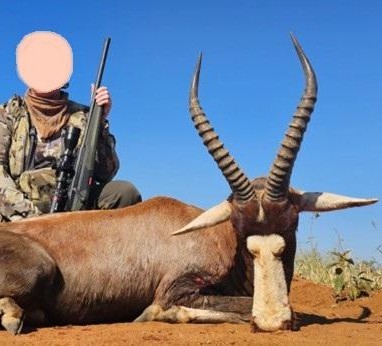
The horns are usually the first thing that draws attention when judging a red hartebeest bull. Rising from a heavy base before sweeping outward and then turning sharply back, they give an old bull a distinctive profile that is difficult to confuse with any other South African antelope.
Horn length is part of the picture, but maturity should not be judged on length alone. The development of the bases, overall shape of the horns and the animal's body and character all help the Professional Hunter assess a bull. When several hartebeest are standing together, taking time to compare them can reveal differences that were not obvious when the herd was first spotted at distance.
Red hartebeest can also be surprisingly difficult to judge accurately in the field. The unusual curve and angle of the horns can make estimating their true length deceptive, particularly at distance. This is one of those animals where it pays to listen to your Professional Hunter. An experienced PH will look at the entire horn structure, including the bases and overall development, rather than trying to judge a bull on one impressive angle through the binoculars. Mistakes are easily made when a hunter becomes fixated on inches.
That opportunity to judge carefully does not always last. A relaxed herd can quickly become a line of red animals moving across the horizon once something causes concern, and judging horns becomes considerably harder when everything is running. Getting a good look at the bull before beginning the final approach avoids trying to make that decision when the herd is already alert.
A mature red hartebeest may never have the imposing reputation of a kudu or the glamour attached to a sable, but that slightly awkward appearance can be deceptive. A heavy old bull, standing alert in open country with thick, worn horns and the herd beginning to watch the approaching danger, is a very different animal from the one that may have started the safari as simply another name on the list.
Red hartebeest are often hunted in relatively open country, making a flat-shooting rifle that the hunter knows well a sensible choice. Popular plains game calibres such as the .270, 7mm Remington Magnum, .308, .30-06 and .300 Winchester Magnum are all suitable when paired with a quality hunting bullet.
The ability to place the shot accurately matters more than carrying unnecessary power. Depending on the terrain, a hunter may need to shoot farther than expected, so knowing the rifle's trajectory and being comfortable from shooting sticks at realistic hunting distances is valuable preparation before arriving in South Africa.
Red hartebeest are tough animals, and good shot placement is important. On a broadside animal, the objective is to reach the heart and lungs, while quartering angles require careful consideration of the bullet's path through the animal. Our Medium Antelope Shot Placement Guide provides a more detailed look at shot angles and aiming points for hunters preparing for an African plains game safari.
A well-placed first shot remains the objective. With a red hartebeest, assuming there will be plenty of time for a second simply because the country is open can be a mistake. Once a herd decides to leave, things can happen very quickly.
Red hartebeest are well suited to a broader South African plains game safari and are often hunted alongside species such as springbok, blesbok, black wildebeest and gemsbok in more open country. In other hunting areas, the same safari may include kudu, impala, zebra and other traditional plains game species, making it relatively easy to build a varied hunt around the region being visited.
Trophy fees are generally more affordable than those associated with premium antelope such as sable or roan, although prices still vary between outfitters and hunting areas. When comparing African Hunting Safari Prices, it is worth looking at the complete package rather than the trophy fee alone, particularly when several species are being combined during the same safari.
Red hartebeest do not necessarily need to be the animal around which the entire trip is planned, but they are worth discussing before the hunt. Confirming availability gives the outfitter an opportunity to select an area that holds good bulls while still providing access to the other species on the list.
Sometimes the animals that were added to the list almost as an afterthought produce the hunts that are remembered most clearly. A mature red hartebeest spotted across a wide stretch of open country, with very little cover between you and him, can very quickly become one of those animals.
Red hartebeest are generally more affordable to hunt than premium plains game species such as sable and roan, although trophy fees vary between outfitters and hunting areas. The total safari cost will also depend on daily rates, the length of the hunt and the other species included. Hunters planning a multi-species safari should compare the complete quotation rather than looking at the red hartebeest trophy fee in isolation.
Red hartebeest can be hunted through much of South Africa's hunting season, with the cooler, drier months providing particularly good conditions for spot-and-stalk hunting. Vegetation may become thinner as the dry season progresses, although the best timing will depend on the region and the other species being hunted during the safari.
Flat-shooting plains game calibres such as the .270, 7mm Remington Magnum, .308, .30-06 and .300 Winchester Magnum are all suitable choices with quality hunting ammunition. Red hartebeest are tough animals, so hunters should use a rifle they shoot accurately and be prepared for the possibility of longer shots in open country.
They can be. Red hartebeest often live in herds in relatively open country, which means several animals may be watching for danger at the same time. Finding the herd can be easier than approaching it, and the lack of cover may require a carefully planned stalk using small changes in terrain to remain hidden. Once alerted, hartebeest can cover ground remarkably quickly.
Yes. Red hartebeest can be bowhunted in South Africa where the outfitter and hunting area accommodate bowhunting. Hunting from a blind overlooking a regularly used water source can be effective, particularly during dry conditions. Hunters should confirm suitable equipment and the expected shooting distance with their outfitter before the safari.
Yes. Red hartebeest are regularly included in multi-species Hunting Trips and can be combined with springbok, blesbok, black wildebeest, gemsbok, kudu and numerous other South African plains game species. The exact combination will depend on the hunting region, so hunters with several priority animals should discuss the complete species list before choosing where the safari will take place.
Search from our range of Hunts across various popular destinations in Africa.

Book Your Hunt