
Zimbabwe Hunting Safari, hunt wild Lion in Matetsi ECA
Booking Season: 2026
Hunt Difficulty: Difficult

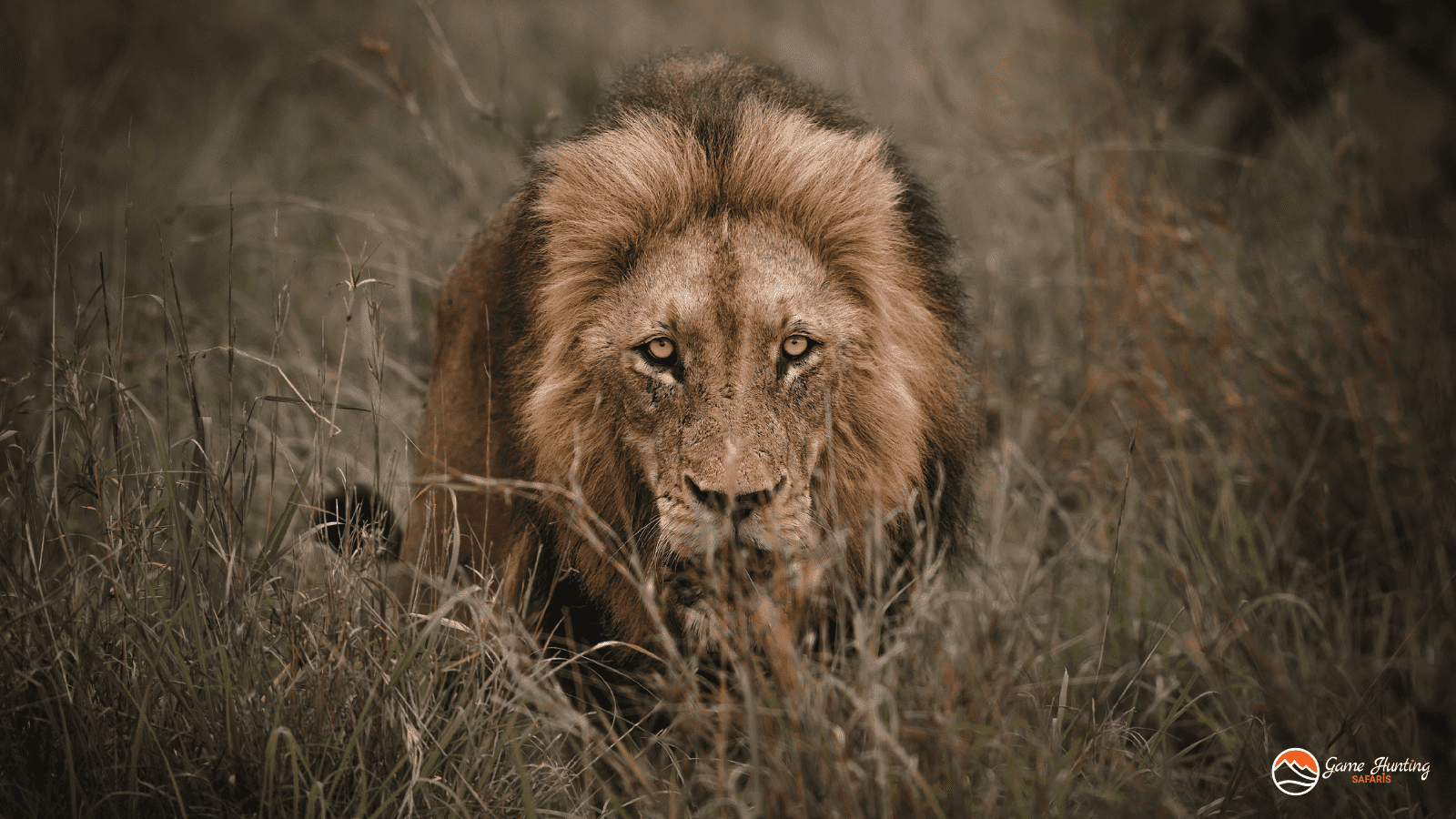
Lion hunting is one of the most searched—and most debated—topics in the hunting world. For hunters in the United States and Canada, the term often causes confusion. Some people are referring to African lion hunting as part of a safari, while others are thinking about American “lions,” more accurately known as mountain lions or cougars. Many are simply trying to understand whether lion hunting is legal, ethical, or even possible in this day and age.
Because the term “lion hunting” can refer to different species, laws, and hunting contexts depending on location, this guide explains both African and North American perspectives before narrowing its focus.
This page is written to provide clarity, not to sell hunts. It explains what lion hunting means globally, how African lion hunting differs from North American mountain lion hunting, why the topic is controversial, and how hunters should think about legality, ethics, and responsibility before going any further.


At a basic level, lion hunting refers to the legal pursuit of a lion species under regulated conditions. The challenge is that the word lion is used to describe very different animals in very different places and can cause some confusion if not correctly explained.
In an African context, lion hunting refers to hunting the African lion within a regulated safari system in specific countries where it remains legal to do so. These hunts are tied to conservation frameworks, professional oversight, and strict quotas in each of these African countries.
In North America, “lion hunting” almost always refers to mountain lion or cougar hunting. It is important to note that these animals are not the same species as African lions and are managed entirely differently under state and provincial wildlife regulations.
Because search engines and popular media often blur these distinctions, hunters researching lion hunting frequently encounter conflicting or incomplete information. Understanding which animal, continent, and legal framework applies is essential before forming an opinion or decisions related thereto.
African Lions
African lions are apex predators native to various parts of sub-Saharan Africa. In countries where regulated hunting is permitted, lion hunts are conducted under tightly controlled systems involving government oversight, professional hunters, and conservation quotas.
African lion hunting is classified as dangerous game hunting. It takes place as part of a structured safari and is governed by laws designed to balance population management, conservation funding, and community benefit. These hunts are deliberate, regulated, and professionally supervised.
American Lions (Mountain Lions / Cougars)
In the United States and Canada, the term “lion” usually refers to mountain lions or cougars. These animals are managed at the state or provincial level, with regulations that vary widely by region.
Mountain lion hunting is typically framed as a wildlife management tool rather than a safari experience. It has no direct connection to African lion hunting and should not be evaluated using the same criteria.
Confusing these two contexts is one of the most common reasons discussions around lion hunting become misleading or confusing.
Few hunts attract as much public attention or emotional response as lion hunting. Media coverage, viral stories, and public campaigns have shaped perceptions, often without explaining the legal or conservation context in which regulated hunting occurs.
For hunters, it is important to separate emotional reaction from factual understanding. African lion hunting exists within a framework that includes quotas, age restrictions, and professional oversight. These systems were created to prevent overharvest and to ensure hunting contributes to conservation rather than undermining it.
The controversy surrounding lion hunting makes education especially important. Hunters considering the subject should understand not only what is legal, but why those systems exist and how they function.
Africa
African lion hunting is only legal in certain African countries and then only under specific conditions. Where permitted, it takes place in designated hunting areas, often in regions where photographic tourism alone cannot support wildlife conservation measures.
These lion hunting safaris are regulated by and through local wildlife authorities and conducted with licensed professional hunters at the helm. Quotas are designed to be conservative, and regulations often include age requirements to protect breeding males and maintain population stability.
North America
Mountain lion hunting in North America is governed by state and provincial wildlife agencies. Some regions allow mountain lion hunting while others restrict or prohibit it entirely. These hunts operate under population-management objectives and differ significantly from African safari hunting in both purpose and structure.
Because the regulatory environments are so different, comparisons between African and North American lion hunting are rarely useful without clear context to make informed opinions or decisions.
African lion hunts are structured, deliberate, and closely supervised. They are not fast-paced experiences and often involve extended periods of tracking, observation, and careful assessment.
Hunters should expect significant time spent assessing conditions rather than taking quick action. Professional guidance shapes every stage of the hunt, and decisions are driven by responsibility, safety, and legality rather than opportunity.
This deliberate pace is a defining part of modern lion hunting and reflects the seriousness with which it is regulated throughout the continent.
Lion hunting carries a level of responsibility that exceeds many other African hunting safaris. Hunters must be prepared to make difficult decisions, including when not to hunt.
Professional hunters play a critical role in managing risk and ensuring ethical standards are upheld, but the responsibility ultimately rests with the hunter. Understanding the implications, whether ethical, ecological, or personal, are part of approaching lion hunting responsibly.
This is one reason lion hunting is often considered later in a hunter’s career, after gaining experience, perspective, and confidence.
Lion hunting is not suited to every hunter, and understanding this early helps set realistic expectations.
Lion hunting tends to suit hunters who:
Hunters seeking fast results or simplified experiences may find lion hunting frustrating to say the least. Many experienced hunters choose never to pursue lions, and that decision is as valid as choosing to do so. Lion hunting is not something to take lightly.
In Africa, regulated lion hunting contributes to conservation through funding, habitat protection, and support for local communities. In some regions, hunting revenue helps preserve large tracts of land that would otherwise be lost to development or agriculture.
This does not mean all lion hunting is equal, nor does it remove the need for scrutiny. Outcomes depend on management quality, enforcement, and ethical standards. Context matters, and blanket judgments rarely reflect the reality of the situation.
For hunters from the United States and Canada, African lion hunting involves additional considerations, including international regulations, compliance with domestic laws, and coordination with licensed professionals.
These factors reinforce the importance of careful research and informed decision-making before proceeding beyond the research stage.
For hunters who determine that African lion hunting aligns with their values and goals, the next step is understanding how regulated hunts are structured and what options exist within the law.
To explore legally conducted safaris, see African lion hunts, which outlines how these hunts operate and what experienced hunters should consider.
This page was written by professionals involved in African hunting safaris, with experience supporting American and Canadian hunters across multiple African countries. The information reflects established hunting practices, legal frameworks, and conservation-based principles.
Lion hunting is legal only in specific countries and regions under regulated systems. Laws vary by location and are subject to change.
No. African lion hunting and North American mountain lion hunting involve different species, laws, and hunting contexts. These factors are often confused during the initial search stage.
As one of Africa’s Big 5 species, African lions are iconic species that many people are quite passionate about and hold in high regard. The topic is often discussed without full context regarding conservation, regulation, and legality and is a very emotional laden topic.
In regulated systems, lion hunting can contribute to conservation through funding and habitat protection, but outcomes depend on management quality.
Yes. African lion hunting is classified as dangerous game hunting and requires professional oversight. The African lion is part of Africa’s Big 5, along with the Cape buffalo, rhino, elephant and leopard and these five species are considered the most dangerous in Africa to hunt on foot.

Search from our range of Hunts across various popular destinations in Africa.
Find A Hunt