
Updated: June 2026
Booking your African Hunting Trip is only the beginning. Once your safari dates have been confirmed, the focus shifts to preparing for the journey ahead. International flights, firearm permits, travel documents, medical requirements, packing the right equipment, and understanding what to expect on arrival all play an important role in ensuring your trip runs smoothly.
This guide has been written to help hunters prepare for every stage of their journey to Africa. Whether you're travelling for your first safari or returning for another adventure, you'll find practical advice based on the questions we answer most often before our clients leave home.
A little preparation before boarding the aircraft can make the difference between a stressful journey and the hunting trip you've spent years looking forward to.
[DYNAMIC-BLOGTABLEOFCONTENT]
Choosing the Right Hunting Destination
One of the first decisions you'll make after booking your African Hunting Trip is selecting the destination that best matches your hunting goals. Every African country offers a different combination of terrain, climate, game species, travel logistics, and hunting traditions, so understanding these differences will help you prepare more effectively for your safari.
The following destinations are among the most popular with international hunters. Rather than asking which country is "best," consider which one best suits the type of hunting experience you're looking for, whether that's your first plains game safari, a traditional dangerous game hunt, or a remote wilderness adventure.
South Africa
For American and international hunters, Hunting in South Africa provides the easiest introduction to Africa. Modern road infrastructure, experienced professional hunters, excellent accommodation, and straightforward travel logistics allow hunters to focus on the safari rather than the journey.
South Africa is also one of the few destinations where hunters can realistically build a safari around almost any budget or species list. Whether your goal is classic Cape Buffalo Hunts, a mixed plains game safari, or combining several species during one trip, the country's well-managed private conservancies and large hunting areas offer exceptional flexibility.
Most international flights arrive at OR Tambo International Airport in Johannesburg, from where hunters usually continue by road or a short domestic flight to their hunting area. Depending on the province, transfers to camp can range from a couple of hours to most of the day, making it worthwhile to arrive well rested before the safari begins.
For first-time visitors, South Africa offers an excellent balance of world-class hunting, comfortable travel, and professional service, making it one of the most popular destinations for hunters travelling to Africa year after year.
Tanzania
Few destinations represent the classic East African safari better than Hunting in Tanzania. Long safari durations, remote fly camps, and enormous unfenced concessions create a style of hunting that has changed remarkably little over the past century. This is one of the few places where hunters can still spend weeks following fresh spoor through vast wilderness with very little sign of human activity.
The country is internationally renowned for Buffalo Hunting in Tanzania, with legendary hunting areas such as the Selous ecosystem, Rungwa, and Masailand producing some of Africa's finest free-range bulls. Tanzania also offers exceptional opportunities for lion, leopard, elephant, hippo, crocodile, and a remarkable variety of East African plains game found nowhere else on the continent.
Travelling to many hunting concessions usually involves a charter flight after arriving in Dar es Salaam or Arusha, followed by a transfer to a traditional bush camp. The remoteness is part of the attraction. Hunters trade convenience for one of Africa's most authentic wilderness hunting experiences.
If your idea of an African hunting trip includes campfires beneath the stars, days spent tracking game on foot, and vast landscapes where wildlife still dominates the horizon, Tanzania is difficult to surpass.
Zimbabwe
For hunters dreaming of a traditional dangerous game safari, Hunting in Zimbabwe remains one of Africa's most respected hunting destinations. Vast unfenced concessions, experienced professional hunters, and a long safari tradition continue to attract hunters looking for an authentic wilderness experience.
Zimbabwe has earned a particularly strong reputation for Leopard Hunting in Zimbabwe. Areas such as the Zambezi Valley, Matetsi, and the Save Valley Conservancy have produced exceptional mature toms for decades, while the country's extensive river systems, rocky escarpments, and thick riverine bush provide ideal leopard habitat. Buffalo, elephant, lion, crocodile, and hippo further add to Zimbabwe's reputation as one of Africa's premier dangerous game destinations.
Most international hunters arrive through Harare or Victoria Falls before continuing by road or light aircraft to their hunting concession. Depending on the area, travel times can vary considerably, making it worthwhile to build an extra day into your itinerary before the safari begins.
Hunters looking for classic tracking, remote wilderness, and some of the finest leopard hunting Africa has to offer continue to place Zimbabwe near the top of their destination list.
Mozambique
Wild, remote, and often physically demanding, Hunting in Mozambique appeals to hunters looking for a true wilderness safari. The country’s hunting areas include vast coutadas, river systems, floodplains, miombo woodland, and swamp country where game is hunted in genuinely free-range conditions.
Mozambique has become especially respected for Buffalo Hunting in Mozambique, particularly in areas such as Niassa and the Zambezi Delta. These hunts often involve long days on fresh spoor, thick cover, riverine bush, and challenging tracking conditions that reward patience and good physical preparation.
Travel logistics can be more complex than in southern Africa’s more developed hunting destinations. Some concessions require charter flights, long road transfers, or careful planning around seasonal rains, especially in remote areas. That difficulty is part of the appeal. Mozambique is not always the easiest destination, but for hunters wanting buffalo, swamps, wilderness, and low hunting pressure, it remains one of Africa’s most rewarding choices.
.
Botswana
For decades, Hunting in Botswana has been synonymous with some of Africa's largest free-range elephant bulls. Although hunting regulations have changed over the years, the country remains one of the continent's most iconic wilderness destinations, with vast unfenced landscapes stretching from the Okavango Delta to the Kalahari Desert and Chobe region.
Today, Botswana is once again attracting hunters seeking exceptional Elephant Hunting in Botswana, where mature bulls roam enormous wilderness areas with very little human development. Safaris here are often physically demanding, involving long hours tracking fresh spoor through deep Kalahari sand, mopane woodland, and floodplain systems before getting within range.
Travelling to hunting concessions frequently involves light aircraft or long road transfers into remote camps where wildlife still dominates the landscape. That remoteness is one of Botswana's greatest attractions, offering hunters an opportunity to experience Africa on a scale that few destinations can still provide.
For those seeking truly wild country, giant elephant bulls, and one of the last great wilderness hunting destinations in Africa, Botswana remains in a class of its own.
Namibia
With vast open landscapes, low human population density, and exceptional wildlife conservation, Hunting in Namibia offers one of Africa's most rewarding spot-and-stalk hunting experiences. From the red dunes of the Kalahari to the rugged mountains of Damaraland and the thornveld of central Namibia, every region presents a different hunting challenge.
While Namibia is internationally recognised for outstanding plains game hunting, it has also earned global respect for Elephant Hunting in Namibia, particularly the country's famous desert-adapted elephants found in the northwest. Hunting these remarkable animals often involves covering long distances on foot through dry riverbeds and rugged mountain terrain, creating one of Africa's most distinctive elephant hunting experiences.
Most international hunters arrive through Windhoek before travelling several hours by road to their hunting concession. The country's excellent infrastructure, professional outfitters, and stable hunting regulations make Namibia one of the easiest African destinations to travel through while still offering an authentic wilderness safari.
Whether pursuing a magnificent kudu bull, stalking gemsbok across open plains, or searching for desert-adapted elephant in some of Africa's most dramatic landscapes, Namibia remains one of the continent's most memorable hunting destinations.
Zambia
For hunters seeking a traditional wilderness safari, Hunting in Zambia continues to offer some of Africa's most authentic free-range hunting. Large Game Management Areas surrounding the country's national parks support healthy wildlife populations, while relatively low hunting pressure helps preserve the classic safari atmosphere that has made Zambia famous.
The country has long been respected for Lion Hunting in Zambia, particularly in the Luangwa Valley and parts of the Kafue ecosystem, where mature free-range lions have been pursued for generations. Zambia also offers outstanding opportunities for Cape buffalo, leopard, crocodile, hippo, and a remarkable variety of endemic plains game species, including Black Lechwe, Kafue Lechwe, Cookson's wildebeest, and Chobe bushbuck.
Travelling to Zambia generally involves an international flight to Lusaka followed by a domestic charter or road transfer into the hunting area. Many concessions are remote, allowing hunters to enjoy a genuine bush camp atmosphere far removed from busy tourist destinations.
For hunters who value traditional safari hunting, exceptional dangerous game, and the opportunity to pursue species found nowhere else on earth, Zambia remains one of Africa's true hidden gems.
Specialist Rainforest Hunting Destinations
Not every African Hunting Trip takes place on open plains or in classic savanna country. For hunters pursuing species such as Bongo Hunts, forest elephant, Lord Derby eland, sitatunga, or the many elusive rainforest duikers, countries including Cameroon, the Republic of Congo, and Gabon offer a completely different style of safari.
Unlike traditional dangerous game hunting, rainforest expeditions revolve around tracking in dense equatorial forest where visibility may be limited to only a few metres. Experienced local trackers, often from indigenous forest communities, become an essential part of the hunt, reading subtle signs that most visiting hunters would never notice. Every day is spent moving quietly beneath the rainforest canopy rather than glassing distant hillsides or tracking across open plains.
Planning these specialist safaris also requires additional preparation. Multiple international and domestic flights, strict baggage limits on charter aircraft, tropical climates, specialised clothing, and longer safari durations all need careful consideration well before departure. These are not typical African hunting trips—they are true expedition-style safaris into some of the continent's last great wilderness areas.
Hunters considering a rainforest safari should take the time to learn about the unique challenges before travelling. Our guide, The Unwritten Rules of Hunting Africa's Rainforests: A Field Guide for Serious Hunters, explains the specialised equipment, hunting techniques, and practical realities of pursuing game in Africa's equatorial forests, helping you arrive better prepared for one of the world's most rewarding hunting adventures.
Travel Documents, Vaccinations and Firearm Permits
One of the biggest mistakes first-time hunters make is assuming every African country follows the same travel and firearm regulations. In reality, visa requirements, temporary firearm import permits, vaccination recommendations, and customs procedures vary considerably from one destination to another.
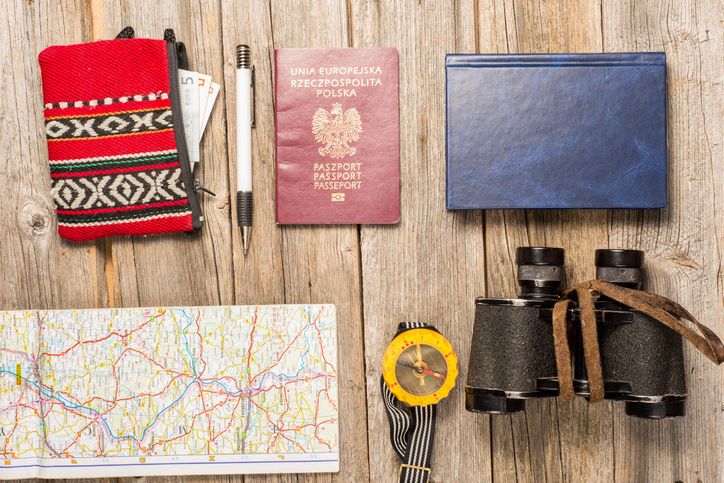
Most countries require your passport to remain valid for at least six months beyond your travel dates, while some destinations also require multiple blank passport pages for entry and exit stamps. Depending on your destination and nationality, a visa may be issued on arrival, obtained online before departure, or arranged through the relevant embassy.
Medical requirements also differ between countries. While routine travel vaccinations are commonly recommended, destinations in tropical regions may require additional precautions such as Yellow Fever certificates if arriving from an affected country. Malaria prevention should also be discussed with your doctor before travelling, particularly when hunting in low-lying river systems or tropical environments.
If you plan on travelling with your own rifle, allow plenty of time to arrange the necessary documentation. Some countries process firearm permits on arrival, while others require applications to be submitted several weeks before departure. Your outfitter will normally assist with these applications and advise exactly which documents are required.
Because regulations can change without notice, always confirm the latest travel requirements with your outfitter and the relevant embassy before booking international flights. Spending a few minutes checking your paperwork before departure is far easier than dealing with unexpected delays at customs after arriving in Africa.
Charter Flights and Africa's Remote Hunting Camps
One of the most memorable moments of an African Hunting Trip often begins long before the first spoor is found. After arriving at a major international airport, the journey may continue aboard a light charter aircraft bound for a remote hunting concession far from busy towns and tourist routes.
Unlike commercial airlines, bush aircraft operate with strict baggage limits, making soft duffel bags a far better choice than large hard-shell suitcases. Luggage is weighed before departure, and every kilogram matters when flying into small airstrips carved out of the wilderness.
The flight itself often provides your first real glimpse of the country you'll be hunting. Winding rivers, endless mopane woodland, floodplains, mountains, and vast unfenced wilderness stretch to the horizon, giving a true appreciation of just how remote many African hunting areas really are.
Landing on a dirt airstrip in the middle of the bush is an experience that stays with you. More often than not, your professional hunter and trackers will already be waiting beside the aircraft, with the hunting vehicle parked nearby and camp only a short drive away. From that moment, the planning, paperwork, and long journey fade into the background, the safari has finally begun.
Not every destination requires a charter flight, but countries such as Tanzania, Mozambique, Zambia, Cameroon, the Republic of Congo, and parts of Botswana frequently rely on light aircraft to access concessions that would otherwise take many hours, or even days to reach by road.
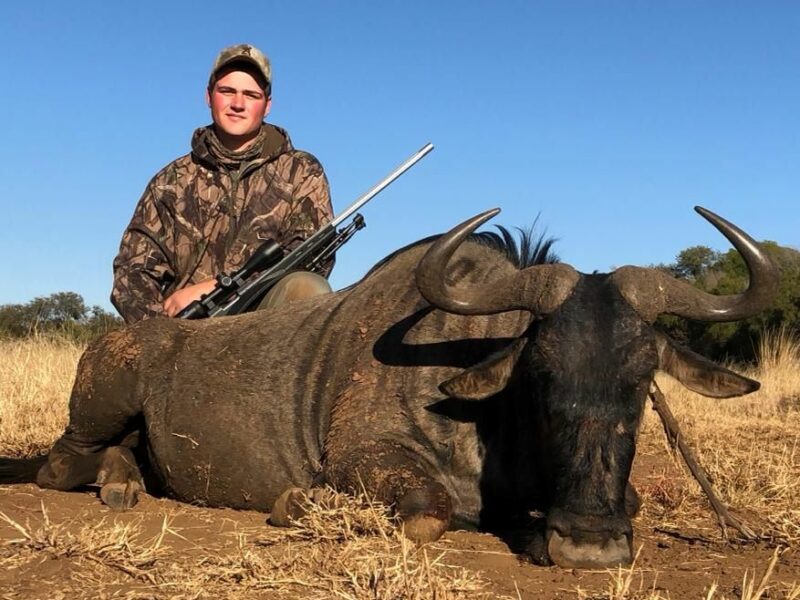
Plan for Your Trophies Before You Leave Home
One aspect of an African Hunting Trip that is often overlooked is what happens after the hunt. Before travelling, it's worth discussing your trophy plans with both your outfitter and taxidermist so that everyone understands whether you intend to export your trophies, have them mounted in Africa, or simply take photographs home.
Most hunters choose to have their trophies professionally dip packed before being shipped to a taxidermist in their home country, while others prefer to complete the taxidermy work in Africa. Each option has advantages, and making this decision before your safari begins helps avoid unnecessary delays once the hunt is over.
International trophy exports involve permits, veterinary inspections, shipping documentation, and customs procedures that vary between countries and species. Your outfitter and shipping agent will normally coordinate this process, but understanding the timeline beforehand helps set realistic expectations. Depending on the destination and the work required, trophies may take several months to arrive after your safari has ended.
A short conversation before your trip about taxidermy preferences, shipping costs, and import requirements can save time, reduce unexpected expenses, and ensure your trophies arrive home exactly as you intended. .
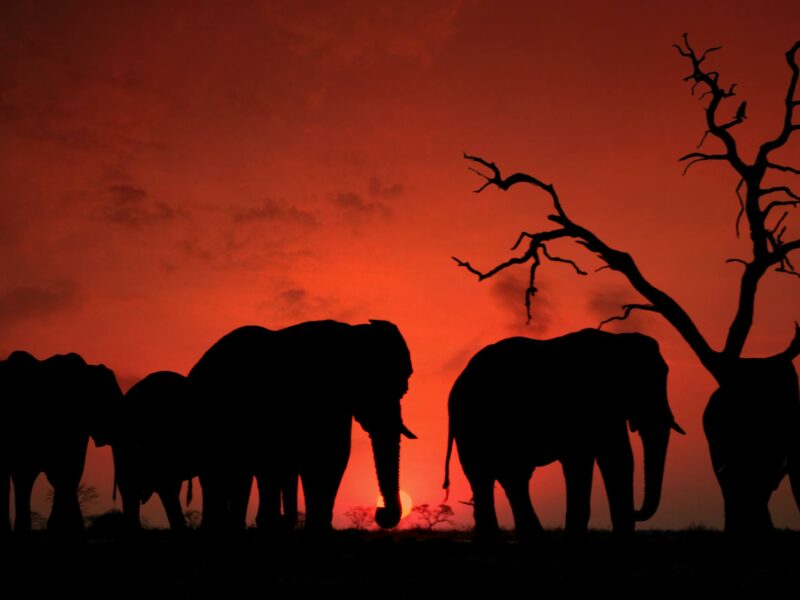
Your African Hunting Trip Starts Long Before You Arrive
The success of an African hunting trip is often determined long before the first day in the field. Choosing the right destination, understanding the travel requirements, preparing the correct equipment, and knowing what to expect on arrival all contribute to a smoother, more enjoyable safari.
Africa offers an extraordinary variety of hunting opportunities, from classic plains game safaris and dangerous game adventures to specialist rainforest expeditions found nowhere else in the world. Every destination presents its own challenges, traditions, and rewards, making careful planning one of the most important parts of the entire journey.
With the right preparation completed before you leave home, you'll arrive ready to focus on what really matters—enjoying every moment of your African hunting trip and creating memories that will last a lifetime.
Frequently Asked Questions About Africa Hunting Trips
How early should I arrive in Africa before my hunting trip begins?
If possible, arrive at least one day before travelling to your hunting concession. This provides time to recover from international flights, deal with any unexpected baggage delays, and begin your safari well rested.
Do I need a charter flight to reach my hunting area?
Not every hunting destination requires a charter flight, but many remote concessions in Tanzania, Mozambique, Zambia, Botswana, Cameroon, Gabon, and the Republic of Congo are most easily reached by light aircraft. Your outfitter will advise what is required for your specific safari.
Can I take hard suitcases on a bush flight?
Most charter operators prefer soft duffel bags because they are easier to load into smaller aircraft and comply with strict baggage restrictions. Before travelling, always confirm luggage limits with your outfitter or charter company.
Should I bring my own rifle or hire one in Africa?
Both options work well. Many hunters prefer using their own rifle, while others choose to hire a professionally maintained firearm from their outfitter to simplify international travel and firearm import procedures.
What happens to my trophies after the hunt?
Once your safari has ended, trophies are normally prepared by a professional dip and pack company before being shipped to your chosen taxidermist or directly to your home country. Discuss your trophy plans with your outfitter before travelling so the necessary export arrangements can be made from the outset.
Do I need travel insurance for an African hunting trip?
Comprehensive travel insurance is strongly recommended. A suitable policy should cover medical emergencies, flight delays, baggage loss, trip cancellations, and emergency evacuation where appropriate.
Will I have mobile phone reception and Wi-Fi in camp?
That depends on your destination. Camps located near towns often provide reliable mobile coverage and internet access, while remote wilderness concessions may have limited or no reception. Disconnecting from phones and emails is often one of the unexpected highlights of spending time in the African bush.
How physically demanding is an African hunting trip?
The physical demands vary considerably between destinations and species. Some hunts involve relatively short stalks, while others require walking several miles each day through mountains, swamps, thick bush, or open savanna. Discuss your fitness level with your outfitter before booking so your safari matches your expectations.
How far in advance should I start preparing for my trip?
Preparation should ideally begin several months before departure. This allows enough time to arrange passports, visas where required, firearm permits, travel insurance, medical requirements, and any specialised equipment without unnecessary last-minute pressure.
What is the biggest mistake first-time hunters make before travelling to Africa?
Leaving everything until the last minute. Booking flights, arranging travel documents, breaking in your boots, practising from shooting sticks, confirming baggage allowances, and discussing expectations with your professional hunter well before departure will help ensure your safari starts smoothly.