
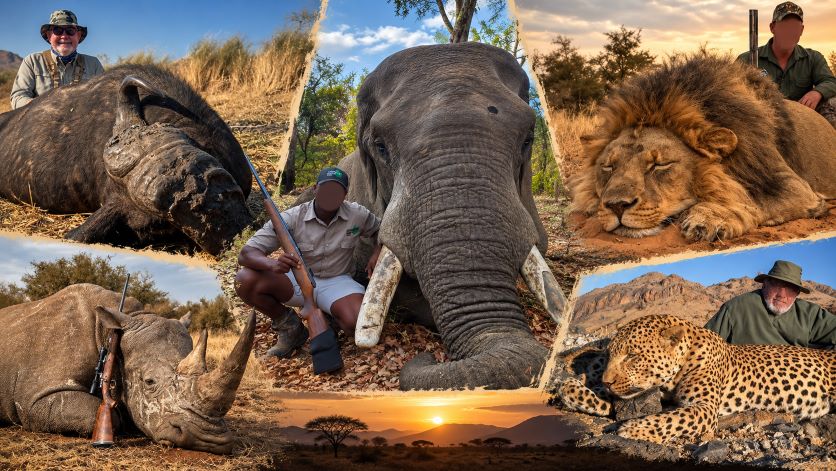
Big Game hunting and Big Five hunting are often talked about as if they mean the same thing. They do not.
Big Game hunting is the broader category and can include everything from kudu, sable and eland to buffalo, elephant and lion. Big Five hunting, on the other hand, refers specifically to elephant, rhino, Cape buffalo, lion and leopard. That distinction is important when you start looking at an African safari. A hunt described as a big game hunt does not automatically mean you will be hunting one of the Big Five, and a serious Big Game safari can be built entirely around other large African species.
The label tells you something. The actual species and hunting objectives tell you more. For hunters comparing African safaris, understanding that difference makes it much easier to know what kind of hunt you are really looking at.
Big Five Hunting Has a Specific Meaning
Unlike Big Game hunting, Big Five hunting has a specific meaning. It refers to five animals: elephant, rhino, Cape buffalo, lion and leopard. The term does not include every large African animal, and it does not include every species regarded as dangerous game. It is simply a group of five animals long associated with traditional African safari hunting.
Today, a hunter looking specifically at Big Five hunting is looking at a much narrower category than Big Game hunting. Big Five tells you exactly which group of animals is being discussed. Big Game does not.
A Big Game Safari Does Not Have to Include the Big Five
A serious Big Game safari can be built entirely around animals outside the Big Five.
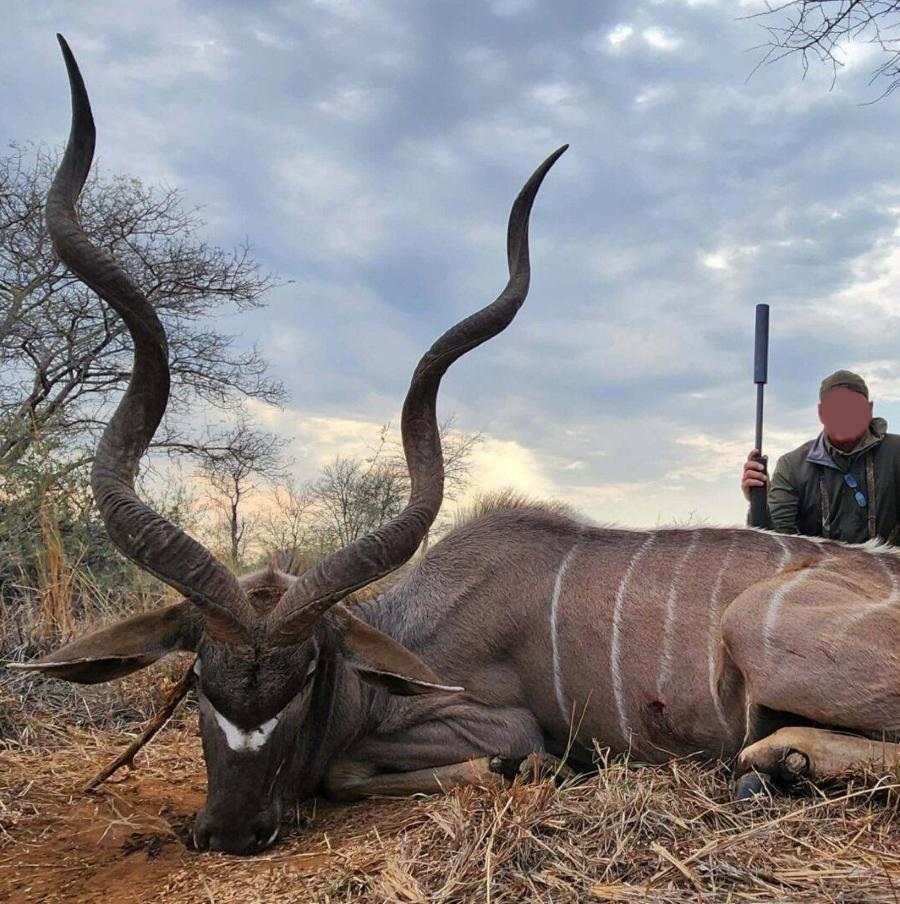
Kudu, sable, eland, bongo, waterbuck, wildebeest and giraffe are all examples of large African game that can form the backbone of a demanding safari. The hunt may involve long days on foot, difficult tracking, careful shot placement and plenty of judgement from the PH, without a lion, leopard, elephant, rhino or buffalo ever appearing on the licence.
That is why the term Big Game is so much broader in practice.
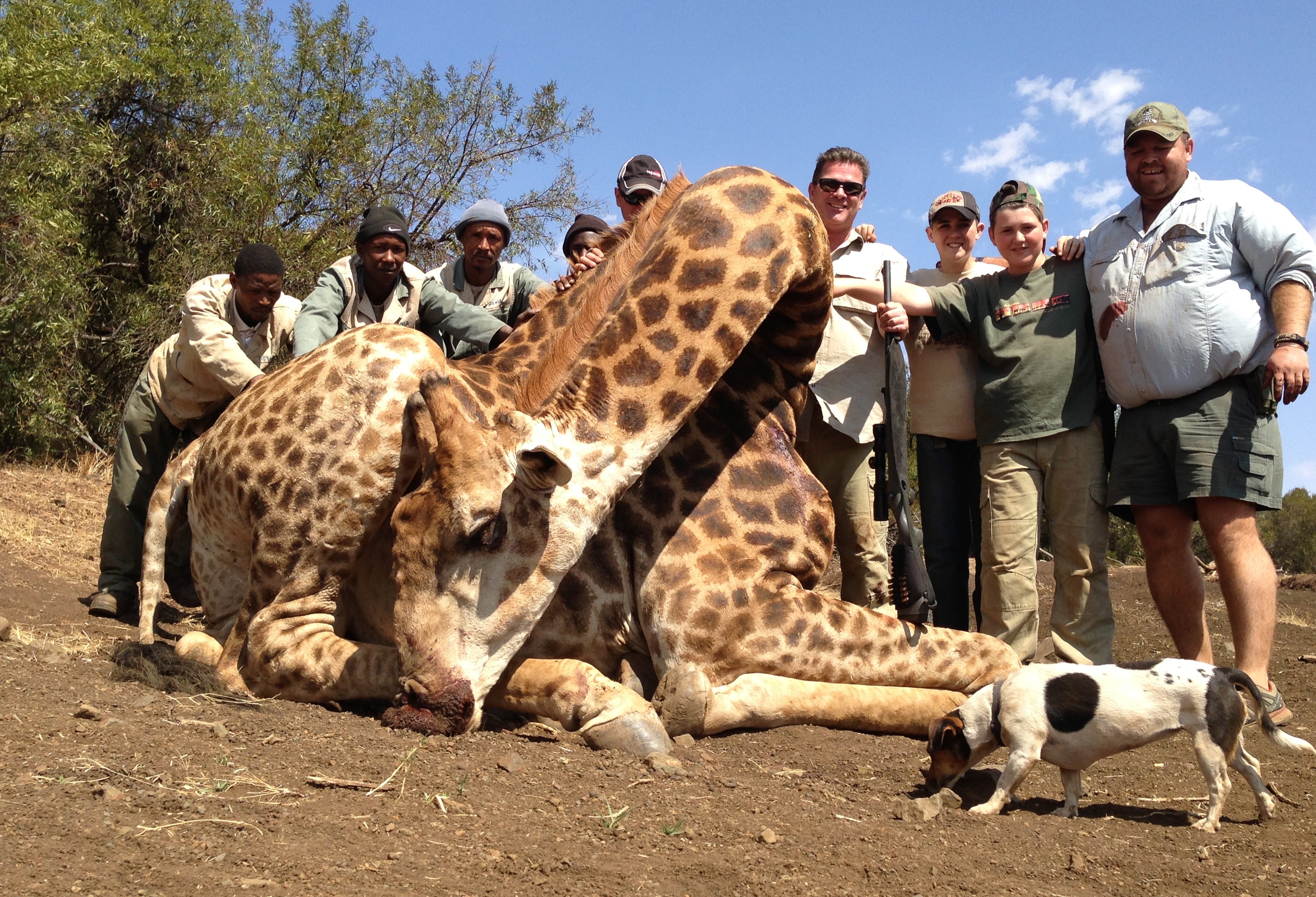
A good example is giraffe hunting. A mature giraffe is a large, powerful animal and can make for a serious hunt, but it is not part of the Big Five. Our own giraffe hunting expedition in South Africa is a simple example of how a genuine Big Game hunt can sit completely outside the Big Five category. For hunters looking at African safaris, that matters. You do not need to be hunting one of the famous five for the safari to be a true Big Game hunt.
Why the Difference Matters When Looking at a Safari
The distinction is important when you start comparing actual hunts.
A safari described simply as Big Game hunting can cover a wide range of species and hunting objectives. One hunt might be built around sable, kudu and eland. Another may include buffalo and several plains game species. The words Big Game alone do not tell you exactly what is on offer.
A Big Five hunt is much more specific. If one of those five animals is the main objective, the safari is usually built around that animal first, with other species fitted around it where possible.
This is important for hunters travelling from the United States, where an African safari may be planned many months in advance. Before comparing two hunts by name alone, look at the actual species, quota and primary hunting objective. The label is useful. The hunt behind it matters more.
Hunting Around the Big Five Is Not the Same as Hunting the Big Five
A safari can take place in an area where Big Five animals are present without any of them being on the hunter’s licence or forming part of the hunt.
That distinction comes up often in Africa. A hunter may be after kudu, sable or other plains game while elephant, buffalo or lion occupy the same broader hunting area. In other cases, a Big Five animal may be the main objective and plains game is added around it.
The setting may feel similar. The hunt itself is not. What matters is not simply which animals live in the area, but which species are available to hunt and which one the safari is built around.
What Changes When a Big Five Animal Becomes the Main Objective?
Once a Big Five animal becomes the main hunting objective, the safari will revolve around that species.
A buffalo hunt may mean spending most of the day on tracks. Lion or leopard can pull attention toward baiting, checking cameras and working around the hours when those animals are moving. Elephant can mean long days following spoor and judging bulls before a shot is ever considered.
Tanzania is a good example. A hunter may be there primarily for plains game or species that are not available across every African destination, yet spend those hunting days moving through country shared by buffalo, elephant, lion and other dangerous game.
Big game hunting in Tanzania can therefore mean hunting among some of Africa’s most famous animals without any of them necessarily being the primary objective.
Other game can still be part of the safari, but the PH will protect the time, area and hunting opportunities needed for the main objective first. This is a practical difference between a broad Big Game safari and a hunt built around one of the Big Five. The name of the hunt may only be a few words. The way those days are spent can be completely different.
Frequently Asked Questions
Does Big Game hunting mean Big Five hunting?
No. Big Five hunting refers specifically to elephant, rhino, Cape buffalo, lion and leopard. Big Game hunting is a much broader term and can include many other large African species.
Can you hunt Big Game in Africa without hunting one of the Big Five?
Absolutely. A safari built around species such as kudu, sable, eland, giraffe or bongo can still be a Big Game hunt without including any of the Big Five.
Are all Big Five animals considered Big Game?
Yes. All five Big Five species fall within the broader world of African Big Game hunting, but Big Game extends well beyond those five animals.
Is every dangerous game animal part of the Big Five?
No. Dangerous game is a separate category. Species such as hippo and crocodile are regarded as dangerous game but are not members of the Big Five. Hunters wanting the fuller distinction can read our guide to Big Game hunting vs dangerous game hunting.
Can one safari include Big Five animals and other Big Game?
Yes. Many African safaris combine a primary Big Five objective with other Big Game or plains game where the area, quota and hunting time allow.
What does “Big Game safari” mean when an outfitter advertises a hunt?
It is a broad description rather than a guarantee of specific species. Look at the actual animals offered, quota and main hunting objectives rather than assuming the words Big Game automatically mean Big Five.
About the Author
Tamlyn van Wyk has hunted extensively across Africa and has first-hand experience with both plains game and larger African Big Game species. Through Game Hunting Safaris, she has also been involved in helping hunters understand the practical differences between hunt types, species combinations and safari objectives.