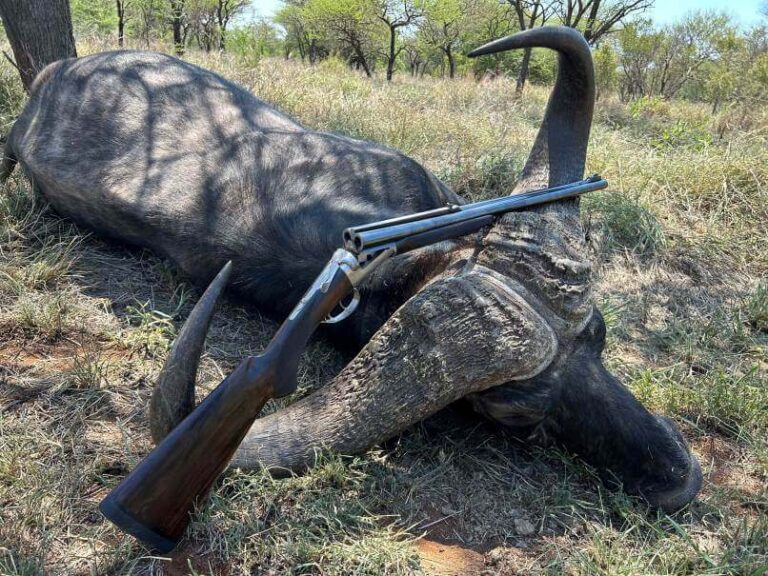
Cape buffalo hunting costs in Africa can vary dramatically from one country to another. Factors such as concession size, hunt duration, government levies, logistics, and whether the safari takes place in a free-range or managed environment all influence the final price of the hunt.
Hunters who pursue Cape buffalo are rarely searching for the cheapest safari. Most are looking for the right balance between authentic hunting conditions, quality trophy potential, wilderness experience, and overall safari value. Some destinations focus heavily on infrastructure and accessibility, while others still offer large unfenced areas where tracking old dagga boys remains physical, unpredictable, and deeply rewarding.
Zimbabwe has earned a respected reputation among dangerous game hunters for offering that balance between true free-range buffalo hunting in Zimbabwe and genuine safari value. In regions such as the Zambezi Valley and the Lowveld, hunters still experience the kind of fair-chase Cape buffalo hunting that helped build Africa’s dangerous game legacy.
From South Africa’s managed buffalo systems to Tanzania’s premium wilderness concessions, understanding these differences helps hunters choose the destination best suited to their expectations, budget, and hunting style.
African Buffalo Hunts: Price Tag Variations
Cape buffalo safari costs vary between African countries for several reasons. The size and remoteness of the concession, government trophy fees, safari duration, and overall hunting logistics all influence the final cost of the hunt.
In remote dangerous game areas, particularly in countries such as Zimbabwe, Zambia, and parts of Tanzania, operating a safari concession comes with significant expense. Long road transfers, specialized vehicles, charter flights, fuel, camp maintenance, and experienced support staff all form part of the reality of running a professional buffalo safari on free-range concessions.
Minimum safari day requirements also play a role in pricing. In countries such as Zimbabwe, Tanzania, and Zambia, Cape buffalo hunts are often conducted over longer periods to allow hunters enough time to track mature bulls properly across large unfenced wilderness areas. In contrast, some South African and Namibian buffalo hunts may operate with shorter recommended safari lengths due to more accessible hunting properties and infrastructure.
The style of hunt itself also affects cost. Free-range buffalo hunting in Zimbabwe often takes place across large concessions where buffalo move naturally without perimeter pressure. These hunts involve longer tracking distances, more demanding terrain, and a far less predictable hunting environment. Many hunters consider the long hours on spoor, changing wind conditions, and unpredictability of old dagga bulls to be the real measure of a traditional Cape buffalo hunt.
Accommodation standards also influence pricing, although many experienced buffalo hunters place greater value on the quality of the hunting area than luxury camp facilities. In remote concessions, particularly in Zambia and Tanzania where hunting seasons are relatively short, safari camps often operate only during the active season and are reduced or partially dismantled during the rainy months when many areas become inaccessible.
Maintaining these camps, along with moving staff, supplies, vehicles, fuel, and equipment back into the concession each season, adds considerably to operating costs. Hunters pursuing free-range buffalo in these areas are often paying not only for the trophy itself, but for access to large wilderness systems that require substantial effort and expense to maintain each year.
Free-Range vs Fenced Cape Buffalo Hunts
The debate between free-range and fenced Cape buffalo hunts has existed for decades and remains one of the biggest considerations when comparing buffalo hunting costs across Africa. In countries such as South Africa, parts of Namibia, and southern Zimbabwe, many buffalo hunts take place on privately owned properties, while other destinations still offer large unfenced concessions where buffalo move naturally across vast areas.
The discussion usually centers around fair chase. Well-managed fenced areas can still provide excellent buffalo hunts, particularly when properties are large enough to allow buffalo to move and behave naturally without excessive human interference. In certain areas, however, limited water sources or supplementary feeding programs may influence animal movement and create more predictable hunting conditions.
The style of concession also affects overall safari cost. Managed buffalo properties located closer to major towns and cities generally operate with lower transport and logistical expenses, which can reduce overall safari pricing. In contrast, free-range buffalo hunting in Zimbabwe often takes place in remote dangerous game areas where camps, vehicles, fuel, and support staff must operate far from established infrastructure.
These free-range buffalo safaris usually involve longer tracking distances, heavier terrain, and less predictable encounters with mature bulls. In unfenced free-range concessions, that unpredictability remains part of what many hunters value most about traditional Cape buffalo hunting.
Zimbabwe Buffalo Safaris: Authentic Free-Range Value
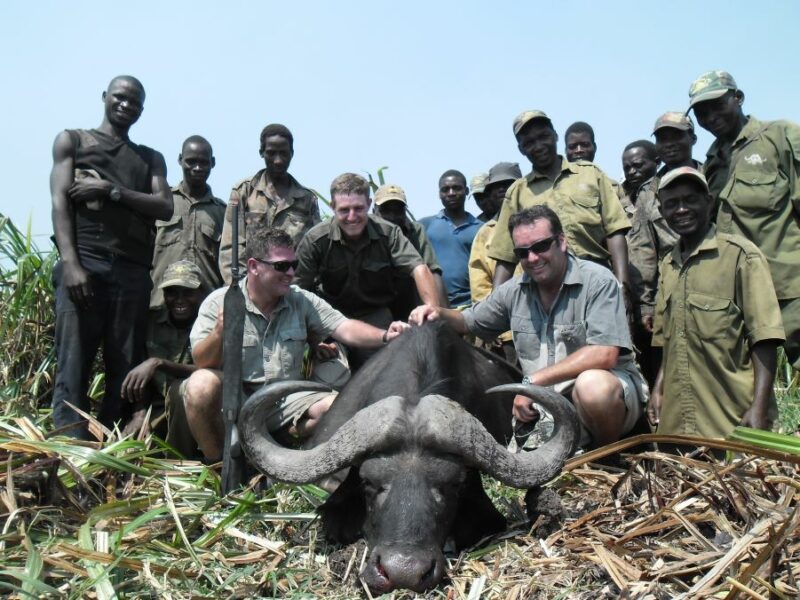
When discussing Cape buffalo hunting costs in Africa, Zimbabwe is often viewed as one of the stronger value destinations for hunters seeking a genuinely free-range hunt. Many of the best hunting concessions in Zimbabwe remain unfenced, allowing buffalo to move naturally across large ecosystems without the restrictions found in more heavily managed environments.
Buffalo hunts in Zimbabwe are commonly conducted in remote areas where hunters may spend long days on foot tracking old dagga bulls through thick jesse bush, dry river systems, and rugged valley terrain. These safaris are rarely predictable, and success often depends on patience, tracking ability, wind conditions, and the experience of the professional hunter and tracking team.
Compared to certain premium destinations where charter flights, extended safari minimums, and high concession overheads can increase pricing dramatically, Zimbabwe often offers a balance between authentic free-range hunting conditions and realistic safari costs. While these hunts remain logistically complex, hunters consider the overall experience exceptional value given the quality of the wilderness areas and the style of hunting involved.
Another factor influencing safari costs in Zimbabwe is the quality and management of the concession itself. Areas with strong buffalo populations, experienced operators, and consistent dangerous game management naturally command higher prices than smaller or more accessible hunting properties. As with most Cape buffalo hunts in Africa, the cheapest option is not always the best reflection of the hunting experience being offered.
South Africa Buffalo Hunting Costs
South Africa offers some of the most accessible Cape buffalo hunting opportunities on the continent, with a wide range of safari options available across privately managed ranches and concessions. Good infrastructure, established hunting operations, reliable road networks, and proximity to major cities all help reduce many of the operational costs associated with dangerous game safaris.
Unlike some remote free-range areas farther north, many South African buffalo ranches operate throughout the year with permanent staff, maintained roads, established accommodation, and consistent support systems already in place. This often allows outfitters to offer shorter safari durations and more flexible hunting packages compared to countries where buffalo hunting is conducted exclusively in remote seasonal concessions.
Another factor influencing pricing in South Africa is the way buffalo are valued and managed on certain properties. In some areas, trophy fees may fluctuate significantly depending on horn spread, age, breeding history, genetic value, and whether the bull is classified as a hard boss or soft boss buffalo. As a result, Cape buffalo hunt pricing in South Africa can vary dramatically between concessions and individual animals.
Some ranches manage buffalo more intensively for trophy quality and breeding purposes, while others operate across larger concessions with lower management pressure. As with most Cape buffalo hunts in Africa, the size of the concession, style of management, and quality of the buffalo population all influence both the hunting experience and the final safari cost.
For hunters looking for accessible travel, shorter safari durations, and professionally managed hunting operations, South Africa continues to attract strong interest within the dangerous game hunting community. At the same time, hunters seeking more remote free-range conditions often compare these experiences against concessions in countries such as Zimbabwe, Zambia, and Tanzania when evaluating overall safari value and hunting style.
In South Africa, buffalo hunts are also frequently combined with plains game hunting packages, particularly on larger privately owned ranches where species such as sable, roan, kudu, and other antelope are managed alongside dangerous game. Many hunters choose to combine a Cape buffalo safari with additional species, particularly when pursuing high-value animals such as sable hunts or roan hunts as part of a broader African hunting experience.
These combination safaris can influence overall pricing structures, especially where buffalo are marketed as part of a multi-species trophy package rather than strictly as standalone dangerous game hunts. In some cases, the ability to combine Cape buffalo with plains game hunting opportunities allows hunters to extend their safari while maximizing the overall value of the trip.
Tanzania Cape Buffalo Hunting Costs
Tanzania has long been regarded as one of Africa’s premier destinations for Cape buffalo hunting, particularly for hunters seeking large free-range concessions, low hunting pressure, and extended dangerous game safaris. Many buffalo hunting areas in Tanzania are exceptionally remote, requiring charter flights, long road transfers, and fully operational seasonal camps established far from major infrastructure.
Unlike countries where shorter buffalo hunts are common, Tanzania often operates with longer minimum safari requirements, particularly within government concession systems. These extended safari periods increase overall costs considerably but also allow hunters more time to track mature buffalo bulls across vast unfenced concessions where animal movement remains largely unrestricted.
Another major factor influencing buffalo hunting prices in Tanzania is the scale of the concession itself. Some hunting blocks cover enormous areas of remote bushveld, miombo woodland, floodplains, and river systems that require year-round concession management, anti-poaching operations, camp maintenance, and professional safari staff. Maintaining these remote hunting areas comes at substantial cost, particularly in regions where camps are only active during the hunting season.
Tanzania remains one of the few destinations where a traditional East African dangerous game safari can still be experienced across truly vast free-range concessions. Buffalo hunts in Tanzania are often conducted as part of extended dangerous game safaris, particularly in concessions that also offer elephant hunts and leopard hunts alongside Cape buffalo. These multi-species safaris typically require longer hunting periods, larger support teams, additional licensing, and more complex concession logistics, all of which contribute to the higher overall cost of dangerous game hunting in Tanzania.
Tanzania generally sits at the premium end of the African buffalo hunting market. Hunters comparing buffalo hunting in Tanzania against countries such as Zimbabwe or South Africa are often evaluating not only trophy fees, but also concession size, safari duration, logistical complexity, and the overall style of the hunting experience being offered.
Mozambique Buffalo Hunting Costs
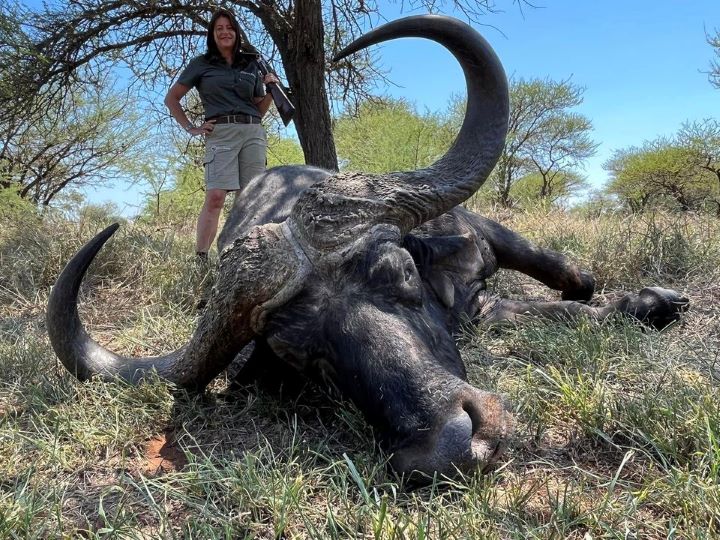
Mozambique has steadily grown in reputation alongside free-range buffalo hunting in Zimbabwe as a destination for remote dangerous game safaris, particularly in concessions where wild buffalo populations still dominate the hunting experience. Areas associated with hunting in Mozambique, such as the Zambezi Delta, Marromeu, and parts of the Niassa region, are well known for producing strong buffalo populations in demanding hunting conditions across floodplains, swamps, and thick coastal bush.
Operating safari concessions in these remote areas comes with substantial logistical cost. In many parts of Mozambique, camps, fuel, vehicles, boats, equipment, and supplies must be transported long distances across difficult terrain long before the hunting season begins. In wet delta regions and floodplain systems, seasonal access can become particularly challenging, adding further expense to concession management and safari operations.
Unlike more established hunting destinations with developed infrastructure, some Mozambican concessions still operate with limited road access, seasonal camps, and significant transport requirements for both staff and clients. Charter flights, extended transfer times, and lower hunting densities in certain regions can all influence the final cost of a buffalo safari.
At the same time, Mozambique continues to attract hunters seeking remote free-range concessions with relatively low hunting pressure and a more traditional dangerous game safari atmosphere. As with Zimbabwe and Tanzania, much of the overall safari cost is tied not only to the buffalo itself, but to maintaining access to large wild concessions where dangerous game hunting remains genuinely remote and operationally challenging.
Choosing the Right Cape Buffalo Hunt in Africa
Choosing the right Cape buffalo safari often comes down to the type of hunting experience being sought rather than simply comparing trophy fees between countries. Factors such as concession size, hunting pressure, safari duration, terrain, travel logistics, and overall hunting style all influence both the cost and character of the hunt.
South Africa often appeals to hunters seeking shorter safari durations, combination plains game packages, and well-established hunting infrastructure, while Tanzania and Mozambique generally attract hunters looking for larger remote concessions and extended dangerous game safaris conducted across vast free-range areas.
Hunters researching free-range buffalo hunting in Zimbabwe are often drawn by the balance between authentic fair-chase hunting conditions, established dangerous game concessions, and comparatively realistic safari costs. In many Zimbabwean concessions, hunters still spend long days tracking old dagga bulls through unfenced country where buffalo move naturally and hunting pressure remains relatively low.
Ultimately, Cape buffalo hunting prices in Africa reflect far more than the trophy itself. The quality of the concession, the style of safari, the level of logistical support, and the overall hunting experience all contribute to the final cost of the hunt.
Hunters comparing affordable buffalo hunting safaris often discover that safari pricing varies considerably depending on the country, concession type, and overall hunting style being offered.
Understanding buffalo hunting prices in Africa requires looking beyond trophy fees alone and considering factors such as safari duration, concession management, hunting pressure, and overall hunting conditions. For hunters researching Zimbabwe buffalo safari costs, free-range concessions in areas such as the Zambezi Valley and Lowveld continue to offer one of the stronger balances between authentic dangerous game hunting and overall safari value in Africa.
Frequently Asked Questions About Cape Buffalo Hunting Costs in Africa
What country offers the best value for Cape buffalo hunting in Africa?
The answer often depends on the type of safari experience being sought. Hunters comparing affordable buffalo hunting safaris frequently look at countries such as Zimbabwe, South Africa, and Mozambique, each offering different combinations of concession size, hunting style, safari duration, and overall operating cost.
Why are buffalo hunting prices in Africa so different between countries?
Buffalo hunting prices in Africa are influenced by several factors, including concession size, government trophy fees, safari duration requirements, charter flights, camp logistics, hunting pressure, and whether the safari takes place on a free-range or managed concession. Remote dangerous game areas in countries such as Tanzania, Mozambique, and Zimbabwe generally involve higher operating costs than more accessible hunting regions.
Are free-range buffalo hunts more expensive than fenced buffalo hunts?
In many cases, free-range buffalo hunts can carry higher overall safari costs due to larger concession areas, lower hunting densities, seasonal camps, and increased logistical requirements. However, many hunters prefer free-range hunting conditions because of the unpredictability, tracking challenges, and fair-chase atmosphere associated with traditional dangerous game safaris.
Why do many hunters compare Zimbabwe buffalo safari costs against other African destinations?
Hunters researching Zimbabwe buffalo safari costs are often comparing the balance between authentic free-range hunting conditions, established dangerous game concessions, and overall safari value. Zimbabwe continues to attract dangerous game hunters seeking traditional Cape buffalo safaris conducted across large unfenced areas where buffalo still move naturally under relatively low hunting pressure.
Author Note
Pierre and Tamlyn van Wyk, founders of Game Hunting Safaris, have hunted Cape buffalo across several African countries, including Zimbabwe, Mozambique, Namibia, and South Africa. Their experience across different safari concessions, hunting systems, and dangerous game areas has helped shape the practical observations and comparisons discussed throughout this article.