
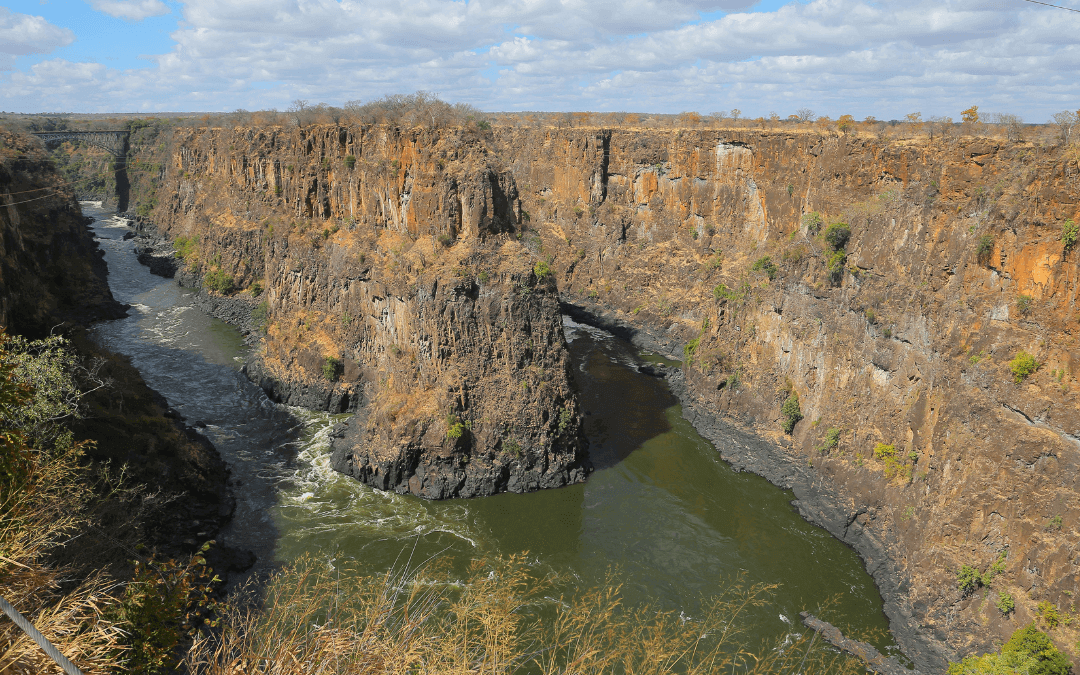
A buffalo hunt in the Luangwa Valley and a safari in the Kafue region may take place in the same country, but the ground you hunt can be remarkably different. Along the Luangwa, riverine vegetation, mopane woodland and extensive stretches of bush influence how hunters search for game. Farther west, the Kafue region includes woodland, open grassland and floodplain environments, while the Bangweulu wetlands present an altogether different challenge, particularly for hunters pursuing specialised plains-game species.
Understanding these differences is an important part of planning hunting in Zambia. The country offers a variety of hunting environments, but not every region holds the same species or presents the same conditions. Even hunters considering big game hunting in Zambia need to look beyond the country name and understand the particular terrain, habitat and hunting area involved.
[DYNAMIC-BLOGTABLEOFCONTENT]
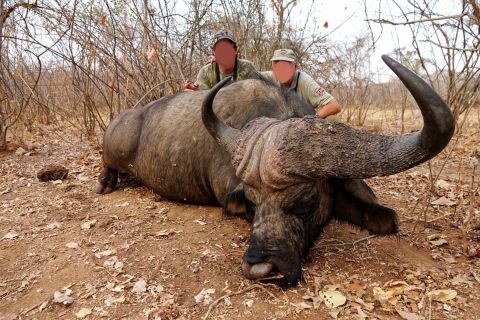
When we talk about hunting in Zambia, the country’s most iconic regions stand out for both game diversity and the authentic feel of a true African safari. Each area offers unique ecosystems, notable species, and distinctly memorable experiences.
Luangwa Valley
The Luangwa Valley is among Zambia’s best-known dangerous-game hunting regions, particularly for Cape buffalo, lion and leopard. Much of the hunting country is a mixture of mopane woodland, riverine bush and more open ground, with conditions changing considerably between the river systems and the surrounding higher ground. A buffalo hunt here may involve following tracks through thick cover before the herd moves into more open country. The terrain can change several times during a day's hunting, and that variety is part of what makes the Luangwa distinctive.
The valley is also home to Cookson’s wildebeest, a subspecies associated with the Luangwa region and of particular interest to hunters seeking less common African trophies. However, finding a species in a particular region does not necessarily mean it is available on every hunting concession. The actual species quotas, habitat and location of the hunting area make a considerable difference, even within the Luangwa Valley itself.
Kafue Region
The Kafue region offers quite different hunting conditions from the Luangwa Valley. Much of the country surrounding Kafue National Park consists of miombo woodland, interspersed with grasslands and river systems, while the Kafue Flats farther east are extensive floodplains associated with the Kafue lechwe. These are very different environments, and hunters should not assume that a safari described simply as taking place in the Kafue region will involve the same terrain or species.
In the woodland hunting areas bordering the national park, buffalo, sable and other game may be found, depending on the particular concession and its authorised quotas. The surrounding Game Management Areas are separate from the national park, where hunting is prohibited. The Kafue Flats present another kind of hunting country altogether, with open ground, seasonal flooding and specialised antelope populations. The distinction matters because hunting in woodland and hunting across a floodplain require different approaches, and the opportunities available in one part of Kafue may have little in common with those elsewhere in the region.
Bangweulu Swamps
The Bangweulu Swamps are a very different hunting environment from the woodland and river valleys found elsewhere in Zambia. This is extensive wetland country, with shallow waterways, seasonally flooded grasslands and large areas of reed beds. Water levels determine how much of the ground is accessible, and conditions can change considerably as the floodwaters recede. Hunting here can involve long stretches across open, waterlogged ground rather than following tracks through the woodland typical of many traditional African safaris.
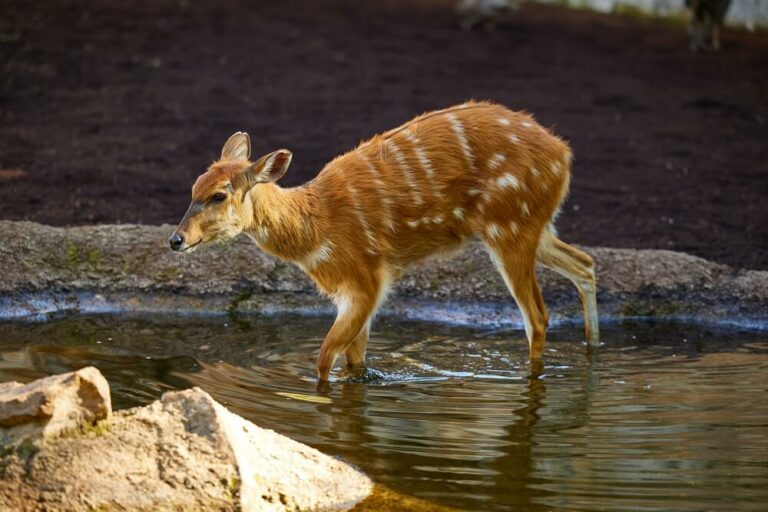
Bangweulu is particularly associated with the black lechwe, an antelope adapted to these floodplain conditions and found naturally in this part of Zambia. Hunters interested in sitatunga hunting in Zambia will also encounter a very different wetland habitat, although sitatunga distribution and hunting availability should not be confused with that of the black lechwe. The important distinction for visiting hunters is that the presence of a species in the wider wetland system does not automatically mean it can be hunted in a particular area. Access, authorised quotas and the location of the concession all matter.
Rufunsa and the Lower Zambezi Valley
Rufunsa is sometimes overlooked when hunters discuss Zambia's better-known hunting regions, yet it offers a very different environment from the Luangwa Valley or the Kafue Flats. The Rufunsa Game Management Area lies in the eastern part of Zambia, extending towards the Luangwa and Zambezi rivers. The country includes miombo woodland in the hills, mopane in lower-lying areas, open grassland and riverine habitats. It would be a mistake to imagine the entire concession as relatively flat river country.
Buffalo hunting in Rufunsa can involve considerably more climbing and walking than hunters might expect from photographs of the Zambezi River. One published hunting report describes days spent following buffalo through thick, thorny vegetation and steep country, including a lengthy pursuit into the hills that ended without a shot. That is a useful reminder that the character of a hunt is determined by the ground the animals are using, not simply by the location of the hunting camp.
Rufunsa is also a region where Game Hunting Safaris works with outfitters offering dangerous-game safaris. As elsewhere in Zambia, however, the actual hunting conditions and available species depend on the particular concession, its management and current quotas.
For hunters considering Cape buffalo hunting in Zambia, Rufunsa is worth examining alongside the country's better-known buffalo areas, particularly when comparing terrain, the physical demands of tracking and the opportunities available in individual concessions.
When the Map Doesn't Tell the Whole Story
A hunting area can look straightforward on a map until the hunter arrives and discovers that getting across it is half the battle. This is particularly true in Zambia, where rivers, floodplains and seasonal waterlogged ground can influence which parts of a concession are accessible. A large area on paper is of limited immediate use if the vehicle cannot reach the ground where the animals are moving.
An account from Kasonso-Busanga GMA illustrates the point. Following seasonal flooding, the operator reported that access remained restricted until late June, when a 25-kilometre stretch of floodplain could finally be crossed. That does not mean every Kafue-area concession experiences the same conditions, but it illustrates why the actual terrain and access arrangements deserve attention. A concession that hunts well in August may present considerable logistical difficulties earlier in the season.
These are the differences that rarely appear in a general description of Zambia. Two areas may hold similar species, yet the practical business of finding and reaching those animals can be entirely different.
Regional Differences to Keep in Mind
The time of year can make a considerable difference to how these regions hunt. In the Luangwa Valley, vegetation becomes thinner as the dry season progresses, and buffalo and other game may concentrate around remaining water sources. This can make finding fresh tracks easier, although it doesn't necessarily make the hunting easier. Much still depends on where the animals are moving and the conditions in that particular concession.
The Kafue region presents a different situation. Woodland hunting areas and open floodplains respond differently to seasonal changes, and conditions in one part of Kafue may tell you little about another. In the Bangweulu wetlands, water levels are especially important. Ground that is difficult or impossible to cross earlier in the season may become accessible as floodwaters recede, although local conditions vary from year to year.
These differences are worth understanding because the best time to hunt one area is not necessarily the best time to hunt another, even when both are in Zambia.
Conclusion
Zambia is not a country where hunters should choose a safari based on a species list alone. The Luangwa Valley, Kafue region and Bangweulu wetlands offer very different hunting conditions, and even within these regions, individual concessions can vary considerably. Understanding the terrain, seasonal access and wildlife associated with a particular area is just as important as knowing which animals occur there.
For hunters considering African hunting trips, these differences are worth investigating before committing to a safari. Zambia offers opportunities for dangerous game and unusual plains-game species, but the right area depends on what you want to hunt and the conditions you are prepared for. Hunters interested in Big Five hunting in Africa should also understand that the presence of a species in Zambia does not guarantee a huntable quota or an available safari in a particular concession.