
Updated: May 2026
For generations, tales of dangerous game hunting in Africa have inspired hunters from around the world, with legendary names such as Frederick C. Selous, Peter Capstick, Phillippus Pretorius, and Harry Selby becoming deeply connected to the history of African safari hunting. Today, international and American hunters continue to pursue the challenge of dangerous game hunting in Africa, seeking authentic safari experiences across some of the continent’s last remaining wilderness areas.
Planning an African hunting safari focused on the Big Five and Dangerous 7 remains one of the greatest adventures available to the modern hunter, combining skill, patience, caliber selection, shot placement, and the pursuit of some of the world’s most respected dangerous game animals.
[DYNAMIC-BLOGTABLEOFCONTENT]
What is Dangerous Game Hunting in Africa?
Dangerous game hunting in Africa refers to the hunting of all Big Five species. The “Big Five” historically referred to the difficulty and danger associated with hunting these animals. Bringing these five species of dangerous mammals back to the hunter’s homeland was considered a marvelous achievement by local communities.
Dangerous game animals are cunning, large, smart, and a worthy opponent for any game hunting enthusiast. In recent years, we have heard discussions in the hunting communities now referring to “The Dangerous 7 in Africa.”
So, let’s backtrack a second, big 5 hunting in Africa refers to hunting safaris that were focused on one, or all of the below hunting species, namely:
Elephant Hunting in Africa
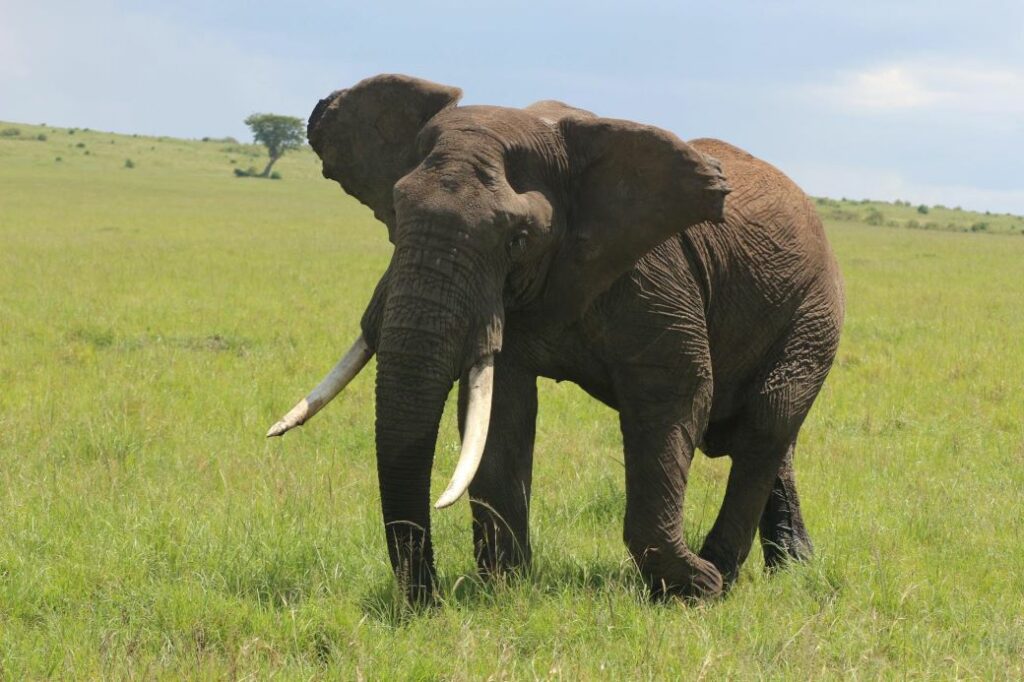
There is simply no bigger prize than bagging a trophy bull elephant! Elephant hunting in Africa requires skill, perseverance, patience, and determination. Elephant hunting takes the hunter up close and personal with the quarry and is an adrenaline rush like no other.
Elephant hunting in Africa can include hunting trophy elephants, tuskless elephants, and non-exportable elephant trophies.
Rhino Hunting in Africa
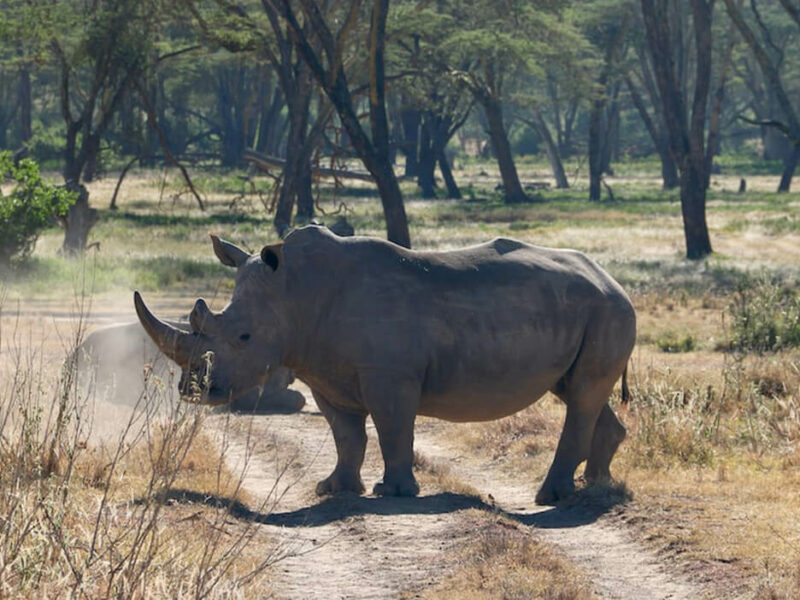
With all the international attention surrounding poaching and conservation, traditional rhino hunts are now largely limited to Namibia and South Africa, where both Black and White Rhino populations are carefully managed under strict conservation programs. Rhinos remain one of Africa’s most formidable dangerous game animals and are typically hunted on foot, offering an intense and highly specialized safari experience.
This dinosaur is a worthy opponent weighing in at over 7,700 pounds. A frontal brain shot into a charging rhino is almost impossible.
Leopard Hunting in Africa
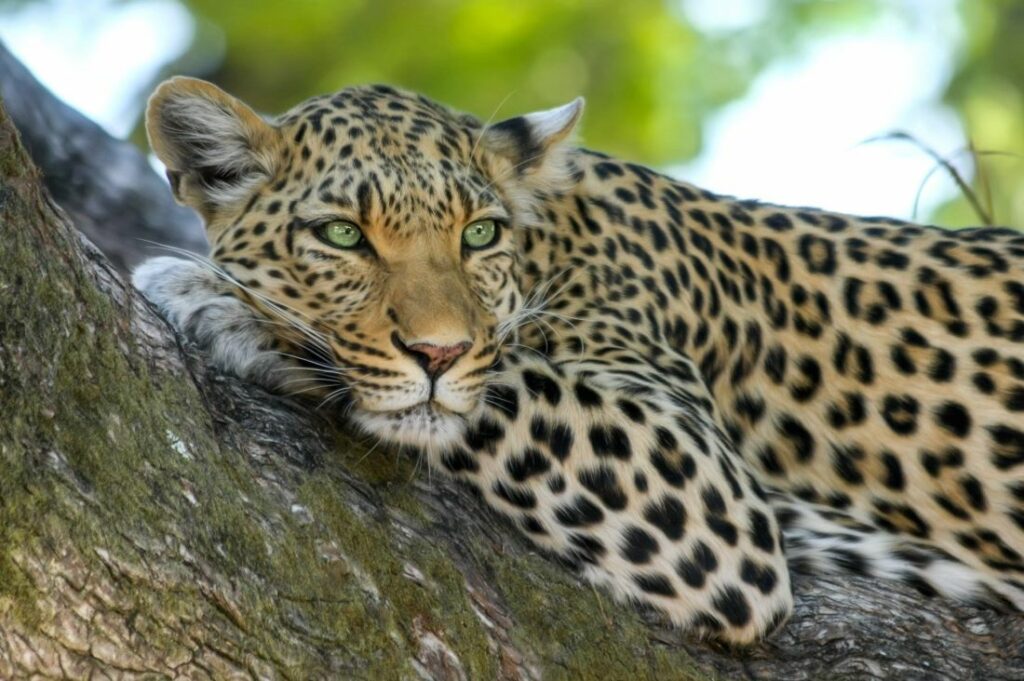
This cunning and exceptionally dangerous African cat provides one of the greatest challenges in African dangerous game hunting, where patience, precision, and careful shot placement are critical to success on traditional leopard hunts.
Leopards may also be hunted with hounds in countries such as Mozambique and Zimbabwe, adding another dimension to these highly specialized safaris. Mature tom leopards can weigh well in excess of 160 pounds and are renowned for their elusive behavior and incredible strength.

Lion Hunting in Africa
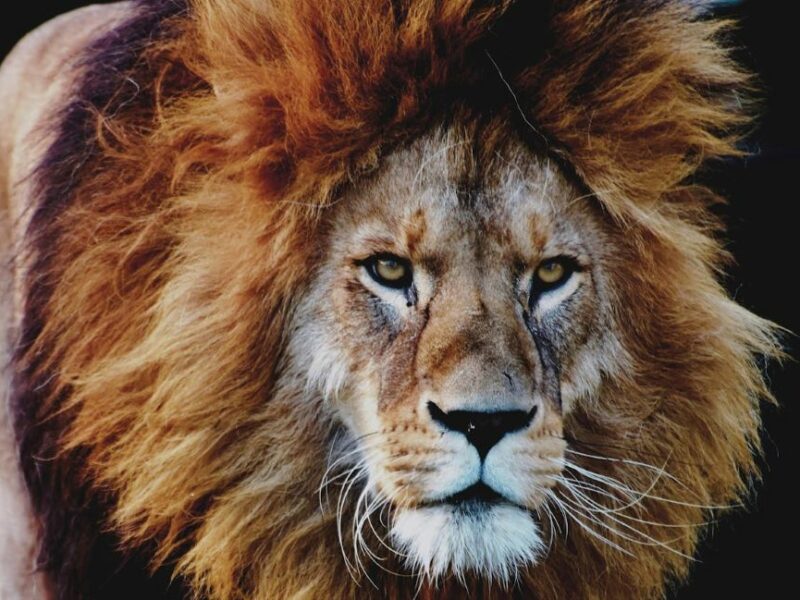
A lion hunt for a mature cat with a black mane is a dream African hunting trophy, with many hunters pursuing these iconic animals on lion hunts across Africa.
There is always the debate of which is better, hunting lions in South Africa on foot in fenced-off areas, or baiting lions in free-range areas and shooting from a blind in the majority of the time.
Cape Buffalo Hunting in Africa
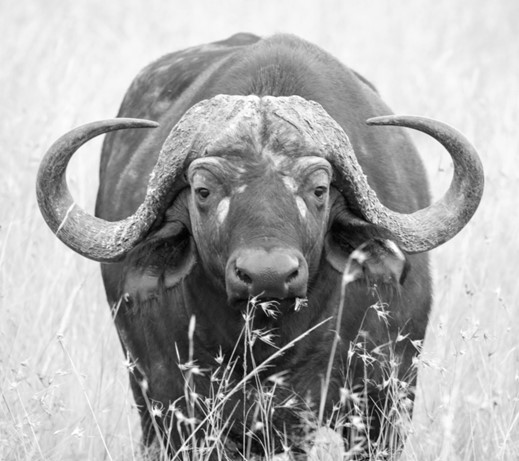
Old “Dugga Boys” are one of the all-time favorite dangerous game species when we refer to the big 5 hunting in Africa. The Cape Buffalo is also very well known as the “Widow Maker.”
Cape Buffalo hunts are extremely popular and are available in most Southern African countries. Buffalo populations in Africa are healthy, and importantly Cape Buffalo hunts are affordable.
The Dangerous 7 in Africa: Meet the Team
Right, so we have our first five members as per the above African big game listings, with the addition of two more dangerous game animals that will make up the group now known and referred to as “The Dangerous 7 in Africa”.
Crocodile Hunting in Africa
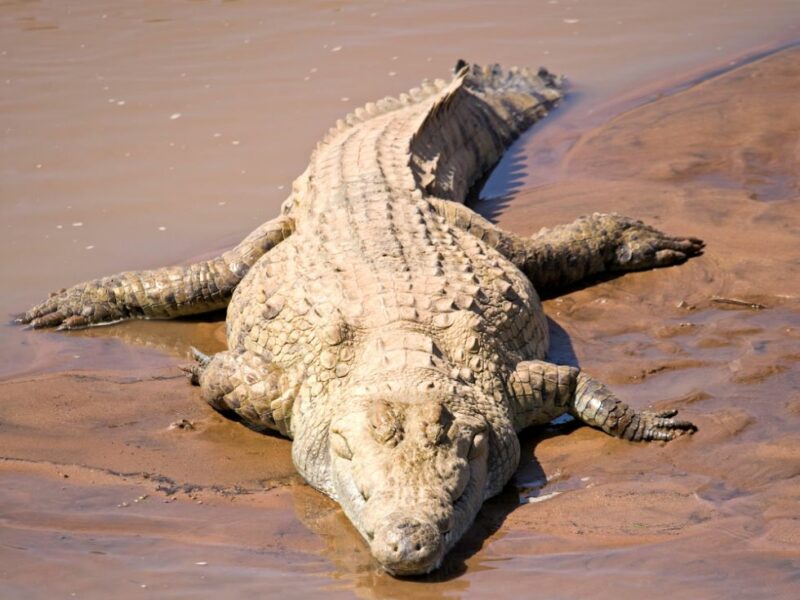
To successfully hunt this prehistoric reptile, hunters must have nerves of steel, precise shot placement, and immense patience to ensure success on traditional crocodile hunting safaris in Africa. Hunting these formidable reptiles in Africa’s waterways, swamps, and river systems offers a unique dangerous game experience unlike any other.
Equipped with the strongest bite force in Africa, together with armored scales, large teeth, and explosive power from the water, crocodiles remain one of the continent’s most dangerous and unpredictable hunting trophies.
Hippo Hunting in Africa
This enormous mammal, equipped with massive jaws and razor-sharp tusks, possesses deceptive speed and an extremely unpredictable temperament, making it one of Africa’s most dangerous animals. Hunters quickly learn that being caught between a hippo and the safety of deep water is a situation best avoided.
Pursuing these powerful animals on hippo hunting safaris is an adrenaline-filled experience, often involving careful stalking along riverbanks, floodplains, and reed-lined waterways. Mature hippo bulls are exceptionally territorial and remain one of Africa’s most respected dangerous game trophies.

What does a Dangerous Game Hunting Safari in Africa cost?
Dangerous game animals can be affordable to hunters, depending on the location of the game hunting safari. By combining more than one member of the dangerous 7, costs due to operational synergies can be substantially reduced i.e. A hippo and crocodile hunt, or a lion and Cape buffalo safari.
Single species hunts, for lion, leopard, hippo, and crocodile hunting do at times become available nearer the end of the hunting seasons and are sold and marketed as “discount hunts.”
Dangerous game safaris can also be combined with African plains game hunts. Hunting a Cape buffalo, and adding on specialty plains games such as sable, roan, and kudu is a favorite. Dangerous game safaris can also be upgraded to include antelope endemic to certain countries, such as Damara Diki-Dik, Black-Faced Impala, and Hartmann’s Zebra when hunting in Namibia.
Travelling to Africa for Dangerous Game Hunting
International hunters traveling from the United States for dangerous game hunting safaris in Africa typically route through Johannesburg in South Africa before continuing onward to destinations such as Namibia, Zimbabwe, Mozambique, Tanzania, or Zambia.
Hunters should always confirm firearm import regulations, caliber requirements, and CITES restrictions before booking dangerous game hunts involving elephant, leopard, crocodile, or hippo trophies.
What is the best Caliber of Rifle to use when Big Game Hunting in Africa?
As a rule of thumb, a .375 caliber with a 300-grain bullet is the minimum to use when hunting the dangerous 7 in Africa.
However, certain animals, for example, crocodiles, or hippos (brain shots) required incredible accuracy. It would be a clever idea to choose between something built for accuracy and a heavy caliber such as a .416 Rigby or any quality double rifle, depending on the target species.
Accurate shot placement for hunting dangerous game is absolutely critical when pursuing the Dangerous 7 in Africa, particularly when hunting elephant, hippo, crocodile, buffalo, or leopard.
Dangerous 7 Game Hunting in Africa: A Hunters' Paradise
Hunting dangerous game animals is one of the world’s greatest adventures and is the pinnacle of a challenge. Dangerous 7 hunts in Africa will evaluate the hunter’s skill and courage, together with his perseverance and patience. For hunters planning their next adventure, hunting in Africa offers unmatched diversity, challenge, and unforgettable experiences.
Best Countries for Dangerous Game Hunting in Africa
Some of the best destinations for dangerous game hunting in Africa include Zimbabwe, Tanzania, Mozambique, Namibia, and Zambia, each offering unique hunting styles, terrain, and dangerous game opportunities. Hunters planning hunting in Zimbabwe often pursue elephant, buffalo, leopard, and lion across vast unfenced safari areas, while hunting in Tanzania remains world-renowned for classic East African dangerous game safaris conducted across enormous wilderness concessions.
Mozambique and Zambia continue to attract hunters seeking remote and physically demanding buffalo and leopard safaris, while Namibia offers exceptional dangerous game hunting opportunities in the Caprivi Strip together with some of Africa’s finest conservation programs and safari infrastructure.
Conclusion: Dangerous game hunting in Africa remains one of the world’s last true wilderness adventures, combining skill, patience, danger, and respect for some of the planet’s most formidable animals. Whether pursuing Cape Buffalo through thick mopane, stalking elephant in remote concessions, or waiting over bait for a mature leopard, dangerous game safaris continue to represent the pinnacle of African hunting traditions.
Frequently Asked Questions About Dangerous Game Hunting in Africa
Is dangerous game hunting legal in Africa?
Yes, dangerous game hunting remains legal in several African countries under strictly regulated conservation and wildlife management programs. Countries such as Namibia, Zimbabwe, Mozambique, Tanzania, and Zambia continue to offer dangerous game hunting safaris under government-issued quotas and permit systems designed to support conservation and rural communities.
What animals are included in the Dangerous 7 in Africa?
The Dangerous 7 generally refers to Africa’s most dangerous game animals, namely Elephant, Rhino, Leopard, Lion, Cape Buffalo, Hippopotamus, and Nile Crocodile. These species are respected for their strength, unpredictability, aggression, or ability to injure hunters when wounded or threatened.
What is the best caliber for dangerous game hunting in Africa?
Most African countries require a minimum caliber of .375 H&H when hunting dangerous game species such as buffalo, lion, leopard, and elephant. Larger calibers including the .404 Jeffery, .416 Rigby, .458 Lott, and double rifles such as the .470 Nitro Express are also extremely popular for dangerous game hunting safaris in Africa.
Which countries offer dangerous game hunting safaris in Africa?
Some of Africa’s best dangerous game hunting destinations include Zimbabwe, Namibia, Mozambique, Tanzania, Zambia, and South Africa. Each country offers different hunting styles, terrain, trophy quality, and dangerous game species depending on the region and local conservation regulations.
Can American hunters import dangerous game trophies?
Yes, American hunters may import certain dangerous game trophies into the United States, although import regulations vary depending on the species and country of origin. Species such as elephant, leopard, crocodile, and hippo may require CITES permits and additional US Fish & Wildlife Service approvals before trophies can legally enter the USA.
What does a dangerous game hunting safari in Africa cost?
Dangerous game safari prices vary substantially depending on the species hunted, country, safari duration, trophy fees, and whether multiple dangerous game animals are combined into one safari package. Cape buffalo hunts are generally considered the most affordable dangerous game safaris, while elephant, lion, and rhino hunts are usually considerably more expensive.
What is the most dangerous animal to hunt in Africa?
Cape Buffalo are often considered one of Africa’s most dangerous game animals due to their unpredictable temperament and tendency to charge when wounded. Elephant, hippo, lion, leopard, and crocodile are equally respected and all require careful shot placement, experienced professional hunters, and proper dangerous game rifles.
What is the best time of year for dangerous game hunting in Africa?
Most dangerous game hunting safaris in southern Africa are conducted during the cooler and drier winter months between April and October. During this period, vegetation becomes thinner, water sources attract wildlife, and tracking conditions generally improve for dangerous game species.
Conclusion: Dangerous game hunting in Africa remains one of the world’s last true wilderness adventures, combining skill, patience, danger, and respect for some of the planet’s most formidable animals. Whether pursuing Cape Buffalo through thick mopane, stalking elephant in remote concessions, or waiting over bait for a mature leopard, dangerous game safaris continue to represent the pinnacle of African hunting traditions.
Author
Pierre van Wyk is a lifelong African hunter and conservation advocate with extensive experience in dangerous game and plains game hunting across southern Africa. Through Game Hunting Safaris, Pierre shares practical hunting knowledge, safari insights, and conservation-focused content covering African hunting destinations, dangerous game species, rifle calibers, shot placement, and traditional safari experiences.