
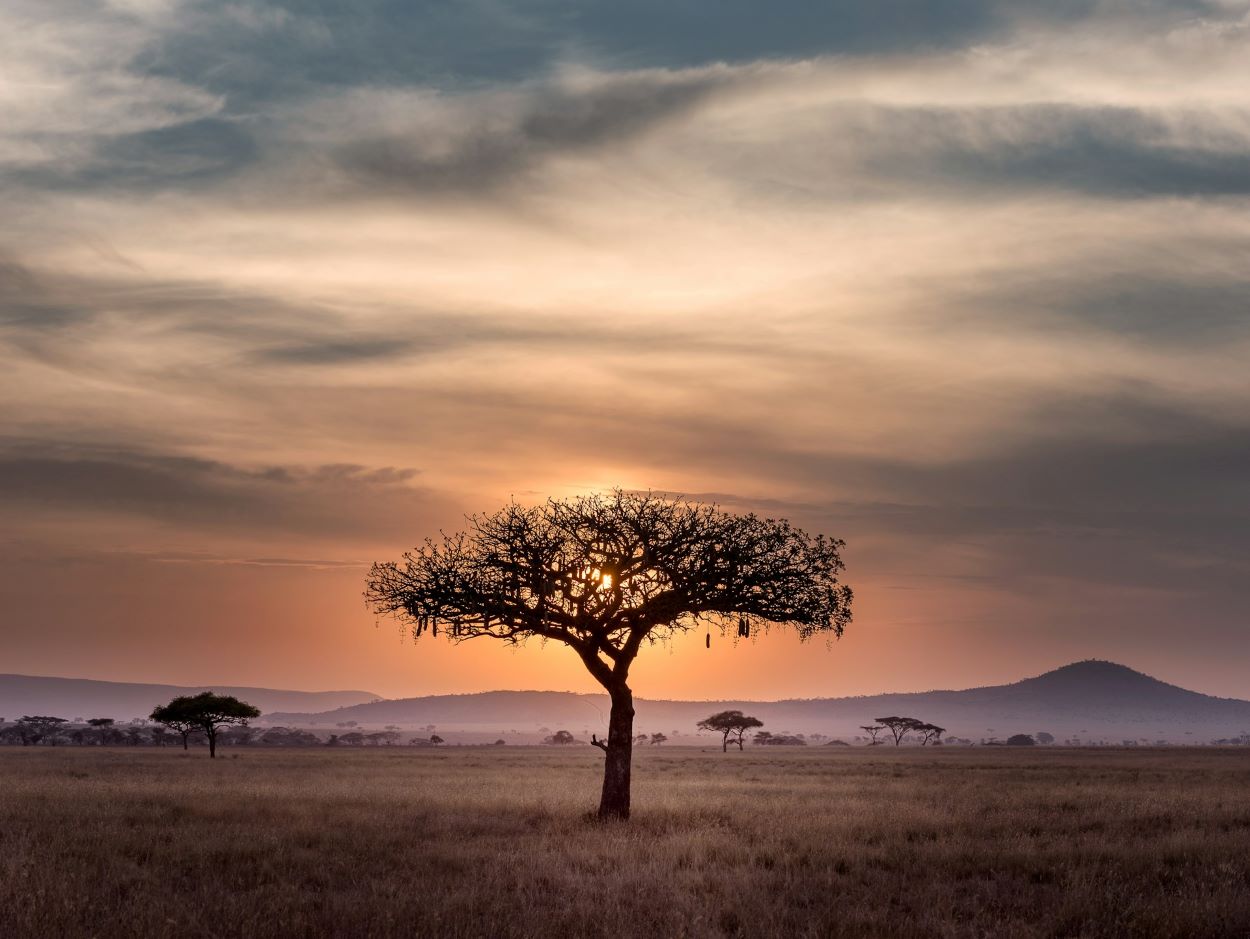
For American hunters, planning an African hunting trip represents far more than simply booking another hunting trip. Africa offers a completely different style of hunting experience, one built around vast wilderness areas, free-range game populations, dangerous animals, experienced professional hunters, and safari traditions that in many regions date back more than a century.
From tracking Cape buffalo hunts through thick mopane bushveld to glassing open plains for kudu and gemsbok during plains game hunting safaris, hunting in Africa delivers an intensity and atmosphere unlike anywhere else in the world.
Choosing the right destination for an African hunting trip is one of the most important parts of planning a successful safari. Different countries specialize in different species, hunting styles, terrains, and levels of difficulty. Some destinations are better suited to first-time plains game hunters looking for comfortable lodges and accessible hunting areas, while others cater to experienced dangerous game hunters pursuing free-range lion hunts, leopard hunts, elephant hunts, buffalo, hippo, or crocodile in remote wilderness concessions.
For American hunters, factors such as trophy quality, export regulations, travel logistics, hunting methods, firearm import procedures, and overall costs all play an important role when choosing where to hunt. South Africa and Namibia are often popular choices for first-time visitors thanks to their excellent infrastructure, accessibility, and wide variety of game species. Hunters looking for larger wilderness areas and more traditional safaris often consider Tanzania, Zambia, Zimbabwe, and Mozambique, particularly for Dangerous Game Hunts and remote free-range hunting opportunities.
Africa also offers incredible diversity in both landscape and hunting experience. A hunter may pursue desert-adapted elephant in Namibia, leopard in Zambia’s Luangwa Valley, buffalo hunts in Tanzania’s Selous ecosystem, or crocodile hunts and hippo hunts along the waterways of Mozambique and the Zambezi region. Each destination provides its own combination of terrain, trophy quality, hunting pressure, accommodation standards, and safari traditions.
Whether your goal is a first African plains game safari or a fully guided dangerous game hunting adventure, understanding the strengths of each destination is critical. Below are some of the top hunting destinations in Africa for American hunters seeking authentic safari experiences, exceptional trophy quality, and professionally operated hunting safaris.
[DYNAMIC-BLOGTABLEOFCONTENT]
Top 10 Hunting Regions Across Africa
Northern Namibia
Northern Namibia remains one of the most unique and sought-after hunting regions in southern Africa, making it a highlight of many Namibia Hunting Safaris. Stretching from the Kunene River across the vast wilderness surrounding Etosha National Park, the region is home to several endemic plains game species, including the rare black-faced impala and Damara dik-dik, with hunting opportunities carefully managed through limited permit allocations.
Beyond its exceptional plains game, northern Namibia is internationally respected for free-range dangerous game hunting. Hunters come here to pursue desert-adapted elephant, large free-range leopard, rhino, and the elusive desert lion in remote wilderness concessions with very low hunting pressure. Combined with spectacular scenery and genuinely wild hunting conditions, northern Namibia offers American hunters one of Africa's most authentic free-range hunting destinations.
Niassa Reserve, Mozambique
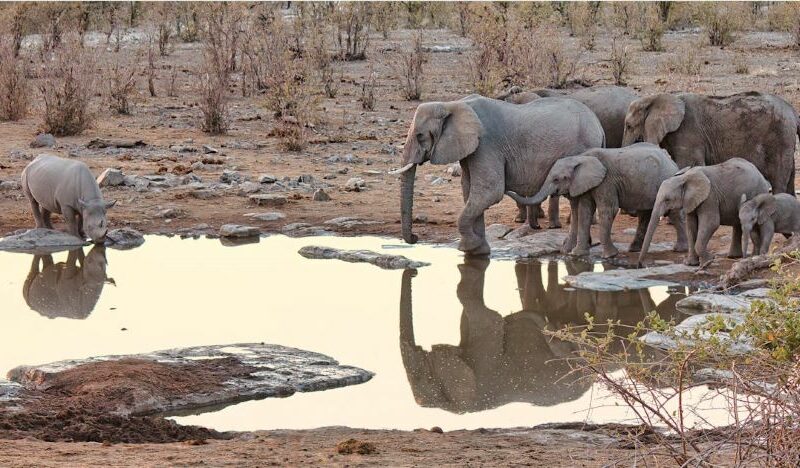
The Niassa Reserve in northern Mozambique is widely regarded as one of Africa's last truly wild hunting destinations and a highlight of many Hunting in Mozambique itineraries. Bordering southern Tanzania and covering vast unfenced wilderness areas, Niassa offers remote, authentic free-range safaris far removed from the more developed hunting regions found elsewhere on the continent.
For experienced American hunters seeking a traditional East African-style safari, Niassa is particularly respected for Cape Buffalo Hunts, Leopard Hunting in Mozambique, lion, and elephant. Hunting concessions are enormous, game densities remain strong in many areas, and safaris often involve tracking game through remote bushveld and river systems with very little human presence.
Unlike more accessible hunting destinations, safaris in Niassa are physically demanding and best suited to hunters looking for a genuine wilderness experience. The region's isolation, limited hunting pressure, and consistently high-quality trophies have earned Niassa a reputation as one of Africa's premier areas for Dangerous Game Hunts.
Limpopo Province, South Africa
The Limpopo Province remains one of the most popular and accessible hunting destinations in Africa, making it a cornerstone of many Hunting in South Africa itineraries. Known for its excellent infrastructure, professionally operated outfitters, comfortable lodges, and exceptional species diversity, Limpopo offers a well-rounded hunting experience suitable for both plains game and dangerous game safaris.
When it comes to Big Five hunting in Africa, Limpopo has built a long-standing reputation for producing quality trophies and professionally managed hunting operations. Depending on the area and concession, hunters may pursue species such as lion, Cape buffalo, elephant, white rhino, sable, kudu, and numerous plains game species.
Many hunting properties in Limpopo operate on large private ranches and conservancies, combining sound wildlife management with comfortable accommodation and a wide variety of hunting opportunities. For hunters seeking excellent trophy quality, straightforward travel logistics, and the chance to hunt multiple species during a single trip, Limpopo continues to rank among southern Africa's premier hunting destinations.
Selous Reserve, Tanzania
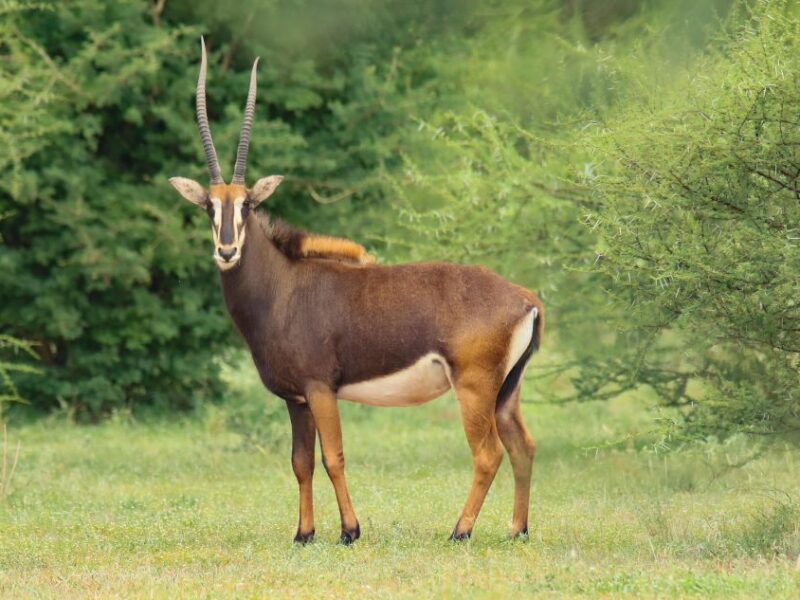
The Selous ecosystem in southern Tanzania is regarded as one of Africa's most iconic wilderness hunting destinations and a highlight of many Tanzania Hunting Safaris. Covering an immense and largely undeveloped area, the region offers classic East African hunting with vast unfenced concessions, remote bush camps, and genuinely free-range dangerous game opportunities. Access to many hunting blocks is by charter aircraft due to the sheer scale and isolation of the area.
For experienced American hunters seeking a traditional East African safari, the Selous remains particularly respected for Cape buffalo, elephant, lion, and leopard hunting. Safaris here are typically longer, physically demanding, and centred around tracking game across enormous wilderness areas with very little hunting pressure. Beyond its dangerous game, the Selous also supports outstanding plains game hunting, with species well adapted to the miombo woodlands, floodplains, and river systems that define this remarkable ecosystem.
Luangwa Valley, Zambia
The Luangwa Valley in eastern Zambia has earned a reputation as one of Africa's premier wilderness hunting regions and remains a highlight of many Safari Hunting in Zambia itineraries. Centered around the Luangwa River and its tributaries, the region combines thick riverine vegetation, floodplains, and remote bushveld, creating ideal habitat for leopard, Cape buffalo, lion, crocodile, hippo, and a wide variety of plains game.
For American hunters seeking a traditional and less commercialised safari environment, Zambia continues to attract experienced dangerous game hunters looking for genuine free-range hunting. Leopard sightings in the Luangwa Valley are more frequent than in many other African hunting destinations, while the river systems support healthy crocodile and hippo populations. The region also offers outstanding plains game hunting, including species such as puku, sitatunga, Chobe bushbuck, and Cookson's wildebeest, making the Luangwa Valley one of Africa's most diverse hunting areas.
Caprivi Strip, Namibia
Namibia’s Zambezi region, still commonly referred to by many hunters as the Caprivi Strip, is one of southern Africa’s premier dangerous game hunting areas. Situated along the borders of Botswana, Zambia, and Angola, the region is defined by river systems, floodplains, thick vegetation, and high concentrations of buffalo, hippo, crocodile, and elephant.
Unlike Namibia’s more arid central and northern regions, the Caprivi offers a very different safari environment with dense bush, abundant water, and classic river-based dangerous game hunting conditions. Buffalo hunting in the Caprivi is especially popular during the dry winter months, when large herds concentrate around permanent water sources. The region is also well known for crocodile and hippo hunting along the Zambezi and Kwando river systems, while elephant hunting opportunities remain available in select concessions with government-issued quota allocations.
For hunters looking to experience dangerous game hunting in Namibia beyond traditional plains game safaris, the Caprivi remains one of the country’s most respected and authentic wilderness hunting destinations.
Bangweulu Swamp, Zambia
Located in northern Zambia, the Bangweulu Swamps offer one of Africa's most unique plains game hunting environments and are internationally recognised for Sitatunga Hunts. This vast wetland ecosystem is home to rare and highly specialised antelope adapted to swamp and floodplain habitats, making it particularly attractive to experienced hunters seeking species seldom encountered elsewhere in southern Africa.
Alongside sitatunga, the region offers opportunities for Black Lechwe, Tsessebe, Oribi, and Livingston's Eland. Hunting in the Bangweulu area often involves traversing wetlands, reed beds, and floodplains, creating a very different experience from traditional savanna or bushveld safaris. In selected concession areas, hunters may also pursue Cape Buffalo Hunts within the surrounding swamp systems and river corridors.
While Bangweulu is best known for its exceptional plains game, the presence of Cape buffalo adds another dimension to the safari, giving experienced hunters the opportunity to combine specialised antelope with one of Africa's most respected dangerous game species.
Matetsi, Zimbabwe
Matetsi remains one of Zimbabwe's best-known dangerous game hunting regions and has long been associated with classic free-range safari hunting. Situated in northwestern Zimbabwe near Victoria Falls, the area consists of vast wilderness concessions supporting healthy populations of elephant, Cape buffalo, leopard, lion, hippo, and crocodile.
For hunters seeking a traditional Zimbabwe dangerous game safari, Matetsi is particularly renowned for Elephant Hunting in Zimbabwe, while leopard, Cape buffalo, and lion continue to rank among the area's most sought-after trophies. Large unfenced concessions, experienced professional hunters, and consistently strong trophy quality have helped establish Matetsi as one of Zimbabwe's premier dangerous game destinations.
The combination of river systems, teak forests, and remote bushveld habitat supports exceptional game diversity while preserving the traditional safari atmosphere for which Zimbabwe has long been respected.
Masailand, Tanzania
Masailand in central Tanzania is regarded as one of East Africa's most scenic and traditional hunting regions and remains a highlight of many Tanzania Hunting Safaris. The region is characterized by vast open landscapes, low human population density, and classic free-range hunting concessions supporting both Dangerous Game Hunts and unique East African plains game species.
Buffalo Hunting in Tanzania is one of the area's greatest attractions, while lion and leopard are also among the primary dangerous game species pursued in Masailand. The region is equally respected for its outstanding plains game hunting, with species such as gerenuk, Thomson's gazelle, Lesser Kudu Hunting in Tanzania, fringe-eared oryx, and white-bearded wildebeest attracting hunters looking for a more diverse East African safari.
Compared to the more accessible destinations of southern Africa, hunting in Masailand is generally more remote, physically demanding, and centred on traditional safari methods. For many experienced hunters, the combination of wilderness concessions, unique East African species, and classic safari country makes Masailand one of the continent's most authentic hunting destinations.

Lake Cahora Bassa, Mozambique
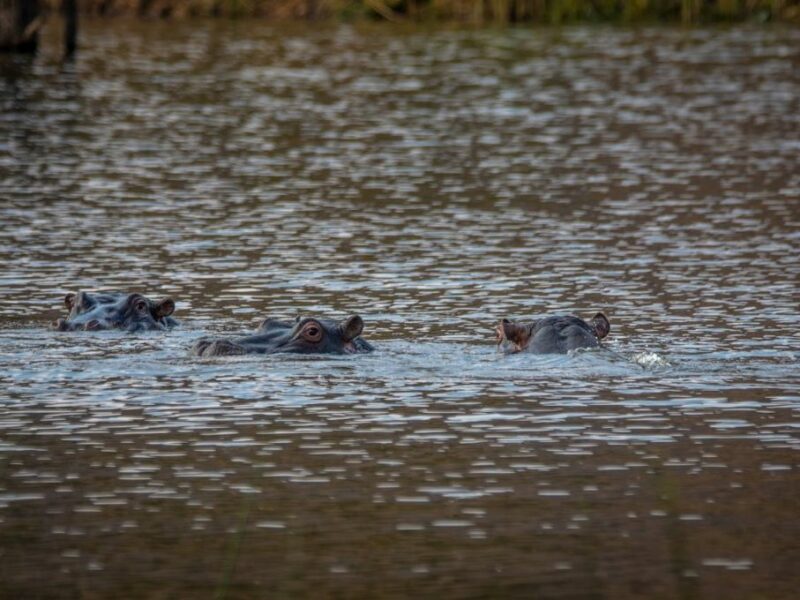
Lake Cahora Bassa in western Mozambique has developed a strong reputation among dangerous game hunters for producing exceptional Crocodile Hunting in Mozambique and hippo hunting opportunities in a truly wild river and lake environment. Formed by the Zambezi River, the massive lake system stretches through remote areas of Mozambique where large Nile crocodiles and mature hippo bulls continue to thrive along the shoreline, river inlets, and surrounding floodplains.
For hunters specifically pursuing crocodiles, Cahora Bassa is widely regarded as one of southern Africa's premier destinations for consistently producing outstanding Nile crocodile trophies. Mature crocodiles exceeding 15 feet are taken periodically, with hunting typically focused around riverbanks, sandbars, and shallow shoreline areas where crocodiles bask during daylight hours.
Hippo hunting safaris on Lake Cahora Bassa are equally well regarded, particularly for hunters wanting to combine multiple Dangerous Game Hunts during the same safari. Depending on annual quota allocations and concession regulations, hunters may also pursue Cape Buffalo Hunts, leopard, selected plains game species, and occasional elephant.
Compared with more developed safari destinations, hunting around Cahora Bassa appeals to hunters seeking a genuine wilderness experience. The combination of vast waterways, thick riverine vegetation, healthy dangerous game populations, and relatively low hunting pressure continues to make the region one of Mozambique's most respected hunting areas.
Choosing Between Africa’s Hunting Regions
For many American hunters, an African hunting safari represents far more than simply harvesting a trophy animal. Africa offers a style of hunting that is increasingly difficult to find elsewhere in the world — vast wilderness concessions, free-range game populations, experienced professional hunters, and safari traditions that in some regions have remained largely unchanged for generations.
One of the biggest differences between hunting in Africa and hunting in North America is the sheer diversity of species and hunting environments available within a single trip. Depending on the country and concession, a hunter may spend one day tracking Cape buffalo through thick riverine bush, then glassing open plains for kudu, gemsbok, sable, or eland the next. In regions such as Tanzania, Mozambique, Zambia, and Zimbabwe, dangerous game safaris often take place in remote unfenced wilderness areas where hunters may cover significant distances on foot each day while tracking fresh spoor with local trackers and professional hunters.
African hunting destinations also differ substantially in terms of safari style, terrain, accessibility, and overall hunting experience. Countries such as South Africa and Namibia are often popular among first-time African hunters due to their strong infrastructure, comfortable lodges, easier travel logistics, and wide range of huntable plains game species. In contrast, destinations such as Tanzania, Mozambique, and parts of Zimbabwe typically appeal to experienced hunters seeking more traditional wilderness safaris, dangerous game hunting, and remote unfenced concessions.
For hunters planning their first hunting safari, understanding these differences is critical. Factors such as trophy quality, hunting pressure, permit availability, firearm import procedures, observer accommodations, and species availability can vary significantly between countries and even between neighboring concessions. Some hunts are physically demanding and require long days on foot in extreme heat, while others are more lodge-based and suitable for family members or non-hunting observers traveling alongside the hunter.
Africa also remains one of the few places in the world where hunters can still pursue multiple iconic dangerous game species within the same safari. Depending on quota availability and local regulations, hunters may combine buffalo, leopard, lion, crocodile, hippo, elephant, and plains game species within a single professionally guided safari. In many regions, revenue generated through regulated hunting concessions continues to contribute toward anti-poaching operations, wildlife management, local employment, and habitat conservation programs.
For experienced safari hunters, the appeal of Africa often extends beyond the animals themselves. Time spent in remote hunting camps, tracking game with experienced PHs and trackers, and hunting in landscapes largely unchanged by modern development creates a hunting atmosphere difficult to replicate elsewhere in the world. It is one of the reasons many international hunters return to Africa multiple times, often hunting different countries, terrains, and species over the course of many years.
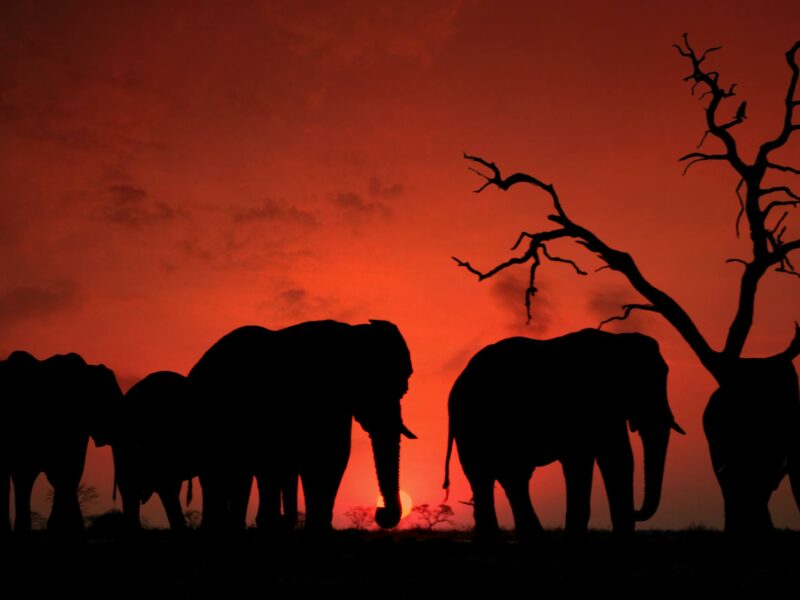
The only man I envy is the man who has not yet been to Africa, for he has so much to look forward to — Richard Mullin
I never knew of a morning in Africa when I woke up that I was not happy — Ernest Hemingway
Choosing the right African hunting trip ultimately depends on the type of safari experience a hunter is looking for, along with factors such as target species, budget, hunting style, physical demands, and overall expectations. Countries such as Namibia and South Africa are often favored by first-time African hunters due to their excellent infrastructure, comfortable accommodations, wide variety of plains game species, and relatively straightforward travel logistics. These destinations are also well suited to family safaris and combination hunts involving both dangerous game and plains game species.
For hunters seeking more traditional wilderness-style safaris, destinations such as Tanzania, Mozambique, Zambia, and Zimbabwe offer a very different experience. Tanzania remains one of Africa’s premier destinations for classic East African dangerous game safaris, often involving large unfenced concessions, remote fly camps, and physically demanding hunts. Mozambique appeals to hunters looking for wild and rugged safari conditions, particularly for buffalo, crocodile, and leopard hunting in remote concession areas. Zambia continues to attract experienced hunters pursuing leopard, hippo, and crocodile hunts in authentic free-range environments, while Zimbabwe has built a long-standing reputation for exceptional Cape buffalo, elephant, and leopard safaris in classic safari country.
Ultimately, there is no single “best” African hunting destination. Each country offers its own combination of terrain, species diversity, trophy quality, safari traditions, accommodation standards, and hunting methods. Understanding these differences, and matching them to the hunter’s personal goals and expectations — is one of the most important parts of planning a successful hunting trip.
Author: P.C. van Wyk