10-Day Plains Game Hunt in Maasailand, Tanzania
Booking Season: 2026
Hunt Difficulty: Moderate

Grant's gazelle may not receive the attention given to buffalo, lion, or leopard, but among experienced safari hunters they remain one of East Africa's most desirable plains game trophies. Unlike many antelope species that occur across multiple African countries, Grant's gazelle are largely restricted to East Africa, making them a species many hunters can only realistically pursue in Tanzania or Kenya.
What attracts collectors is not simply the trophy itself but what it represents. A mature Grant's gazelle is part of the classic East African safari experience, sharing the same open plains as Thomson's gazelle, zebra, Coke's hartebeest, and fringe-eared oryx. For hunters building a representative African trophy collection, few species are more closely associated with the great safari country of northern Tanzania.
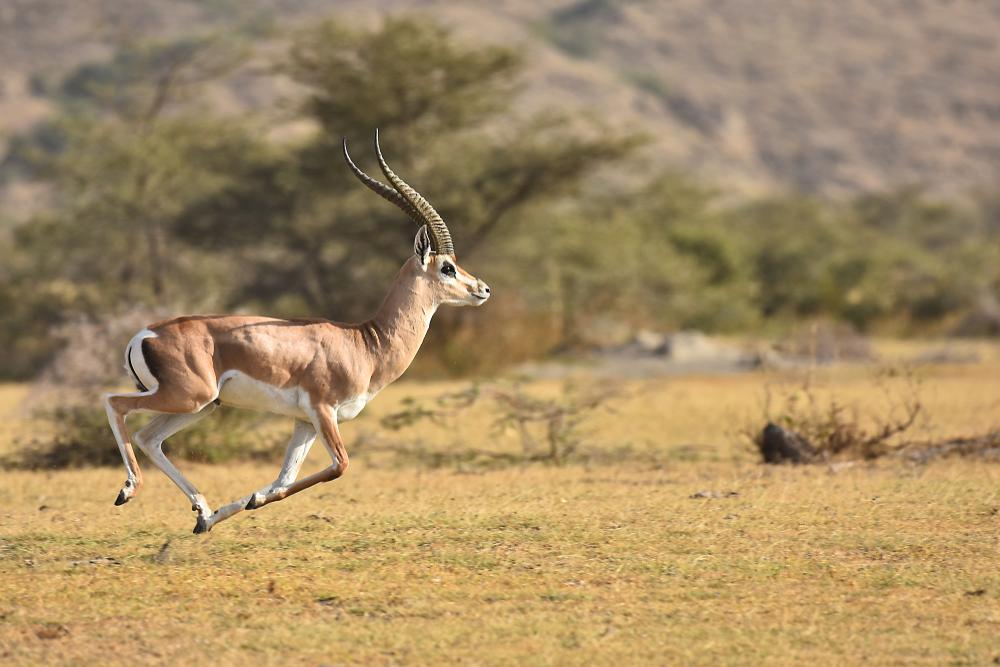
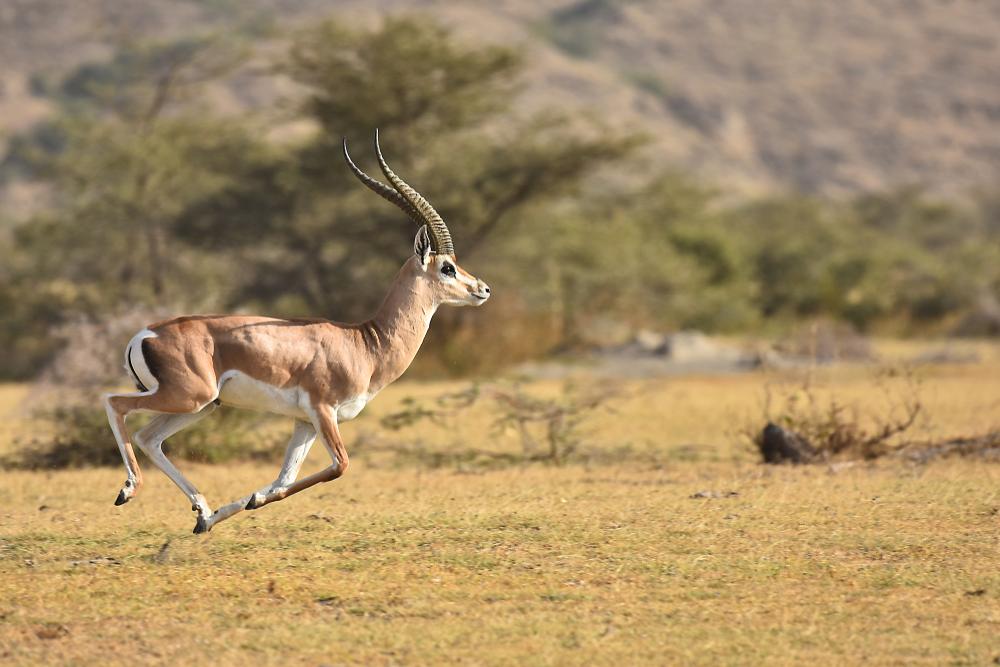
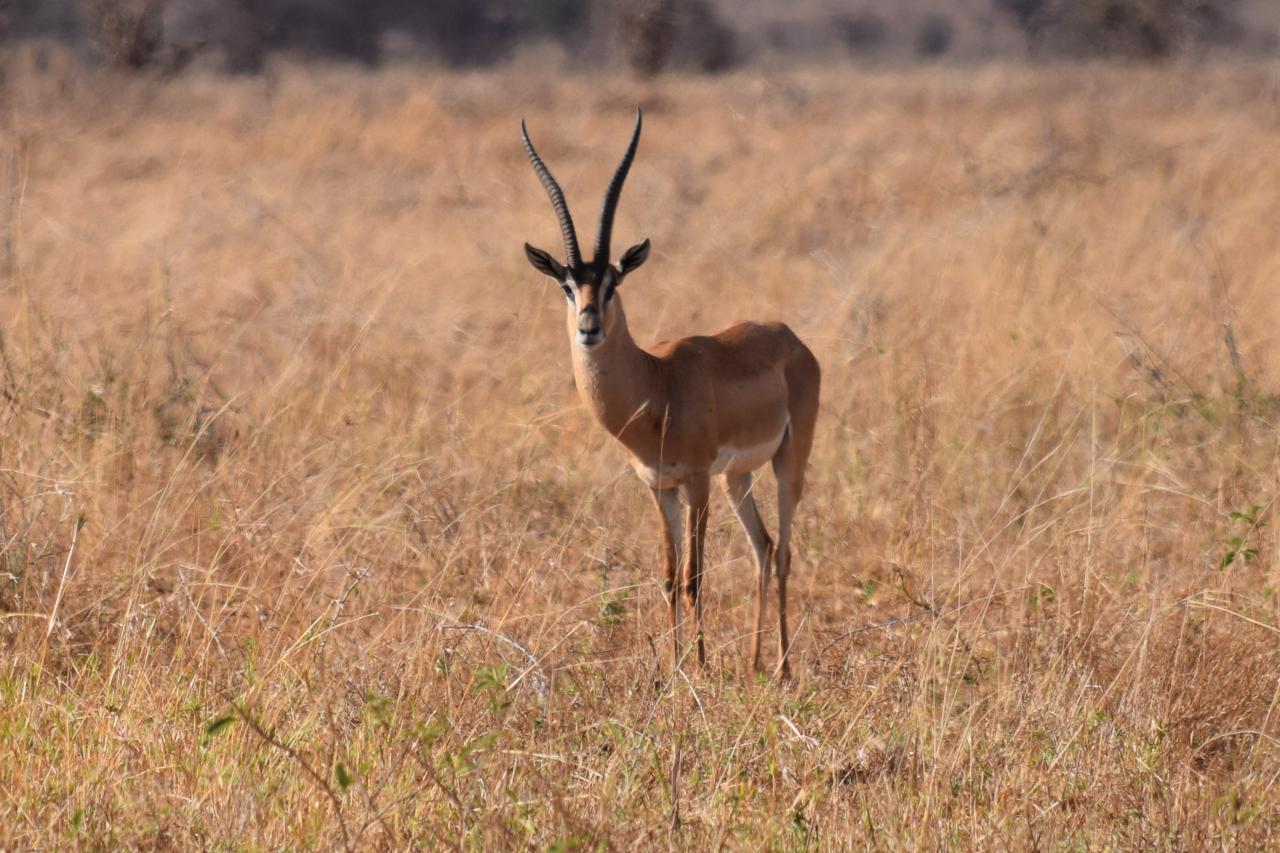
Larger than Thomson's gazelle and carrying impressive lyre-shaped horns, mature rams are striking animals. Their excellent eyesight, preference for open country, and tendency to detect movement at long distances can make stalking them far more challenging than their size might suggest.
Hunters interested in pursuing this iconic East African antelope can learn more about available Gazelle Hunts throughout Africa, while our Hunting in Tanzania guide provides a broader overview of the country's hunting opportunities.
Available Grant's Gazelle Hunts
10-Day Plains Game Hunt in Maasailand, Tanzania
Booking Season: 2026
Hunt Difficulty: Moderate
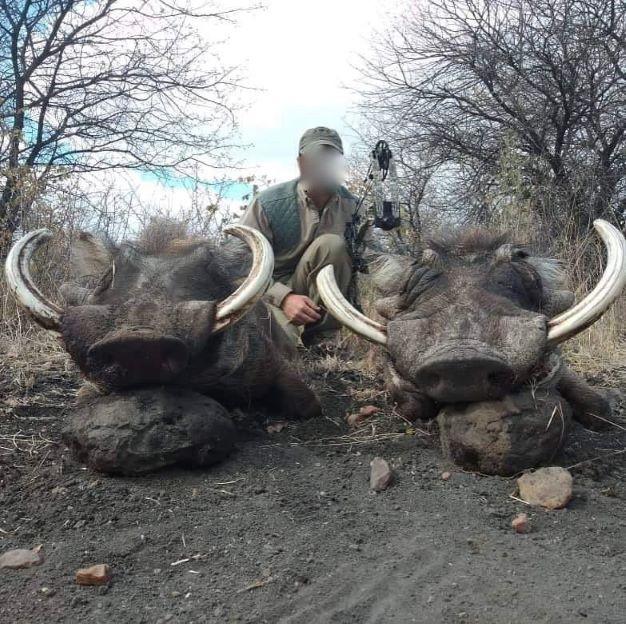
7-Species, 10-Day African Hunt in Tanzania
Booking Season: 2026
Hunt Difficulty: Difficult


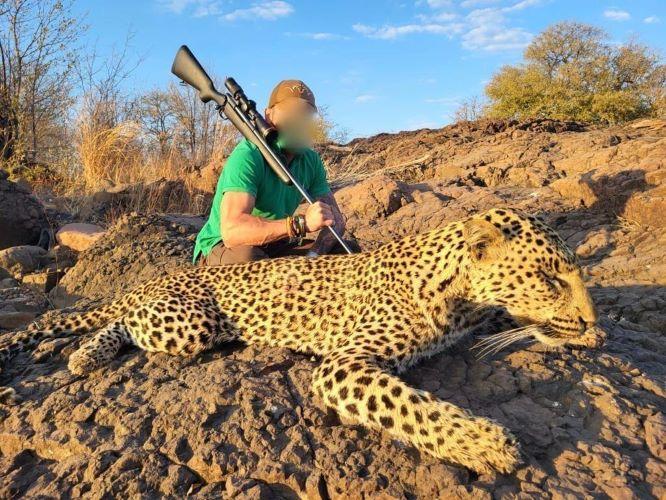
Free-Range Leopard Hunting Safari in Tanzania | 14-Day Licenc
Booking Season: 2026
Hunt Difficulty: Difficult
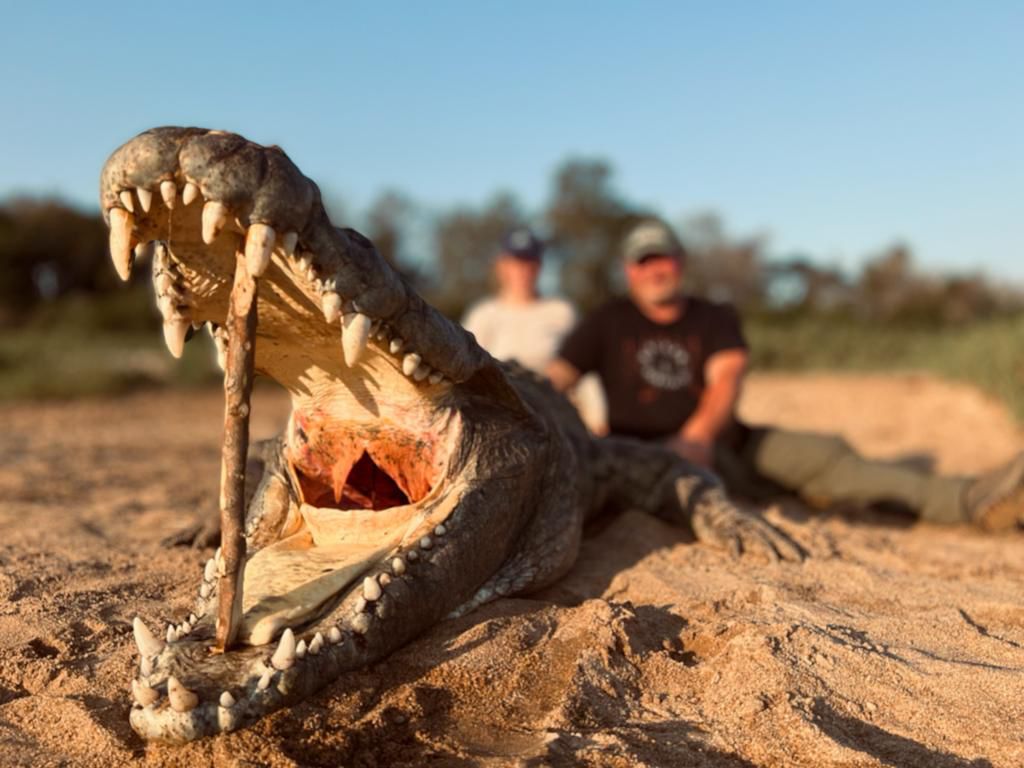
Lion, Leopard & Buffalo Safari Tanzania | Lunda Nkwambi
Booking Season: 2026
Hunt Difficulty: Difficult
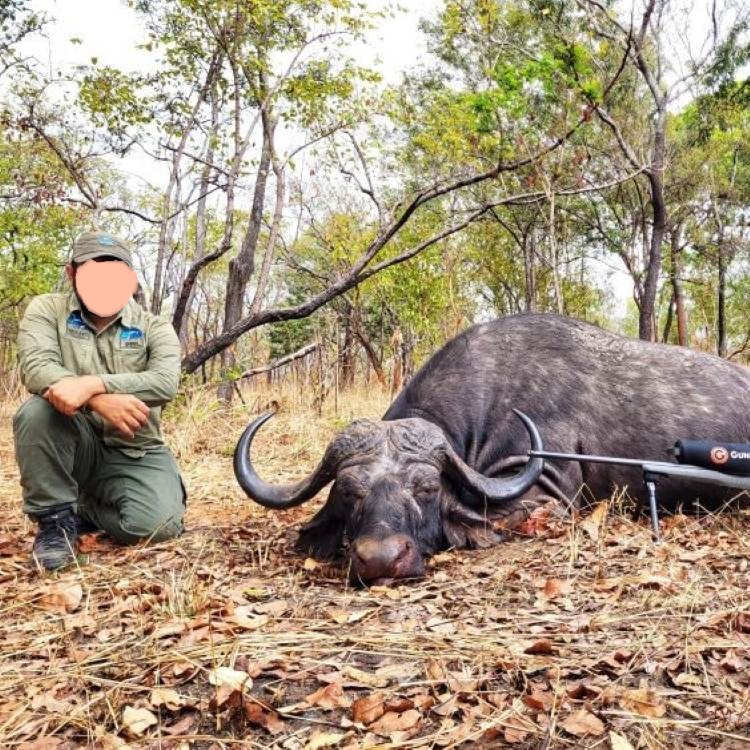
Cape Buffalo Hunting in Masailand, Tanzania
Booking Season: 2026
Hunt Difficulty: Moderate, Difficult
6-Species Tanzanian African Plains Game Hunt
Booking Season: 2026
Hunt Difficulty: Moderate
Safari Hunting in Tanzania 10 Days Plains Game in Masai 1:1
Booking Season: 2026
Hunt Difficulty: Moderate
Hunting Safari in Tanzania Plains Game in Masailand 7 Days 1:1
Booking Season: 2026
Hunt Difficulty: Moderate
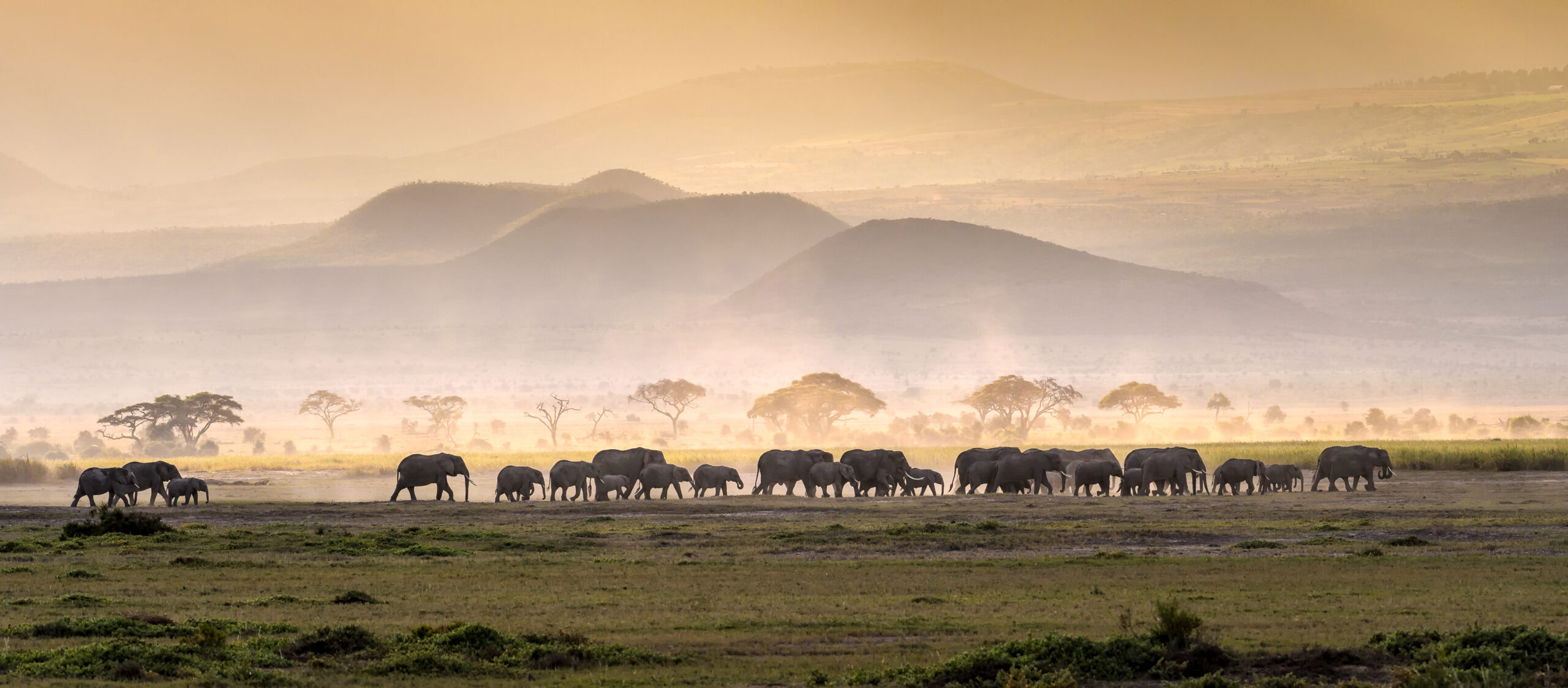
Grant's gazelle are primarily associated with the vast open plains of northern Tanzania, where short-grass savannah, scattered acacia country, and seasonal river systems create ideal habitat for the species. These landscapes allow gazelles to rely on their greatest defense—exceptional eyesight and the ability to detect danger long before it gets close.
The species is particularly common in the greater Masailand ecosystem, a region famous for supporting some of East Africa's most iconic plains game animals. During the course of a safari, it is not unusual to encounter large herds of wildebeest moving across the plains, making Wildebeest Hunts a natural addition for hunters seeking a more complete East African trophy collection.
The same open country also supports excellent populations of zebra. These striking animals are often seen feeding alongside gazelles, and many visiting hunters choose to combine their safari with Zebra Hunts while exploring the region's vast hunting concessions.
Unlike bush-dwelling antelope that disappear into thick cover, Grant's gazelle spend much of their lives in open country. Animals can often be spotted from considerable distances, but closing the final few hundred yards without being detected is where the real challenge begins. Their sharp eyesight and constant alertness frequently turn what appears to be a simple stalk into a test of patience and fieldcraft.
Some Tanzanian hunting areas also offer opportunities to pursue Cape Buffalo Hunts, allowing hunters to combine one of East Africa's classic plains game trophies with one of Africa's most respected dangerous game species during the same safari.
The combination of expansive landscapes, abundant wildlife, and traditional safari hunting areas is one of the reasons Tanzania remains the premier destination for pursuing Grant's gazelle.
One of the mistakes first-time East African hunters make is judging Grant's gazelle solely by horn length. While long horns are certainly desirable, experienced professional hunters place just as much emphasis on age, horn mass, and overall character.
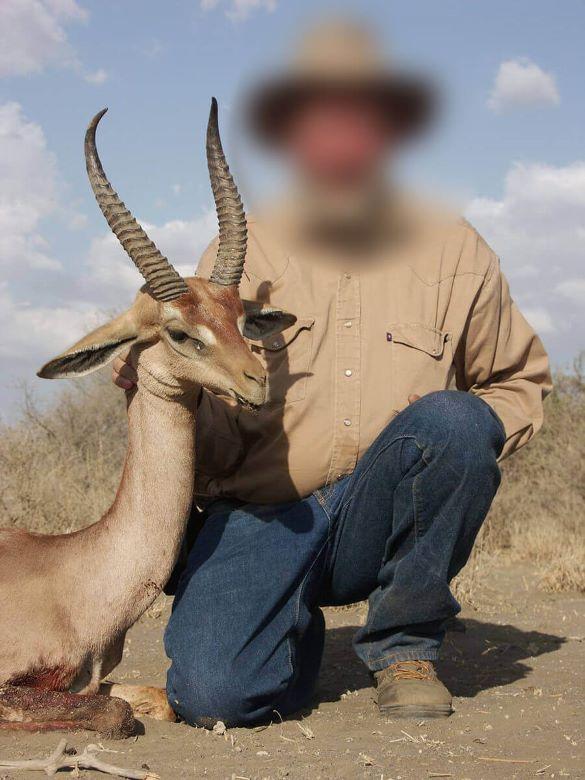
A mature Grant's gazelle ram carries itself differently from younger animals. The body appears heavier, the neck thicker, and the horns more substantial. Old rams often develop deep ridges along the horn length, while years spent competing with rival males can leave visible scars and worn horn tips that add character to the trophy.
The finest trophies are rarely the animals standing in the middle of a large herd. More often, they are older rams found on the outskirts, moving independently or associating with a small group of mature males. These are often the animals that catch a professional hunter's attention long before they attract the attention of the client.
Unlike species where trophy quality can largely be measured with a tape measure, Grant's gazelle are often appreciated for their overall appearance. Heavy lyre-shaped horns, balanced symmetry, and the unmistakable look of maturity frequently matter more than a few extra inches of horn length.
For collectors building an East African trophy room, a mature Grant's gazelle represents far more than another antelope. It represents a species that remains closely tied to the classic safari landscapes of Tanzania and one that cannot easily be pursued elsewhere in Africa.
A Grant's gazelle standing broadside at 300 yards appears to be one of Africa's easiest trophies. There is no thick bush to fight through, no dangerous game to track, and no need to follow spoor for miles. From a distance, the hunt can seem almost straightforward.
The reality is often very different.
Grant's gazelle survive because they live in country where they can see danger coming from a long way off. Their world is built around visibility. A flicker of movement, a hunter standing against the skyline, or a stalk that ignores the wind can end an opportunity before it truly begins.
The challenge is rarely finding gazelles. The challenge is finding the right gazelle and then reaching a shooting position without being detected.
A mature ram may be feeding in the middle of an open plain with little more than a termite mound, a shallow drainage line, or a scattered patch of thorn scrub available for cover. What appears to be a simple 400-yard stalk can quickly become a mile-long detour as hunters work the terrain, searching for a route that keeps them out of sight.
The initial sighting takes place from a vehicle while covering vast expanses of country. Once a suitable ram is located, however, the vehicle is left behind and the stalk begins on foot. It is not uncommon for hunters to walk several hundred yards before even setting up for a shot, using folds in the terrain, dry streambeds, termite mounds, and scattered vegetation to remain hidden.
Because Grant's gazelle inhabit such open country, shooting opportunities can sometimes occur at longer distances than many hunters are accustomed to. Hunters planning a Tanzanian safari should spend time practicing from shooting sticks before arrival, particularly at ranges beyond those commonly encountered while hunting in wooded terrain or over short agricultural fields.
Professional hunters often joke that the last 200 yards are where Grant's gazelle earn their reputation. It is the distance where patience matters, where small mistakes become expensive mistakes, and where a trophy ram that looked all but certain can suddenly disappear over the horizon.
When everything comes together, however, the reward is uniquely East African. A mature Grant's gazelle taken after a careful stalk across the open plains feels earned in a way that few people expect before experiencing it themselves. It is one of the reasons Grant's gazelle continue to hold a special place among hunters pursuing classic Plains Game Hunts in Africa.
At first glance, Grant's gazelle and Thomson's gazelle appear remarkably similar. Both inhabit the open plains of East Africa, both are frequently encountered during Tanzanian safaris, and both rank among the continent's most recognizable antelope species. Spend a few days in the field, however, and the differences quickly become apparent.
The most obvious distinction is size. Grant's gazelle are significantly larger than Thomson's gazelle, carrying heavier bodies, longer legs, and substantially larger horns. Mature Grant's gazelle rams often appear more imposing, particularly when viewed alongside Thomson's gazelles feeding in the same area.
Thomson's gazelle are easily identified by the bold black stripe running along their flanks. Grant's gazelle lack this prominent marking and instead display a large white rump patch that extends above the tail. This feature is often the quickest way for professional hunters to distinguish the two species at a distance.
The trophies themselves are also quite different. Grant's gazelle are admired for their size and impressive lyre-shaped horns, while Thomson's gazelle are valued for their classic East African appearance and striking markings. Neither is considered superior to the other. Most experienced collectors view them as two completely separate trophies.
The decision often comes down to personal preference. Some hunters are drawn to the larger frame and heavier horns of Grant's gazelle, while others appreciate the iconic appearance of Thomson's gazelle, an animal that has become synonymous with the plains of East Africa.
For hunters spending time in Tanzania, the choice is often simple. Many safari areas support both species, allowing hunters to pursue two of Africa's most recognizable gazelles during the same safari.
Long before online booking platforms, social media, and trophy scoring apps, East Africa was already attracting hunters from around the world. While the destinations and hunting areas have evolved over the decades, certain animals remain inseparably linked to the traditional safari experience. Grant's gazelle is one of them.
Unlike species such as impala, wildebeest, or kudu that can be hunted across multiple African countries, Grant's gazelle remain closely associated with the plains of East Africa. Their range, appearance, and the country they inhabit have made them one of the defining trophies of a Tanzanian safari.
Experienced collectors often view East Africa differently from Southern Africa. The attraction is not necessarily bigger trophies or easier hunting. It is the opportunity to pursue species that are unique to the region and difficult to find elsewhere. Grant's gazelle, Thomson's gazelle, fringe-eared oryx, lesser kudu, and Coke's hartebeest all form part of that distinctly East African hunting tradition.
A mature Grant's gazelle may never be the largest trophy in a hunting room, but it is often one of the most interesting. It immediately tells a story about where it was hunted. It speaks of open plains, long stalks, distant mountains, safari camps, and a landscape where wildlife still moves across enormous tracts of country.
That is why Grant's gazelle continue to hold a special place among experienced hunters. They are not pursued because they are easy, nor because they are the biggest antelope available. They are pursued because they remain one of the animals that define the East African safari experience.
Yes. American hunters regularly pursue Grant's gazelle as part of guided hunting safaris in Tanzania. Most hunts take place within licensed hunting concessions under the supervision of professional hunters and are often combined with other East African plains game species.
The honest answer is both if the opportunity presents itself. While the two species are often encountered in the same hunting areas, they are very different trophies. Grant's gazelle are larger and carry heavier horns, while Thomson's gazelle are instantly recognizable by their distinctive markings and classic East African appearance. Most experienced collectors consider them separate trophies rather than alternatives.
Every hunt is different, but Grant's gazelle inhabit open country where shooting opportunities can sometimes be longer than those encountered while hunting in thicker bushveld environments. Hunters planning a Tanzanian safari should spend time practicing from shooting sticks before arrival, particularly at distances beyond those commonly encountered while hunting deer or elk in North America.
Finding Grant's gazelle is rarely the problem. The challenge lies in approaching a mature ram without being detected. Their excellent eyesight, preference for open country, and ability to spot movement at long distances often turn straightforward-looking stalks into lengthy exercises in patience and fieldcraft.
Grant's gazelle are often pursued alongside Thomson's gazelle, zebra, wildebeest, fringe-eared oryx, and other East African plains game species. Depending on the hunting area and available licenses, some safaris may also include Cape buffalo, creating a classic East African hunting experience.
Experienced professional hunters look for far more than horn length alone. Mature age, strong horn mass, symmetry, and overall character are often the qualities that separate an exceptional trophy from an average one. Many hunters would rather take an old ram with heavy bases and obvious signs of maturity than a younger animal carrying slightly longer horns.
Grant's gazelle are one of the species most closely associated with the traditional East African safari. Their limited distribution, elegant appearance, and connection to Tanzania's vast plains make them a highly desirable trophy for hunters building a representative African collection. For many collectors, a mature Grant's gazelle represents far more than another antelope—it represents East Africa itself.
Very few hunters travel to Tanzania solely to hunt Grant's gazelle. Most safaris are built around a broader East African species list that may include Thomson's gazelle, zebra, wildebeest, fringe-eared oryx, lesser kudu, and in some areas even Cape buffalo.
Because Tanzania offers such a diverse range of hunting opportunities, many hunters begin by exploring available Hunting Trips before selecting the species and hunting areas that best match their goals.
Search from our range of Hunts across various popular destinations in Africa.

Book Your Hunt