
Hunting Adventures with Honey Badger & 4 Species in Limpopo
Booking Season: 2026
Hunt Difficulty: Moderate

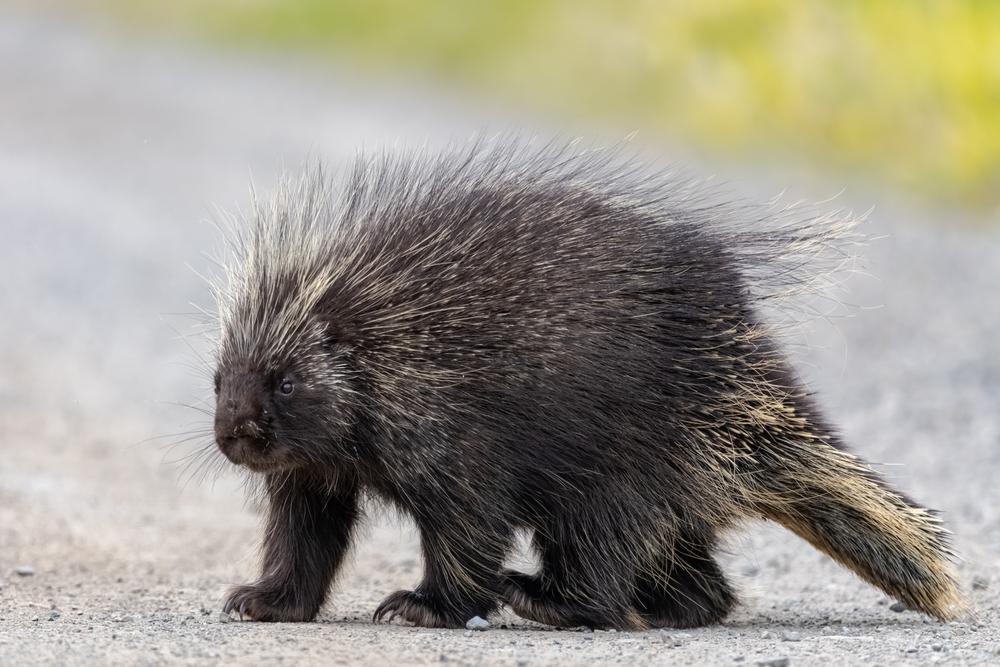
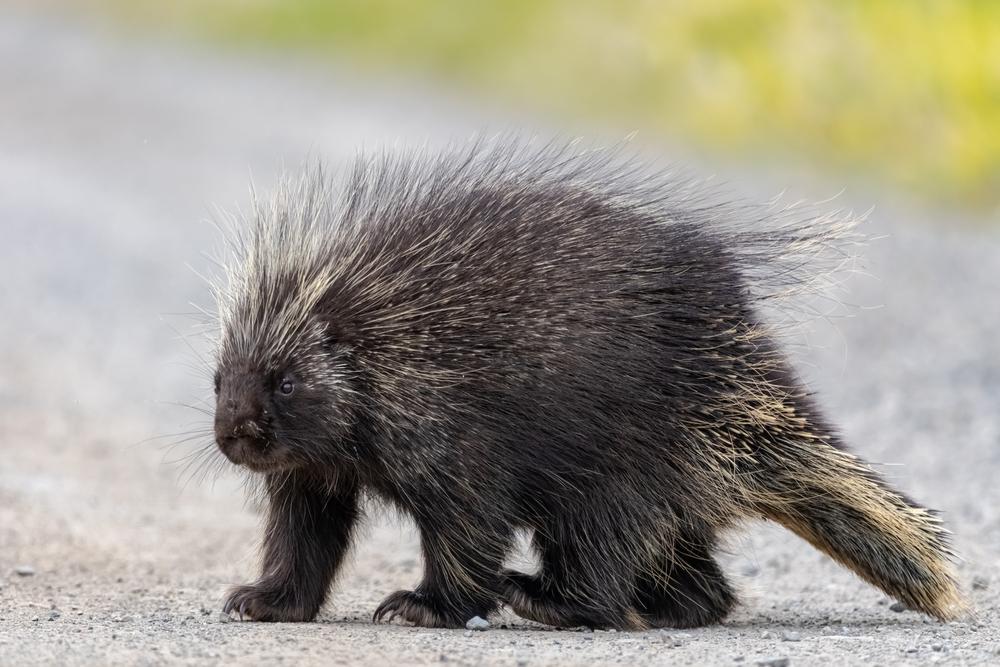
Planning a safari hunting in South Africa often begins with iconic species such as Cape buffalo, kudu or springbok. Porcupines seldom appear on a hunter's original trophy list. Instead, they are usually encountered unexpectedly during a night hunt, when the beam of a spotlight suddenly catches a pair of bright eyes and a fan of black-and-white quills moving through the darkness. When that opportunity presents itself, hunters quickly realise they are looking at one of Africa's most distinctive trophies.
Despite being Africa's largest rodent, the porcupine is unlike almost any other animal hunters pursue. It is famous for the thousands of quills covering its body, the extensive burrow systems it excavates beneath the African soil and the persistent myth that it can shoot its quills at predators. It cannot. Yet those quills remain one of the most effective defensive systems found anywhere in the animal kingdom.
Porcupines play a surprisingly important role in the African bush. Their burrows provide shelter for other wildlife, they influence the landscape in ways hunters never notice, and they are well known to farmers for the damage they can cause to crops, irrigation systems and young trees.
A hunter may first encounter a porcupine because of the tracks it leaves, the holes it has dug or the unexpected appearance of white quills beneath a spotlight long before the animal itself comes into view.
A mature porcupine also produces one of Africa's finest full-body trophies. The dramatic display of quills, powerful claws and distinctive black-and-white colouring creates a mount unlike anything else in the trophy room. It is often the unexpected trophies that generate the best conversations, and few African animals prove that more convincingly than the porcupine.
Available Porcupine Hunts
Hunting Adventures with Honey Badger & 4 Species in Limpopo
Booking Season: 2026
Hunt Difficulty: Moderate
One of the most common myths about porcupines is that they can shoot their quills at predators or hunters. They cannot.
A porcupine's quills are loosely attached and detach easily when another animal makes contact. When threatened, a porcupine raises the quills across its back, rattles the hollow tail quills as a warning and then turns sharply towards the danger. Any predator that ignores those warnings may leave the encounter carrying a painful reminder.
That defensive system has earned porcupines considerable respect throughout Africa. Lions, leopards, hyenas and wild dogs all learn to treat an adult porcupine with caution. A face or paw full of quills can leave even a large predator badly injured, making the risk far greater than the reward.
Hunters should show the same respect. A wounded or cornered porcupine can charge backwards with surprising speed, using its raised quills as an effective defence. Approaching one carelessly is never advisable and allowing the animal enough room while following the guidance of an experienced Professional Hunter is always the safest approach.
The porcupine's remarkable defence explains why these animals have survived alongside Africa's largest predators for thousands of years. They are not fast, they cannot outrun danger and they certainly cannot shoot their quills. Instead, they rely on one of nature's most effective defensive systems and the confidence to stand their ground when escape is no longer an option.
Porcupines leave their mark on the African bush long before most hunters ever see one. Their extensive burrow systems can remain in use for years, with generations of porcupines enlarging the same underground den until it becomes a remarkably complex network of tunnels and chambers.
Those burrows seldom benefit only porcupines. Once abandoned, they are frequently occupied by other wildlife, particularly warthogs looking for ready-made shelter. Hunters pursuing Warthog Hunts quickly become familiar with these burrows, often spotting warthogs disappearing underground when disturbed. Many of the large holes scattered across South Africa's hunting areas began life as porcupine dens.
The same burrows can also prove useful in unexpected ways. During Springbok Hunts across open grasslands and semi-arid plains, even a slight depression can provide valuable concealment. Hunters occasionally use the ground around old porcupine burrows to remain hidden while glassing or waiting for game to settle, making use of whatever cover the landscape provides.
Not everyone appreciates the engineering skills of a porcupine, however. Hidden beneath long grass or loose sand, these burrows are notorious for catching out hunters and vehicles alike. More than one Land Cruiser has dropped a wheel into an unseen porcupine hole, providing an unwelcome reminder of just how much ground these rodents move beneath the surface.
Whether creating shelter for other wildlife, frustrating farmers or testing the suspension of hunting vehicles, porcupines quietly shape the African landscape in ways that many hunters never realise.
The porcupine's ability to survive almost anywhere has also brought it into regular conflict with agriculture. Across many parts of South Africa, porcupines are well known for damaging crops, feeding on root vegetables, stripping bark from young trees and even chewing through irrigation pipes in search of water or minerals.
Those same powerful incisors that allow a porcupine to excavate hard ground also make short work of cultivated crops. A single animal visiting the same field night after night can cause considerable damage, particularly where vegetables, orchards or young plantations are involved.
Landowners sometimes need to control problem animals in accordance with South African wildlife regulations and provincial legislation. Where porcupines are causing persistent agricultural damage, responsible management helps protect farming operations while maintaining healthy wildlife populations.
These management programmes can also provide ethical hunting opportunities. As with every species, the objective is not simply harvesting an animal, but maintaining a practical balance between conservation, agriculture and sustainable hunting.
Most porcupines are encountered during night hunts rather than dedicated porcupine safaris. As darkness settles across the African bush, these normally secretive rodents become active, emerging from their burrows to feed and travel under the cover of night.
Hunters pursuing Hyena Hunts or Bushpig Hunts occasionally find porcupines arriving at bait sites before the intended quarry. The distinctive rattle of quills, slow deliberate movement and unmistakable silhouette beneath a spotlight leave little doubt about what has just entered the clearing.
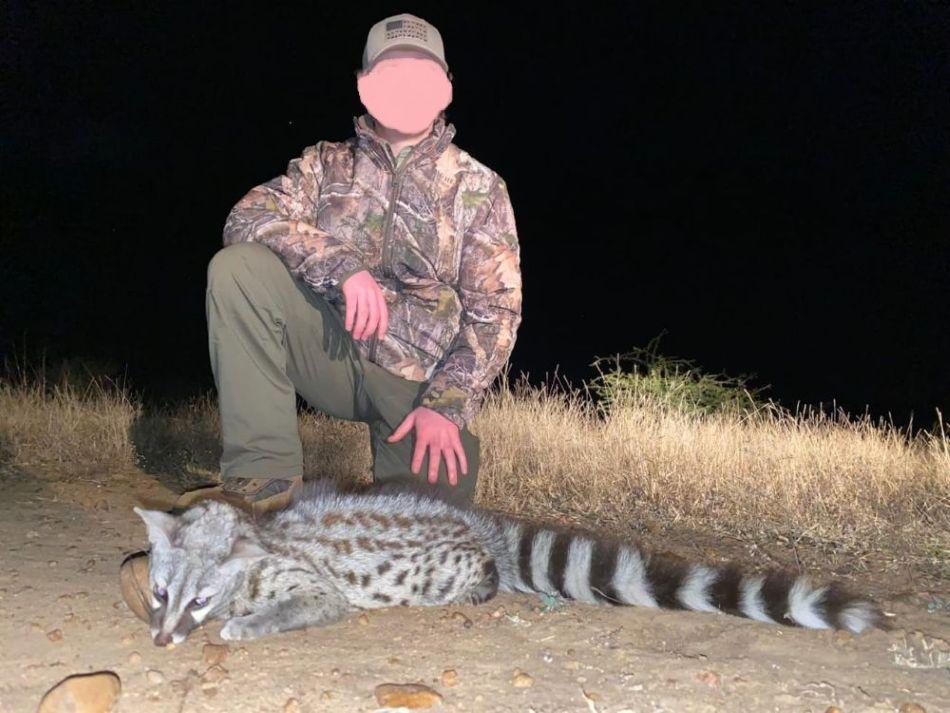
That unpredictability is part of what makes African night hunting so rewarding. A single evening may produce bushpigs, civets, genets, porcupines, honey badgers or hyenas, often in completely unexpected combinations. No two nights are ever quite the same, and many of the most memorable trophies are the ones nobody expected to encounter when leaving camp that afternoon.
Porcupines also provide excellent table fare. Their meat is widely enjoyed in many parts of Africa and is often described as tender, mild and surprisingly flavourful. Hunters who decide to take a porcupine frequently discover that it offers not only an unusual trophy but also another memorable meal around the campfire.
Porcupines rarely appear at the top of a hunter's wish list before arriving in Africa. Yet the opportunity to pursue one often becomes one of the unexpected highlights of the safari.
Few animals combine such remarkable adaptations in a single package. Their defensive quills, extensive burrow systems, surprising intelligence and ability to survive alongside Africa's largest predators have earned them a unique place in the African bush. Add to that one of the continent's most distinctive full-body trophies, and it becomes easy to understand why experienced hunters seldom overlook the opportunity when it arises.
Some trophies are remembered because of their size. Others because of the difficulty of the hunt. A porcupine is remembered because it tells a story. Every set of quills, every burrow and every unexpected encounter beneath a spotlight becomes part of an African hunting adventure that few hunters expect when they first arrive.
The finest African Hunting Trips are rarely defined by a single trophy. They are remembered for the unexpected encounters, remarkable wildlife and stories that continue to be shared long after the safari has ended. A mature porcupine has a habit of becoming one of those stories.
Yes. Porcupine hunting is legal in South Africa where permitted by provincial regulations and when conducted on authorised hunting properties. Hunters should always book through reputable outfitters who operate within South African wildlife laws.
No. This is one of the most common myths about porcupines. Their quills detach easily when a predator or other animal makes contact, but they cannot shoot or project them.
Yes. A wounded or cornered porcupine can charge backwards surprisingly quickly while defending itself with its raised quills. Hunters should always approach one with caution and follow the guidance of an experienced Professional Hunter.
Yes. Porcupine meat is widely enjoyed throughout Africa and is often described as tender, mild and surprisingly flavourful. Hunters are pleasantly surprised by the quality of the meat after a successful hunt.
Porcupines excavate extensive underground burrow systems for shelter and protection. These dens are often used for many years and may later provide shelter for warthogs and a variety of other wildlife.
Most porcupines are encountered during night hunts, when they leave their burrows to feed. Many opportunities arise while hunting hyenas, bushpigs or other nocturnal species.
A mature porcupine with long, well-developed quills in excellent condition is generally the most desirable trophy. Full-body mounts are particularly popular because they showcase the animal's impressive quills, powerful claws and distinctive colouring.
Yes. Porcupines can cause significant agricultural damage by feeding on crops, stripping bark from young trees and chewing irrigation pipes. Responsible wildlife management helps balance agricultural needs with sustainable conservation.
Most standard plains game calibres are suitable when combined with accurate shot placement. Because porcupines are compact animals that can quickly retreat to their burrows when wounded, patience and precise shot placement are more important than excessive calibre.
Absolutely. Porcupines are often added to broader Plains Game Hunts by hunters looking to pursue something a little different. While they may not be the primary objective, the opportunity to take one often becomes one of the most memorable moments of the safari.
Search from our range of Hunts across various popular destinations in Africa.

Book Your Hunt